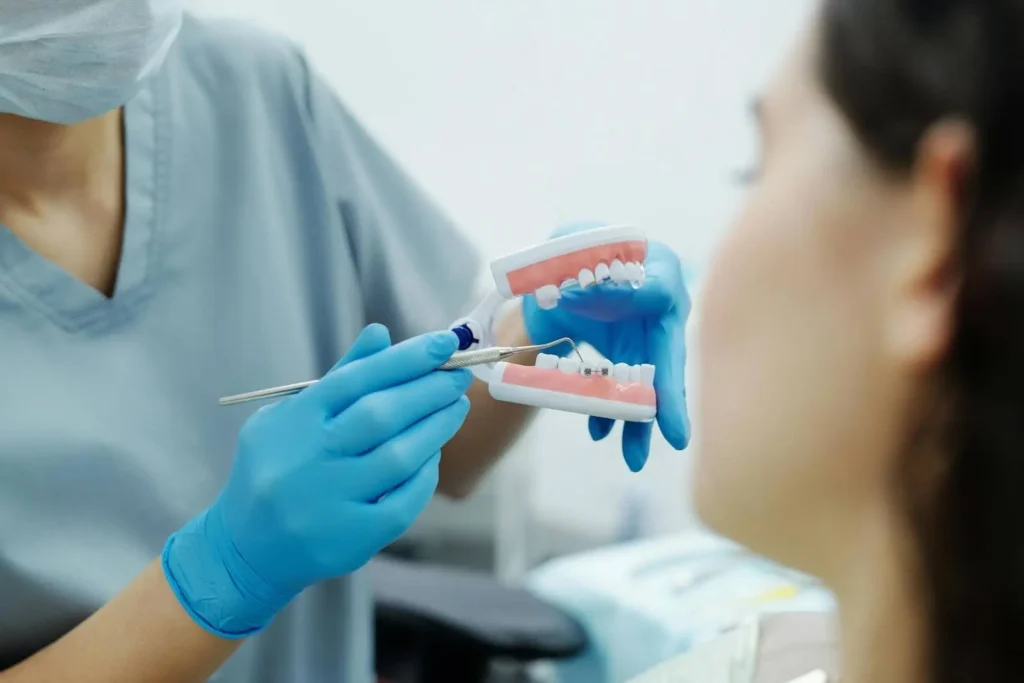
The Importance Of Proper Oral Hygiene: Tips For A Healthy Smile

oral hygiene , teeth

The Importance Of Proper Oral Hygiene: Tips For A Healthy Smile

Keeping your smile healthy is simpler than it seems. A few steady habits protect your teeth, gums, and breath so you can eat, speak, and laugh with confidence. Think of it as maintenance, as small daily steps prevent big problems.Small changes add up fast. With the right tools and timing, you can lower the risk of cavities, control plaque, and keep your gums calm day after day by sticking with a routine.

Why Oral Hygiene Matters

Oral health shapes how you feel and how you show up in the world. It affects comfort while eating, how clearly you speak, and your willingness to smile without hesitation.A global health brief reported that oral diseases affect billions of people, underscoring why simple prevention at home matters. That perspective notes that many issues are preventable when people stick with basic daily care.Healthy gums and teeth make dental visits smoother and less stressful. When your routine is steady, checkups stay simple, and recovery from any treatment is easier.

Confidence, Style, And Your Smile

Consistent brushing and flossing create the neat lines cameras love. For personalized guidance on tools, timing, and fluoride, visit https://smile4texas.com to see supportive care options. Small tweaks add up and make healthy habits easier to repeat.Style is more than clothes; presentation counts. A healthy, confident smile sharpens any look, balancing patterns or minimalist fits, and when you enter a fashion show or step into a photo call, enamel and calm gums elevate everything.

Brushing Basics That Work

Most people do best with a morning and night rhythm. Use a soft brush and fluoride toothpaste, and aim for short, gentle strokes that cover every surface. Angle bristles toward the gumline and move slowly.Two minutes per session is a reliable baseline for most adults. Set a timer or use a brush with a built-in reminder to stay consistent. Replace the head every 3 months or when bristles fray.If gums bleed, ease pressure and refine your angle. Use light circles on fronts and backs, and sweeps on chewing surfaces. Most tender spots settle within a week once plaque is removed gently.

Fluoride And Strong Enamel

Fluoride is a quiet helper that strengthens enamel. It works alongside saliva to rebuild early mineral loss after meals and snacks.Public health data show that communities with fluoridated water see fewer cavities in children and adults. In fact, a national summary noted that fluoridated water can reduce cavities by about one quarter, which stacks neatly with your daily brushing and flossing.If your area lacks fluoridated water, ask your dentist about toothpaste, rinses, or in-office treatments with appropriate fluoride levels. These targeted steps are useful if you face a higher cavity risk.

Flossing, Tongue Care, And Technique

Floss once a day to clean where brushes cannot reach. Slide the strand along each tooth in a gentle C shape, hugging the sides. Pause under the gumline to sweep soft buildup, then move to a fresh section.Add quick tongue cleaning to support fresh breath. Use a scraper or the back of your brush for a few gentle passes from back to front. Rinse after, and repeat lightly if you notice lingering coatings.Technique beats force; keep your wrist relaxed and let the bristles work. Angle at 45 degrees toward the gumline, use circles, and ease pressure. Consistency prevents irritation, leaving teeth and gums comfortable.

Food, Drinks, And Daily Habits

Your enamel prefers steady routines rather than constant acid attacks. Try to group sweets and acidic drinks with meals instead of sipping all day. Give your mouth breaks, letting saliva neutralize acids and rebuild minerals. Rinse with water after coffee, tea, or juice to wash away acids and pigments. Choose water over sparkling. Sugar-free gum can boost saliva when your mouth feels dry, after workouts, or during meetings.If you clench at night, ask about a guard to protect the enamel. Limit alcohol and avoid chewing ice or biting hard objects. Prevention is easier than repair and keeps sensitivity low while preserving a smooth finish.

Your enamel prefers steady routines rather than constant acid attacks. Try to group sweets and acidic drinks with meals instead of sipping all day. Give your mouth breaks, letting saliva neutralize acids and rebuild minerals. Rinse with water after coffee, tea, or juice to wash away acids and pigments. Choose water over sparkling. Sugar-free gum can boost saliva when your mouth feels dry, after workouts, or during meetings.If you clench at night, ask about a guard to protect the enamel. Limit alcohol and avoid chewing ice or biting hard objects. Prevention is easier than repair and keeps sensitivity low while preserving a smooth finish.

COMMENT

There are no reviews yet. Be the first one to write one.

Actually, this article could
be in your email

Featured materials from FOXYLAB MAGAZINE
are available in our newsletters.
Subscribe and get a dose of inspiration!

more articles

A whole world on the tip of a pencil. The story of an artist who proved that true art has no limits and that it is never too late to start all over again.

READ MORE ARTICLES

International fashion icon and symbol of Parisian style, Ines de la Fressange is one of the most famous women in France.

Anastasia Pilepchuk is a Berlin-based artist with Buryat roots. She creates masks and face jewellery inspired by the nature and the culture of her beautiful region.

A whole world on the tip of a pencil. The story of an artist who proved that true art has no limits and that it is never too late to start all over again.


Search

FOLLOW US ON