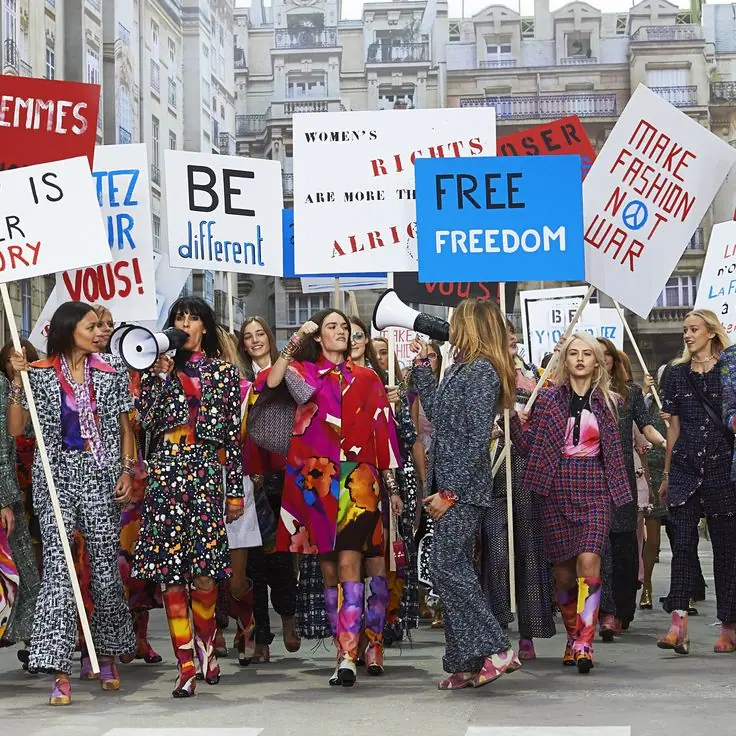
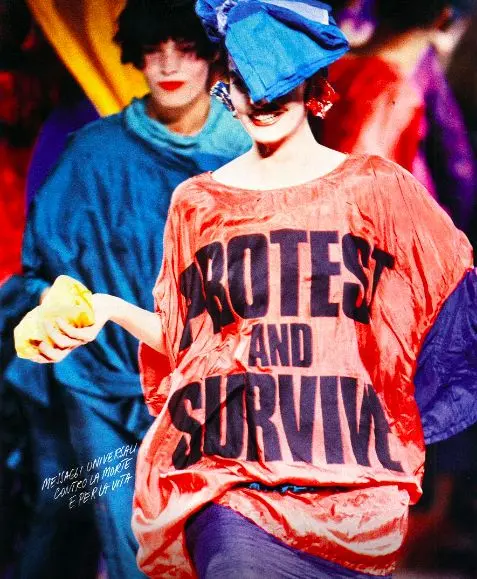
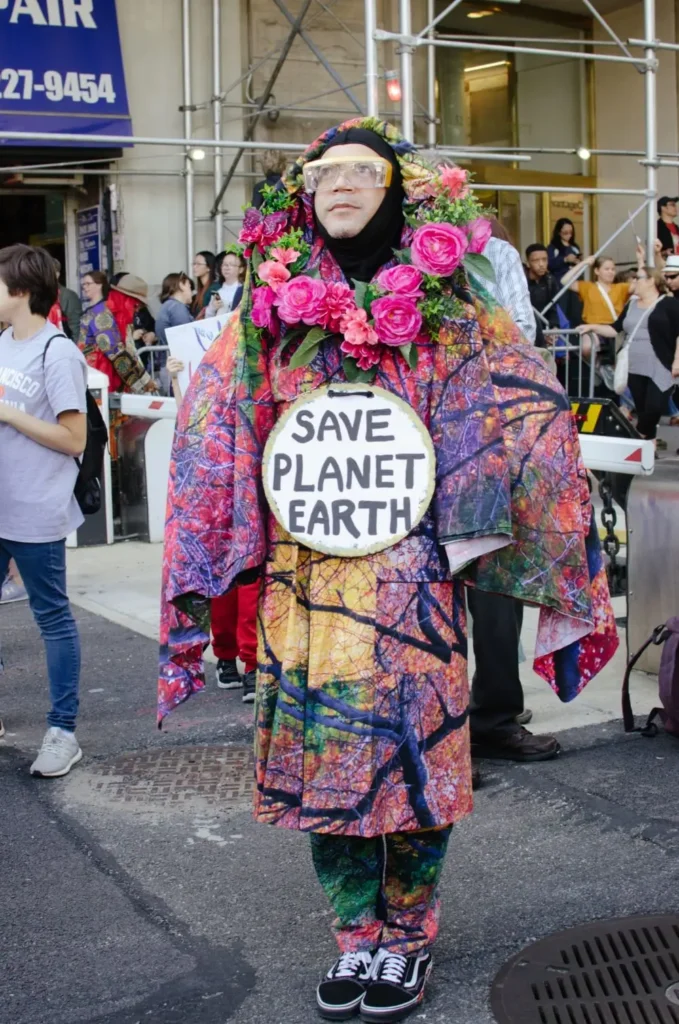
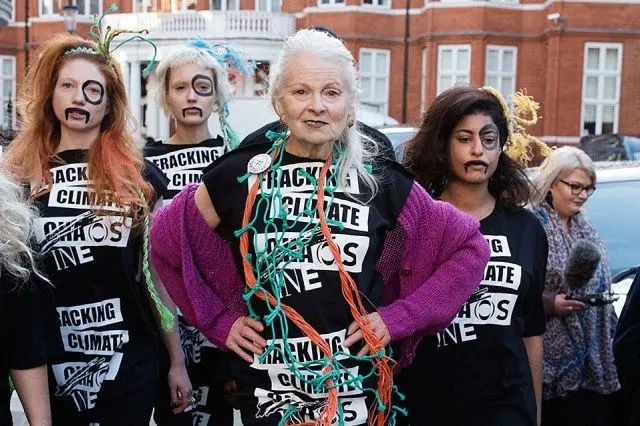
Out here, fashion activists turn outfits into tools for change. Right now, clothes carry more than looks – they speak up on issues like inequality or freedom. Using specific clothes to speak up – that’s what fashion activism means. It turns outfits into tools for exposing unfairness. Change happens not just in styles but in how people and the planet are treated. From slogan t-shirts to eco friendly fashion movements, fashion activism has become a strong voice in modern culture.
Fashion activism is the use of clothing, design and fashion platforms to share your opinions or support causes and raise awareness. It also combines style with purpose. Designers, brands and consumers used fashion to speak out about issues such as:
Fashion activism is not a new trend and it has existed for decades, even centuries. Activists have long understood that to change the law, one must first change the visual narrative of the people.
In the early twentieth century picked certain shades were picked on purpose – purple stood for self-worth, white meant cleanliness, and green hinted at hope. Instead of looking rough, they wore neat outfits that still fit cultural ideas of femininity. This choice fought how news reports often framed them: wild, uncontrolled, or somehow less. Their appearance became proof otherwise.
In the 1960s, the civil rights movement in the USA wore their best church clothes when joining sit-ins or marches. They chose crisp suits, ironed fabrics – not out of fashion sense but to assert worth denied under racism. On the other hand, members of the Black Panther Party wore dark jackets and berets as symbols of strength. These choices were to project a message of militant discipline and power.
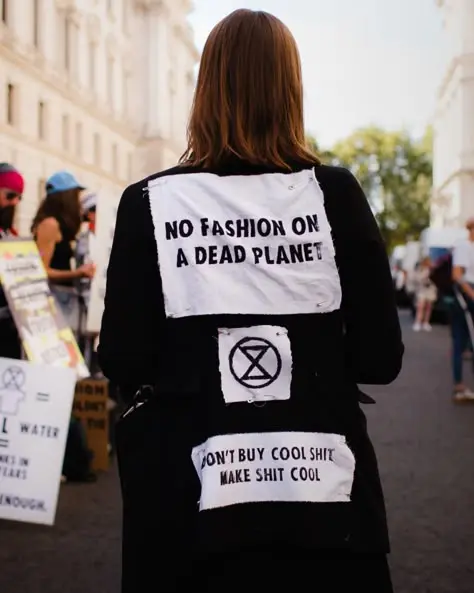
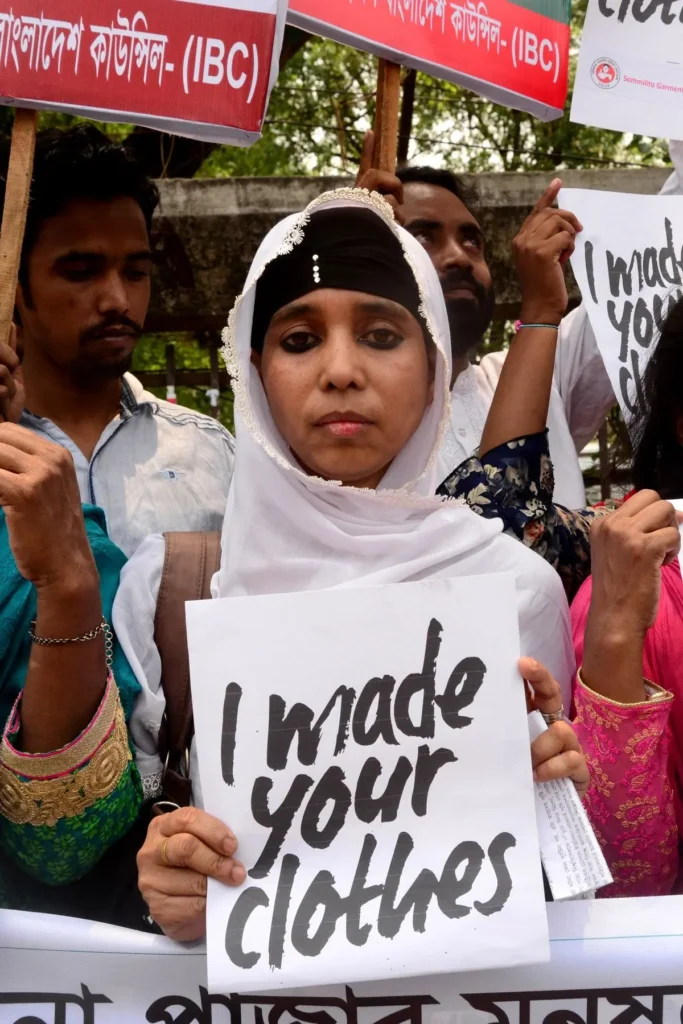
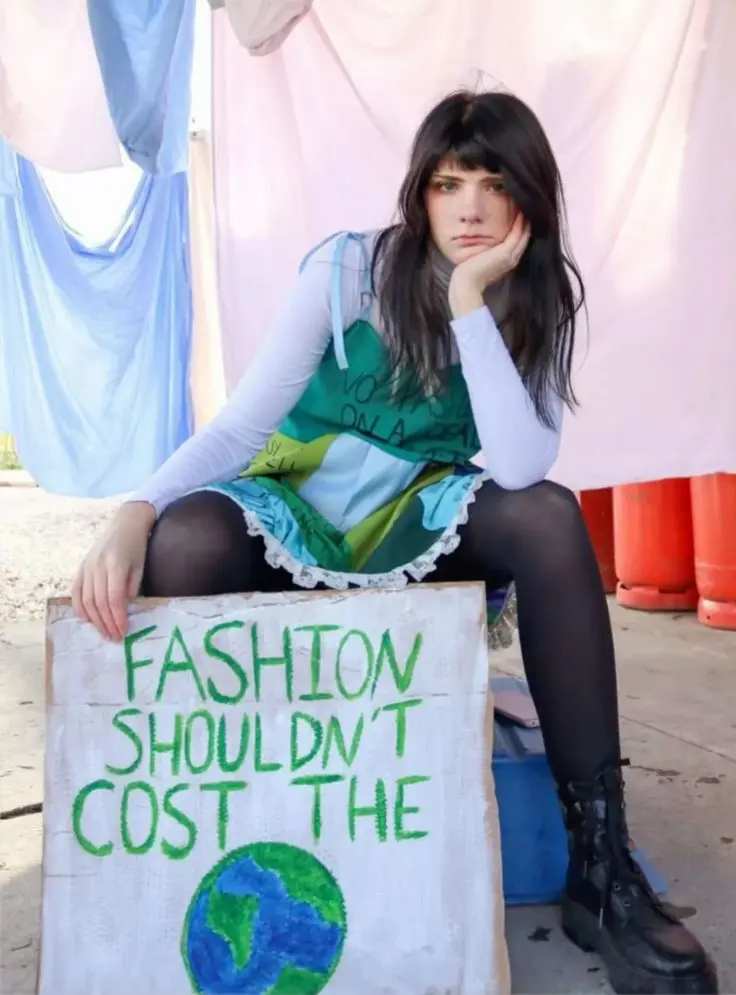
Nowadays, fashion protest isn’t just about symbols – it targets the whole industry itself. The business behind garments weighs heavily; about one in every twenty five tons of carbon pollution comes from clothing production. Resistance takes shape through boycotts, better choices, and pressure on companies to change how things are made.
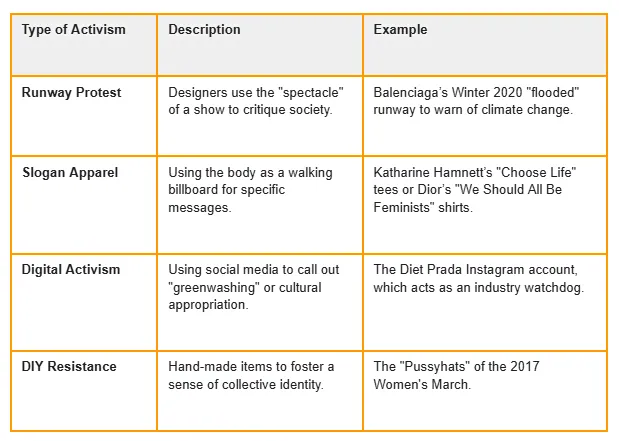
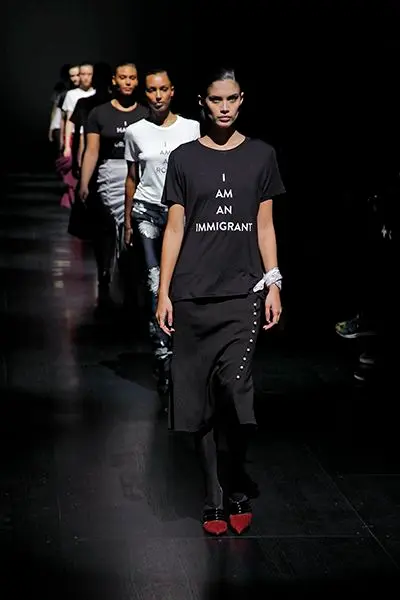
From glittering catwalks to buzzing TikTok videos, modern fashion activism shows up in many places.
While using fashion to change the world can be powerful, it has a big weakness: big companies can turn it into a product. Sometimes, a symbol meant for a revolution like a shirt about women’s rights ends up being mass-produced by the same big factories that activists are protesting against. When this happens, the message loses its power. This is often called “virtue signaling.” It means a brand or person is just “looking” like they care to seem cool or good, without actually doing the hard work to fix the real problems.
“Dress is a form of communication… the way one dresses sends many messages at once.” — Alexandria Ocasio-Cortez
Despite its power, it has faced criticism.
Common challenges include:
Activism in fashion keeps gaining ground, shifting in new ways. People are paying closer attention now; companies feel that weight, slowly responding.We can expect:
Fashion will continue to be a powerful mirror of society and a tool to reshape it.
Fashion activism is evolving from a focus on individual expression; it holds beliefs, efforts and even quiet rebellions. By picking eco-friendly fabrics or striking poses with purpose, individuals turn clothing into something louder than style – it speaks of respect. Even making older pieces feel new again, or refusing excess, becomes a way to honor the planet without shouting about it. Pick your clothes carefully. Each choice turns regular dressing into real impact – no need for flashy statements
Clothing often carries messages tied to politics and activism. What people wear can speak of justice, fairness or defiance. Sometimes an outfit reflects who holds influence, while others reveal a lack of it. Wearings may echo rebellion rather than mere trend.
Out of nowhere, clothes started speaking up. Protest threads began showing face, bold slogans stitched in, gender lines blurred through style, earth-friendly methods gained ground, and visibility widened beyond the usual crowd. Suddenly, garments cared more about meaning than season.