3D Printed Furniture: Modern Design, Customization & Eco Benefits

3D Printed Furniture: Modern Design, Customization & Eco Benefits

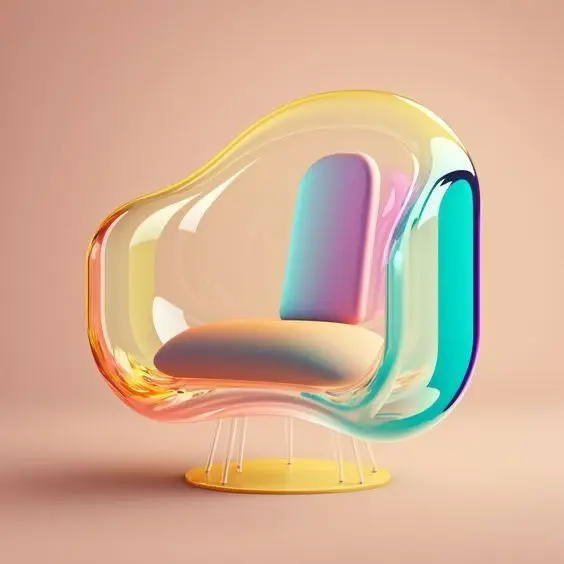
The furniture industry has not seen such a major transformation since the Industrial Revolution took place. The home furniture market has been controlled by mass-produced flat-pack furniture for many years but 3D-printed furniture now presents itself as a potential alternative. Additive manufacturing has transformed the way we design and manufacture them because it surpasses the restrictions which saws and molds imposed. Let us check it more deeply.

What Is 3D-Printed Furniture?

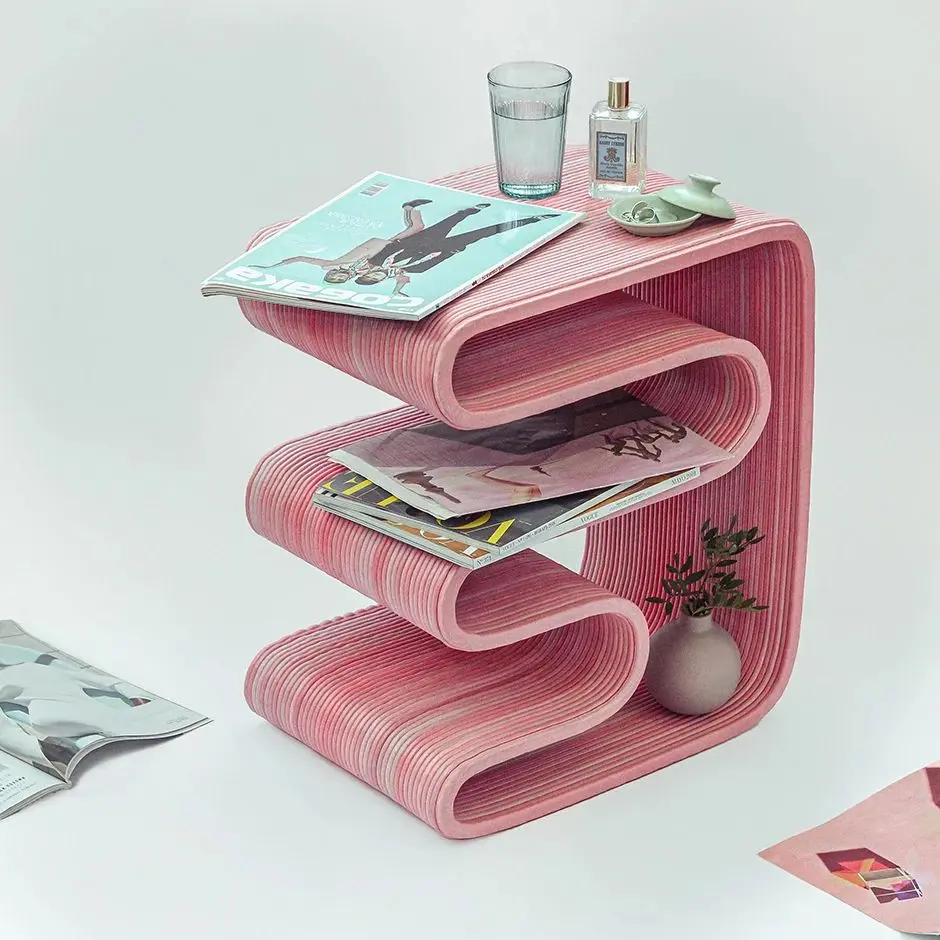
a 3d printed furniture table

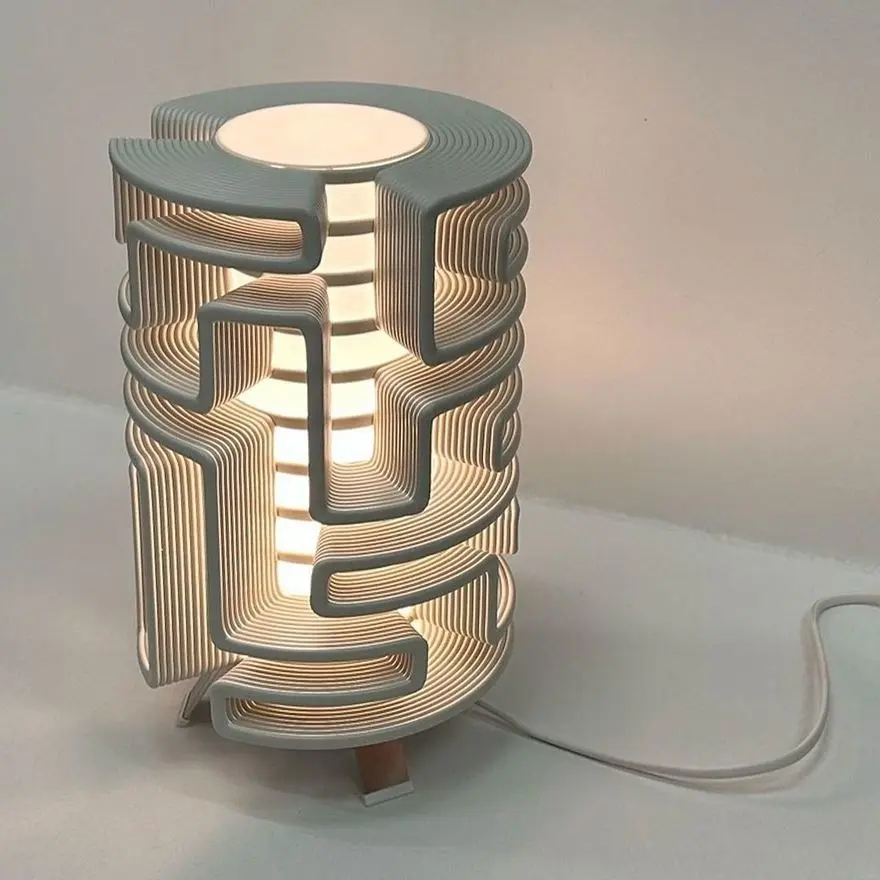
The process of 3D printing operates differently from traditional woodworking and metalworking because it uses an additive method to construct objects through sequential layer construction instead of subtractive methods which require material removal to achieve desired shapes. The development of 3D printing technology started during the 1980s when Dr. Hideo Kodama from the Nagoya Municipal Industrial Research Institute created an early additive manufacturing method which used photopolymer to build three-dimensional models through sequential layer formation. 

The digital 3D model (CAD) serves as the starting point for this process. The file gets transmitted to a big printing machine which uses a nozzle to print material while following the exact path that the computer system has defined. The process results in a complete functional piece of furniture which appears as a single continuous object within a short time frame of hours or days.
The Primary Technologies

  • Fused Deposition Modeling (FDM) operates as the primary technique which melts plastic filaments (PLA or ABS) through an extrusion process.
  • Selective Laser Sintering (SLS) operates by using a powerful laser to create solid structures from powdered materials which include nylon and metal.
  • Large Format Additive Manufacturing (LFAM): The industrial robotic arms with extruders in (LFAM) systems enable the production of complete sofas and outdoor benches through reinforced polymer printing operations.

Materials Used In 3D-Printed Furniture

a 3d printed table

3D-printed furniture has multiple uses because manufacturers now offer a wide selection of materials which serve design purposes. The market leads with PLA (Polylactic Acid) because it offers simple operation and it comes from plants. Designers select PETG and ABS materials for their high durability and heat resistance needs but they choose Nylon because of its exceptional strength-to-weight performance and flexible properties which suit interlocking joint applications. 

The production of wood-filled filaments which combine 70% PLA with 30% recycled sawdust, enables the creation of chairs and tables that duplicate the appearance and texture of natural wood while releasing its characteristic scent. The industrial and architectural sectors use concrete 3D printing to transform outdoor furniture design, while metal-filled composites and carbon-fiber-reinforced polymers enable the production of weightless high-performance items which were beyond manufacturing capabilities.
Sustainability And Environmental Benefits

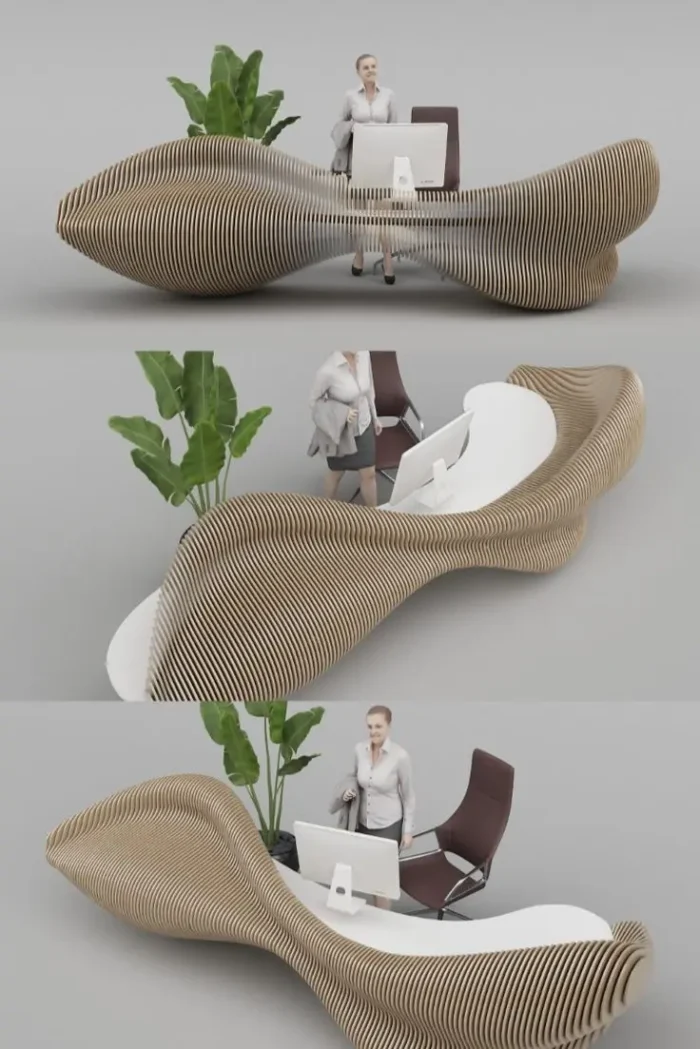
iconic 3d furniture in the office, a table and chair
Sustainability is one of the strongest arguments for 3D printed furniture. Traditional furniture manufacturing often produces excess waste and requires large-scale transportation. In contrast, 3D printing uses only the necessary material, significantly reducing waste. Furniture can be printed locally, cutting down on shipping emissions and supporting local production. Additionally, damaged parts can be reprinted instead of replacing the entire piece, extending the life cycle of the furniture.

Best 3D Furniture Innovations

The current global market shows these essential furniture innovations which lead industry trends.

1. Chameleon" & Multi-Functional Furniture

Chameleon Multi Functional Furniture
The decreasing size of urban residential areas has led to the development of furniture which functions as a flexible system. The “Chameleon” trend consists of items which completely change their function when moving from morning to evening.
  • The Flow Wall Desk represents a current innovation which combines a simple wooden wall decoration with a design that transforms into a solid desk through its spiral shape before returning to its compact form.
  • The BARS Electric Bench operates as a kinetic seating system which allows users to convert its standard upright design into a chaise longue or an ergonomic armchair through a single button press.
  • Hybrid Appliances: The market now offers “furniture-appliance” hybrids which include the LG Aero Furniture that functions as a side table and provides high-end air purification and wireless charging and mood lighting capabilities.

2. Smart & "Discreet Tech" Integration

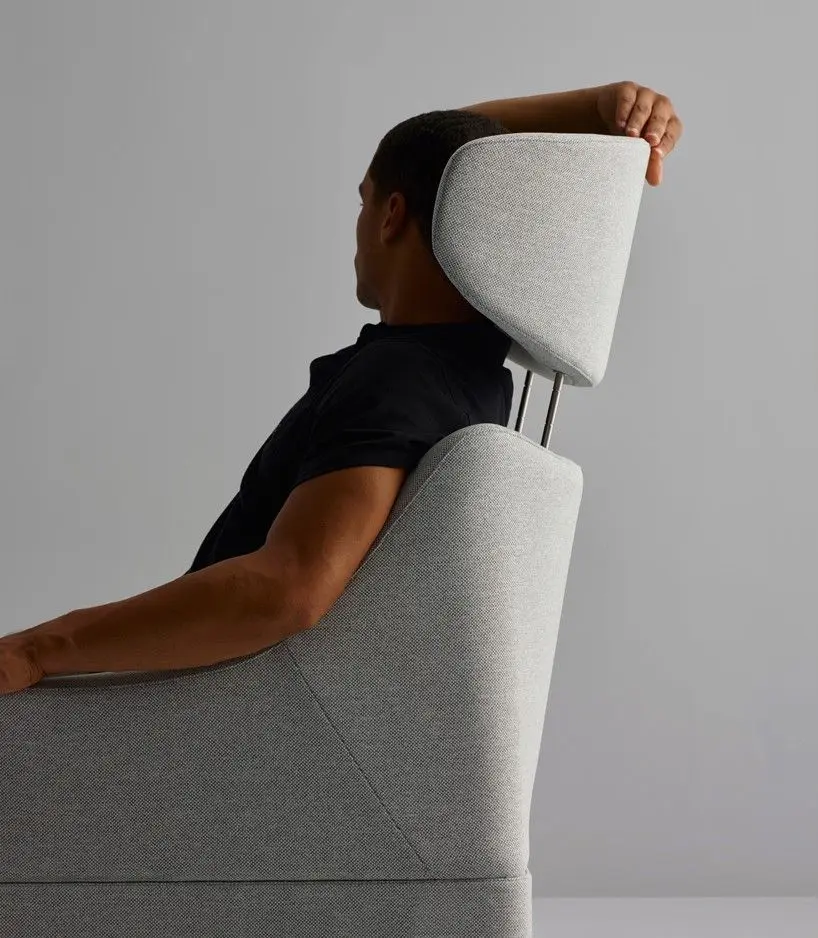
Smart & Discreet Tech 3d furniture design chair
Technology has evolved from being an additional feature to becoming a non-existent element in operations.
  • Internet enables modern office chairs to monitor your posture through sensors which use artificial intelligence to make automatic adjustments to your lumbar support during your sitting activities.
  • Wireless Hubs: The new side tables and nightstands feature built-in induction charging which operates through their wooden or stone surfaces thus removing all need for cables.
Users can now control their tables and beds through voice commands because these products have become part of smart home systems which enable them to change desk heights and bed angles.

3. Biophilic & "Growing" Materials

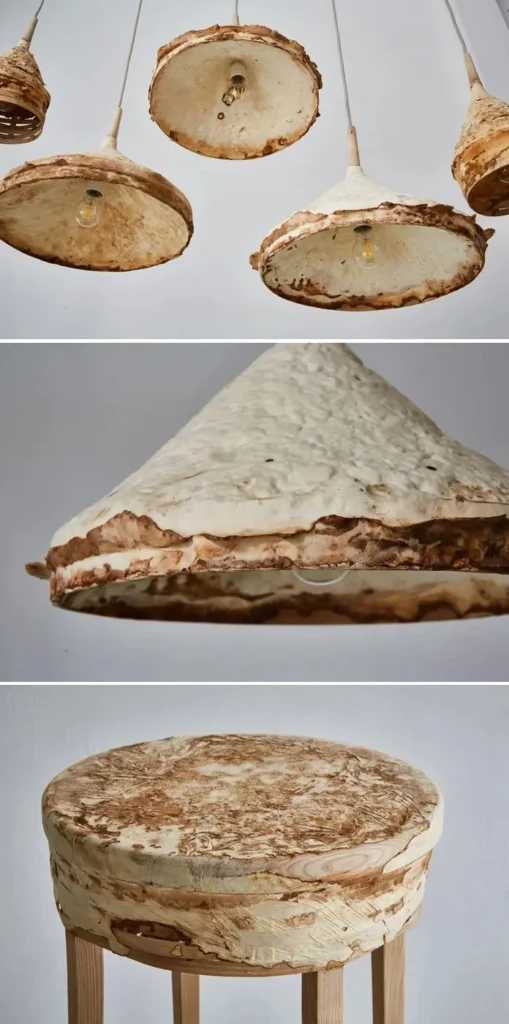
Biophilic & "Growing" Materials mashroom furniture
Biophilic & “Growing” Materials Innovation extends beyond electronic components because it involves biological elements.
  • Designers Now Use Mycelium (Mushroom) to create furniture which uses fungal roots to form compostable chairs and lamps that absorb carbon from the environment.
  • The Textile Industry Now Uses Bio-Coatings to create sofas which function as indoor air carbon dioxide absorbers similar to household plants. Vegan Leathers: The market now uses pineapple husks, apple peels and recycled cactus to create high-performance materials which replace traditional leather products.

4. Modular "Forever" Systems

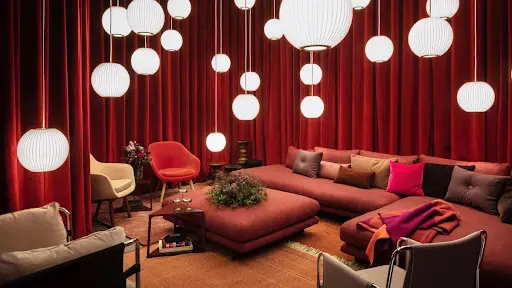
unique 3d furniture design in room
The industry has started to adopt a new business approach which focuses on fixing products instead of discarding them.
  • Tool-Free Assembly: The joinery system uses “click” technology which the flooring industry developed to enable customers who can construct complete sofas and wardrobes through screwless and Allen keyless assembly within short time periods.
  • Modular Furniture Expansion: the brand Herman Miller together with IKEA promotes modular furniture which allows customers to purchase individual seats at present while they can expand their sections to create a 10-person sectional sofa during future home expansions.

Why 3D Printing Is Changing The Game

3D Printing design sofa

1. Geometric Freedom

The production of organic shapes remains difficult for traditional manufacturing methods. The production of curves and hollow lattice structures and intricate internal supports requires costs which exceed what can be achieved through wood carving. 3D printing operates best when it needs to handle intricate designs. Designers have the ability to design ergonomic chairs which duplicate bird skeletal structures and tables that have a liquid-like appearance.

2. Radical Sustainability

The environmental impact consists of two separate elements.
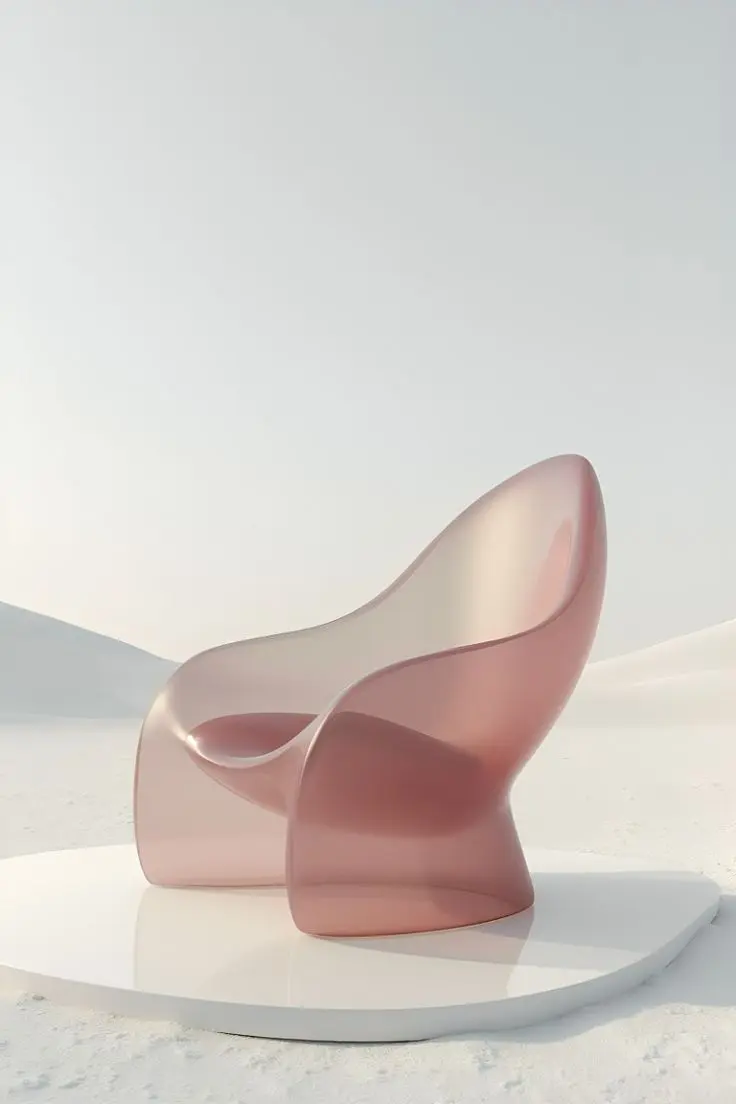
  • Zero Waste: Printers only use the exact amount of material required. The area contains no sawdust piles and no scrap metal offcuts.
  • Circular Materials: The production of 3D-printed items depends on recycled plastics and ocean waste and bio-composites which PLA manufactures through wood fiber and cornstarch combination.

3. Hyper-Customization

The world of 3D printing now operates under a standard which enables mass customization. The absence of costly mold creation allows designers to modify digital files which match individual customer measurements including height and weight and room dimensions at no additional production expense.

The Challenges Ahead

unique 3D Printing furniture sofa
The technology creates an impressive experience but it needs to overcome multiple obstacles to achieve complete substitution of your current IKEA store.
  • Speed And Scale: The process of printing a single chair through this method requires 10 to 24 hours of production time which exceeds the speed of conventional mass-production facilities.
  • Surface Finish: The surface of 3D printed objects shows their layer lines which remain visible to the human eye. Designers have two options regarding the digital grain effect because they can either accept it or spend time on extensive sanding and polishing work to get a flat surface.
  • Durability Concerns: The success of the system depends on proper adhesion between its different layers. The execution of a print becomes problematic when its layers separate from each other during situations of high pressure.

2025 & Upcoming 2026 Trends: The Future Is Already Here

The market for 3D furniture will experience mainstream adoption during 2026 because of multiple essential industry patterns.
  • AI-Generated Design: Designers employ AI technology to create furniture designs which minimize material usage while achieving maximum structural integrity.
  • Hybrid Manufacturing: The process of uniting 3D-printed joints or connectors with traditional materials which include glass and wood and upholstery.
  • Urban Furniture: Cities now use big 3D printing machines to transform recycled plastic waste from municipal collections into massive public seating areas and gardening containers.

Final Thoughts

The field of 3D-printed furniture has evolved from laboratory testing to become an expanding market which unites creative design with technological expertise. The future of furniture will allow people to download designs which they can customize before printing them into perfect fittings for their personal needs.

COMMENT

There are no reviews yet. Be the first one to write one.

Actually, this article could
be in your email

Featured materials from FOXYLAB MAGAZINE
are available in our newsletters.
Subscribe and get a dose of inspiration!

more articles

A whole world on the tip of a pencil. The story of an artist who proved that true art has no limits and that it is never too late to start all over again.

READ MORE ARTICLES

International fashion icon and symbol of Parisian style, Ines de la Fressange is one of the most famous women in France.

Anastasia Pilepchuk is a Berlin-based artist with Buryat roots. She creates masks and face jewellery inspired by the nature and the culture of her beautiful region.

A whole world on the tip of a pencil. The story of an artist who proved that true art has no limits and that it is never too late to start all over again.


Search

FOLLOW US ON