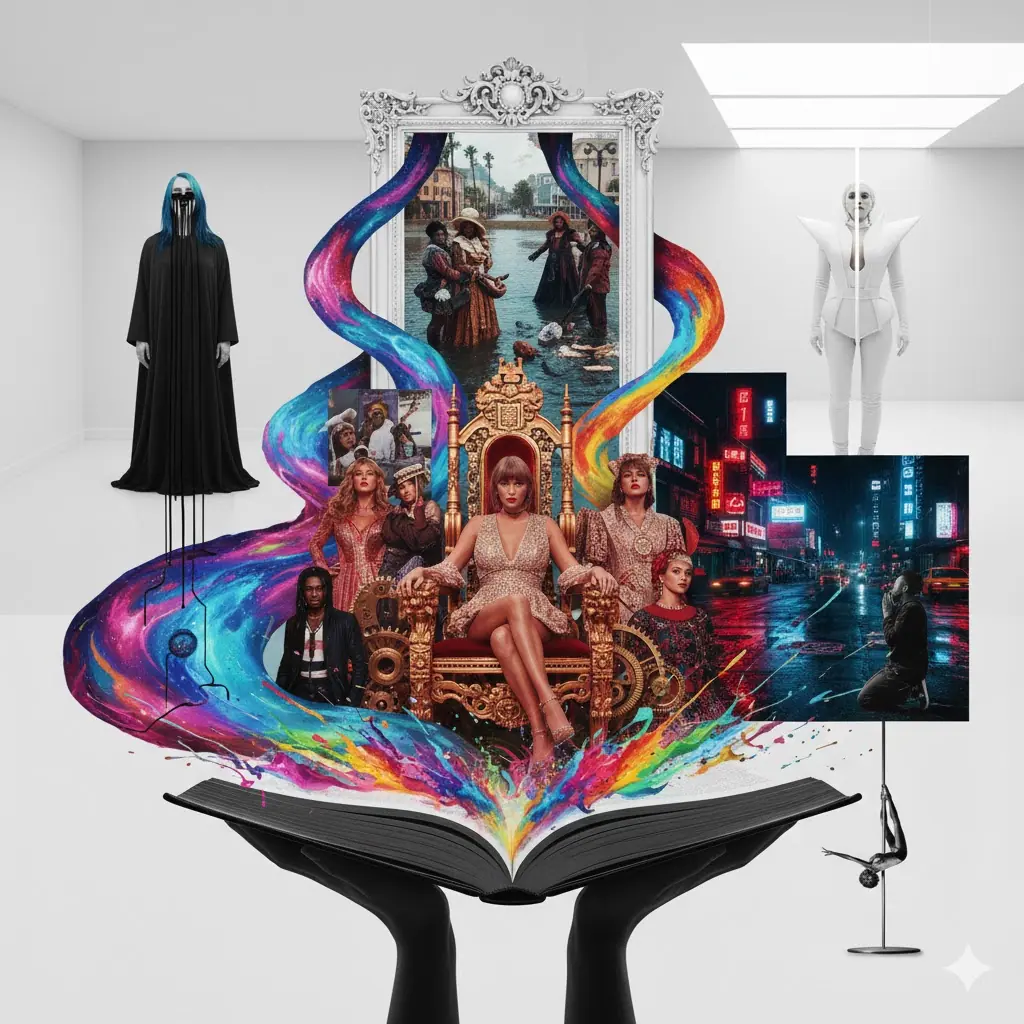
Music videos are not only about sound but they are also about visuals. Art direction with music helps connect what we hear with what we see. It includes colors, sets, clothes and the overall style of the video. Good art direction makes music videos with a story more emotional, creative and memorable. Here are 10 music videos with art direction and each setting new standards in creativity and visual storytelling.
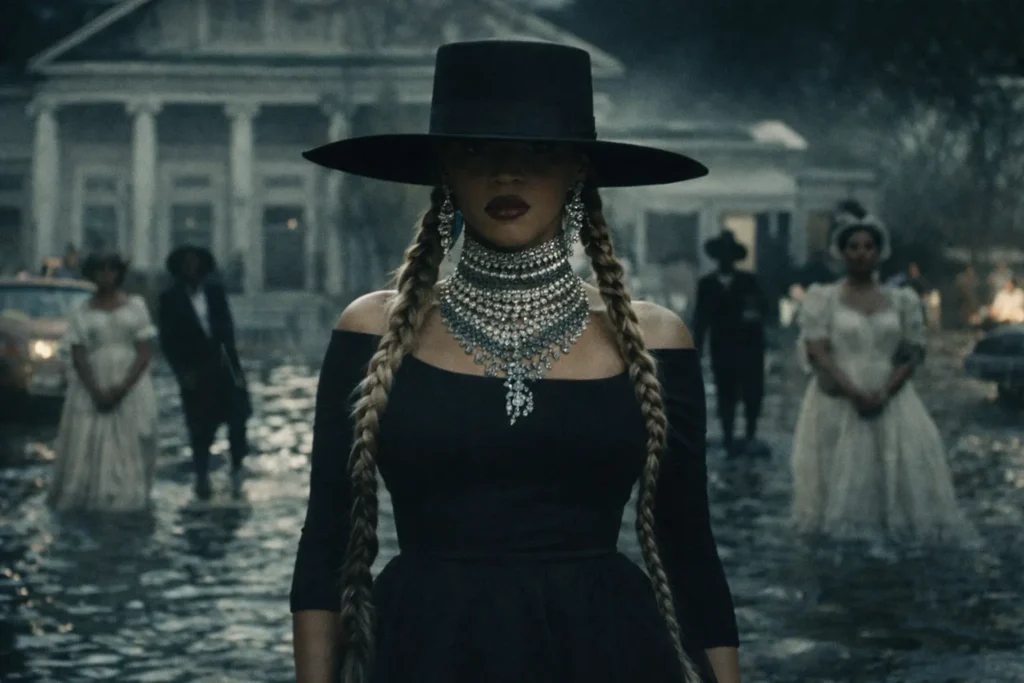
Art Direction Style: Southern Gothic, Political & Cultural Symbolism
What stands out in “Formation” is how every visual element works on purpose. Flooded roads in New Orleans, outfits reminiscent of distant eras – each image carries weight. A soft hue scheme blends with bold representations, shaping each shot like part of a larger conversation. The arrangement of objects, lighting, and background builds less like a display, more like a message crafted slowly. It feels less like music, more like evidence of something shaped over time.
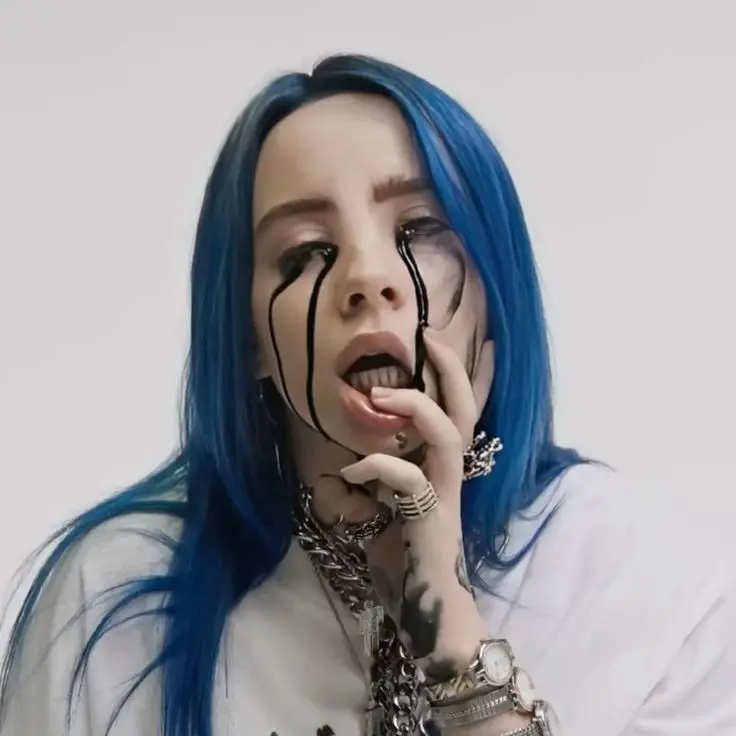
Art direction style is Minimalist and Conceptual
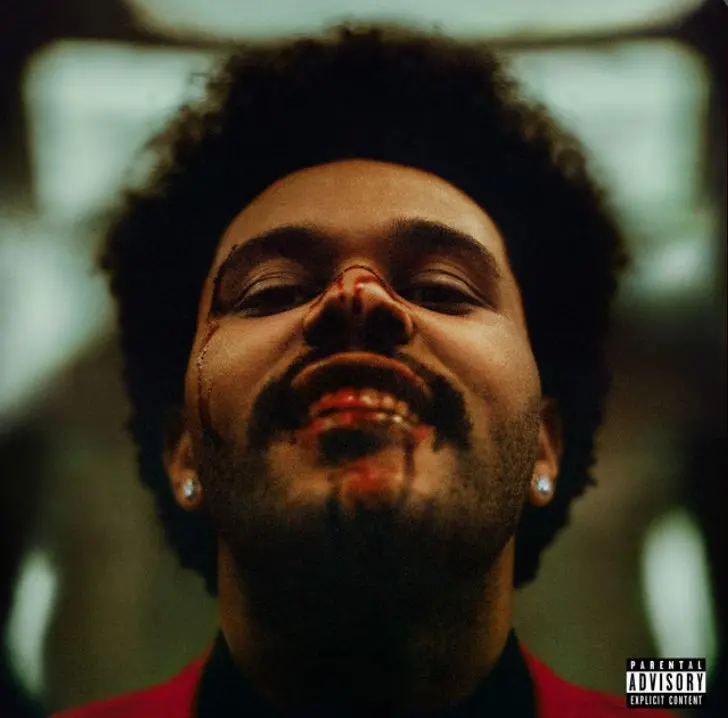
What stands out here is how simple art direction in music can carry real weight. Inside a white space, a person wears dark clothing, bloodlike droplets falling from eyes – just that. Nothing fills the background; no distractions exist. Because there’s so little, feelings grow clearer, and attention stays grounded on the idea at hand. Strength often hides in bareness.
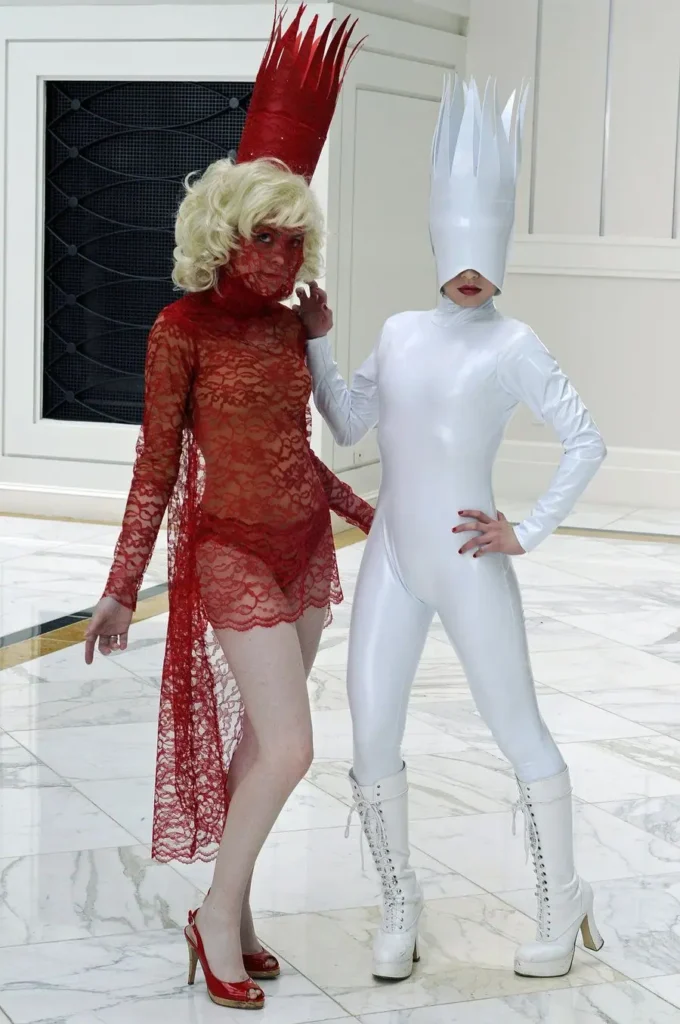
A sudden chill runs through “Bad Romance” when it resembles nothing so much as a drifting fashion show. White spaces stretch out, cold and empty, yet they carry you toward surreal outfits that hover just beyond reality. Light slices across the room like a knife, sharp and uninvited, blurring where music ends and art begins.
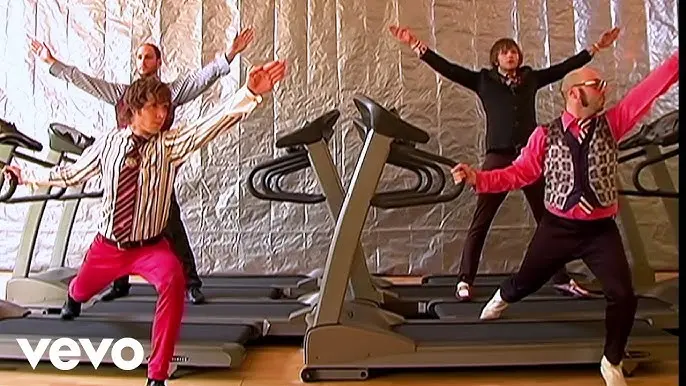
Art Direction Style: Symbolic, Satirical and Raw
Mostly filmed in long, flowing shots, the visual design leans into balanced disorder. Tight spaces make room for intense and lively moments to crash into one another – uneasily matching the lyrics’ tone.
Art Direction Style: Maximalist and Theatrical
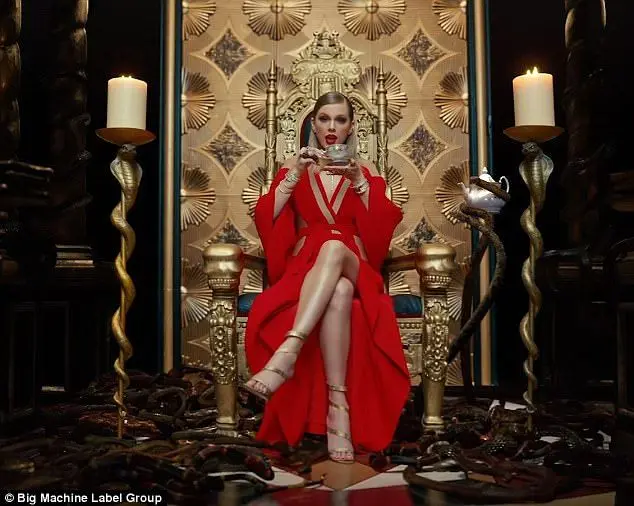
A flood of images rolls through this clip, heavy hues, somber decorations and tiny staged realities showing different sides of Taylor. Every part opens into another small universe, shaped by shadow and shape, speaking in its own quiet visual tongue.
Art Direction Style: Psychedelic and Dreamlike
A flickering glow wraps around every frame when the title appears. Neon washes over scenes like a dream shifting under light. Colors run too bright, shapes waver without warning, yet the whole thing flows – no jitters, just motion pulling you forward.
Art Direction Style: Neo-Noir and Cinematic
From the 1980s late-night scenes, this clip pulls mood and color with deep reds glowing behind city walls where characters move with sharp flair, faces painted bold. Style meets grit right there.
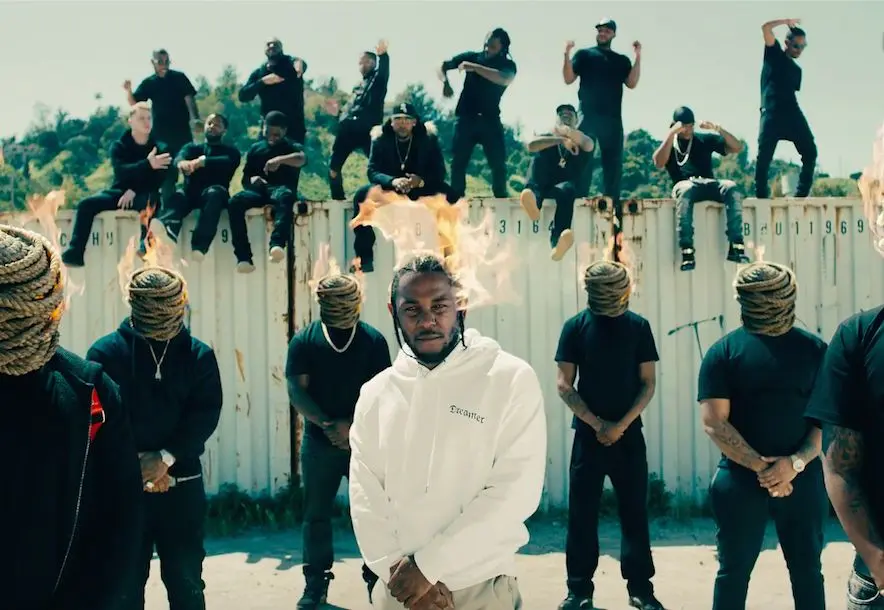
Art Direction Style: High-Contrast and Symbolic
“HUMBLE.” plays with religious imagery, classical art references, and stark lighting. Each frame looks like a carefully composed photograph which emphasizing power, humility and identity.
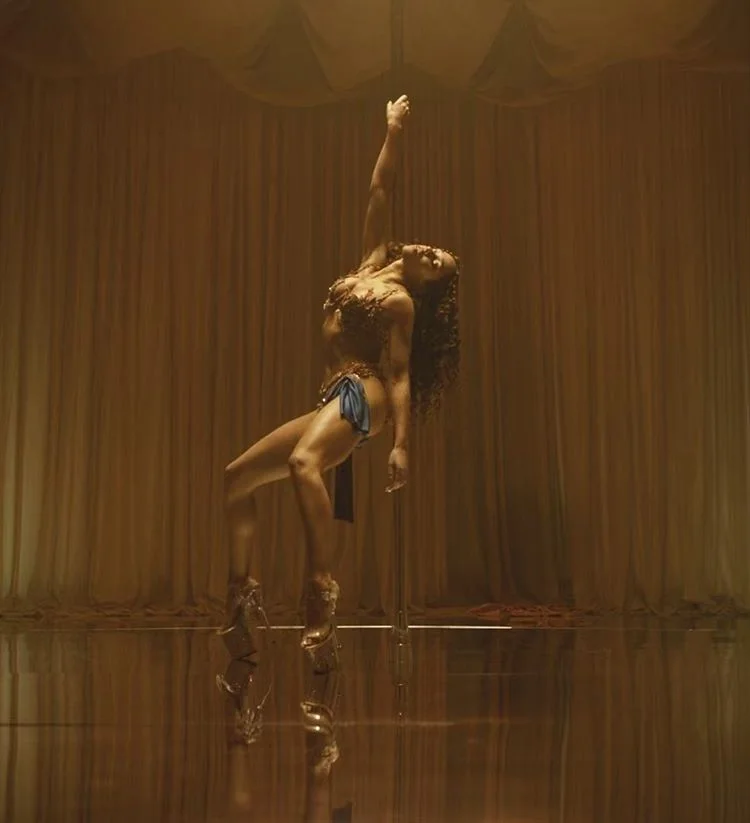
Art Direction Style: Emotional and Performance Art
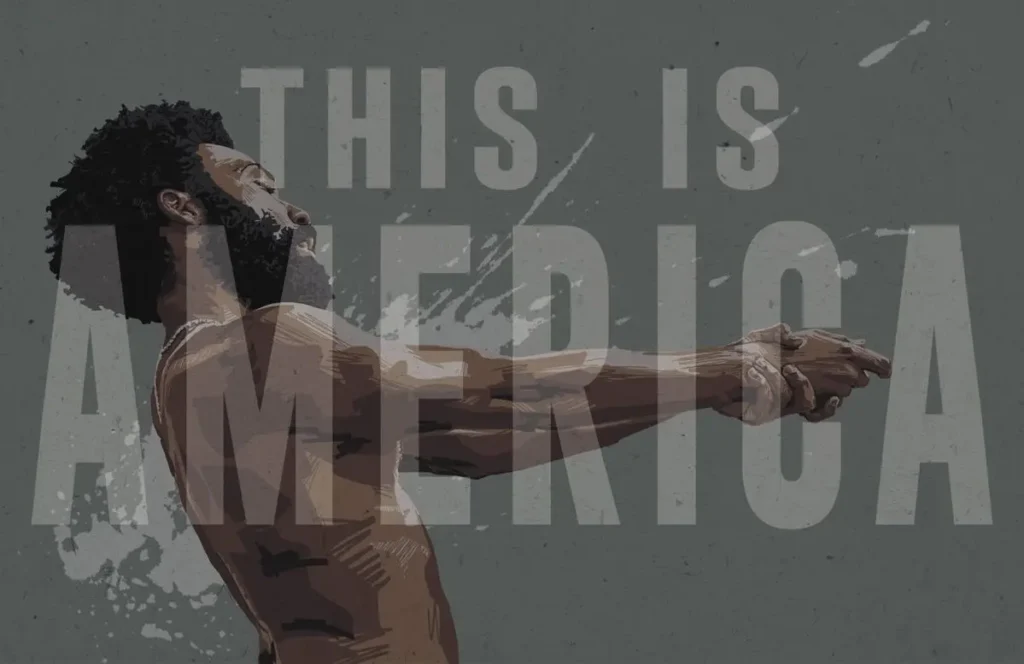
The art direction here supports vulnerability. The minimal stage, controlled lighting, and symbolic elements like the pole and falling moment allow raw emotion to take center stage.
Art Direction Style: Conceptual and Choreography-Based
Vulnerability takes center stage because the setup pushes it forward. A bare space, careful light choices, along with items such as a pole or figure falling, its simplicity became its brilliance.
Art direction is the visual design of a music video which includes sets, colors, costumes and overall style.
Thriller by Michael Jackson is widely known as the most iconic music video of all time.
The Grand Budapest Hotel is a famous example for its detailed sets, colors and visual style.