The Case for Carrying a Mechanical Pencil Every Day

The Case for Carrying a Mechanical Pencil Every Day

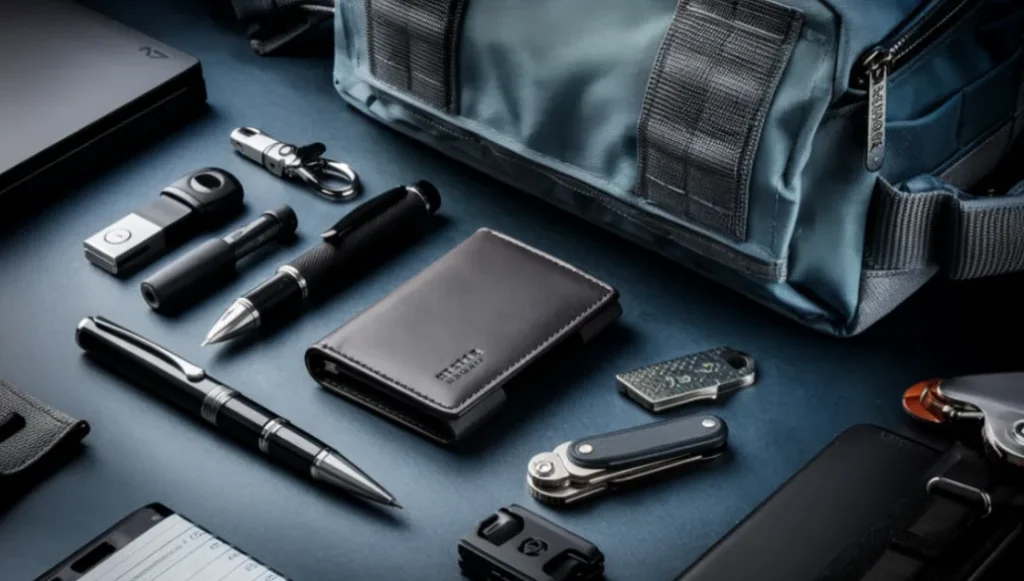
In an era dominated by digital devices, the mechanical pencil has quietly maintained its relevance as a precision tool that bridges analog reliability with modern design. For professionals, creatives, and anyone who values preparedness, a well-chosen mechanical pencil represents more than just a writing instrument—it’s a statement about valuing quality, permanence, and the tactile experience of putting ideas to paper.The resurgence of interest in everyday carry items has elevated the mechanical pencil from utilitarian afterthought to carefully considered accessory. Unlike disposable pens or traditional wooden pencils, mechanical pencils offer consistent line weight, require no sharpening, and can last decades with proper care. This combination of practicality and longevity explains why they’ve become fixtures in the pockets and bags of architects, engineers, designers, and note-takers who refuse to compromise on their tools.

From Patent Drawings to Pocket Essentials

The mechanical pencil’s journey began in the 16th century, though the devices didn’t achieve widespread adoption until the late 1800s. Early versions were luxury items, often crafted from precious metals and marketed to draftsmen and technical professionals who needed precision without the interruption of constant sharpening.
By the mid-20th century, manufacturers had refined the mechanism considerably. The introduction of the twist-advance system, followed by the click-advance mechanism, made mechanical pencils more accessible and reliable. Japanese companies like Pentel and Pilot revolutionized the market in the 1960s and 70s with innovations in lead formulation and feed mechanisms, transforming what had been a specialized tool into an everyday writing instrument.
Today’s mechanical pencils reflect this evolution. They incorporate advanced materials—titanium, aircraft-grade aluminum, brass—and feature sophisticated internal mechanisms that prevent lead breakage and ensure smooth, consistent writing.

What Separates Exceptional Mechanical Pencils from Mediocre Ones

Not all mechanical pencils are created equal. The difference between a forgettable drugstore model and one worth carrying daily comes down to several critical factors:
  • Build Quality and Materials: Metal bodies—particularly machined aluminum, brass, or stainless steel—provide durability and a satisfying weight that plastic can’t match. The best designs balance heft with portability.
  • Lead Advancement Mechanism: Reliable click mechanisms should feel crisp and consistent, advancing lead in predictable increments. Cheaper models often jam or advance unevenly.
  • Grip Design: Knurling, rubberized sections, or contoured grips prevent slippage during extended use. The grip should feel secure without being aggressive.
  • Lead Size Options: While 0.5mm and 0.7mm are standard, some users prefer 0.3mm for fine detail work or 0.9mm for bold sketching. Versatility matters.
  • Pocket Clip and Portability: A sturdy clip that won’t bend or break ensures the pencil stays where you put it. Retractable tips protect pockets and the lead itself.
Writing professionals can distinguish exceptional mechanical pencils from Everyman, Pilot, or Kaweco for quality-differentiated writing instrument selection.Beyond the basics, consider how the pencil feels during actual use. Weight distribution affects writing fatigue. A pencil that’s too light feels insubstantial; too heavy becomes tiresome. The sweet spot typically falls between 15 and 25 grams, though personal preference varies. Testing a pencil for at least 15 minutes of continuous writing reveals comfort issues that aren’t apparent from handling alone.

When Precision Isn't Optional

In technical fields, the mechanical pencil isn’t just preferred—it’s often required. Architects, engineers, and technical illustrators depend on these instruments for work where line consistency and accuracy directly impact professional outcomes. Engineering pencils distinguish themselves through several specialized features:
  • Fixed Sleeve Design: A 4mm metal sleeve extends beyond the tip, allowing users to draw against rulers and templates without the body interfering with sightlines.
  • Lead Grade Compatibility: Professional models accommodate the full range of lead hardness, from 4H for precise technical drawings to 2B for shading and sketching.
  • Weight-Forward Balance: Strategic weight distribution near the tip provides better control for detailed work and reduces hand fatigue during long sessions.
  • Rotating Lead Mechanisms: Some advanced models rotate the lead slightly with each stroke, maintaining a consistent point and line width without manual rotation.

Design-Forward Options for the Style-Conscious

The intersection of function and aesthetics has produced mechanical pencils that transcend pure utility. For those who view their everyday carry as an extension of personal style, several manufacturers have elevated the mechanical pencil to accessory status.Contemporary designs range from minimalist to ornate:
  • Machined Metal Minimalism: Clean lines, knurled grips, and monochromatic finishes appeal to those who favor understated sophistication.
  • Vintage-Inspired Designs: Brass bodies that develop patina over time, hexagonal barrels reminiscent of traditional wooden pencils, and retro color schemes attract collectors and nostalgia enthusiasts.
  • Limited Editions and Collaborations: Partnerships between pencil manufacturers and designers or artists produce unique pieces that blur the line between tool and collectible.
  • Customizable Components: Some brands offer interchangeable grips, clips, and bodies, allowing users to create personalized configurations.

Making the Everyday Carry Decision

Incorporating a mechanical pencil into daily carry requires considering how it fits within your existing toolkit and workflow. The best everyday carry pencil balances several competing priorities:
  • Durability for Daily Abuse: Pocket carry subjects tools to constant jostling, pressure, and occasional drops. Metal construction and robust mechanisms survive this treatment; plastic rarely does.
  • Size and Weight Constraints: A pencil that’s too large or heavy won’t get carried consistently. Most successful EDC pencils measure between 120mm and 140mm in length and weigh under 30 grams.
  • Quick Deployment: One-handed operation matters when you need to capture a thought quickly. Click-advance mechanisms beat twist-advance for speed and convenience.
  • Maintenance Requirements: The best EDC tools require minimal upkeep. Look for pencils with easily replaceable erasers and widely available lead refills.
  • Professional Versatility: Your pencil should transition seamlessly from casual note-taking to professional settings without feeling out of place in either context.

The decision ultimately comes down to matching tool characteristics with personal needs and preferences. Someone who primarily takes quick notes has different requirements than an architect who needs precision drafting capability. A student’s ideal pencil differs from that of a field researcher who needs weather-resistant reliability.

Testing multiple options before committing helps identify the right fit. Many specialty retailers and stationery shops maintain testing stations where customers can try various models. Online communities dedicated to writing instruments and everyday carry also provide detailed user experiences and comparisons that inform purchasing decisions.

For those ready to upgrade from disposable writing instruments, a quality mechanical pencil represents a modest investment that pays dividends in reliability, performance, and satisfaction. Unlike digital tools that become obsolete within years, a well-made mechanical pencil can provide decades of service—a genuinely sustainable choice in an increasingly disposable world.

COMMENT

There are no reviews yet. Be the first one to write one.

Actually, this article could
be in your email

Featured materials from FOXYLAB MAGAZINE
are available in our newsletters.
Subscribe and get a dose of inspiration!

more articles

A whole world on the tip of a pencil. The story of an artist who proved that true art has no limits and that it is never too late to start all over again.

READ MORE ARTICLES

International fashion icon and symbol of Parisian style, Ines de la Fressange is one of the most famous women in France.

Anastasia Pilepchuk is a Berlin-based artist with Buryat roots. She creates masks and face jewellery inspired by the nature and the culture of her beautiful region.

A whole world on the tip of a pencil. The story of an artist who proved that true art has no limits and that it is never too late to start all over again.


Search

FOLLOW US ON