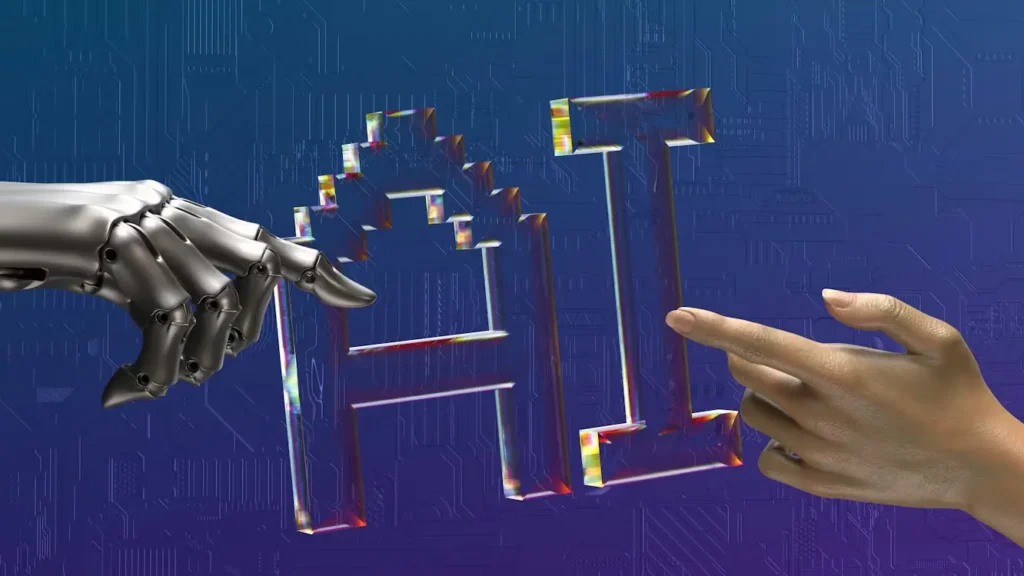
AI generates. Humans create.
AI generates. Humans create.That difference sounds simple. It isn’t. Because outputs can look similar at first glance. A generated image can resemble a painting. A generated text can resemble an essay. But resemblance is not authorship.Creation carries intent. A person chooses what to express and why. That choice connects to memory, culture, identity, and experience. Generation follows patterns. Artists will respond in new ways. Some will reject AI entirely. Others will use it as a rough tool, like a sketchpad. But they will still define the message. They will still carry the meaning.
This is where culture stabilizes. Not in tools. In intention.
Something new is forming. It is not purely human. It is not purely a machine.
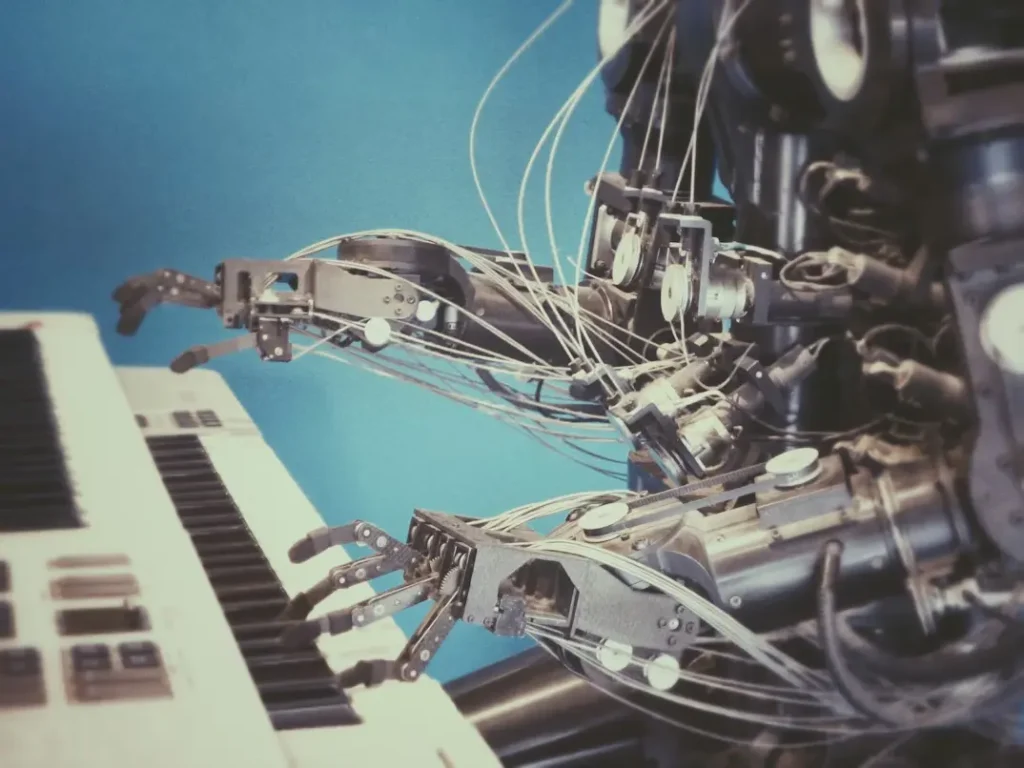
Hybrid workflows will dominate creative industries. Designers will test ideas faster. Writers will outline more quickly. Musicians will experiment with sound layers in seconds. The early phase will look chaotic. Then it will settle.
Speed increases first. Quality improves later.
The classroom is changing. Slowly. But clearly.
If AI can generate essays, then writing assignments must change. Professors already adjust. They ask for reflection. They ask for personal connection. Students feel this shift. Some struggle at first. Then they adapt.
“What did you write?”
to
“How did you think?”
That is a deeper question.
It forces students to engage. To understand. To build arguments, not just present them. It also reduces the value of shortcuts.The next decade will bring more oral exams, project-based work, and collaborative tasks. These formats are harder to fake. They require presence. They require awareness.Students who learn how to think clearly will do well. Those who only rely on tools will fall behind.
There is fear around AI replacing creative jobs. That fear is understandable. But the outcome will be more complex.
Creative roles will divide into two paths.
First path: execution-heavy roles. These may shrink. Tasks that rely on repetition or formatting will be automated faster.
Second path: concept-driven roles. These will grow. Strategy, storytelling, direction, and interpretation will matter more than ever.
Think about design. The tool can generate options. But someone must decide which one fits the message. Someone must understand the audience.
Think about writing. The tool can produce text. But someone must shape the narrative. Someone must decide what matters.
The value moves upward. Toward thinking.
Students should prepare for that shift now.
AI raises questions. Big ones.
Rules will evolve. Slowly. Differently across regions. But conversations will grow louder.
Galleries will change. Exhibitions will change. Digital platforms will expand. But physical spaces will remain important.
Because people want experience. Not just content.
Walking into a gallery feels different from scrolling a feed. It slows time. It creates connection.
Hybrid exhibitions will grow. Digital layers on top of physical installations. Interactive elements. Augmented reality experiences. But the core remains human.The same applies to music, theater, and film. Technology enhances. It does not replace presence. Culture still needs space.
AI will change art and culture. It already has.
But it will not replace human meaning. It cannot. That part remains ours.
The next decade will test how people adapt creatively and ethically. And students sit at the center of that shift.
They learn faster than any generation before them.