Beyond the Size Tag: Styling for Confidence and Recovery

Woman in relaxed denim and neutral top standing naturally, reflecting quiet confidence beyond clothing size

Beyond the Size Tag: Styling for Confidence and Recovery

SHARE THE ARTICLE

You walk into a dressing room, glance at a tag, and suddenly feel judged before trying anything on. But confidence isn’t a number; it’s how clothes feel when you move, breathe, and simply exist.

The Lie of the Perfect Size

We’ve been sold a fairy tale that a single, consistent number exists for each of us, and if we find it, we’ll be happy. Spoiler: that’s marketing, not reality.
  • Sizing varies wildly between brands. A size 8 in one store is a size 12 in another. A “medium” in a vintage tee might swallow you, while a “large” in a fast-fashion blouse fits like a second skin.
  • Your body changes daily: hydration, hormones, bloating, muscle gain, and recovery. That’s not failure. That’s being alive.
  • The number on the tag doesn’t know your story. It doesn’t know how hard you’ve fought to eat a meal without panic, or how many mornings you’ve chosen to show up for yourself anyway.

The Role of Structured Support

Recovering from an eating disorder is not a straight line. Some days you feel strong; others, even looking in a mirror is too much. That’s where structured, compassionate eating disorder care comes in. Whether through a partial hospitalization program (PHP), intensive outpatient program (IOP), or weekly therapy, these settings help you rebuild your relationship with food, body, and self. But what about what you wear while doing that hard work?

  • PHP (Partial Hospitalization): You’re at a treatment center 6–8 hours a day. You need clothes that are soft, non-restrictive, and easy to layer. Think stretchy waistbands, oversized cardigans, and leggings without compression panels. No belts, no buttons that dig.
  • IOP (Intensive Outpatient): You’re living at home but attending therapy several times a week. Your wardrobe should support movement between vulnerability and the outside world. High-rise soft pants, breathable cotton dresses, and zip-up hoodies become armor.
  • General outpatient or aftercare: You’re practicing skills in real life. This is where you experiment with one “joy piece” per week: a bright scarf, a flowy jumpsuit, a chunky knit, without pressure to “look recovered.”

Fabric as a Sensory Anchor

When your mind is spinning with negative body thoughts, your skin can be a grounding tool. The right texture can pull you back into the present moment.
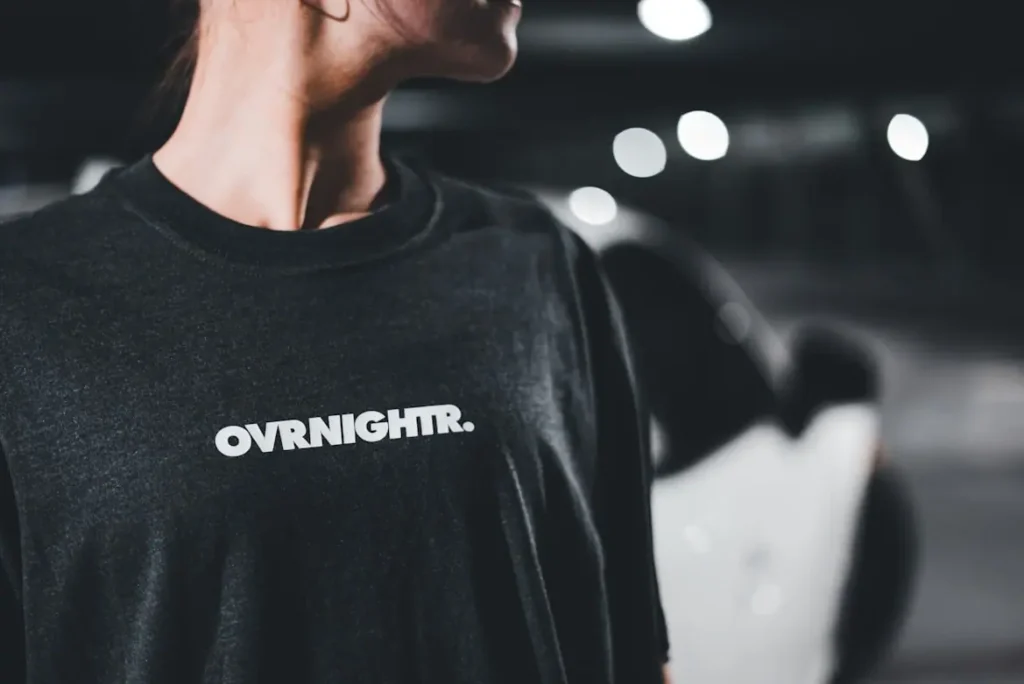
  • Soft and forgiving: Bamboo, modal, cotton jersey, cashmere blends. These drape rather than cling. They don’t shout at you about every curve or angle.
  • Avoid triggers: Stiff denim, unforgiving waistbands, anything labeled “slimming” or “tummy control.” Those phrases are designed to sell insecurity, not comfort.
  • Sensory hack: If a dressing room triggers you, close your eyes and run your hand over the fabric. Ask: Does this feel safe? Does it make me want to exhale? If yes, try it on. If not, put it back.

Layering for Days When You Don’t Want to Be Seen

Let’s be real: some days you wake up and want to disappear. You don’t want to style anything. You don’t want to “celebrate your curves.” You just want to survive. That’s valid. Layering is your secret weapon.
  • Start with a base: Soft tank or t-shirt, no underwire, no tags.
  • Add a middle layer: An open button-down, a long cardigan, a linen duster. This creates vertical lines and movement without hugging.
  • Finish with an outer layer (optional): A structured blazer or denim jacket can actually reduce the focus on your body by creating a new shape; shoulders and hem, not waist and hips.
  • Bottom strategy: High-waisted soft trousers or A-line skirts. They give you room to breathe while covering the belly area if that’s a trigger.
Layering isn’t hiding. It’s choosing how much of yourself you want to share with the world on a given day. That’s called boundary-setting, and it’s a recovery skill.

Reclaiming the Mirror

The final step isn’t about clothes at all. It’s about how you look at yourself when you’re wearing them. Most of us have been trained to scan for flaws.
  • The three-second rule: Look in the mirror for only three seconds. Notice one thing you like. It could be the color, the way the sleeve falls, or simply that you got dressed. Then walk away.
  • The kindness prompt: Before you judge an outfit, ask: Would I say this to a friend who just finished a meal in treatment? If not, don’t say it to yourself.
  • The movement check: Jump lightly, sit down, raise your arms. Does the clothing let you breathe? Can you eat a snack without unbuttoning? Can you bend to pet a dog? Those are the real fit tests.
Recovery isn’t about loving your body every second. It’s about moving from hatred to neutrality, and from neutrality to occasional warmth. Your wardrobe can be a partner in that journey.So next time you shop, walk past the size rack. Run your fingers over the fabric. Close your eyes. And ask only one question: Does this feel like coming home? That’s the only number that matters.

COMMENT

There are no reviews yet. Be the first one to write one.

Actually, this article could
be in your email

Featured materials from FOXYLAB MAGAZINE
are available in our newsletters.
Subscribe and get a dose of inspiration!

more articles

A whole world on the tip of a pencil. The story of an artist who proved that true art has no limits and that it is never too late to start all over again.
READ MORE ARTICLES

International fashion icon and symbol of Parisian style, Ines de la Fressange is one of the most famous women in France.

Anastasia Pilepchuk is a Berlin-based artist with Buryat roots. She creates masks and face jewellery inspired by the nature and the culture of her beautiful region.

A whole world on the tip of a pencil. The story of an artist who proved that true art has no limits and that it is never too late to start all over again.


Search

FOLLOW US ON