The Aesthetic of Safety: Modern Roofing Trends for 2026

The Aesthetic of Safety: Modern Roofing Trends for 2026

SHARE THE ARTICLE

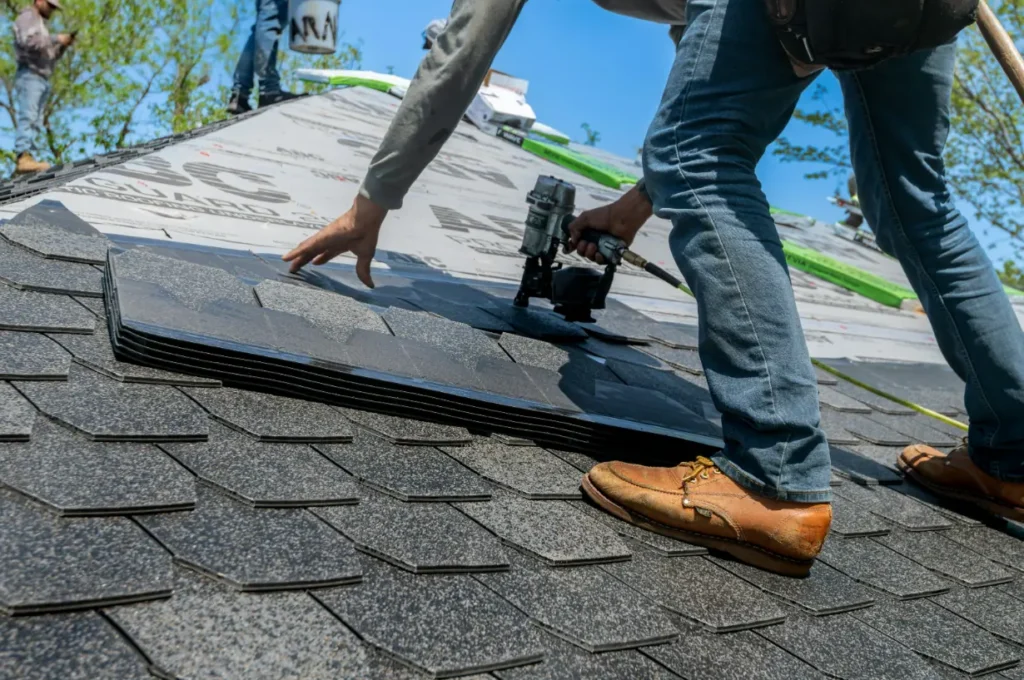
For years, a safe roof meant an ugly one; dull shingles, bare metal. That’s changing. By 2026, roofs will protect like a fortress but feel like home: resilient, warm, and genuinely beautiful.

Biomimetic Textures: When Nature Inspires Protection

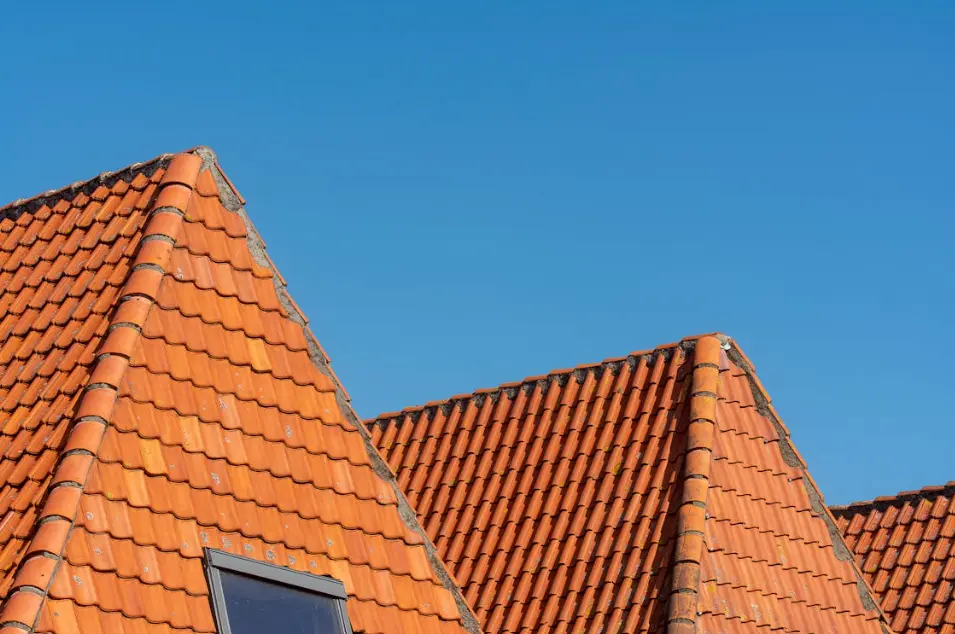
The harshest weather events of recent years have pushed roofing materials to evolve. Instead of bulky, obvious reinforcements, 2026 trends lean into biomimetics, designs modeled on natural forms. Think shingles that mimic overlapping fish scales for wind deflection, or clay tiles shaped like lotus leaves to shed water instantly.
  • Self-cleaning surfaces inspired by shark skin reduce moss and debris buildup, lowering maintenance risks.
  • Layered “feather” profiles on metal roofing break up wind tunnels, preventing uplift during storms while casting attractive shadows.
  • Earthy pigment blends (terracotta, slate green, driftwood gray) help roofs blend into landscapes rather than dominating them.
These textures don’t look “high-tech” at first glance. They look organic, almost ancient. But underneath, they channel aerodynamic principles that keep a roof intact at 140 mph winds. Safety becomes tactile and inviting rather than cold and clinical.

The Quiet Revolution of Fire-Resistant Elegance

Wildfire seasons have rewritten building codes across the West, but the response isn’t ugly. In fact, some of the most striking roofs for 2026 are Class A fire-rated materials that rival traditional slate or cedar in beauty. A smart roofing company will now show clients high-quality roofing solutions, including porcelain stoneware tiles. These are noncombustible, fade-proof, and available in matte finishes that absorb rather than reflect glare.

  • Aluminum shingles embossed with wood grain patterns offer the charm of shaking roofs without the flammability.
  • Basalt fiber composites (lighter than concrete, stronger than asphalt) come in deep charcoal and heather tones that hide soot and ash residue.
  • Ventilation ridges disguised as decorative battens allow embers to be swept away rather than trapped.
The aesthetic shift here is subtle: fire-safe roofs are getting darker, richer, and lower in contrast. Glossy surfaces are out (they show scorch marks). Soft, velvety mattes are in. Safety no longer announces itself with a fire-retardant label; it whispers through texture and tone.

Solar That Disappears

For years, solar panels looked like afterthoughts: blue rectangles bolted onto a perfectly good roof. That visual friction is finally gone. By 2026, integrated photovoltaic (BIPV) systems will have become the standard for new builds and re-roofs alike. The goal is zero visual compromise.
  • Solar shingles that match dimensional asphalt profiles; same thickness, same shadow lines, same nailing pattern.
  • Transparent thin-film coatings are applied over existing clay or concrete tiles, turning the whole roof into a low-profile generator.
  • Color-matched solar laminates in bronze, gray, or burgundy that blend with metal standing seams.
The aesthetic payoff is a roof that looks “normal” from the street but performs like a micro power plant. Safety enters through energy independence; no more downed power lines leaving a house dark and vulnerable. The roof becomes a silent partner in household resilience, and its beauty lies in how little it demands attention.

Cool Roofs That Refuse to Be Clinical

Heat domes and urban warming have made reflective roofing a necessity, not a niche. Early cool roofs, like white membranes and silver coatings, often looked like hospital roofs. The 2026 version is anything but. Advances in pigment technology now allow deep, saturated colors to reflect infrared radiation almost as well as white surfaces.
  • Charcoal black cool roofs that stay 30°F cooler than conventional black asphalt.
  • Forest green and navy blue metal panels with heat-deflecting ceramic granules.
  • Pewter and bronze modified bitumen systems that mimic weathered copper without the heat gain.
These roofs work with architecture instead of against it. A Craftsman bungalow can keep its dark eaves. A modern farmhouse can hold onto its charcoal standing seam. The safety benefit: lower attic temperatures, reduced AC strain, fewer heat-related failures, and arrives invisibly. The homeowner just feels comfortable and never thinks about the science.

Living Roofs with Built-in Fire Breaks

Green roofs have long been loved for insulation and stormwater control, but their reputation for being fire-prone in dry climates has held them back. 2026 solves that with hybrid assemblies. New living roofs combine sedum and drought-tolerant succulents with mineral wool fire barriers and gravel perimeters that act as natural flame breaks.
  • Modular tray systems allow easy replacement of singed patches without stripping the whole roof.
  • Fire-retardant root barriers made from recycled glass foam prevent ember penetration.
  • Low-growing, high-moisture plants like creeping thyme and ice plants that stay green even in drought.
Visually, these roofs read as gardens in the sky, soft, layered, alive. The safety features are literally buried beneath the beauty. From the ground, a home looks like it grew out of a hillside. But the structure underneath is engineered to resist flying embers and smoldering ground fires.

COMMENT

There are no reviews yet. Be the first one to write one.

Actually, this article could
be in your email

Featured materials from FOXYLAB MAGAZINE
are available in our newsletters.
Subscribe and get a dose of inspiration!

more articles

A whole world on the tip of a pencil. The story of an artist who proved that true art has no limits and that it is never too late to start all over again.
READ MORE ARTICLES

International fashion icon and symbol of Parisian style, Ines de la Fressange is one of the most famous women in France.

Anastasia Pilepchuk is a Berlin-based artist with Buryat roots. She creates masks and face jewellery inspired by the nature and the culture of her beautiful region.

A whole world on the tip of a pencil. The story of an artist who proved that true art has no limits and that it is never too late to start all over again.


Search

FOLLOW US ON