A Step-by-Step Guide to Moving with a Lot of Clothes

A Step-by-Step Guide to Moving with a Lot of Clothes

SHARE THE ARTICLE

Moving a huge wardrobe is its own special headache. Bulging boxes, lost hangers, chaos. But with smart editing and packing, even a serious clothes collection can move smoothly.

Edit Before the Boxes Arrive

Before a single packing tape roll is unsealed, the closet needs an honest conversation. Moving presents the perfect excuse to part with pieces that have been lingering out of guilt or vague hope. A heavy collection means higher transport costs and more physical labor, so every item should earn its spot on the truck.
  • The three-pile system: Create zones for “Keep,” “Donate/Sell,” and “Toss/Recycle.” Be ruthless with worn-out soles, stained silks, and anything not worn in two years.
  • Seasonal reality check: Moving from Minnesota to Arizona? The heavy shearling collection may need drastic trimming. Conversely, a relocation to the Northeast demands real winter gear, not just light cardigans.
  • Sell high-value pieces quickly: Use consignment apps or local buy/sell groups for designer items or leather goods. List them at least three weeks before moving day.

Strategic Sorting and Specialist Transport Decisions

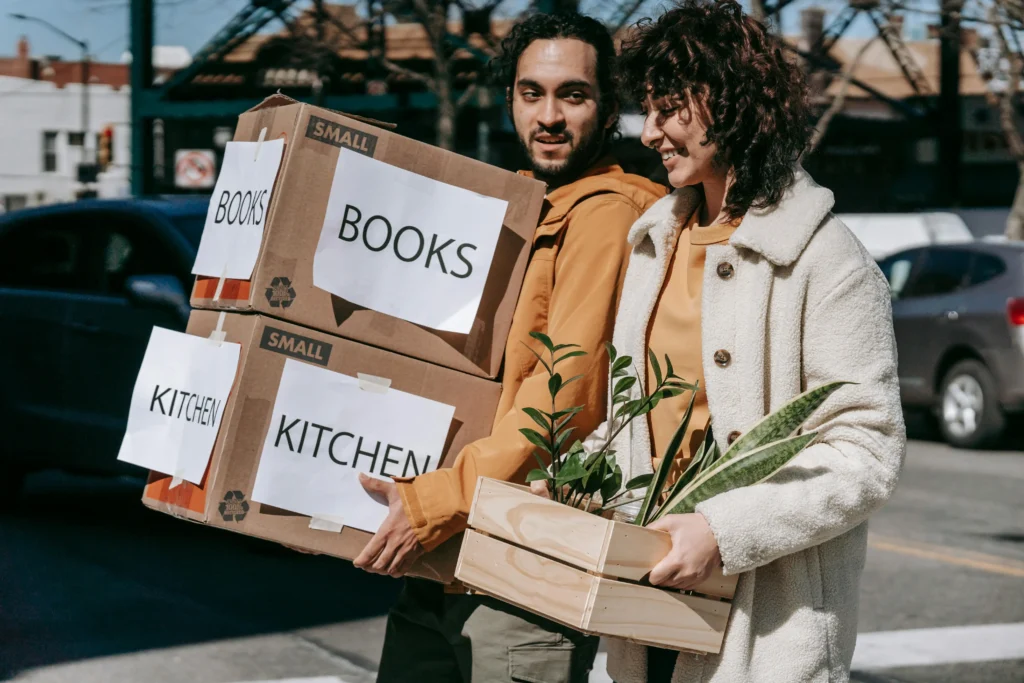
Once the keep pile is finalized, the next step is deciding how each category travels. Everyday clothes can ride in suitcases or basic boxes, but a serious collection, think couture gowns, tailored suits, vintage furs, or a hundred pairs of leather shoes, deserves a tailored plan. For cross-border or overseas moves, using an international moving company can provide climate-controlled containers and wardrobe-specific crates that prevent mildew, creasing, and pest damage. Do not assume a standard cardboard box is enough for a silk wedding dress or a cashmere overcoat.
  • Separate by vulnerability: Everyday denim and t-shirts can be folded tightly. Delicate beading, wool suits, and structured blazers should hang or lie flat.
  • Vacuum sealing for volume: Bulky sweaters, down jackets, and fleece pajamas shrink dramatically in vacuum bags. This saves space and money, but avoid using vacuum bags on natural fibers like cashmere for long-term storage (they need to breathe).
  • Footwear strategy: Stuff shoes with acid-free tissue paper to hold shape, then wrap each pair individually. Boots should be laid flat or stuffed so the shafts do not crease.

Packing Techniques That Prevent a Textile Disaster

Folding haphazardly and tossing into a box leads to crushed sleeves, lost buttons, and a miserable unpacking experience. Professional movers who handle costume collections or high-end retail rely on a few simple but effective methods. The goal is to minimize friction, moisture, and weight pressure.
  • The file fold for drawers: Fold t-shirts, jeans, and leggings into uniform rectangles and stand them on edge inside a box, like files in a cabinet. This allows seeing every piece at a glance during unpacking.
  • Box-in-box for accessories: Belts, scarves, and ties go into small, sealable bags (gallon zipper bags work well), then into a larger box labeled “Accessories.” This prevents tangling.
  • Hanging clothes in wardrobe boxes: Rent or purchase tall wardrobe boxes with a metal hanging bar. Transfer entire racks of clothes directly from the closet onto the bar, hangers and all. Seal the box, and the clothes arrive unwrinkled.
  • Layering with clean packing paper: Between each layer of folded clothes, add a sheet of unprinted packing paper (never newspaper, which bleeds ink). This reduces shifting and absorbs minor moisture.

Managing Shoes, Bags, and Odd-Shaped Items

Shoes and handbags are the troublemakers of any move. They do not stack neatly, they scuff easily, and they take up disproportionate space. A dedicated system keeps them from destroying the rest of the wardrobe and from destroying each other.
  • Shoe bags or shower caps: Wrap each shoe individually in a cloth shoe bag or a cheap disposable shower cap (the elastic holds it in place). Stack them heel-to-toe in a reinforced box.
  • Handbags stuffed and wrapped: Stuff leather handbags with bubble wrap or acid-free tissue to maintain shape. Wrap each bag in a pillowcase or soft cloth, then place it in a box with no heavy items on top.
  • Hats in inverted stacks: For casual hats like baseball caps, stack them inside each other. For structured hats (fedoras, cowboy hats), place each in its own hat box or a large, clean trash bag inflated slightly to hold shape.

Unpacking and Re-establishing the Closet System

The move is not finished when the last box crosses the threshold. Unpacking a massive wardrobe without a plan leads to piles of clothes on the bedroom floor for weeks. A systematic unpack ensures the new closet functions from day one.
  • First, set up the hanging infrastructure: Install rods, shelves, and hooks in the new closet before opening a single wardrobe box. Have velvet hangers, belt racks, and shoe shelves ready.
  • Open wardrobe boxes first: Hang items immediately to let wrinkles fall out. Steam or dry-clean anything that looks compressed.
  • Unpack by category, not by box: Pull out all t-shirts, then all pants, then all dresses. Sort as unpacking, so the closet ends up organized rather than random.
A heavy wardrobe doesn’t have to mean a heavy move. Edit hard, pack smart, and label clearly. Arriving with clothes intact and organized turns a chaotic relocation into a fresh start for the closet.

COMMENT

There are no reviews yet. Be the first one to write one.

Actually, this article could
be in your email

Featured materials from FOXYLAB MAGAZINE
are available in our newsletters.
Subscribe and get a dose of inspiration!

more articles

A whole world on the tip of a pencil. The story of an artist who proved that true art has no limits and that it is never too late to start all over again.

READ MORE ARTICLES

International fashion icon and symbol of Parisian style, Ines de la Fressange is one of the most famous women in France.

Anastasia Pilepchuk is a Berlin-based artist with Buryat roots. She creates masks and face jewellery inspired by the nature and the culture of her beautiful region.

A whole world on the tip of a pencil. The story of an artist who proved that true art has no limits and that it is never too late to start all over again.


Search

FOLLOW US ON