From Slopes to Salon: Recovery and Beauty Habits for Active Women

active woman snowboarding during winter sports adventure

From Slopes to Salon: Recovery and Beauty Habits for Active Women

Modern beauty routines are no longer limited to skincare products and salon treatments. Increasingly, wellness, physical activity, and recovery practices are becoming an essential part of how people care for their appearance and overall wellbeing.For women who lead active lifestyles, whether that means skiing, snowboarding, fitness training, or outdoor adventures, self-care extends far beyond makeup or hair styling. Physical recovery, circulation, and muscle relaxation all play a role in helping the body feel balanced and energized.This connection between activity and beauty is especially noticeable during the winter season, when outdoor sports like snowboarding attract thousands of enthusiasts looking to enjoy the mountains while maintaining healthy routines.

The Rise of the Active Beauty Lifestyle

In recent years, the concept of “active beauty” has gained popularity. Rather than focusing solely on cosmetics, people are embracing holistic routines that support both physical performance and personal appearance.After long days spent outdoors, the body often needs time to recover. Muscles become fatigued, circulation may slow due to cold temperatures, and the skin can experience dryness or irritation from wind exposure.Because of this, many individuals build recovery practices into their beauty routines. Gentle stretching, hydration, and circulation support can all contribute to how the body looks and feels after physical activity.This shift reflects a broader wellness trend: beauty is increasingly viewed as the result of balanced health rather than quick cosmetic fixes.

Winter Sports and Physical Recovery

Snowboarding is one of the most physically demanding winter sports. Riders rely heavily on their legs, core muscles, and balance while navigating slopes for hours at a time.Cold weather conditions also affect the body in unique ways. Lower temperatures cause blood vessels to constrict, which can temporarily reduce circulation in the feet and lower legs. Combined with the pressure from snowboard boots, this can sometimes lead to fatigue or muscle tightness.For this reason, many snowboarders prioritize recovery techniques that help maintain circulation and support muscle comfort during and after their time on the slopes.One option athletes often consider is wearing compression socks for snowboarding, which are designed to support circulation and reduce muscle fatigue during physically demanding winter activities.By promoting healthy blood flow and providing gentle pressure along the lower leg, compression socks can help riders stay comfortable while spending extended periods in snowboard boots.

Circulation and Its Impact on Wellness

Circulation plays a key role in how the body functions during both activity and recovery. Healthy blood flow delivers oxygen and nutrients to muscles while helping remove metabolic waste produced during physical exertion.When circulation is supported, the body tends to recover more efficiently from exercise and environmental stress.According to guidance from the American College of Sports Medicine, proper circulation and recovery strategies are essential for athletes participating in endurance or high-impact activities. These strategies help reduce muscle fatigue and support overall performance.For winter sports enthusiasts, maintaining circulation is especially important because cold temperatures can slow the body’s natural recovery processes.Incorporating supportive gear and recovery techniques can help counteract these effects.
Self-Care After a Day on the Slopes

After an active day outdoors, the body benefits from intentional recovery habits. These routines not only help reduce soreness but also contribute to overall relaxation.Many athletes adopt simple post-activity rituals that allow the body to unwind.

Warm Showers and Muscle Relaxation

Heat therapy helps muscles release tension built up during physical activity. A warm shower or bath can improve circulation while soothing fatigued muscles.

Hydration and Skin Care

Cold weather often leads to dehydration, even when individuals do not feel particularly thirsty. Drinking water and using nourishing skincare products help restore moisture lost during outdoor exposure.

Gentle Stretching

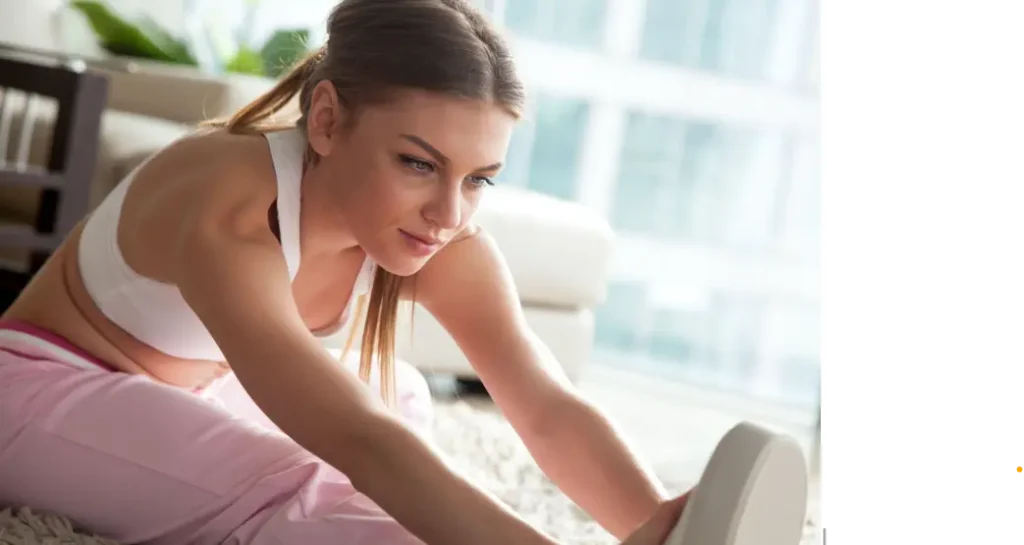
Stretching helps maintain flexibility and prevents stiffness after long hours of physical exertion.Together, these practices create a recovery routine that supports both physical comfort and overall wellness.

Beauty Beyond Cosmetics

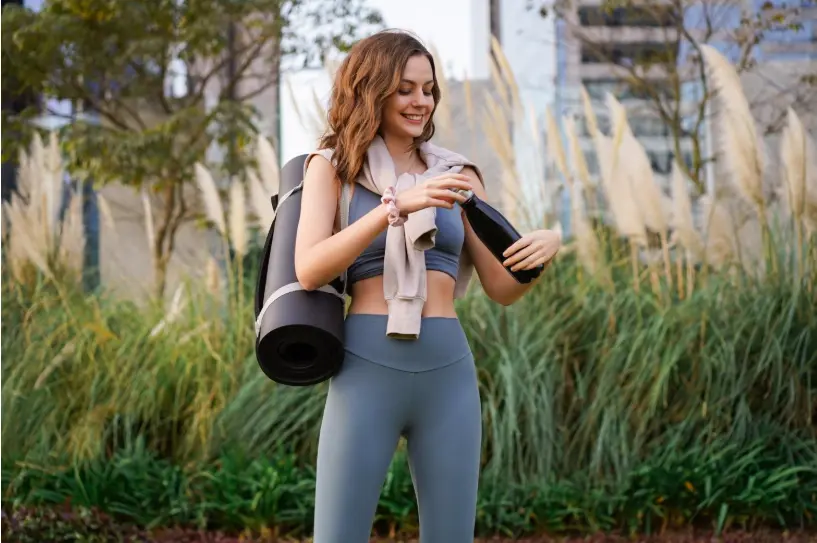
Image By haritanita on Freepik

The relationship between physical wellness and beauty continues to evolve. Rather than focusing exclusively on cosmetic treatments, many people now approach beauty through a broader lens.Healthy circulation, balanced nutrition, physical activity, and restorative rest all contribute to how individuals feel and present themselves.This perspective aligns with the growing popularity of wellness-oriented beauty services. Many salon clients now seek treatments that complement active lifestyles, such as lash extensions that simplify daily makeup routines or skincare services that help repair environmental stress.When wellness and beauty routines work together, the results often feel more natural and sustainable.

Balancing Activity and Relaxation

While physical activity is important, balance remains essential. Recovery time allows the body to adapt and rebuild after demanding experiences.For those who enjoy winter sports, alternating days of activity with relaxation can help prevent overuse injuries and maintain energy levels throughout the season.Recovery practices such as massage, stretching, and supportive apparel contribute to this balance, allowing individuals to enjoy outdoor adventures without compromising their wellbeing.

A Modern Approach to Self-Care

Today’s self-care routines reflect a deeper understanding of how the body functions. Rather than treating beauty and wellness as separate categories, many people now integrate them into a single lifestyle philosophy.Whether someone spends weekends snowboarding, attending fitness classes, or simply exploring the outdoors, recovery habits can support both physical health and personal confidence.By paying attention to circulation, hydration, and relaxation, individuals create routines that help them feel refreshed, energized, and ready for whatever adventure comes next.And in the end, that balance, between activity, recovery, and personal care, is what modern beauty is truly about.

COMMENT

There are no reviews yet. Be the first one to write one.

Actually, this article could
be in your email

Featured materials from FOXYLAB MAGAZINE
are available in our newsletters.
Subscribe and get a dose of inspiration!

more articles

A whole world on the tip of a pencil. The story of an artist who proved that true art has no limits and that it is never too late to start all over again.

READ MORE ARTICLES

International fashion icon and symbol of Parisian style, Ines de la Fressange is one of the most famous women in France.

Anastasia Pilepchuk is a Berlin-based artist with Buryat roots. She creates masks and face jewellery inspired by the nature and the culture of her beautiful region.

A whole world on the tip of a pencil. The story of an artist who proved that true art has no limits and that it is never too late to start all over again.


Search

FOLLOW US ON