Free shipping on all US orders
10% OF OUR PROFIT GOES TO KIDS’N’CULTURE NON-PROFIT ORGANIZATION
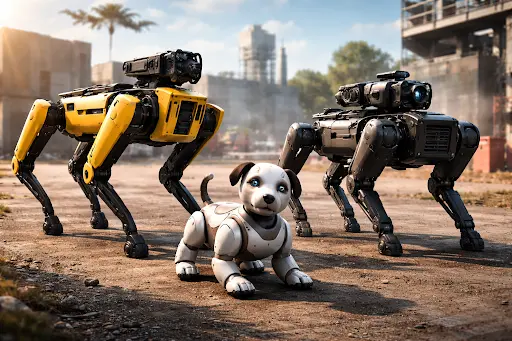
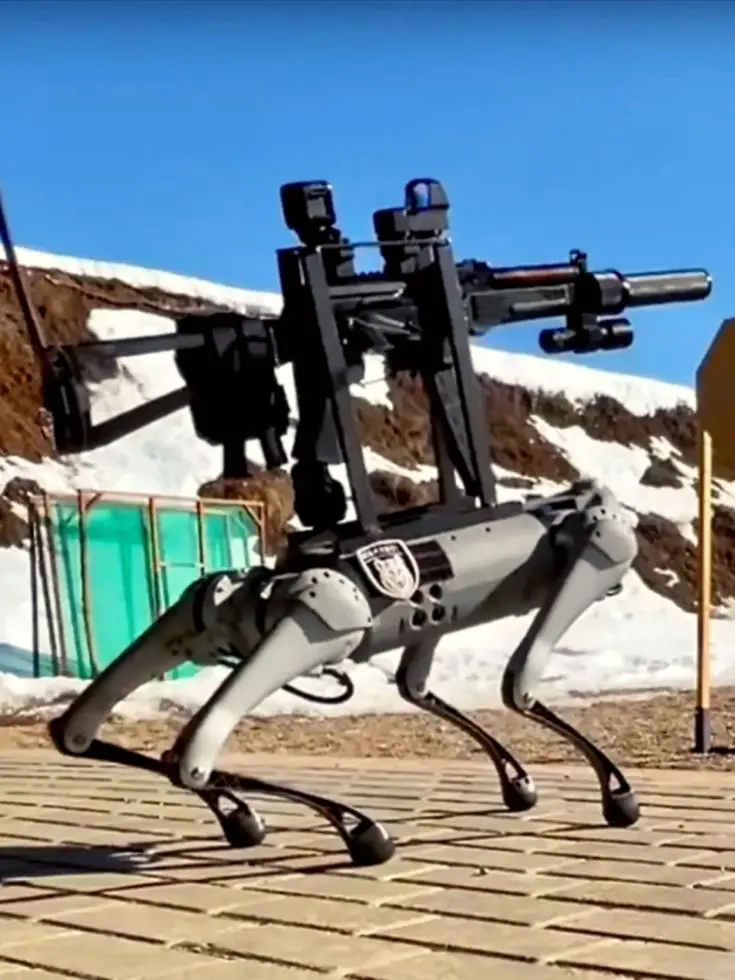
A robot dog is basically a machine that has formed the shape of a dog and has incorporated electronic technologies such as artificial intelligence, sensors and robotics to imitate a real dog. The robot dog is therefore able to ‘walk’ and ‘run’ along with ‘climbing stairs’ and the possibility of it ‘interacting’ with humans is included.
There are many companies and research organizations that are developing Robot Dogs for a wide variety of uses. These may include security, search and rescue, scientific, entertainment and as a toy/hobby. One example of a realistic Robot Dog is called a Spot robot by the company Boston Dynamics. Let’s check more deeply:
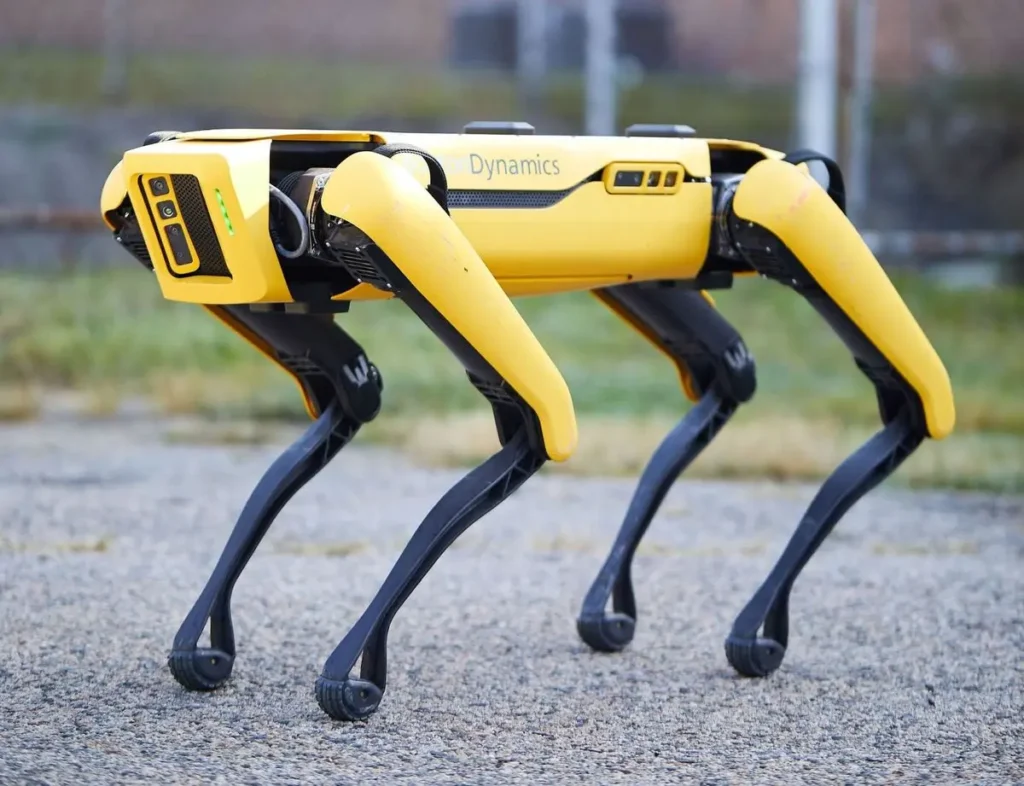
The popular robot dog that everyone has been hearing and talking about is called “Spot” and it was designed and developed by Boston Dynamics in the United States. This robot dog weighs around 33 kilograms (about 74 pounds) and is designed mainly for industrial and commercial use. Spot works using a combination of cameras, sensors, electric motors, and advanced Artificial Intelligence software that allows it to navigate difficult environments.
In addition to its unique and fascinating design, it is also used a great deal in various sectors such as construction sites, factories and power plants due to its ease of movement on the ground. Spot operates on a rechargeable battery that usually lasts around 90 minutes. Companies and research organizations can purchase it directly from Boston Dynamics’ official website, and the price generally starts at around $70,000 or more, depending on additional equipment.
The company has made these robot dogs with cameras, sensors and navigation technology that enables it to traverse stairways, climb inclines and withstand varying terrain. and avoid obstacles using its 360-degree vision system. The device can carry a wide range of field devices including scanners and cameras, to map dangerous environments that are difficult for humans. Because of the massive capabilities of this robot, it is often used for industrial inspection tasks, as a security device that performs patrols and scientific research.
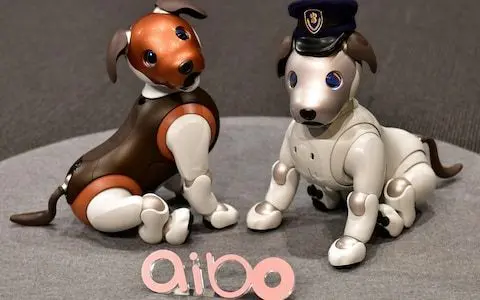
The Sony Aibo is a popular robotic pet created by the Japanese technology company Sony. The robot weighs approximately 2.2 kilograms (about 4.8 pounds). Unlike industrial robot dogs, Aibo is intended mainly for domestic use as a robot pet. With Artificial Intelligence Aibo can identify faces, understand voice commands and interact with its owner.
Aibo can be purchased through Sony’s official online store or electronics retailers, and its price usually ranges around $2,900 to $3,000 depending on the region and subscription services. Through interaction on a daily basis, Aibo gradually develops its own character and learns the way of life of its master.
Aibo can play numerous games, detect emotions of its master, and remember people it has ever met. Among all the skills mentioned above, Aibo is undoubtedly one of the most advanced examples of an AI-powered digital robot in the form of a digital pet.
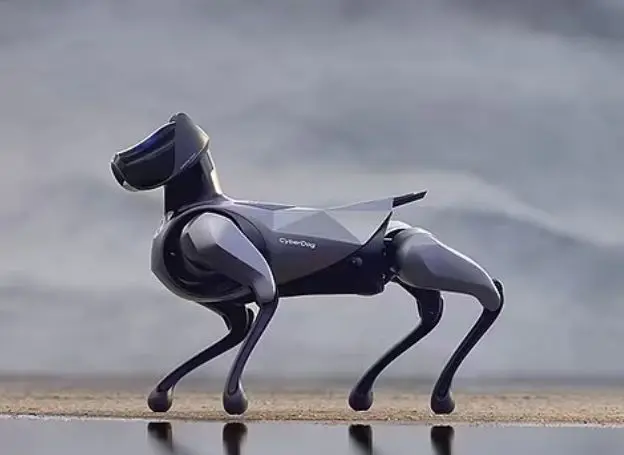
Another modern robot dog is Xiaomi CyberDog which was introduced by a Chinese electronics company. It weighs about 14 kilograms (around 30 pounds) and was created mainly as an open-source robotics platform for developers and engineers.The newer model, CyberDog 2, weighs about 8.9 kg (around 19.6 pounds) and is designed with a biomimetic structure similar to a small real dog.
This Robot Dog uses cameras, sensors and advanced AI algorithms to enable face recognition, obstacle avoidance and follow its owner. CyberDog is capable of quick actions including running, jumping and fast turning back. It is widely used in robotics development and AI technology experiments.
You can buy through Xiaomi’s official developer programs, robotics distributors or research suppliers or some online technology marketplaces that sell robotics equipment. The price generally starts from about $3,000–$4,000, depending on the version and accessories.
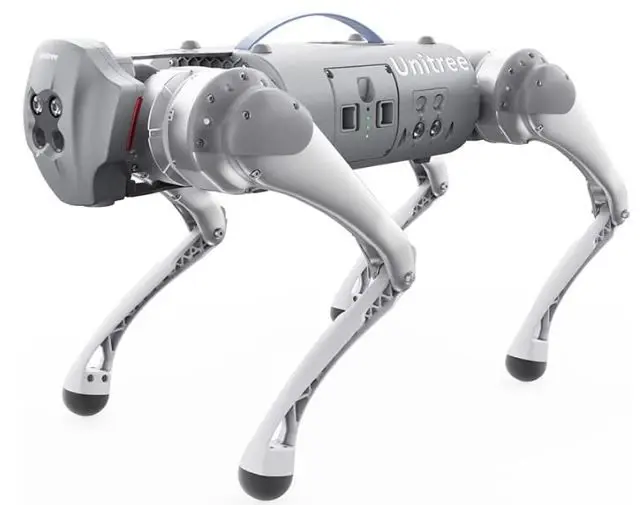
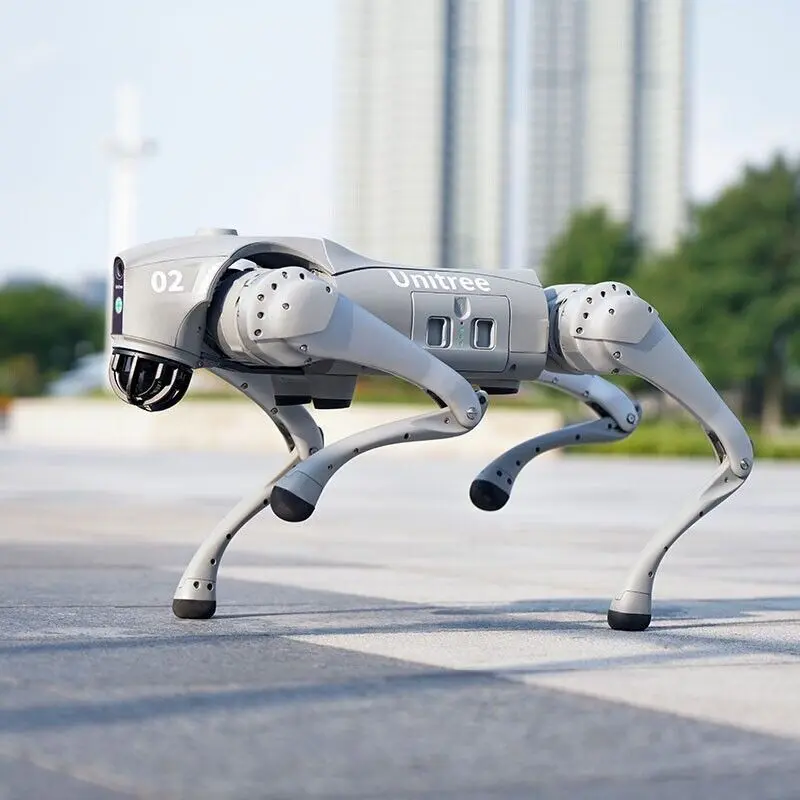
The Unitree Go1 is a fast and intelligent quadruped robot developed by Unitree Robotics in China. This robot dog weighs about 12 kilograms (around 26 pounds) and is known for its impressive mobility and speed. It can run up to 17 kilometers per hour, making it one of the fastest consumer robot dogs available.
The Go1 robot dog can run fast, balance itself and move on diverse grounds like grass, sand and rocks. It is also equipped with cameras and a large number of environmental sensors, which allow it to detect and avoid objects in self-driving mode.
As a result, it is commonly used in robotics labs, for teaching and even for AI research and development. The Unitree Go1 can be purchased from the company’s official website or robotics distributors, with prices starting from approximately $2,700, depending on the model.
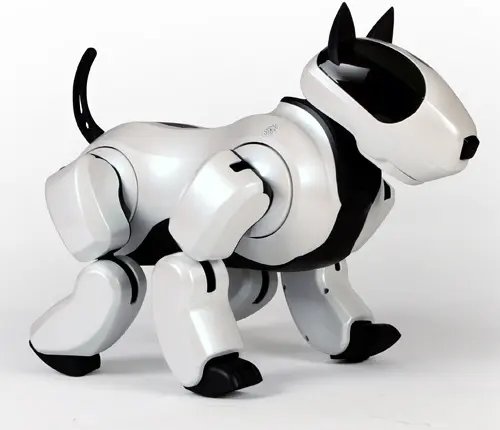
Genibo is an AI robotic dog developed by the South Korean company Dasarobot. Genibo weighs around 5 to 6 kilograms depending on the version and was designed to behave similarly to a real pet. The Canine robot is a high-tech digital pet and is intended to work like a real dog and interact with humans.
The robot was originally released to the public for about $1,500, although some newer or specialized versions can be sold for around $1,800 depending on the retailer. This robot dog can interpret a variety of voice commands and has many possible reactions (such as running, waving etc.) including response capabilities.
It uses sensors and cameras in order to “see” the environment and to be able to avoid colliding with objects. Genibo can display positive emotions such as joy and amazement, which together with other functions make Genibo a very friendly companion robot.
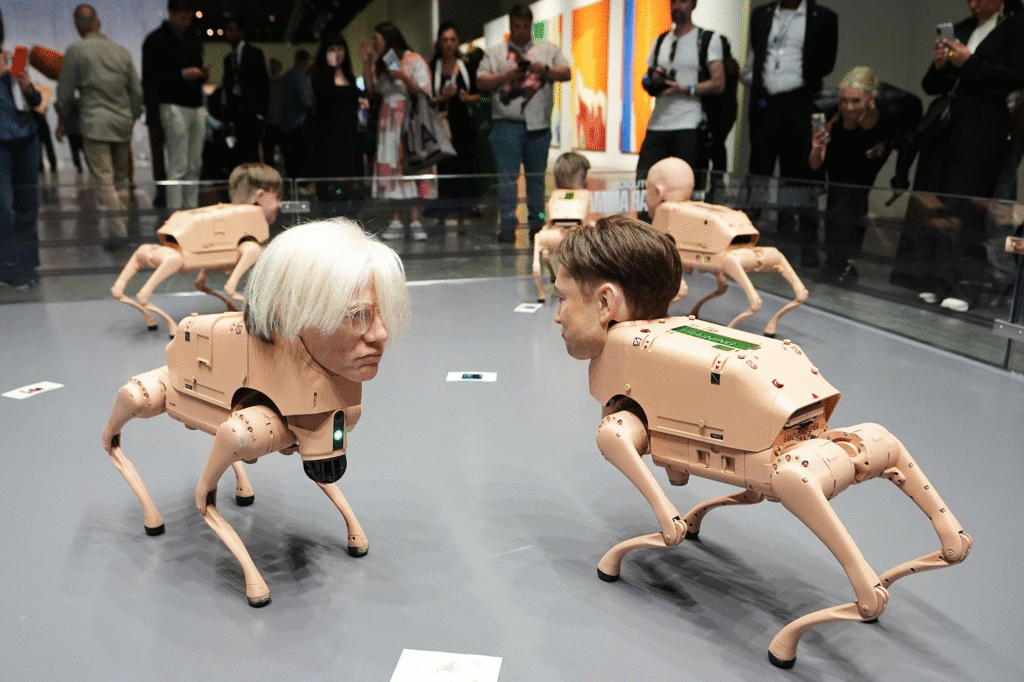
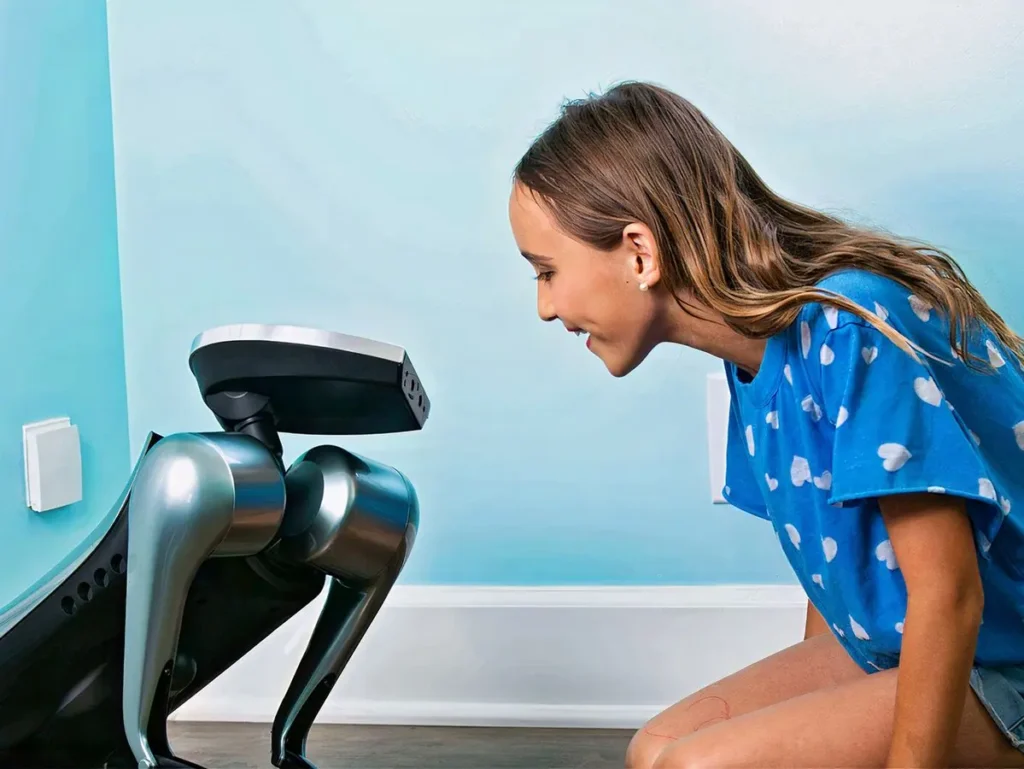
The Beepie robot dog is a small companion robot developed by Yukai Engineering. It is designed to be lightweight and portable so it can easily interact with people in homes or offices. While the company has not publicly confirmed an exact commercial specification for weight, companion robots of this type are usually lightweight (around 1–2 kg) so they can move safely and comfortably around users.
One of the most unique features of Beepie is its human-like digital face, which appears on a small screen. This animated face can show different expressions such as happiness, curiosity, or surprise, helping the robot communicate emotions and respond to users naturally. The robot uses technologies like Artificial Intelligence, sensors, and voice recognition to understand commands, react to sounds and interact with people.
Beepie is a robot designed to be a friend and entertain people, especially those who can’t have real pets. Its face is really good at showing emotions, which makes it feel more like a real companion. This is great for kids, older people, or those who live by themselves. Beepie is not just a fun robot; it also teaches people about modern robotics in a way that’s easy to understand and fun.
AI companion robots typically range between $200 and $1,000 depending on features and production version. Beepie is usually showcased in robotics exhibitions and technology demonstrations, and when available, it would typically be purchased through the developer’s official store or robotics distributors.
There are no reviews yet. Be the first one to write one.

A whole world on the tip of a pencil. The story of an artist who proved that true art has no limits and that it is never too late to start all over again.

International fashion icon and symbol of Parisian style, Ines de la Fressange is one of the most famous women in France.

Anastasia Pilepchuk is a Berlin-based artist with Buryat roots. She creates masks and face jewellery inspired by the nature and the culture of her beautiful region.

A whole world on the tip of a pencil. The story of an artist who proved that true art has no limits and that it is never too late to start all over again.