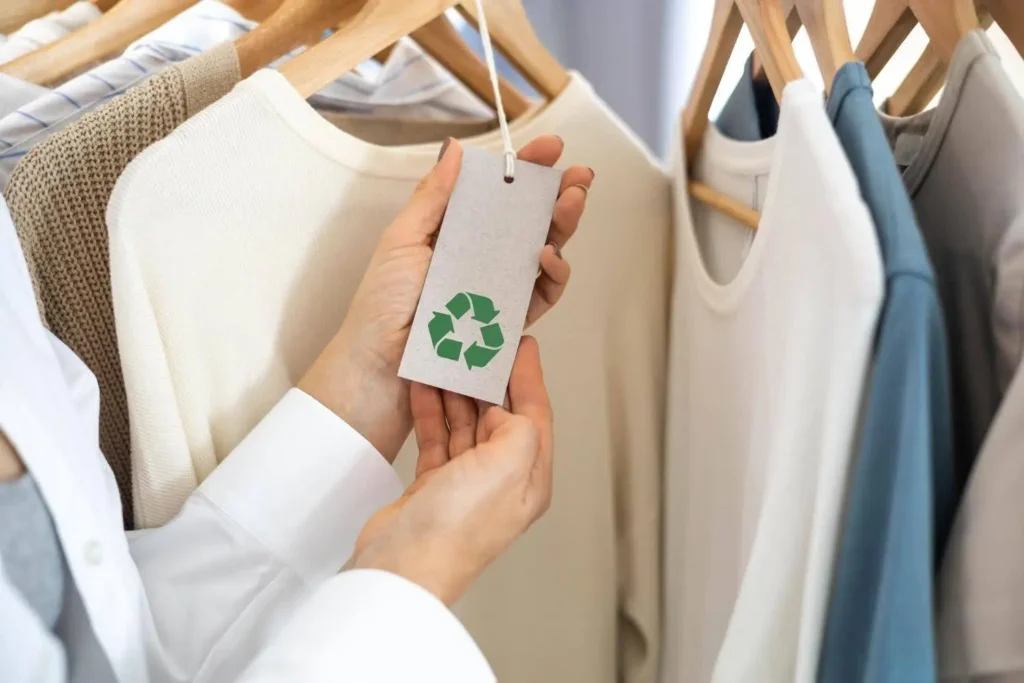
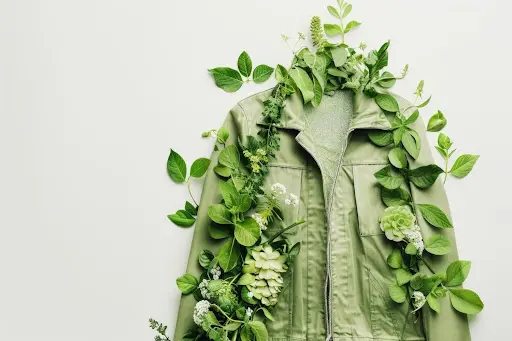
Fashion is undergoing a quiet but powerful transformation. For decades, the industry has been driven by speed, volume, and constant reinvention, cycles that encouraged consumers to buy more, wear less, and discard quickly. Today, however, a growing awareness of environmental impact is reshaping how both brands and shoppers approach clothing. Circular fashion, once a niche concept, is steadily becoming a defining force in modern style.At its core, circular fashion challenges the idea of clothing as disposable. Instead, it promotes longevity, reuse, and thoughtful consumption. This shift is not only changing how garments are produced but also how they are valued, worn, and passed on.
Traditional fashion models have long revolved around ownership: you buy an item, use it, and eventually replace it. Circular fashion introduces a different perspective, one where clothing exists within a lifecycle that extends beyond a single owner.This mindset encourages practices such as resale, repair, rental, and upcycling. Consumers are no longer simply buyers; they are participants in a broader system that prioritizes sustainability. A dress, for example, may be worn by multiple individuals over several years, maintaining its relevance and reducing waste.This evolving relationship with clothing reflects a deeper cultural shift. Shoppers are becoming more intentional, asking questions about where items come from, how they are made, and what happens after they are no longer needed.
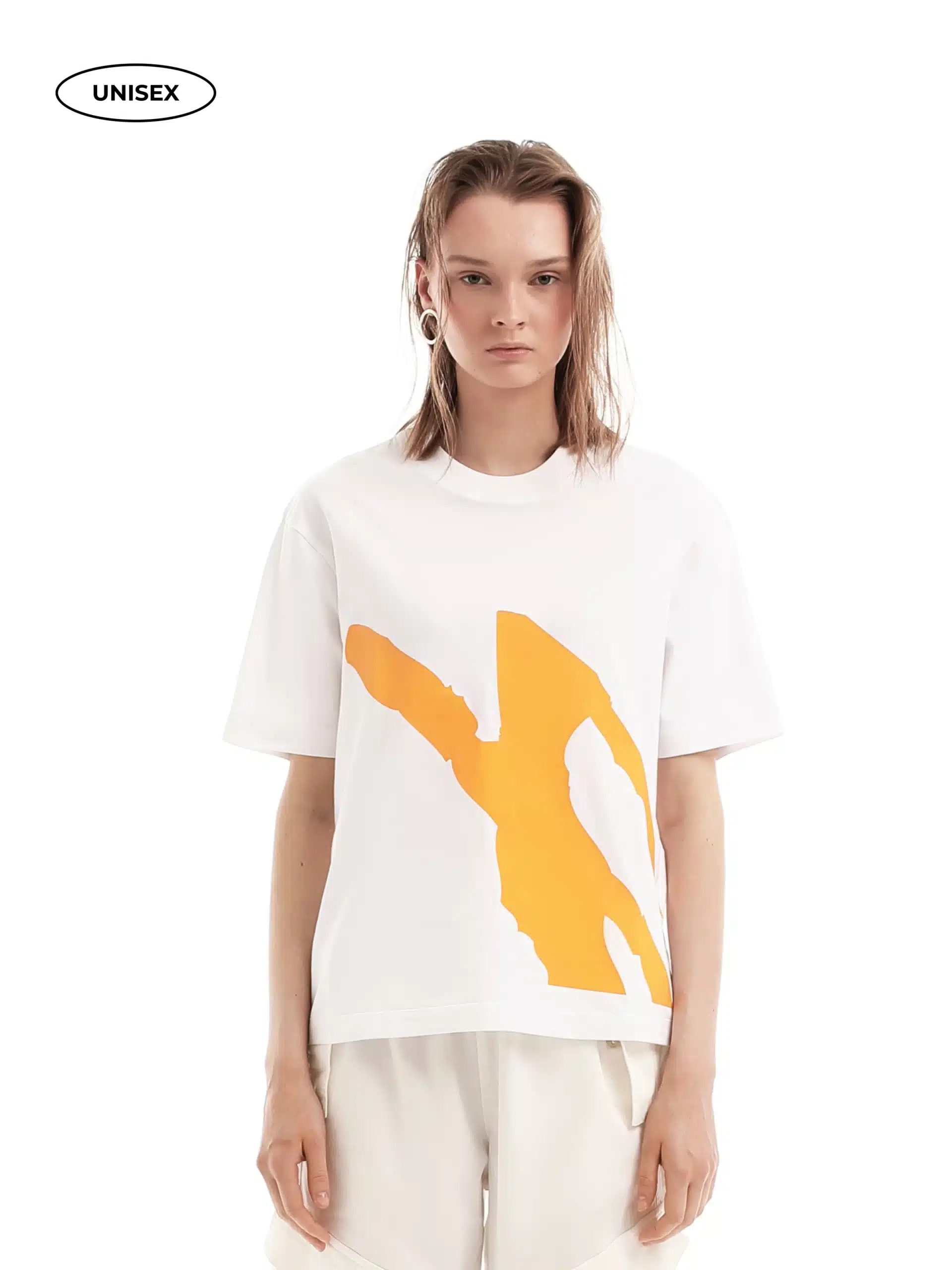
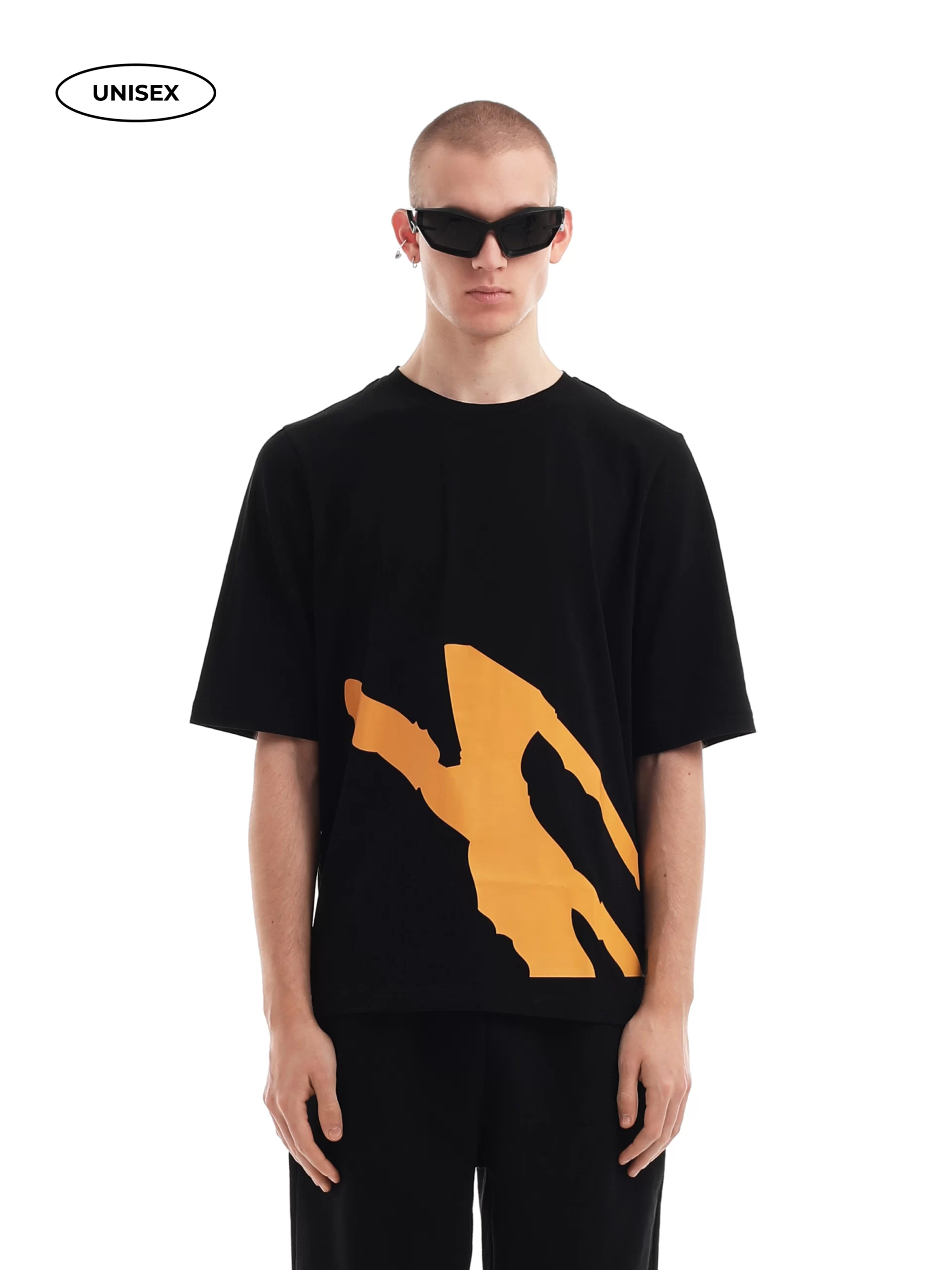
These types of solutions demonstrate that circular fashion is not limited to high-end or experimental brands. It can be integrated into everyday retail experiences, making sustainability a practical choice rather than an abstract ideal.
While brands play a crucial role, the success of circular fashion ultimately depends on consumer behavior. The growing popularity of secondhand shopping, clothing swaps, and repair services reflects a willingness to embrace new habits.Shoppers are increasingly prioritizing quality over quantity. Instead of buying multiple low-cost items, they are investing in pieces designed to last. This shift not only reduces waste but also changes the emotional relationship people have with their wardrobes. Clothing becomes something to care for, maintain, and even share, rather than something easily discarded.
Digital platforms have also made it easier to participate in circular fashion. Online resale marketplaces, peer-to-peer exchanges, and curated secondhand collections have removed many of the barriers that once limited adoption. What was once considered inconvenient or niche is now part of mainstream shopping behavior.
For the industry, this data reinforces the need for accountability. Sustainability is no longer a secondary consideration; it is becoming a central expectation. Brands that fail to adapt risk losing relevance in a market increasingly shaped by environmental awareness.
One of the most important aspects of circular fashion lies in design. Creating garments that can withstand repeated use, maintain their quality, and remain stylistically relevant over time is essential to extending their lifecycle.This often involves rethinking materials, construction techniques, and even aesthetic choices. Neutral palettes, versatile silhouettes, and durable fabrics are gaining prominence as brands move away from trend-driven production. The goal is to create pieces that people will want to wear for years, not just seasons.Designing for longevity also includes considering what happens at the end of a garment’s life. Can it be easily repaired? Can its materials be recycled? These questions are becoming integral to the design process.
Circular fashion is not only an environmental movement, it is also an economic one. Resale markets are expanding rapidly, offering new revenue streams for brands and opportunities for consumers to engage in more affordable shopping.This shift is creating a more dynamic ecosystem where value is retained within the lifecycle of a product. Instead of losing value after purchase, garments can maintain or even regain worth through resale. This challenges traditional retail models and introduces a more fluid concept of ownership and value. For consumers, this means greater flexibility. A purchase is no longer a final decision but part of an ongoing cycle that includes wearing, sharing, and potentially reselling.
The rise of circular fashion signals a broader transformation in how society approaches consumption. It reflects a growing recognition that sustainability is not just about reducing harm but about creating systems that are regenerative and resilient.As more brands adopt circular practices and consumers continue to embrace conscious shopping, the industry is likely to evolve in ways that were once difficult to imagine. Collaboration between designers, retailers, and consumers will be key to building a system that supports long-term sustainability.What makes this shift particularly compelling is its accessibility. Circular fashion does not require a complete overhaul of personal habits. Small changes, choosing quality over quantity, exploring resale options, caring for garments, can collectively make a significant impact.In the end, the movement toward circularity is less about restriction and more about intention. It invites a more thoughtful relationship with clothing, one that values longevity, creativity, and responsibility. As this mindset continues to grow, it has the potential to redefine not only fashion but the broader culture of consumption itself.