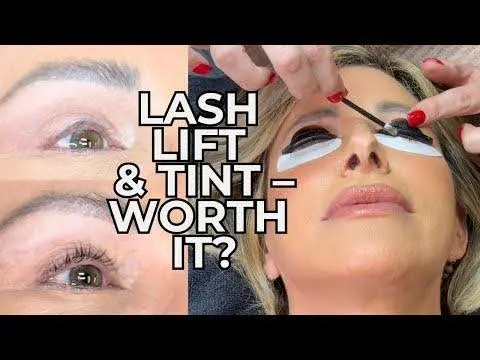
Beauty trends are no longer dictated by the runway shock value or the seasonal color story. The real change is in how people organize their lives – what they keep, what they remove, and what they delegate.Looking ahead to 2026 and beyond, fashion-forward beauty is defined by efficiency, durability, and aesthetics that are tailored to real life, not just photos.The change is not merely cosmetic; it serves a purpose. They want routines that will work every day, in various social contexts.
The first significant change is a silent refusal of habits that involve never-ending maintenance. On the contrary, beauty routines are being reconstructed with low friction.This doesn’t mean that people are less concerned about their physical appearance. The idea is to get up with a feeling you’re already near the “done” part, not the “start from beginning” one.
The formula is straightforward: fewer recurring steps, fewer products, fewer corrections.
The role of makeup isn’t to conceal skin anymore. It’s meant to rest lightly on the surface or not be seen at all.The day-to-day activities now focus on:
This shift is both practical and aesthetic. Fashion has made imperfection acceptable: wrinkled fabrics, layered proportions, and relaxed tailoring. Hair has followed suit.
The use of beauty routines is gradually losing its gender signaling role. Smooth skin, clear complexion, and well-kept grooming are no longer coded as “extra”. They are only regarded as the minimum standard of self-presentation.This has broadened the market for therapies that were previously considered niche. Both men and women are now thinking along the same line:
That kind of thinking encourages the development of services that subtly erase tasks from the calendar instead of adding more to it.
Another obvious trend is product reduction. Bathrooms are shrinking, not expanding.Rather than pursuing novelty, routines depend on:
This is similar to the changes in fashion wardrobes, where you can notice a trend of capsule collections, repeat outfits, and fewer impulse purchases.When routines are stable, people stop overcorrecting. That alone allows better results.
A noticeable trend is the decline of at-home experimentation. People are more careful about over-treating their hair and skin.Instead, they’re opting for:
This minimizes the damage that may occur over time and fits perfectly within the larger “do it once, do it right” mentality shaping modern beauty.
Arguably, the most significant change is philosophical. The concept of beauty regimes has been modified to suit work, socializing, and commuting. They no longer compete with these activities.
The perfect routine shouldn’t:
Fashion-conscious beauty today is invisible when it functions properly. It doesn’t announce itself; it just endures real conditions.
These changes are not periodic. They’re structural. People are busier, more mobile, and more selective when it comes to their attention.The contemporary beauty and personal care industry is all about helping people save time on their skin and hair care regimens without compromising quality.
That’s not minimalism for the sake of aesthetics – that’s efficiency as a form of self-respect.And it’s transforming everyday routines for the better.