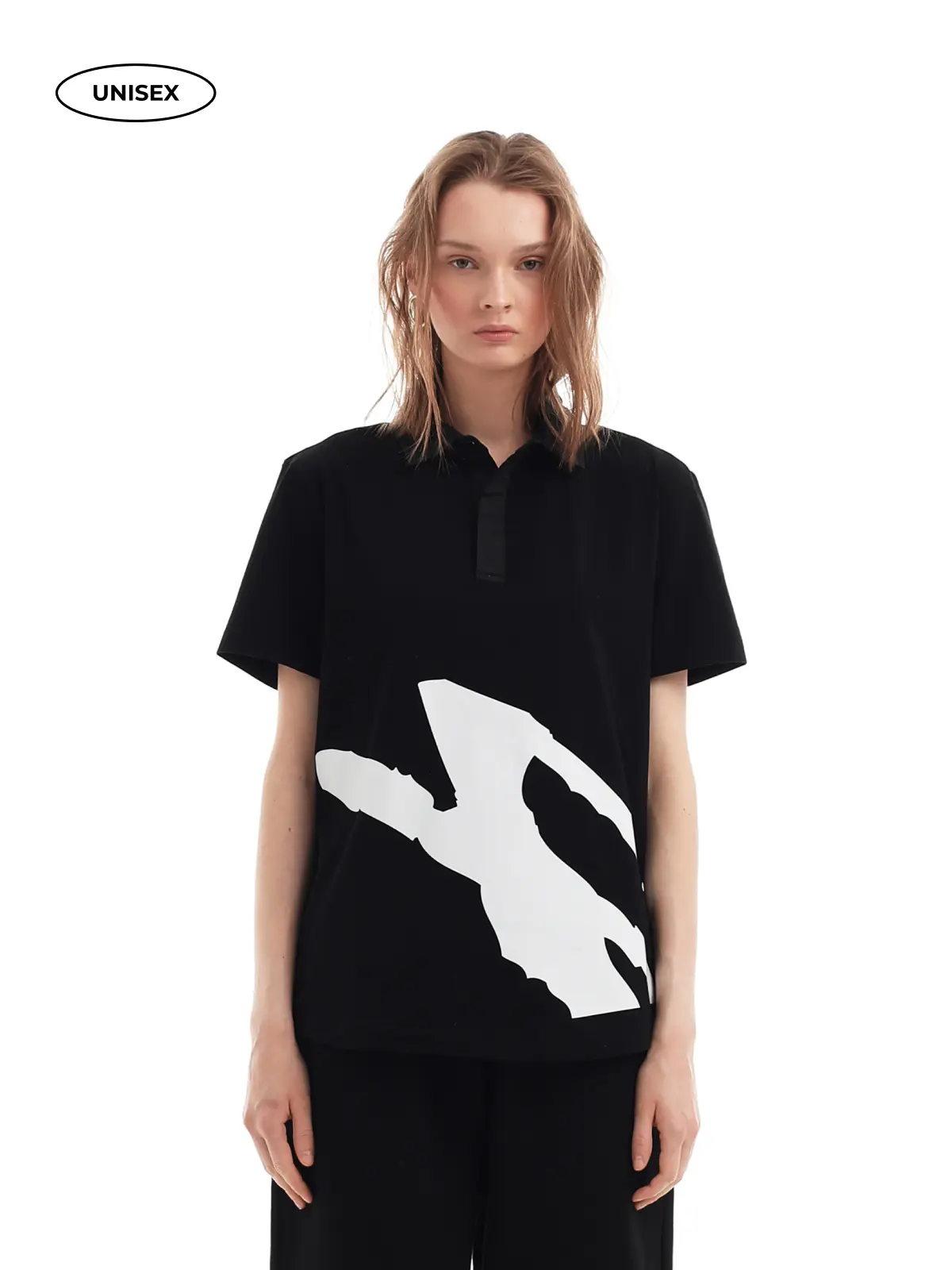
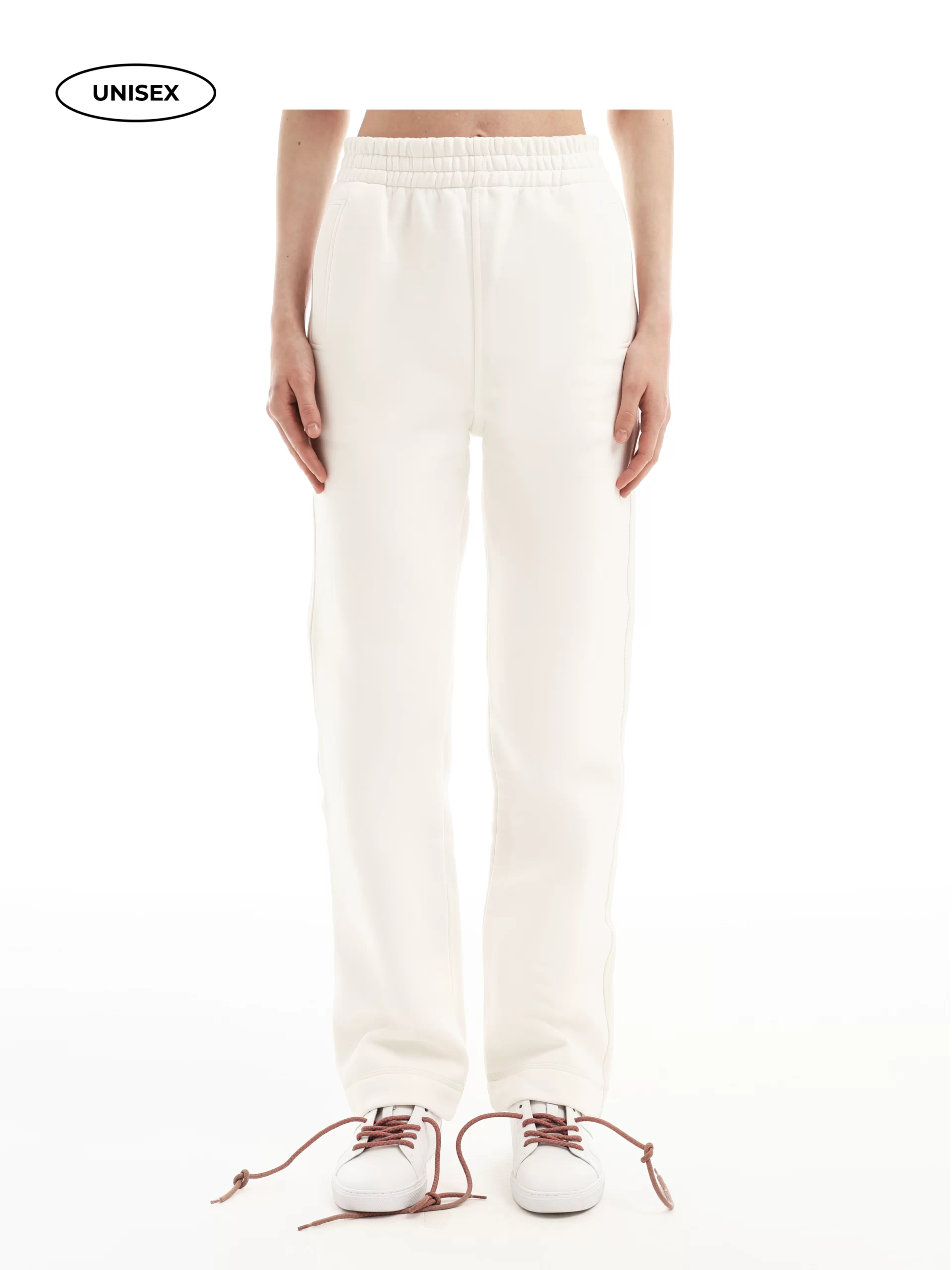
Archive fashion consists of vintage clothing items which originated from past designer collections including rare and historically significant pieces. The collection includes luxury fashion items which represent particular times in fashion history. The main objective of archival fashion is to protect historical fashion items. The practice emphasizes the need to maintain significant clothing items because they serve as inspiration for upcoming designers, cultural researchers and future generations. The pieces showcase fashion’s artistic development through time while maintaining their value as both historical artifacts and educational resources.
Archive fashion enthusiasts focus on acquiring the following items:
These fashion items maintain their cultural significance beyond their trend status.
The design principles, visual elements and construction methods of archive fashion create a distinct identity which separates it from standard vintage clothing items. The following section provides an extensive analysis of all essential components that create the archive style.
The avant garde nature of the archive emerges through deconstruction which Maison Margiela and Comme des Garçons popularized.
Through deconstruction fashion designers create conceptual art by breaking down traditional clothing standards.
I notice that Archive fashion embraces innovation through material experimentation. The fashion does not rely on cotton or wool. Designers often use unusual or industrial grade fabrics.
Archive fashion’s color identity leans toward tones. The fashion’s color identity uses the palette that lets silhouettes, structure and texture stand out of color.
As we notice that archive fashion means craftsmanship. Archival fashion garments never aim for the market and used couture art and engineering precision.
The archive fashion industry uses unorthodox measurements to generate dramatic effects and visual appeal.
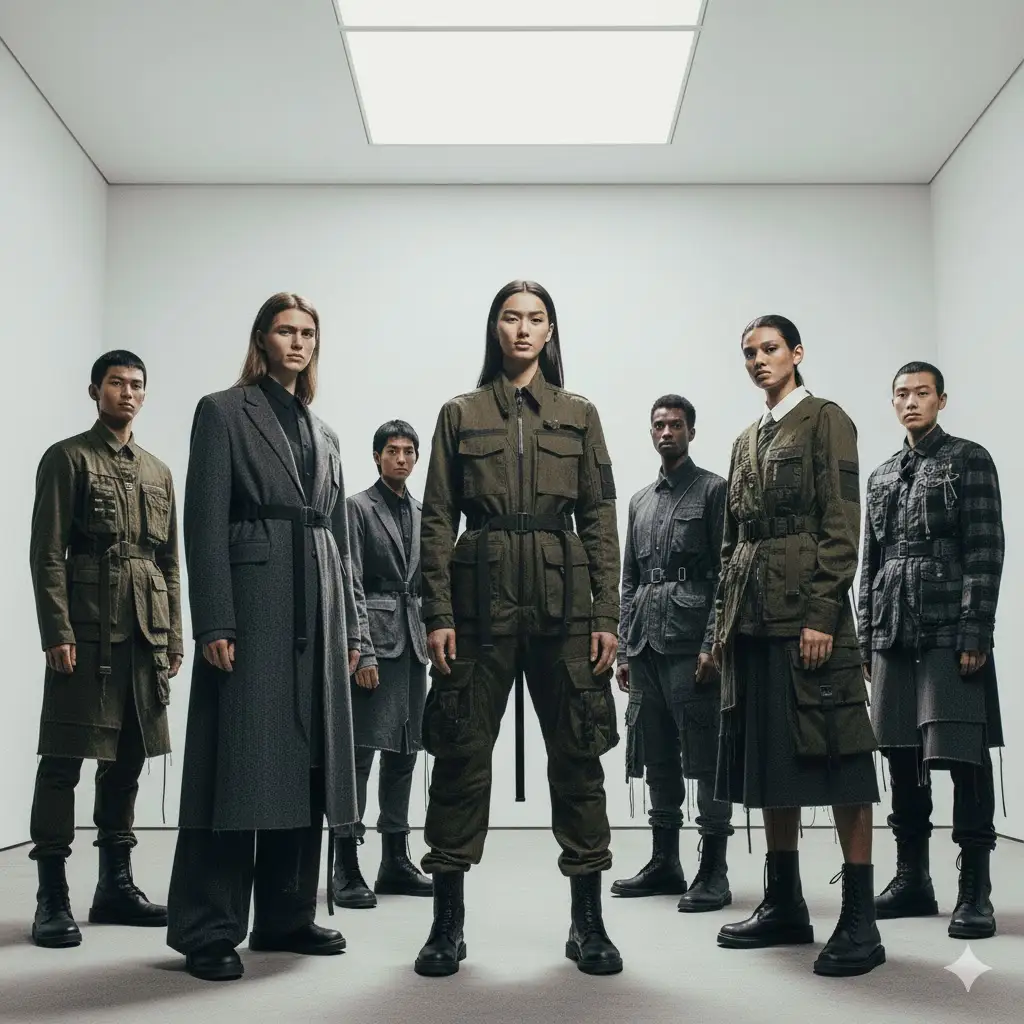
The fashion industry draws inspiration from military uniforms, industrial workwear and tactical design elements.
Helmut Lang achieved his most significant influence through designing pieces that served both functional and aesthetic purposes.
The evolution of archive fashion depends on designers who created collections that now shape contemporary fashion trends, cultural developments and artistic paths. These designers used their clothing designs to establish fashion movements while transforming clothing shapes and establishing new limits for fashion expression. The following archive fashion brands list section presents an extensive analysis of leading designers and archive fashion brands that attract collectors from across the globe.
Raf Simons stands as the central figure who shapes contemporary archive fashion through his work from the late 90s until the middle of the 2000s. His designs experience extreme price increases which makes him one of the most valuable designers in historical fashion collecting.
Helmut Lang popularized industrial fashion elements through his minimalist designs which became fashionable before their time. His designs present a combination of architectural elements with modern design principles.
Through his conceptual design approach and deconstruction methods, Margiela transformed the fashion industry. His design approach broke down traditional beauty standards and traditional garment construction methods.
Yohji Yamamoto a Japanese designer, creates archive fashion through his poetic designs which produce oversized silhouettes that bring Japanese elegance to the collection.
Yohji Yamamoto’s designs from the 1990s continue to appear revolutionary in today’s fashion world.
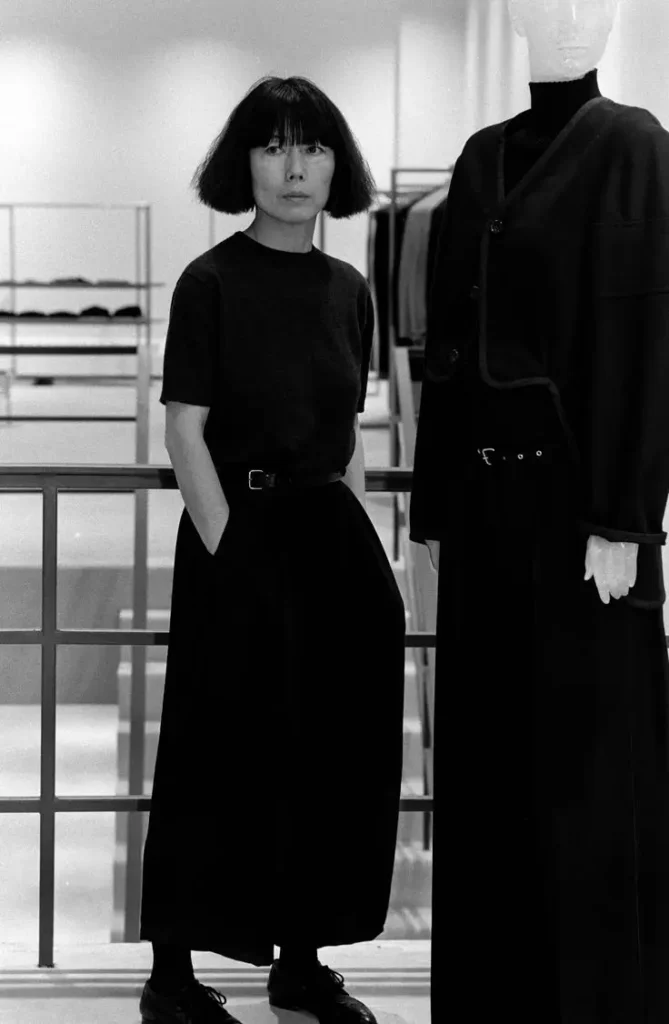
Rei Kawakubo continues to advance fashion past its role as clothing by creating artistic designs through her Comme des Garçons brand.
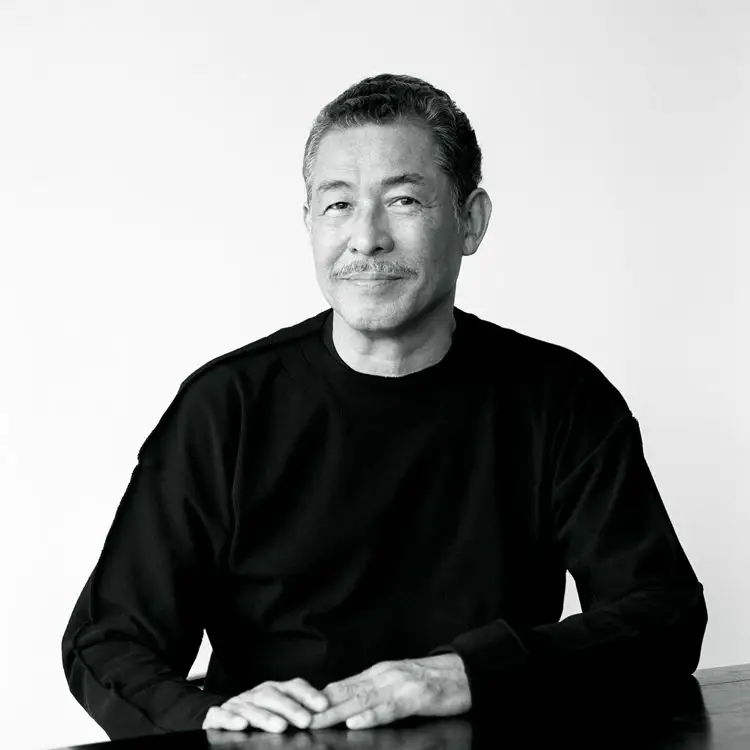
Issey a Jappanese designer unites fashion with technology through his textile innovations which enable him to create clothing that moves with the body.
His designs achieve high value because they combine advanced technology with enduring design principles.
Richard Kalvar Ann DEMEULEMEESTER brings archive fashion through her poetic dark style, romantic designs and soft fabric choices.
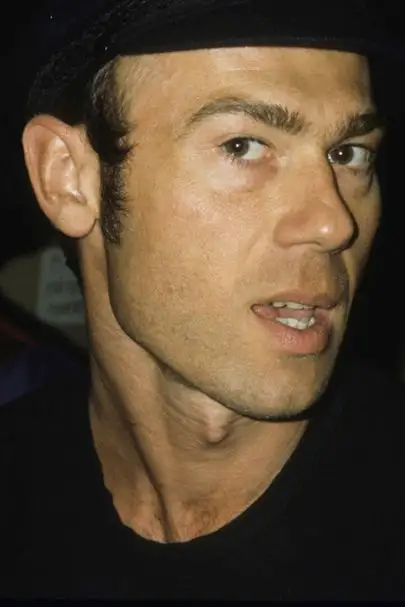
Hedi Slimane transformed menswear through his designs which combined rockstar elements with his slimming tailoring approach.
The Dior Homme period under Hedi’s leadership established itself as a fundamental element of any archive collection.
Junya Watanabe serves as Kawakubo’s protégé while he develops new textile methods and contemporary design approaches.
Several contemporary factors have contributed to the increasing popularity of archival fashion:
Archive fashion represents more than a short lived fashion trend because it represents a fundamental change in how people perceive clothing value. The process of transforming seasonal clothing into heirloom items creates a historical significance for each garment. Designers frequently return to their brand archives for design inspiration while customers actively seek out genuine products with historical value and skilled craftsmanship that goes beyond current fashion trends.The archive movement preserves fashion history through its practice of wearing iconic pieces which allows these historical items to live on through street fashion while people discuss their significance.
The fashion world considers designer collection items from previous seasons and historical runway shows as archive fashion because they hold design value instead of following current fashion trends.
There is no widely recognized “7 rule” in fashion; it is not a standard industry guideline.
Archive sales have become extremely popular because they provide customers with exclusive access to rare items that were produced in limited quantities and are no longer available for purchase.