The Importance Of Professional Care In Overcoming Dependency

Man sitting on a wooden chair reflecting during addiction recovery, representing the need for professional care and emotional support.

The Importance Of Professional Care In Overcoming Dependency

Think of overcoming addiction like trying to tailor your own couture gown. It sounds brave, but one wrong snip and the whole thing unravels. Addiction rewires your brain in ways that willpower alone can’t fix. Professional care isn’t a crutch; it’s the master tailor’s steady hand when your own isn’t steady enough.

The Medical Reality of Detoxification

For many, the first physical barrier to recovery is the body’s dependence on a substance. Stopping “cold turkey” isn’t just uncomfortable; for dependencies on alcohol, benzodiazepines, or opioids, it can be fatal. This is where professional care moves from a recommendation to a necessity.
  • Safety First: In a medically supervised detox, healthcare professionals can monitor vital signs and manage withdrawal symptoms, which can include seizures, hallucinations, and severe cardiac events. They have the medications and expertise to stabilize the body safely.
  • Managing the Agony: Withdrawal is often described as the worst flu of your life, multiplied by ten. Professional settings can provide medications to ease the pain, anxiety, and insomnia, making the process bearable rather than traumat

Unpacking the "Why" in a Structured Environment

Once the physical crisis is managed, the real work begins. Dependency is rarely the root problem; it is almost always a symptom of something deeper: unresolved trauma, undiagnosed mental health conditions like anxiety or depression, or an inability to cope with stress. Trying to untangle these complex issues while still living in the same triggering environment is incredibly difficult. This is where a structured setting, such as residential rehab for addiction recovery, becomes invaluable. It removes a person from the chaos of their daily life and places them in a bubble of support.

  • Therapeutic Deep-Dive: In a residential or intensive outpatient program, individuals have regular, dedicated time with therapists who specialize in addiction. They use evidence-based methods like cognitive behavioral therapy (CBT) to identify the thoughts and feelings that trigger the urge to use.
  • Dual Diagnosis Treatment: Many professionals are trained to spot co-occurring mental health disorders. Treating the addiction without treating the underlying depression or PTSD is like bailing water out of a boat without plugging the hole. Professional care ensures both are addressed simultaneously.
  • A Break from Reality: Being in a structured environment gives a person the mental space to focus entirely on themselves for a period, without the pressure of work, family obligations, or social circles that may enable their behavior.

The Skill-Building Aspect

  • Relapse Prevention Planning: Professionals work with individuals to identify their personal “red flags”: the people, places, and emotional states that put them at high risk. They then create a concrete, actionable plan for what to do when a craving hits.
  • Rebuilding Relationships: Dependency erodes trust. Many programs incorporate family therapy, helping to heal the damage done to loved ones and teaching families how to support recovery healthily, without enabling the behavior.
  • Practical Life Skills: From managing finances that may have been destroyed by an addiction, to finding new hobbies, to re-entering the job market, counselors and support staff guide navigating the practical aspects of a new, sober life.

The Power of Community and Shared Experience

Sobriety isn’t just about not using a substance; it’s about learning how to live a full life without it. For many, their coping mechanisms, social life, and even their daily schedule revolved around their dependency. When that is removed, a vacuum is left behind. Professional care helps fill that vacuum with healthy, sustainable skills.

One of the most insidious parts of dependency is the intense isolation it creates. The shame and secrecy make a person feel like they are the only one in the world struggling. Professional care immediately dismantles this illusion.
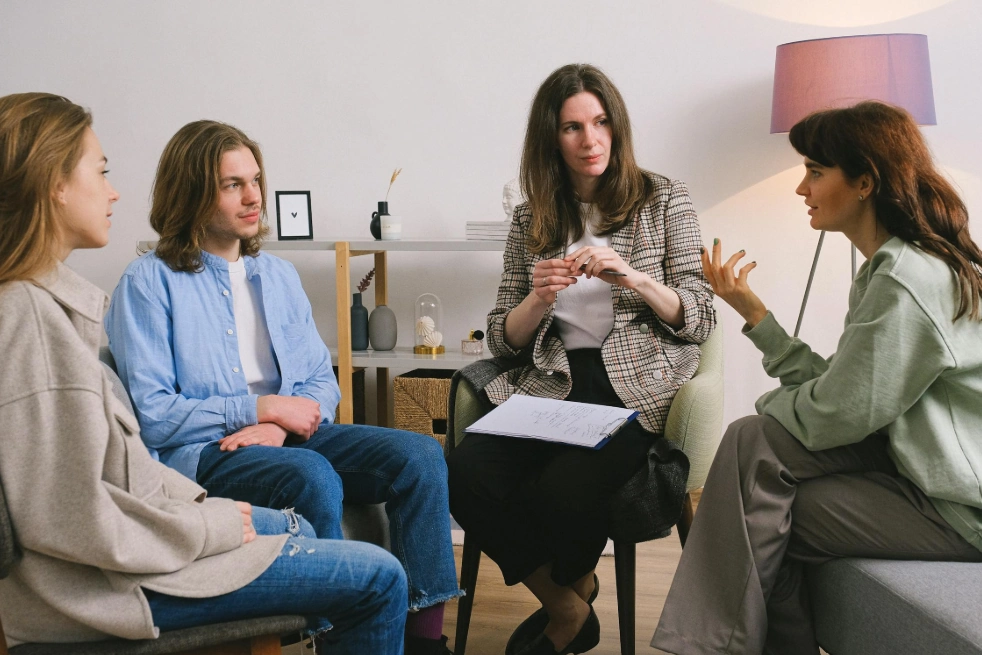
  • Group Therapy: Hearing someone else articulate a feeling you thought was uniquely yours is incredibly powerful. Group sessions, facilitated by a professional, provide a safe space to share, be vulnerable, and realize you are not alone.
  • Peer Support: Whether in a rehab facility or an outpatient program, you are surrounded by people on the same journey. These connections can form the foundation of a new, healthy social network, replacing the “drinking buddies” or “using partners” of the past.

A Bridge to Long-Term Stability

Recovery is not a finite event with a clear end date; it is a lifelong process of maintenance and growth. The goal of professional care is not just to get someone sober for 30 or 60 days, but to equip them with the tools and support network they need for the decades that follow.
  • Aftercare Planning: A quality program doesn’t just discharge a patient. It works with them to create a “step-down” plan, which might include transitioning to a less intensive level of care, finding a therapist, and connecting with community support groups.
  • A Foundation of Accountability: The professional relationships built during treatment create a sense of accountability. Knowing you have a therapist you can call, or a sponsor you meet with weekly, provides a safety net for when life gets stressful.
Overcoming dependency isn’t about going it alone. It’s about having the courage to ask for help and the wisdom to accept it. Professional care provides the safety, tools, and support to not just survive withdrawal, but to truly rebuild. You deserve that foundation: you don’t have to do this by yourself.

COMMENT

There are no reviews yet. Be the first one to write one.

Actually, this article could
be in your email

Featured materials from FOXYLAB MAGAZINE
are available in our newsletters.
Subscribe and get a dose of inspiration!

more articles

A whole world on the tip of a pencil. The story of an artist who proved that true art has no limits and that it is never too late to start all over again.

READ MORE ARTICLES

International fashion icon and symbol of Parisian style, Ines de la Fressange is one of the most famous women in France.

Anastasia Pilepchuk is a Berlin-based artist with Buryat roots. She creates masks and face jewellery inspired by the nature and the culture of her beautiful region.

A whole world on the tip of a pencil. The story of an artist who proved that true art has no limits and that it is never too late to start all over again.


Search

FOLLOW US ON