Summer Wedding Guest Dresses With Personality

Summer Wedding Guest Dresses With Personality

SHARE THE ARTICLE

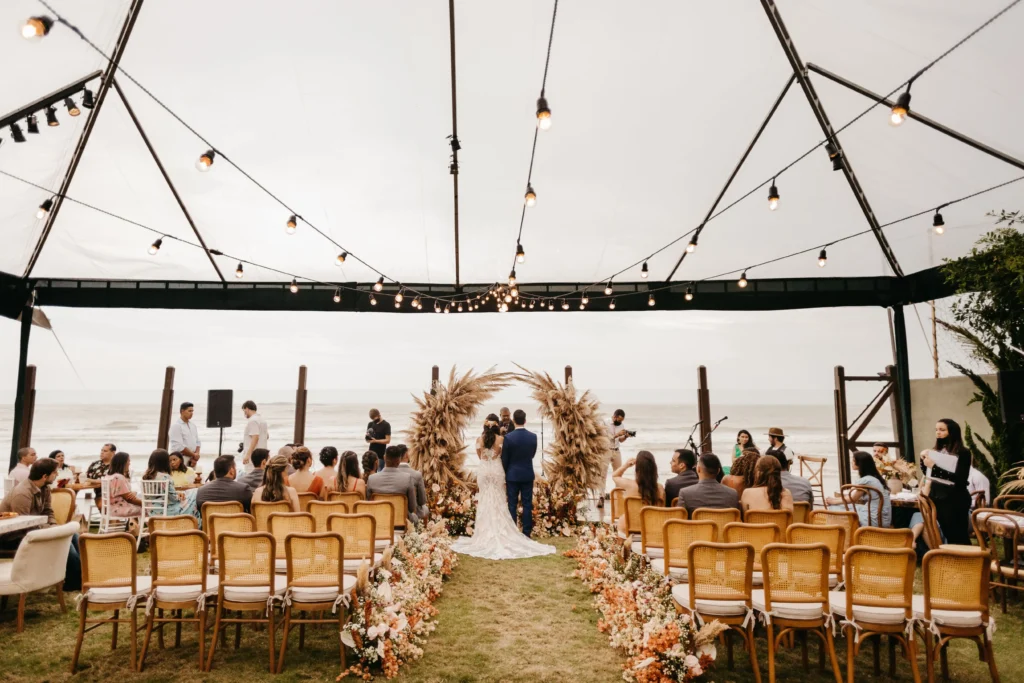
Summer weddings come with an invitation-implicit dress code, and the default options skew toward pastel florals, safe midi cuts, and whatever a mother of the bride would consider appropriate. For readers who think about clothes as a form of self-expression rather than social compliance, that default is uninspiring. The good news: the summer wedding guest category has quietly expanded to include dresses that respect the occasion without erasing personality. Finding them takes a little more effort than grabbing the first pastel midi that pops up in a search.
Princess Polly’s collection of cute summer wedding guest dresses is a useful place to see how far the category has widened in the last few seasons: more edge, more colour, more cut variety, and still wedding-appropriate. Starting from a broader pool like that turns the final pick into a real choice rather than a settlement.

Why Does the Traditional Summer Wedding Guest Dress Feel So Flat?

The category developed in a specific commercial vacuum that still shapes what shows up first.
  • Fast fashion optimized for “safe.” Mainstream retailers stocked pastel floral midis because they sell to the widest audience. The result: an aisle of near-identical dresses at any given wedding season.
  • Dress codes are often vaguer than they seem. “Semi-formal” or “cocktail attire” carry more room than guests typically use. Strong colour and interesting silhouettes often fit comfortably within these codes.
  • Instagram homogenization. Wedding-guest inspiration on social feeds amplified the same handful of looks. Non-algorithmic curation (independent style sources, brand editorials) gives a wider view.
  • Family and cultural expectations. Older family members may have unwritten rules (“nothing black, nothing too bold”) that guests absorb even when the actual hosts are fine with variety. Clarify with the couple if unsure.
  • Rush buying near the event. Shopping in the last two weeks narrows options to whatever’s in stock in the right size. Earlier buying expands the genuine choice.
  • The same thinking that drives styling for grunge aesthetic outfits applies here: personality survives a dress code when the silhouette and palette are chosen with intent.

What Dress Code Signals Should You Actually Read?

Invitations encode more information than guests usually extract.

“Black tie.” Floor-length gown, formal. Silhouette matters more than colour; dark rich jewel tones or deep pastels both work.

“Formal.” Slightly looser than black tie. Midi-to-floor length, tailored cut. More colour range acceptable.

“Semi-formal” or “cocktail attire.” Knee-to-midi length. Real range: structured sheaths, flowy midis, statement cuts, wider colour palette.

“Garden party” or “summer casual.” Anything from a sundress to a smart midi. Real opportunity for personality.

“Dressy casual” or “festive attire.” The host is signaling flexibility. Strong colour, print, or silhouette pieces all land well.

“Beach formal.” Casual fabrics, structured cuts. Linen midis, silk wraps, relaxed silhouettes in wedding-appropriate palettes.

Time of day matters. Daytime = lighter fabrics and colours. Evening = deeper tones and more dramatic silhouettes. Match the scene.

What Silhouettes Work Best for Different Venues?

The venue shapes what reads appropriate.
  1. Beach or coastal weddings. Flowy midi or maxi cuts, lightweight fabrics (linen, silk, crepe), strap options that work with sea breeze. Wedges or block heels sink less than stilettos.
  2. Garden or outdoor venues. Structured midis with small details (ruched waist, subtle prints, colour-blocked panels). Avoid fabrics that wrinkle heavily in the sun.
  3. City rooftop or urban venues. More range. Structured silhouettes (column dresses, fit-and-flare) read polished against architectural backdrops.
  4. Barn or vineyard venues. Midi dresses with interesting prints or textures. Avoid fabrics that pick up dust. Block heels or nicer flats.
  5. Destination or resort weddings. Pack the dress in a garment bag. Choose fabrics that travel well (modal, crepe, silk blends) and resist creasing.
  6. Formal hotel ballrooms. The classic venue; more traditional silhouettes fit the space better. Strong colour and interesting cuts still work.
  7. Micro-weddings or courthouse ceremonies. Less formal overall. Strong personality pieces welcome.
If you already pull styling cues from distinct fashion vocabularies like those covered in the Korean fashion trends guide, the same reflexes translate to wedding-guest dressing without much additional effort.

How Do You Keep Personality Without Breaking the Dress Code?

The balance between respect for the occasion and self-expression.

Colour choice as the first lever. Deep jewel tones (emerald, sapphire, garnet), interesting neutrals (olive, camel, terracotta), unexpected pastels (dusty lilac, butter yellow) all read wedding-appropriate while breaking the white/pastel-floral default.

Silhouette as the second lever. A strong cut in a “safe” colour reads more personality than a default cut in a bold colour. Asymmetric hems, interesting sleeves, belted waists, corseted bodices all shift the read.

Accessories as the third lever. The dress carries most of the signal, but accessories (statement earrings, vintage handbag, unique shoes, hair pieces) add real personality without shifting dress code.

Hair and makeup as the fourth lever. Wet-look hair, bold lip, interesting eye, all contribute to overall look without affecting appropriateness.

Footwear choice. Block heels, metallic flats, Mary Janes, retro-inspired pumps all carry style without sacrificing comfort over a long day.

Jewellery as a character prop. Vintage family pieces, bold contemporary statements, layered delicate chains, any of these add personality to a simple dress.

Subtle subculture references. If the aesthetic matters, lean into subtle version: leather details, tattoo-visible cuts, edgy shoes. Full subcultural commitment may feel out of place at a grandmother-attended wedding; subtle references land.

What Are the Common Summer Wedding Guest Mistakes?

Patterns that surface repeatedly in guest post-mortems.

Wearing white or near-white. Off-limits at traditional weddings regardless of how “the couple wouldn’t mind.” Just skip it.

Too-casual fabrics. Cotton t-shirt dresses, washed cotton sundresses, anything beachwear-adjacent read underdressed. Upgrade fabric even when silhouette is casual.

Ignoring the venue. A gorgeous floor-length gown at a beach wedding hits the sand awkwardly; a mini cocktail dress in a cathedral reads underdressed. Match.

Overthinking vs underthinking. The two extremes both produce bad outcomes. Spend the time upfront (two weeks minimum), decide, stop second-guessing.

Neglecting comfort over a long day. Wedding guest days run 6-10 hours. A dress that pinches at hour 2 destroys hours 3-10. Try on and wear-test.

Buying too late. Two weeks minimum for online orders with returns. Last-minute shopping limits options to whatever’s in stock.

Overpacking looks for destination weddings. One dress well-chosen beats three dresses that don’t quite fit the venues.

Emerging designers tracked by the Council of Fashion Designers of America have been pushing stronger silhouettes and a wider palette into the wedding-guest category for a few seasons now, and the mainstream retail tier has finally followed.

Where Should You Actually Shop?

The retailer matters for both selection and returns experience.

Mainstream fashion retailers with wedding edits. Princess Polly, Reformation, Anthropologie, Lulus, and similar curate wedding-guest collections with good range and reasonable pricing. Easy returns.

Designer resale platforms. The Real Real, Vestiaire Collective, Rebag for wedding-grade designer pieces at substantial discounts. Slower returns; vet the listing carefully.

Vintage and thrift. Genuine personality at a fraction of retail. Requires hunting time and willingness to tailor. Huge payoff for the right piece.

Independent brands. Smaller designer brands often make wedding-guest appropriate pieces that don’t appear in mainstream algorithms. More effort to discover; more reward when they fit.

Rental services. Rent the Runway, Nuuly for one-event rentals. Good for destination weddings or budgets that won’t absorb buying. Limited sizing sometimes.

Skip ultra-fast-fashion. The $15 wedding dress from Shein or similar arrives looking cheap even in photos. The ratio of “cost of regret” to “cost of quality piece” is bad.

Retail analysts at The Business of Fashion have tracked the same pattern from the commercial side: the wedding-guest dress category has expanded across price tiers, not just at the aspirational end.

What to Remember

  • Summer wedding guest category has widened beyond pastel floral midis; personality-forward options now live at mainstream retailers
  • Read dress codes carefully; “semi-formal” and “cocktail attire” have more room than most guests use
  • Venue drives silhouette: beach = flowy, city rooftop = structured, barn = interesting prints, ballroom = classic
  • Personality levers in order of impact: colour → silhouette → accessories → hair/makeup → footwear
  • Avoid white/near-white, too-casual fabrics, venue mismatches, and last-minute shopping

The Bottom Line on Personality-Forward Wedding Guest Dressing

Wedding guest dressing doesn’t have to mean erasing style identity for a day. The category has caught up to the broader mood: strong colours work, interesting silhouettes work, subtle subcultural references work. The key is intentionality, picking pieces that respect the occasion and reflect the wearer simultaneously rather than defaulting to the safest option or going so far that the dress becomes the story. A two-week lead time, a curated shopping process, and attention to the specific venue produce wedding-guest looks that photograph well, feel right all day, and reflect the wearer’s actual style. The pastel-floral midi is always an option. It just doesn’t have to be the only one.

Frequently Asked Questions

Is black acceptable at a summer wedding?

Increasingly yes, especially for evening ceremonies in urban venues. Some couples still prefer guests avoid black; confirm if unsure. A strong silhouette in black at a city rooftop wedding reads chic.

What length is appropriate for summer wedding guests?

Daytime weddings: midi or tea-length. Evening or formal: midi or floor-length. Mini dresses work at beach or very casual weddings but read underdressed at most others.

Can I wear the same dress to multiple weddings?

Yes, especially if the crowds don’t overlap heavily. Shift accessories and hair between events to keep the look fresh. Two to three wears out of a good wedding dress is reasonable.

Where should I avoid buying wedding guest dresses?

Ultra-fast-fashion retailers (Shein, Temu, etc.) and Amazon drop-shippers. The photos often don’t match reality, fabrics fail in person, and returns are unreliable. Invest in retailers with transparent return policies.
COMMENT

There are no reviews yet. Be the first one to write one.

Actually, this article could
be in your email

Featured materials from FOXYLAB MAGAZINE
are available in our newsletters.
Subscribe and get a dose of inspiration!

more articles

A whole world on the tip of a pencil. The story of an artist who proved that true art has no limits and that it is never too late to start all over again.

READ MORE ARTICLES

International fashion icon and symbol of Parisian style, Ines de la Fressange is one of the most famous women in France.

Anastasia Pilepchuk is a Berlin-based artist with Buryat roots. She creates masks and face jewellery inspired by the nature and the culture of her beautiful region.

A whole world on the tip of a pencil. The story of an artist who proved that true art has no limits and that it is never too late to start all over again.

Search

FOLLOW US ON