Free shipping on all US orders
10% OF OUR PROFIT GOES TO KIDS’N’CULTURE NON-PROFIT ORGANIZATION
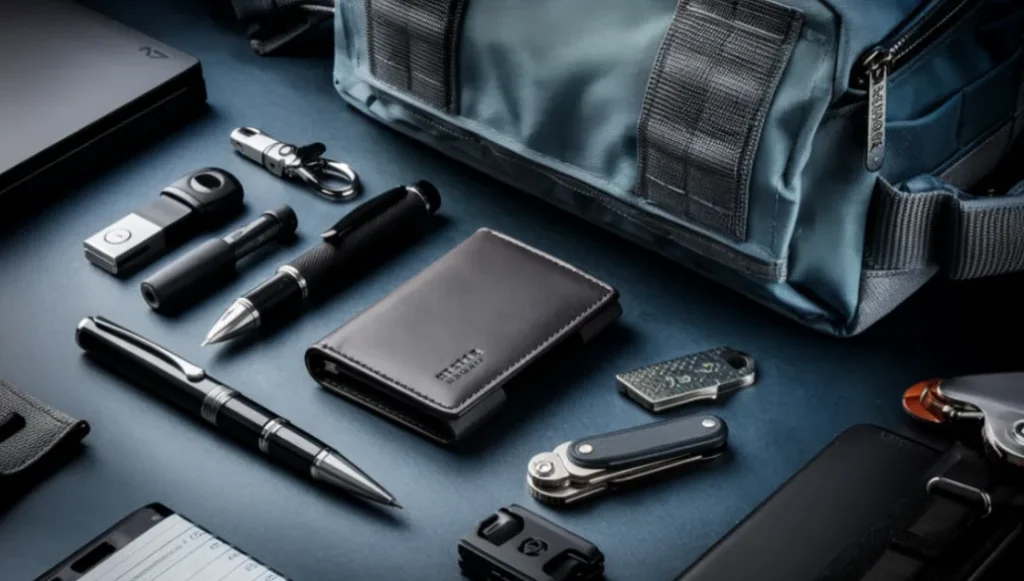
The mechanical pencil’s journey began in the 16th century, though the devices didn’t achieve widespread adoption until the late 1800s. Early versions were luxury items, often crafted from precious metals and marketed to draftsmen and technical professionals who needed precision without the interruption of constant sharpening.
By the mid-20th century, manufacturers had refined the mechanism considerably. The introduction of the twist-advance system, followed by the click-advance mechanism, made mechanical pencils more accessible and reliable. Japanese companies like Pentel and Pilot revolutionized the market in the 1960s and 70s with innovations in lead formulation and feed mechanisms, transforming what had been a specialized tool into an everyday writing instrument.
Today’s mechanical pencils reflect this evolution. They incorporate advanced materials—titanium, aircraft-grade aluminum, brass—and feature sophisticated internal mechanisms that prevent lead breakage and ensure smooth, consistent writing.
The decision ultimately comes down to matching tool characteristics with personal needs and preferences. Someone who primarily takes quick notes has different requirements than an architect who needs precision drafting capability. A student’s ideal pencil differs from that of a field researcher who needs weather-resistant reliability.
Testing multiple options before committing helps identify the right fit. Many specialty retailers and stationery shops maintain testing stations where customers can try various models. Online communities dedicated to writing instruments and everyday carry also provide detailed user experiences and comparisons that inform purchasing decisions.
For those ready to upgrade from disposable writing instruments, a quality mechanical pencil represents a modest investment that pays dividends in reliability, performance, and satisfaction. Unlike digital tools that become obsolete within years, a well-made mechanical pencil can provide decades of service—a genuinely sustainable choice in an increasingly disposable world.
There are no reviews yet. Be the first one to write one.

A whole world on the tip of a pencil. The story of an artist who proved that true art has no limits and that it is never too late to start all over again.

International fashion icon and symbol of Parisian style, Ines de la Fressange is one of the most famous women in France.

Anastasia Pilepchuk is a Berlin-based artist with Buryat roots. She creates masks and face jewellery inspired by the nature and the culture of her beautiful region.

A whole world on the tip of a pencil. The story of an artist who proved that true art has no limits and that it is never too late to start all over again.