10 Cult Niche Perfumers You Need to Know Now

all top niche perfumes

10 Cult Niche Perfumers You Need to Know Now

SHARE THE ARTICLE

It used to be knowing perfume meant knowing the names of big luxury houses, such as Chanel. Guerlain. Hermès. Dior. But Niche perfumery changed that relationship and took perfume to the next level by showing what is real luxury in perfume. The question  people ask about perfume these days is “who made it?”

Independent perfumers have taken this idea much further. They are not anonymous perfumers behind big houses. Their personal histories and creative lives become part of the fragrance itself. 

Some have backgrounds in architecture, cinema, studied chemistry, neuroscience and even designed vestments for the Vatican. The stories behind these independent perfumers are fascinating just like the perfumes that they created. These are ten of the most fascinating names to know.
1. Filippo Sorcinelli

House: Filippo Sorcinelli, UNUM
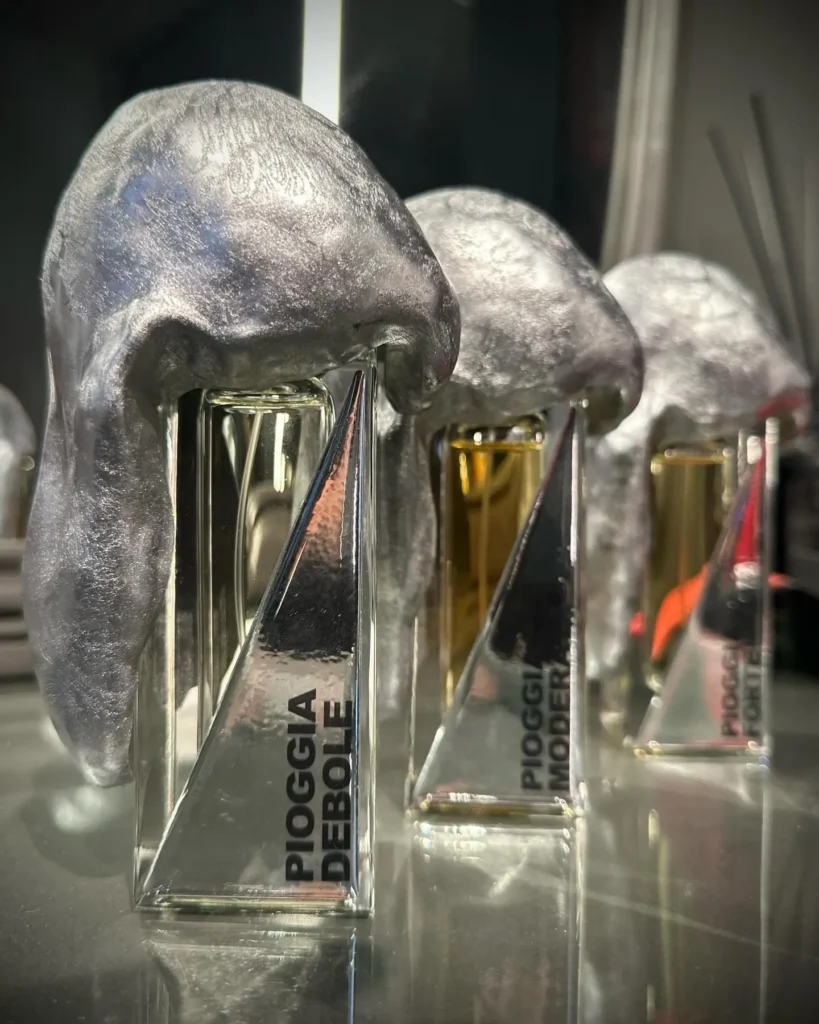
Filippo Sorcinelli perfumes
Sorcinelli is a musician with a lifelong relationship to the pipe organ. He is also the founder of LAVS, the Italian atelier he established in 2001 to create sacred vestments and liturgical objects. They started to work with the Vatican and produced vestments worn by Pope Benedict XVI, as well as garments for the inaugural Mass of Pope Francis in 2013.
Perfume came much later. In 2014, Sorcinelli created the first scent in UNUM as an extension of LAVS. The result is intimate fragrances with Names such as Reliqvia, Opus 1144 and Quando Rapita in Estasi. The names alone  reveal something about the fragrance  universe before you even smell them. The packaging is next level as well, the fragrance journey starts with the name, unpacking the perfume.
Start with: Reliqvia, Opus 1144, Quando Rapita in Estasi.

2. Alessandro Gualtieri

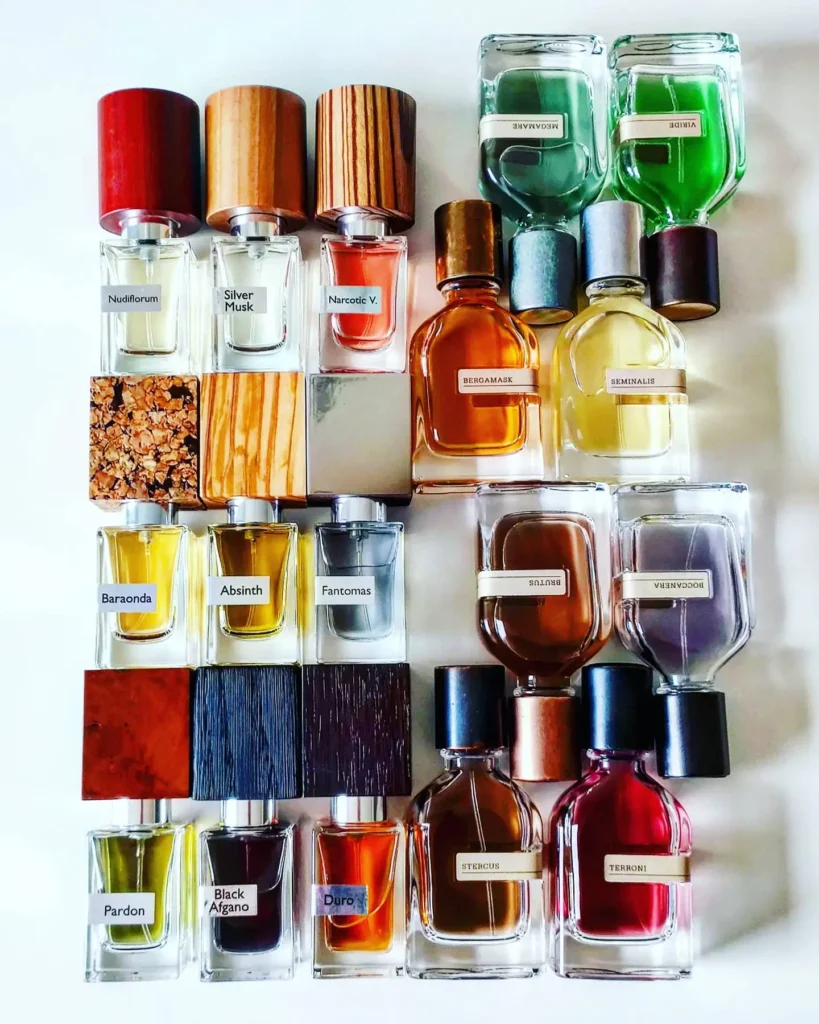
Alessandro Gualtieri perfumes
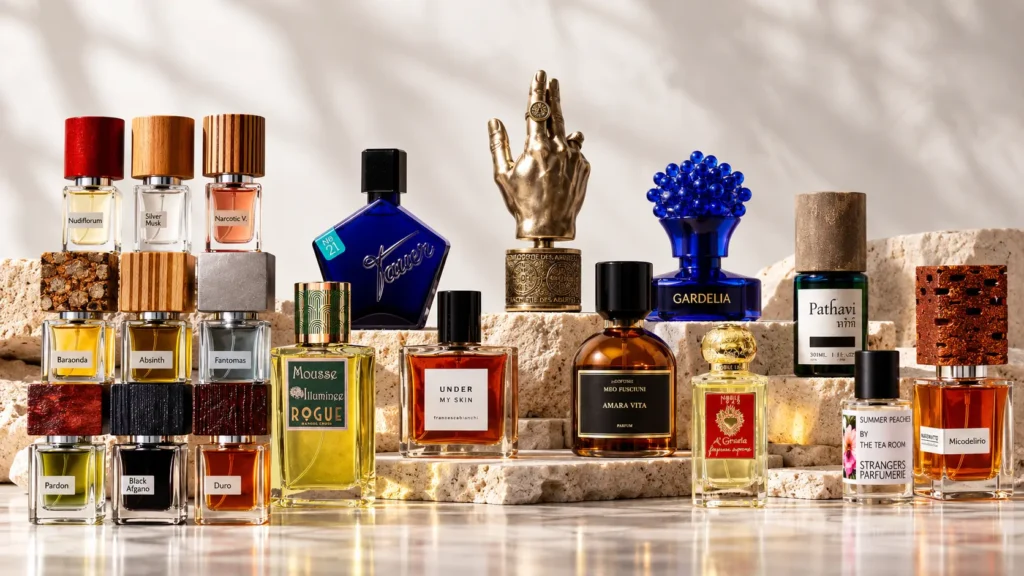
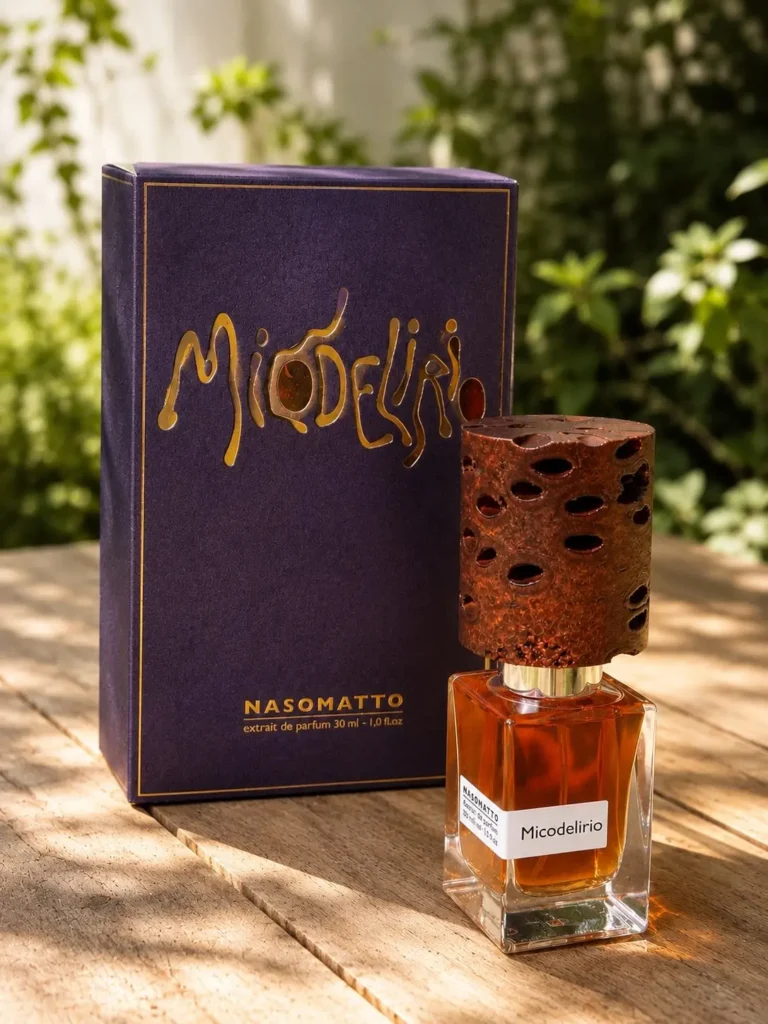
The Italian perfumer built Nasomatto, a name usually translated as “crazy nose,” around the idea that the material can take control of the creative process rather than simply obeying the perfumer.
Then came Orto Parisi, where Gualtieri pushed even deeper into uncomfortable territory. His perfumes have become cult objects partly because they do not behave politely. Black Afgano became one of the defining niche fragrances of its era, while Orto Parisi scents such as Stercus, Seminalis and Boccanera challenge the clean, sanitized language traditionally associated with luxury.
This is niche perfumery at its most visceral.
Start with: Black Afgano, Baraonda, Terroni.

3. Meo Fusciuni

House: Meo Fusciuni
Meo Fusciuni perfumes
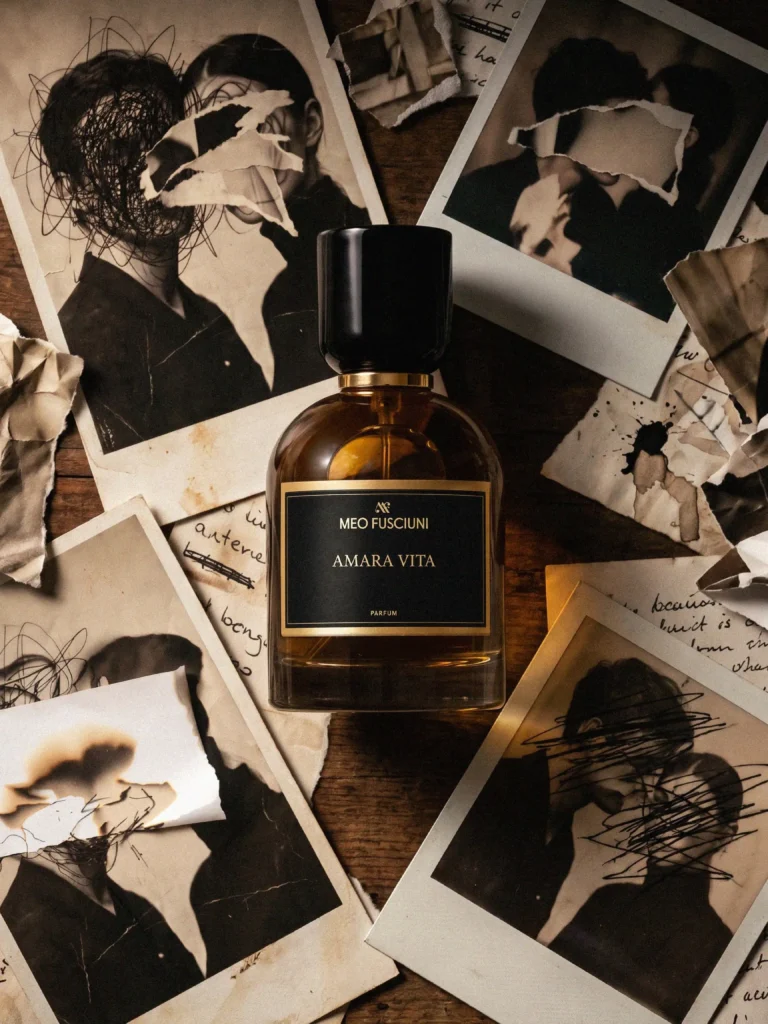
Giuseppe Imprezzabile, better known as Meo Fusciuni, describes himself as a man who “writes perfumes.” That wording makes sense once you enter his world.

His background includes chemistry and an intense fascination with plants. Every fragrance develops over years and Fusciuni thinks of his perfumes almost as chapters in his own life, where fragrances emerge from his emotional states, places that he visited, or anything else that inspired or even influenced him. 

Meo Fusciuni offers the opposite of product driven perfumes of the contemporary world.  There is a sense that the perfume was born because its creator needed to make it.
Start with: Viole Nere, Little Song, Odor 93.

4. Antonio Gardoni

Antonio Gardoni perfume
Antonio Gardoni came to perfume through architecture and design.
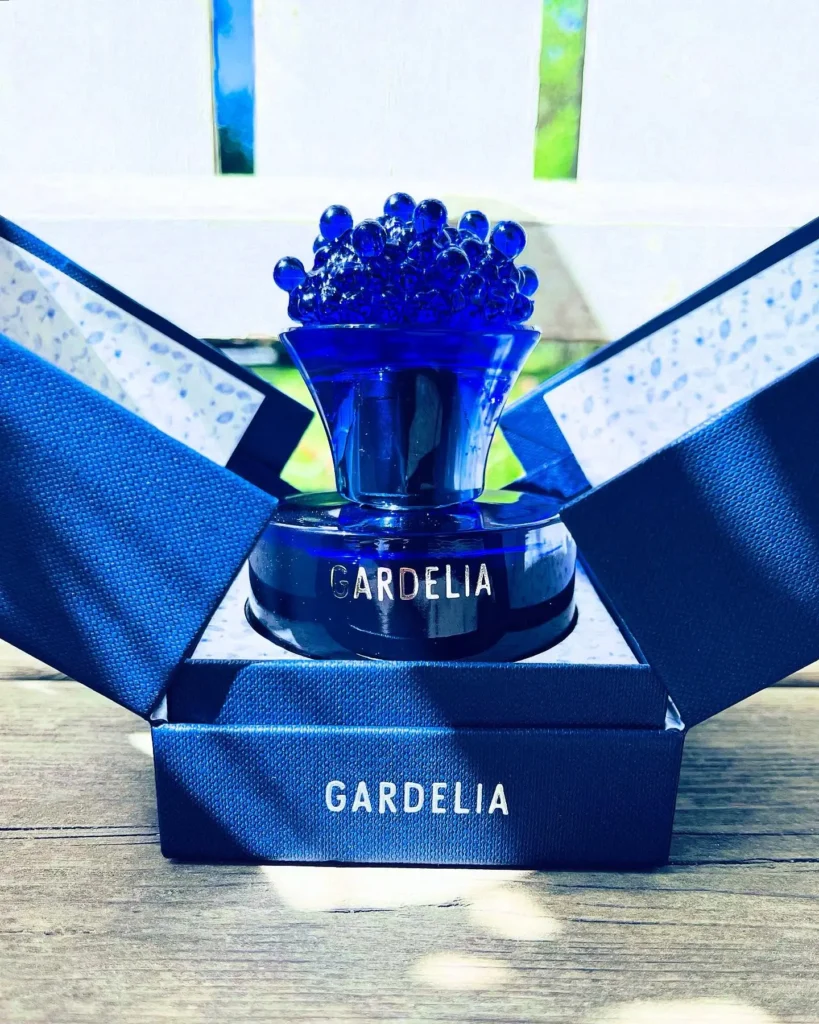
He is making his own infusions from resins, woods and roots, distilling essential oils and experimenting with traditional techniques alongside contemporary aroma materials.Gardoni says he prefers to work at night, when daylight no longer affects the chemicals and the smells of daytime have disappeared. The way Gardoni describes his perfumes sound very architectural, he describes those as spaces with texture, light, color and atmosphere.Bogue fragrance  feels dense and spatial. MAAI, in particular, has become a cult reference among serious perfume collectors.
Gardoni is building strange rooms and asking you to walk inside.
Start with: MAAI, MEM, Gardelia.

5. Francesca Bianchi

Francesca Bianchi perfume

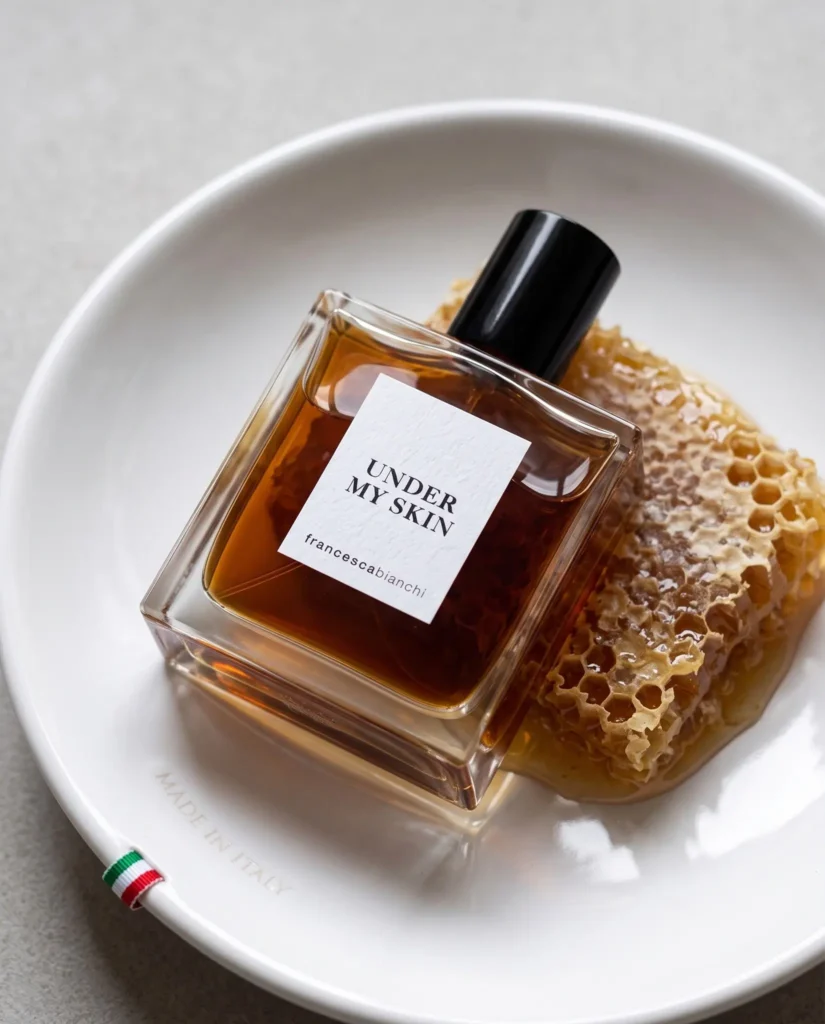
Francesca Bianchi studied art history, later worked in art-book publishing and lived across several European cities before establishing her own perfume line in Amsterdam. She studied materials,  experimented on her own. Today, she formulates every fragrance herself in her laboratory. 

The development time line is long and complicated and can take from months to several years. Bianchi’s fragrances have a tactile quality. Leather, iris, musk and animalic effects recur, but the appeal lies less in individual notes.
Sex and the Sea already tells you this is not a perfumer afraid of intimacy. Sticky Fingers is sensual without sounding like a conventional seductive perfume. Bianchi doesn’t need universal approval for her work. It is for people who want to feel something, even if the reaction is complicated.
Start with: Sex and the Sea, The Dark Side, Sticky Fingers.

6. Andy Tauer

Andy Tauer perfume

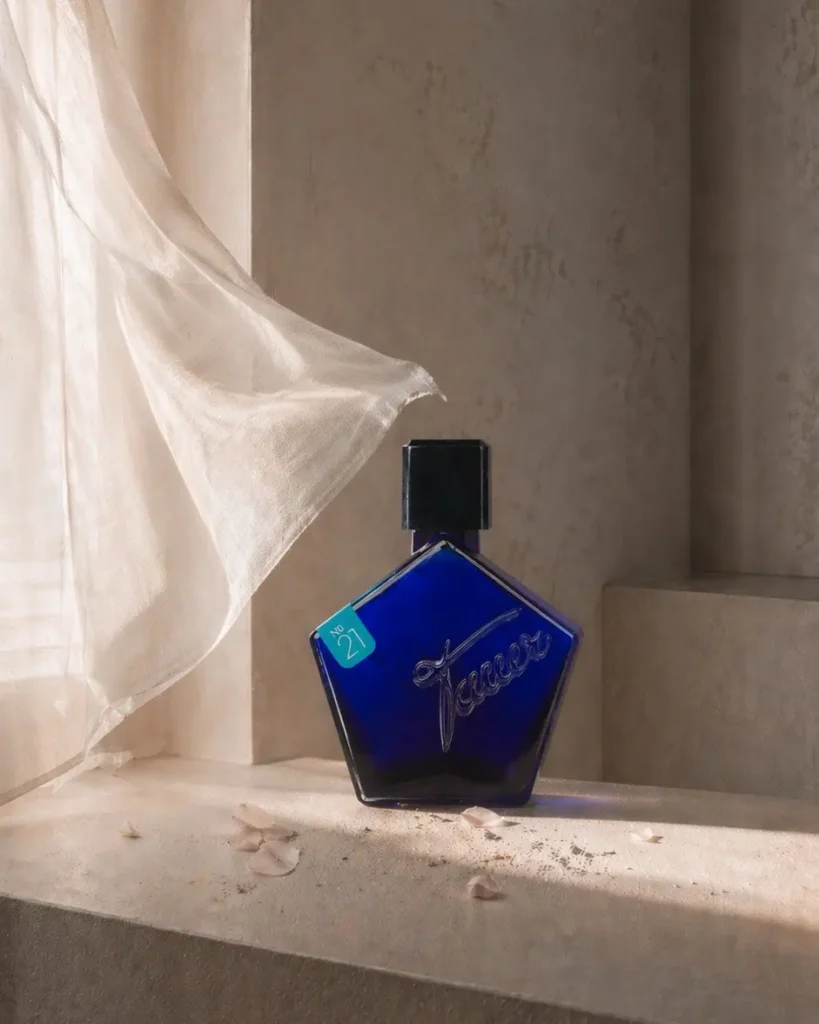
Andy Tauer may be one of the best arguments for ignoring the conventional route into perfumery. A chemist by training and self-taught perfumer, Tauer founded his Zurich house in 2005. What began as essentially a one-man operation developed into one of the most respected names in independent fragrance.

His breakthrough, L’Air du Désert Marocain, remains one of the great cult fragrances of modern niche perfumery. Dry spices, amber, woods and the sensation of hot desert air created something immediately recognizable without depending on an enormous fashion-house mythology.
Start with: L’Air du Désert Marocain, Au Coeur du Désert, Incense Rosé.

7. Prin Lomros

Houses: PRIN, Strangers Parfumerie, Prissana
Prin Lomros perfume
Prin Lomros perfume
Prin Lomros wanted to tell stories before he became known for telling them through scent. His background is in film and film education, and he openly connects cinema with his approach to perfumery. Instead of abandoning one art for another, he transferred the storytelling instinct from the screen to smell. He now operates three fragrance houses, each with its own identity.
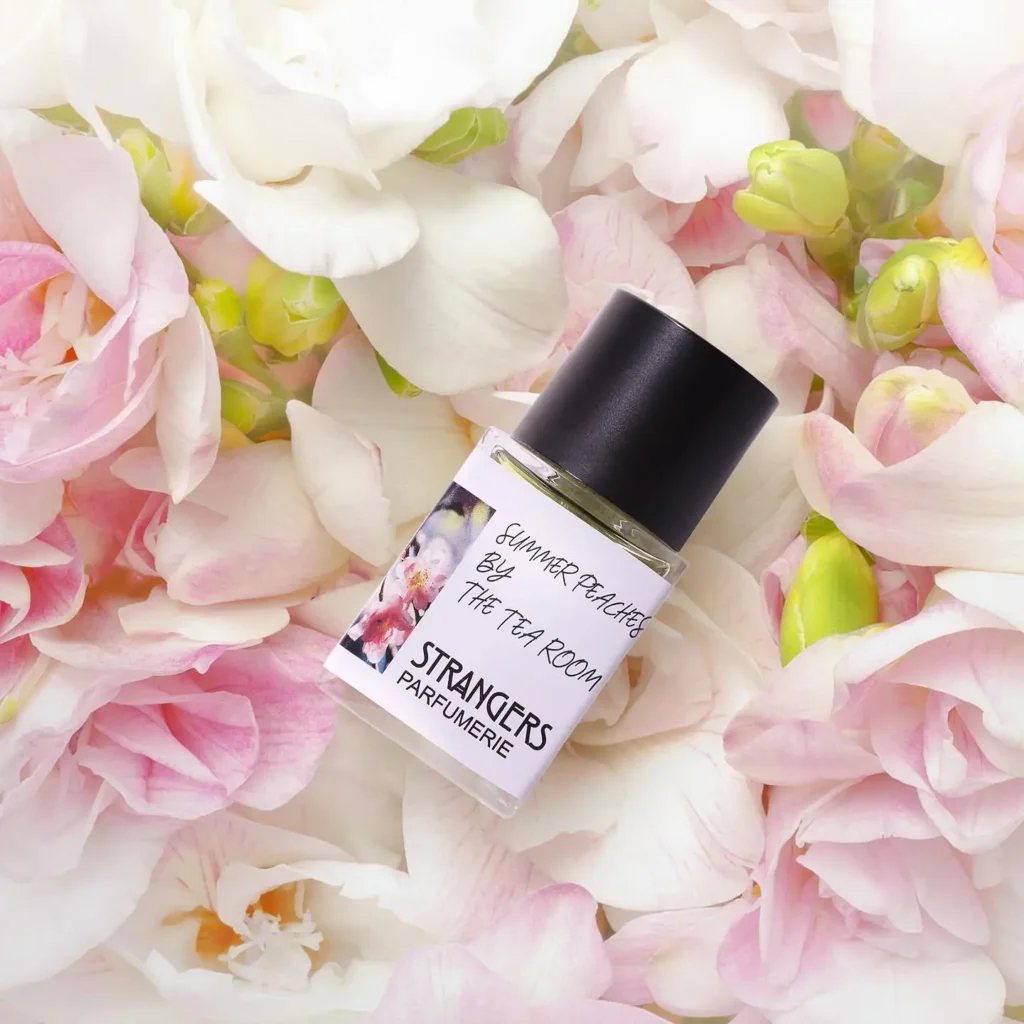
Strangers Parfumerie draws heavily from life, food, travel, culture and personal memories. Prissana explores vintage structures and Eastern olfactory traditions. PRIN is the darkest and most personal expression, with animalic materials and a nocturnal, poetic direction. This is one reason Lomros is so interesting. Instead of forcing every idea under one logo, he created different spaces for different parts of himself.
His fragrances can be humorous, cinematic, sensual and deeply strange.
Start with: Salted Green Mango, Anatolia, Ma Nishtana.

8. Russian Adam

Russian Adam fragrance
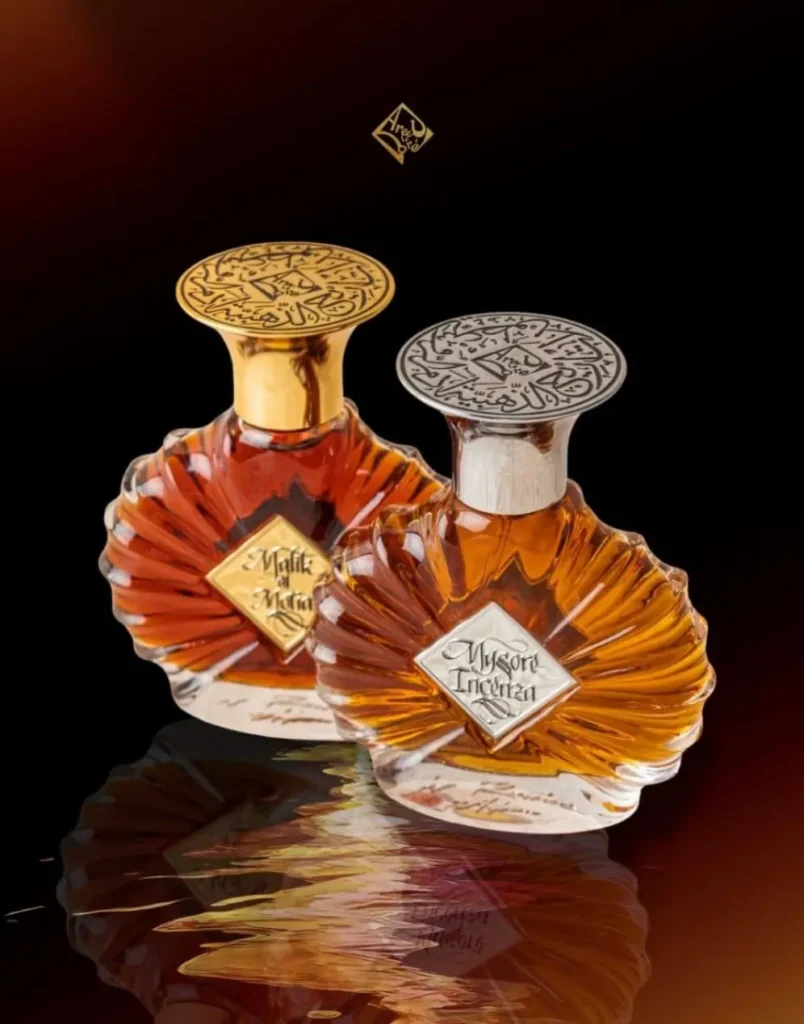
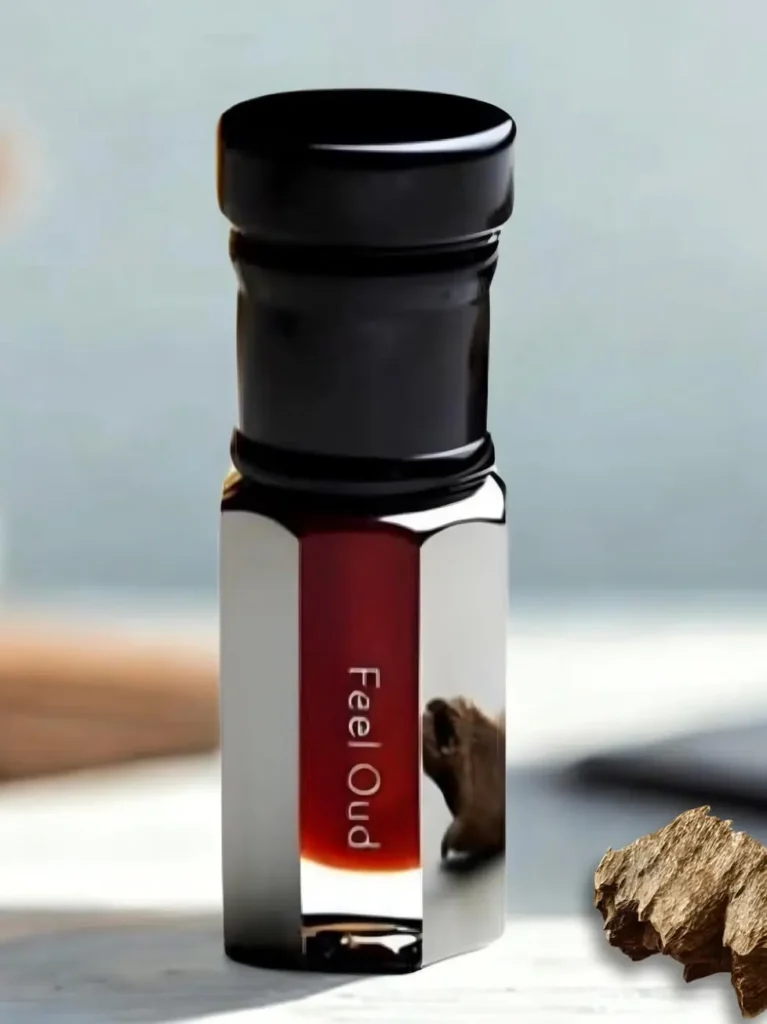
Before Russian Adam built a perfume house, he became obsessed with one of perfumery’s most extraordinary materials: oud. He spent years distilling agarwood himself, experimenting with changes in wood, preparation and distillation to understand how tiny adjustments could alter the resulting oil. Eventually the obsession expanded into full compositions. Areej Le Doré became known among collectors for rare raw materials, limited production and a style that pulls together traditions from Russian, Middle Eastern and French perfumery.
In an industry where “oud” has become a marketing word applied to countless fragrances, Russian Adam’s relationship with the material feels very different. He has actually handled the wood, processed it and watched it transform. Areej Le Doré is an obsessive craftsman.
Start with: Russian Musk, Ottoman Empire, Oud Luwak.

9. Manuel Cross

Manuel Cross perfume

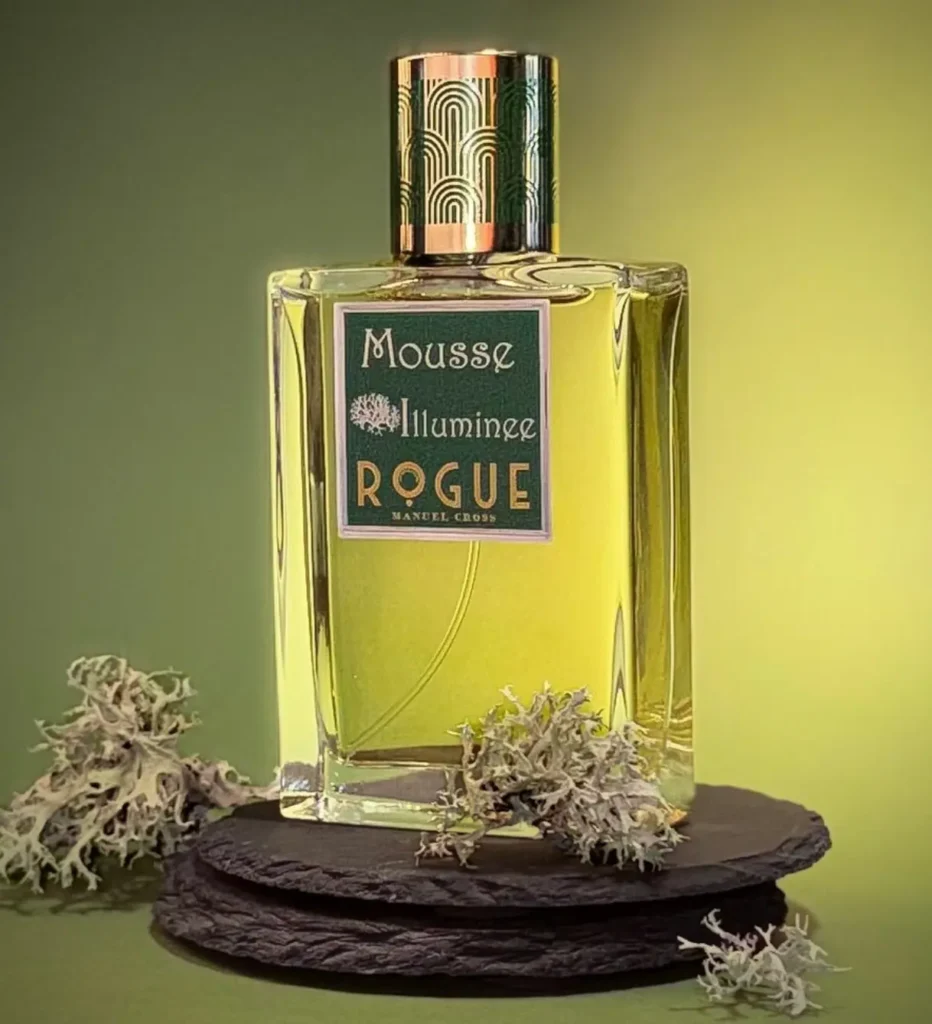
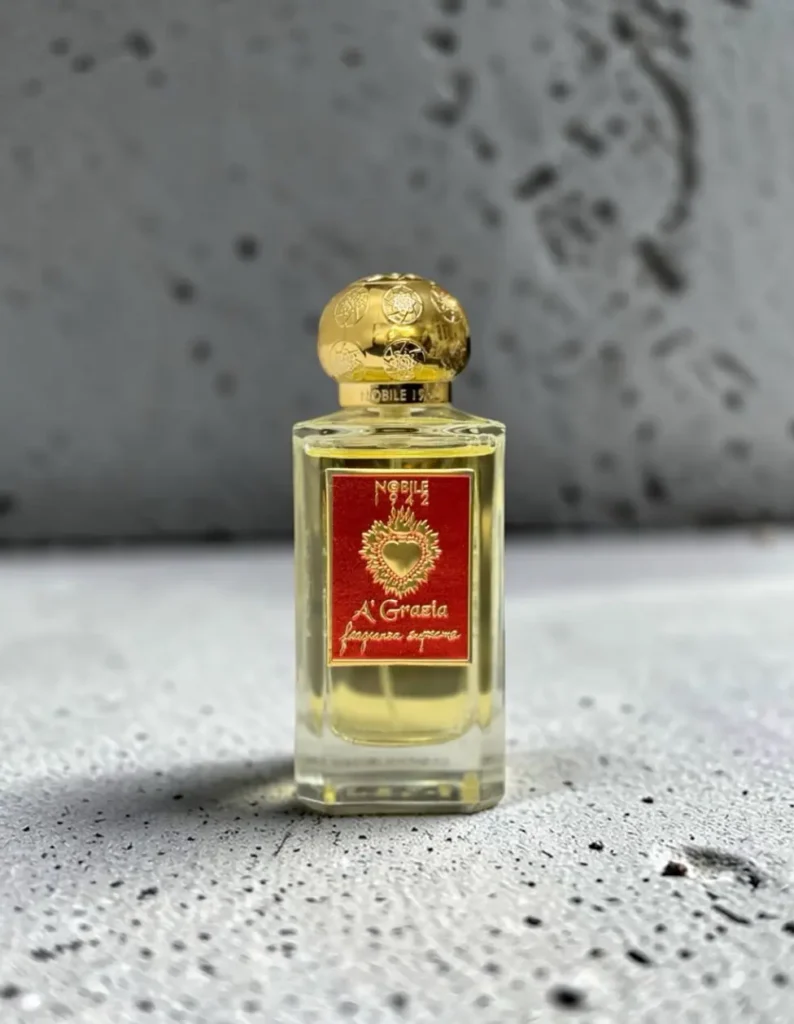
Before Manuel Cross became a perfumer, he spent approximately 25 years working as a chef. The connection between cooking and perfume makes intuitive sense. Both involve raw materials, proportion, memory and the difficult art of knowing when enough is enough. Cross’s path into fragrance reportedly began after a favorite cologne was discontinued. 

What started as curiosity turned into years of study. Rogue Perfumery now occupies a particularly interesting corner of American independent fragrance. These perfumes often feel vintage without becoming reproductions. Chypres, mosses, florals and old-school masculine structures return, but in the hands of somebody making them today.
Start with: Chypre-Siam, Mousse Illuminee, Bon Monsieur.

10. Miguel Matos

Miguel Matos perfume
Miguel Matos did something unusual. He spent years judging perfume before deciding to make it. The Portuguese perfumer came from art and culture journalism and became a fragrance critic and editor. He began teaching himself, reading extensively and experimenting with raw materials until perfumer Christian Carbonnel encountered his early work and encouraged him.So Matos eventually became a practicing perfumer. His work can reference vintage perfume, club culture, art, camp and deliberately uncomfortable combinations. The goal is not always conventional beauty. His own label describes itself as ultra-niche, with small batches made around emotion, memory and experimentation.
For anyone bored by niche perfumery becoming too polished, Matos is worth following.
Start with: Tar, Electric Dreams, Fado Jasmim.

Five More Niche Perfumers to Watch

The world around independent perfumery is much larger than ten names. These five deserve a place on the radar too.

Hiram Green

Hiram Green perfume
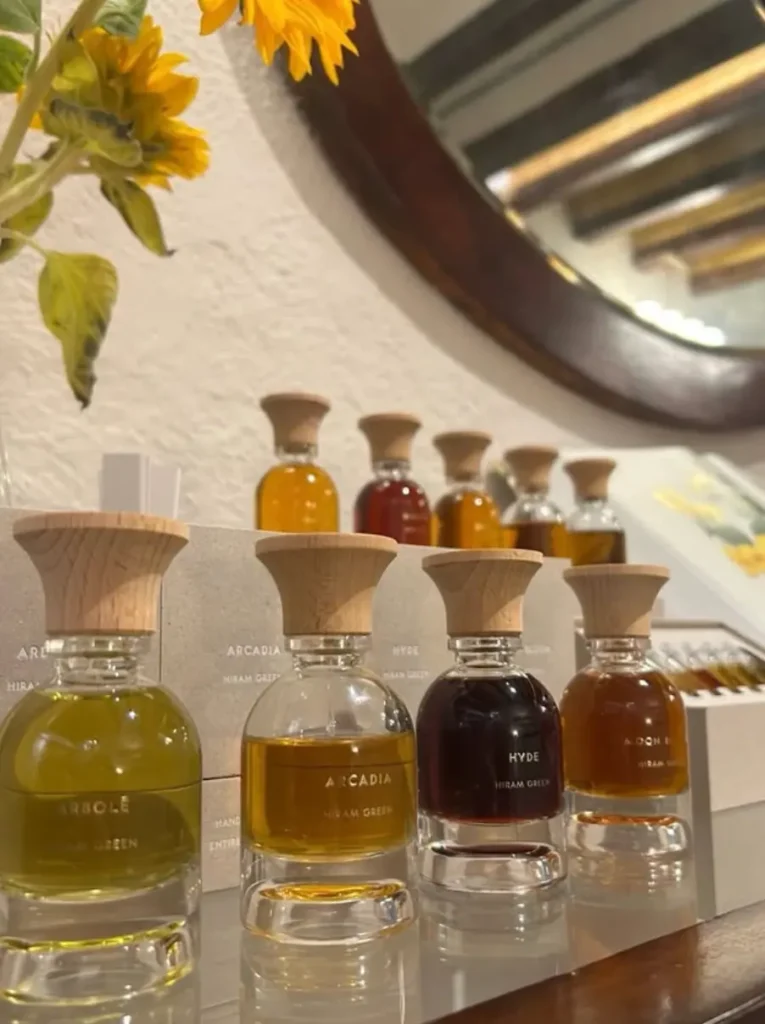
A Canadian self-taught perfumer working outside Amsterdam, Green formulates exclusively with natural ingredients and makes his fragrances in small batches. His first fragrance, Moon Bloom, appeared in 2013, while Hyde won the Art and Olfaction Artisan Award in 2019.
Try: Moon Bloom, Slowdive, Hyde.

Liz Moores

Liz Moores papilon
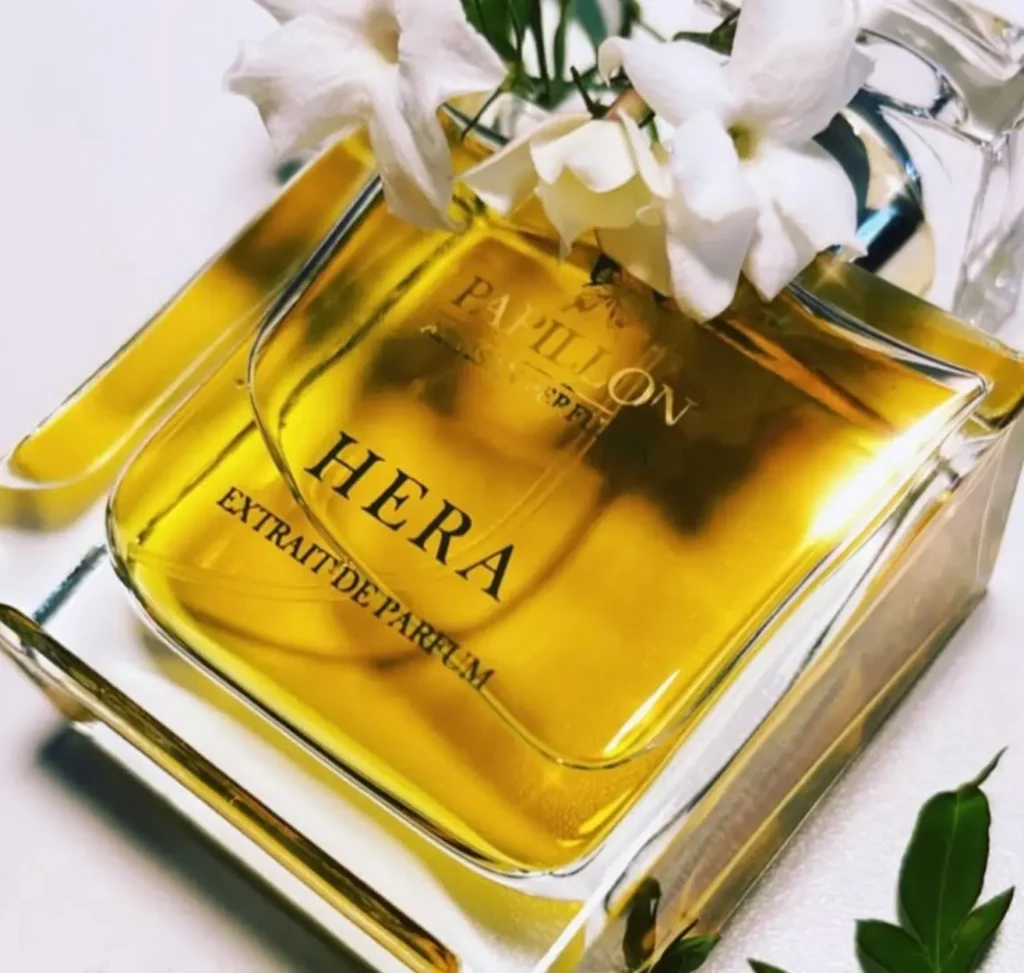
The founder-perfumer behind Papillon Artisan Perfumes started experimenting at her kitchen table around 2010. The house officially debuted in 2014. Her influences include literature, historical periods, art and the natural world.
Try: Anubis, Salome, Bengale Rouge.

Hans Hendley

Hans Hendley perfumes
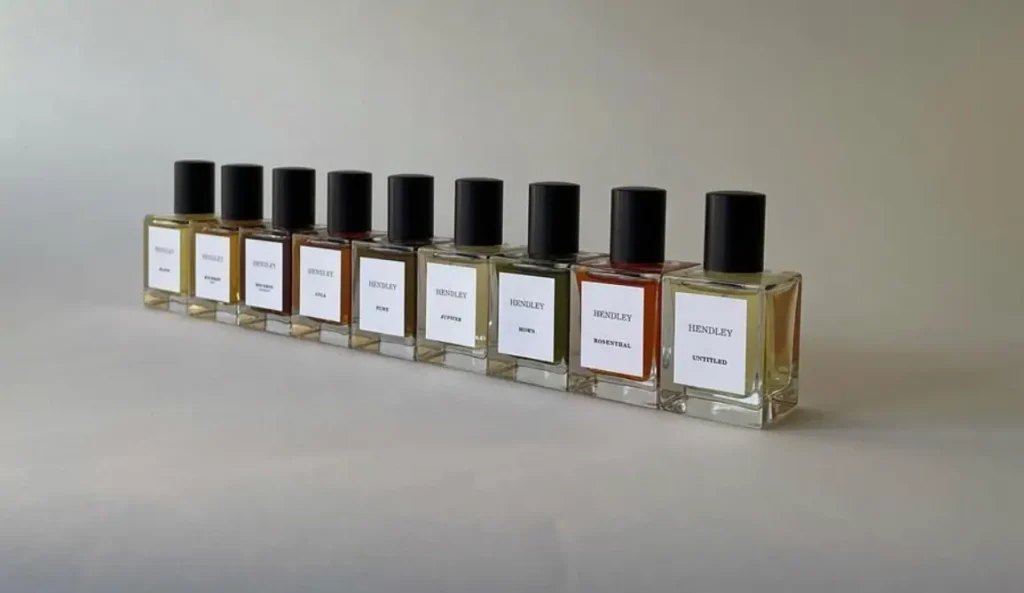
Hendley represents niche perfumery in its most literal artisanal form. His independent practice was founded in 2014, and he personally formulates, blends, bottles, labels and ships his perfumes.
Try: Bourbon, Fume, Mown.

Josh Lobb

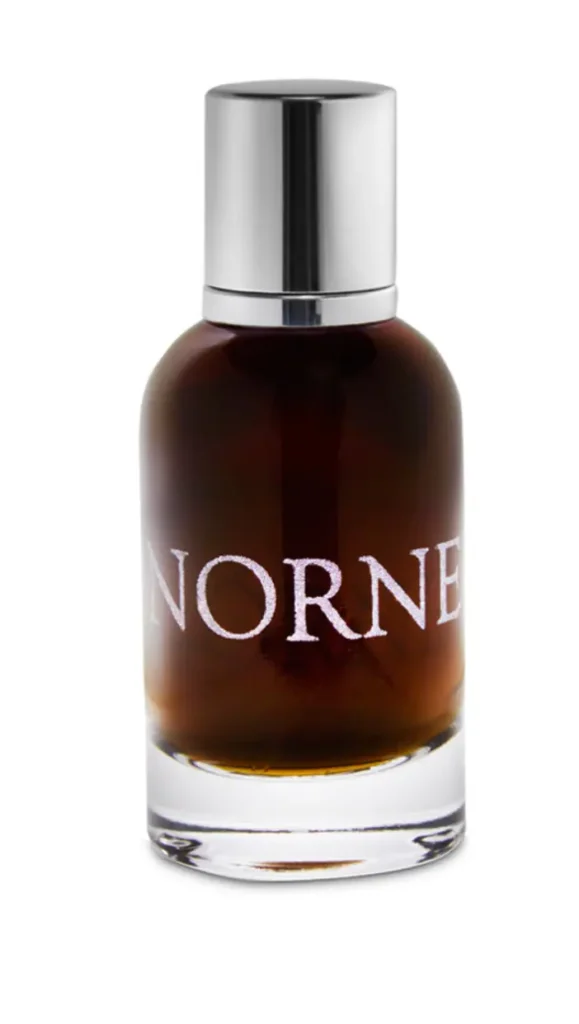
Josh Lobb norne perfume
Portland-based Slumberhouse has developed the kind of cult following usually associated with underground music labels. Lobb is self-taught, produces intensely concentrated fragrances and releases some work in quantities small enough that availability itself becomes part of the mythology.
Try: Norne, Jeke, Ore.

Spyros Drosopoulos

Spyros Drosopoulos perverso
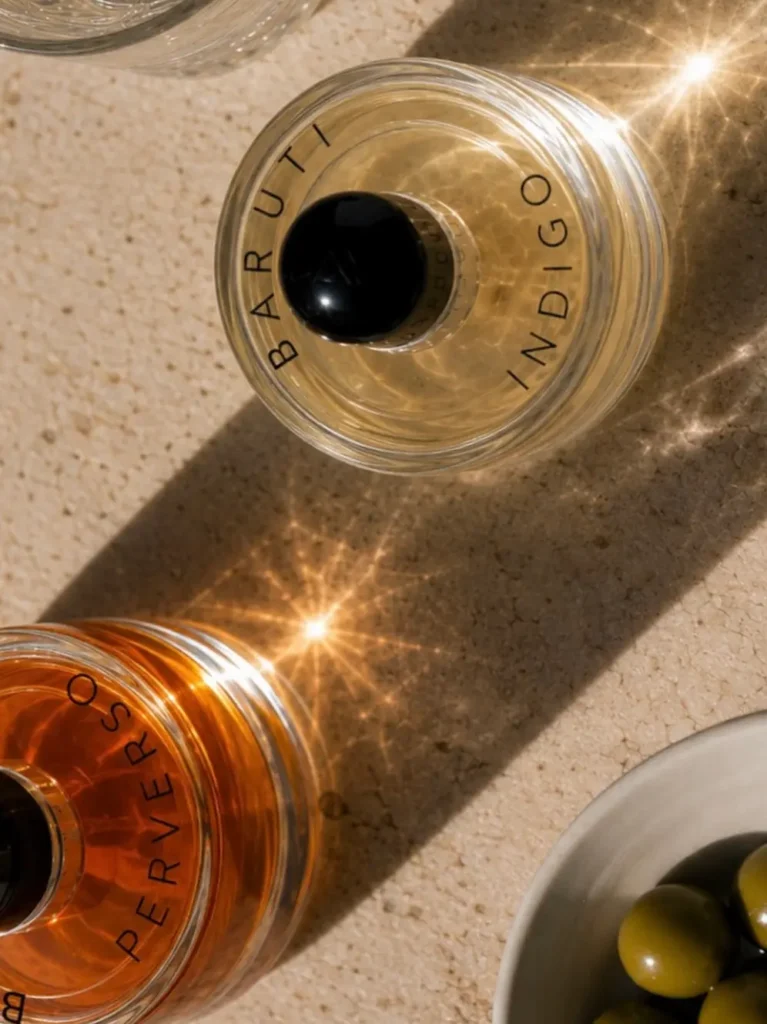
Possibly the most unexpected résumé here belongs to the founder of BARUTI. Drosopoulos studied psychology and completed a PhD focused on sleep and memory consolidation before a perfume workshop redirected his career. He eventually left academia for fragrance, and today his work extends into live scent performance, teaching and experiments involving AI and perfumery.
Try: Tindrer, Perverso, Chai.

Conclusion

The most interesting niche perfumery today is not simply about rarity, price, or exclusivity. It is about authorship. The perfumers on this list have built worlds around scent. Their backgrounds in music, architecture, cinema, art, chemistry and gastronomy shape the way they approach fragrance. 

Filippo Sorcinelli cannot be separated from his work with sacred vestments, organ music, and religious items. Alessandro Gualtieri brings instinct and provocation into fragrance. Francesca Bianchi creates sensual compositions that feel almost tactile. Russian Adam approaches perfume through raw materials and traditional distillation. Prin Lomros treats fragrance as another form of storytelling.

Niche perfume bottles are not simply a luxury product. It becomes an extension of the person who created it. Niche perfume feels like discovering artists more than anything else.

Frequently Asked Questions

What is a niche perfumer?

A niche perfumer usually works with highly specialized fragrance. In the most interesting cases, the perfumer has significant creative control and a recognizable personal style. The perfume is rare and more difficult to find than mass production perfumes.

What makes niche perfume different from designer perfume?

Designer fragrances are usually created for fashion houses and are intended for relatively broad distribution. Niche perfume traditionally places more emphasis on fragrance itself, experimentation, unusual materials and the creative identity of the perfumer and they are intended for a niche use as well.

Who are the best niche perfumers to know?

There is no single definitive ranking, but here is the perfumers that we like to highlight in this niche: Filippo Sorcinelli, Alessandro Gualtieri, Meo Fusciuni, Antonio Gardoni, Francesca Bianchi, Andy Tauer, Prin Lomros, Russian Adam, Manuel Cross and Miguel Matos. Each has a very different approach, which is one of the reasons niche fragrance is such an interesting category to explore.

Who is Filippo Sorcinelli?

Filippo Sorcinelli is an Italian artist, musician, designer and perfumer. He founded the sacred vestment atelier LAVS and later created his fragrance project UNUM. His perfumes are heavily influenced by music, spirituality, Gothic architecture, religious imagery and his personal artistic world. Fragrances such as Reliqvia, Opus 1144 and Quando Rapita in Estasi have helped make him a cult figure in artistic niche perfumery.

Which niche perfumer should I discover first?

It depends on your taste.

If you are drawn to dark, spiritual, incense-heavy fragrances, start with Filippo Sorcinelli.

If you prefer bold and provocative fragrances, explore Alessandro Gualtieri.

For sensual leather, iris and animalic compositions, try Francesca Bianchi.

If you like atmospheric amber, desert air, incense and spices, Andy Tauer is an excellent starting point.

For experimental storytelling and unusual cultural references, explore Prin Lomros.

What are some cult niche perfumes worth smelling?

A strong introductory selection would include:

Filippo Sorcinelli: Reliqvia

Alessandro Gualtieri / Nasomatto: Black Afgano

Meo Fusciuni: Viole Nere

Antonio Gardoni / Bogue: MAAI

Francesca Bianchi: The Dark Side

Andy Tauer: L’Air du Désert Marocain

Prin Lomros: Salted Green Mango

Russian Adam / Areej Le Doré: Russian Musk

Manuel Cross / Rogue Perfumery: Chypre-Siam

Miguel Matos: Tar

These fragrances are very different from one another, which makes them a good introduction to how broad independent perfumery can be.

Are niche perfumes always expensive?

No. Some are extremely expensive because they use costly raw materials, have small production runs or are made using labor-intensive techniques. Others are priced similarly to luxury designer fragrance.

Are niche perfumes stronger or longer lasting?

Not necessarily. Some niche fragrances are extremely concentrated and can last for many hours. Others are deliberately soft, transparent or intimate. Longevity depends on the formula, concentration, ingredients and the artistic intention behind the perfume.

Is niche perfume becoming mainstream?

In some ways, yes. Brands that were once considered underground are now sold internationally and have large audiences. At the same time, a new generation of very small independent houses continues to appear.

COMMENT

There are no reviews yet. Be the first one to write one.

Actually, this article could
be in your email

Featured materials from FOXYLAB MAGAZINE
are available in our newsletters.
Subscribe and get a dose of inspiration!

more articles

A whole world on the tip of a pencil. The story of an artist who proved that true art has no limits and that it is never too late to start all over again.
READ MORE ARTICLES

International fashion icon and symbol of Parisian style, Ines de la Fressange is one of the most famous women in France.

Anastasia Pilepchuk is a Berlin-based artist with Buryat roots. She creates masks and face jewellery inspired by the nature and the culture of her beautiful region.

A whole world on the tip of a pencil. The story of an artist who proved that true art has no limits and that it is never too late to start all over again.


Search

FOLLOW US ON