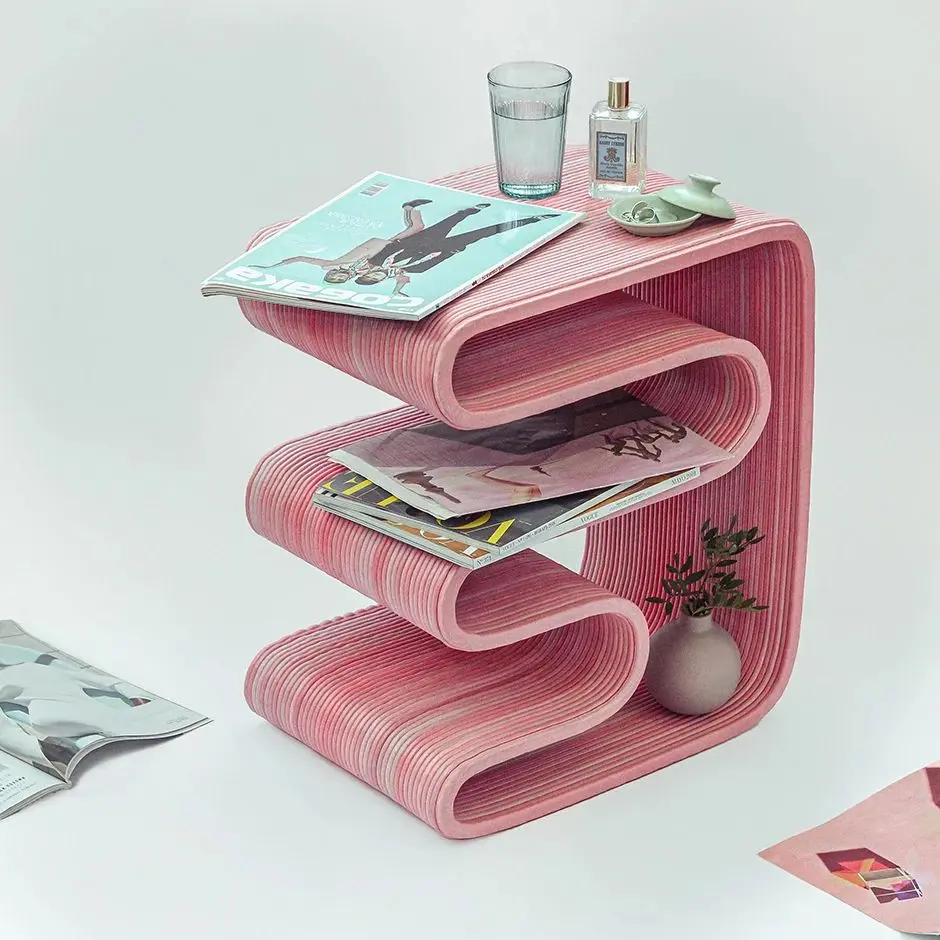
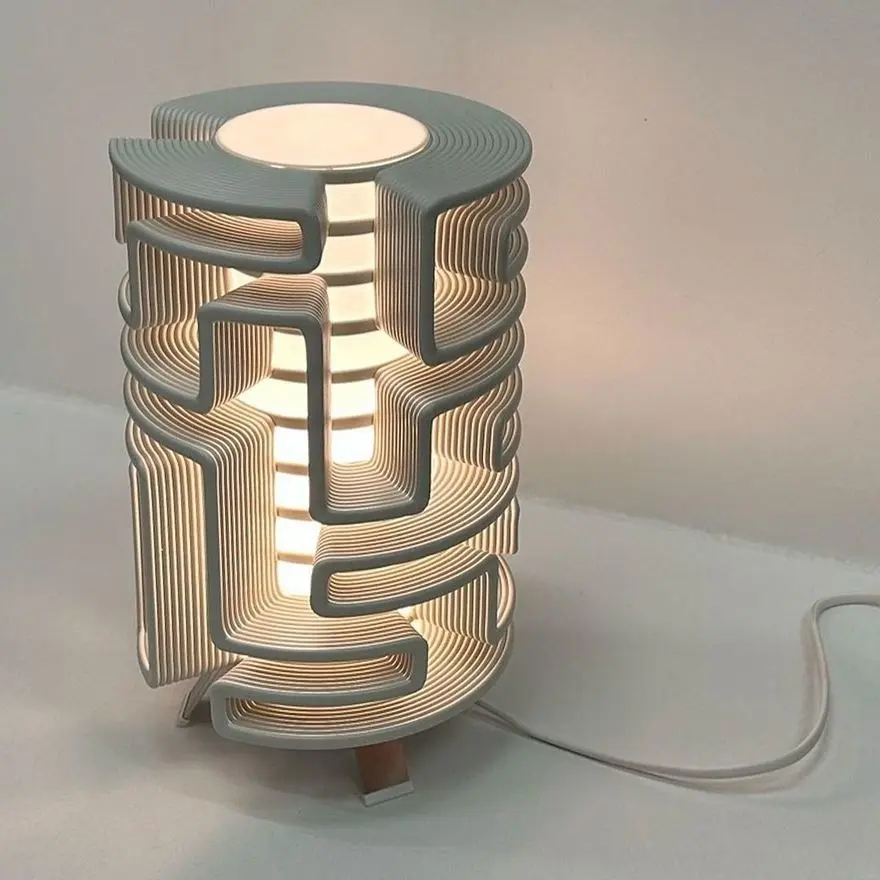
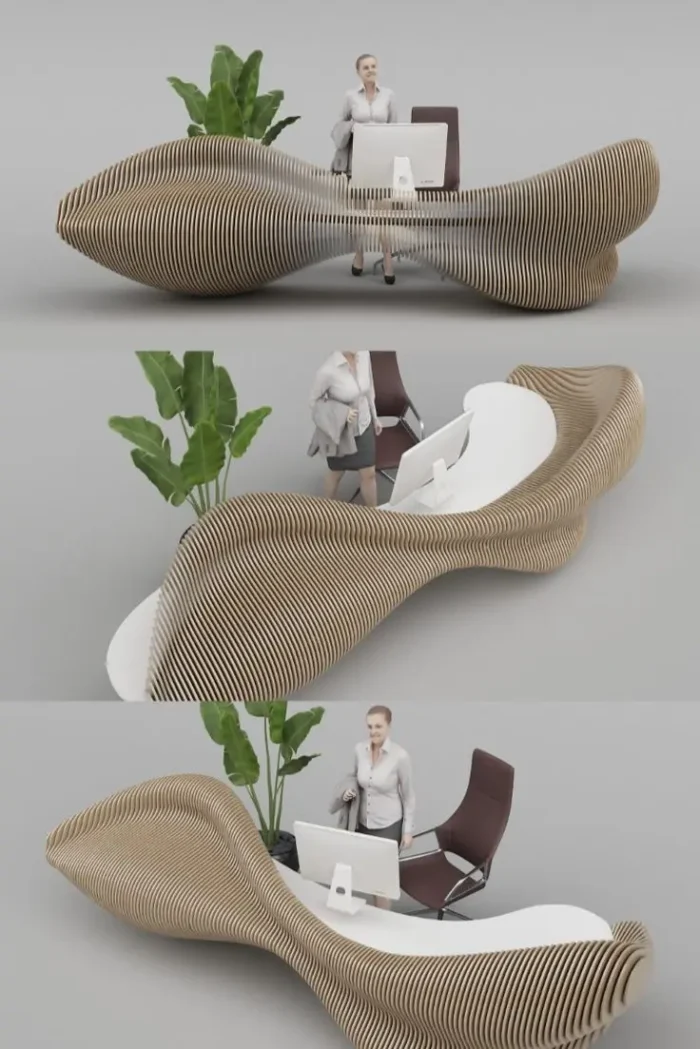
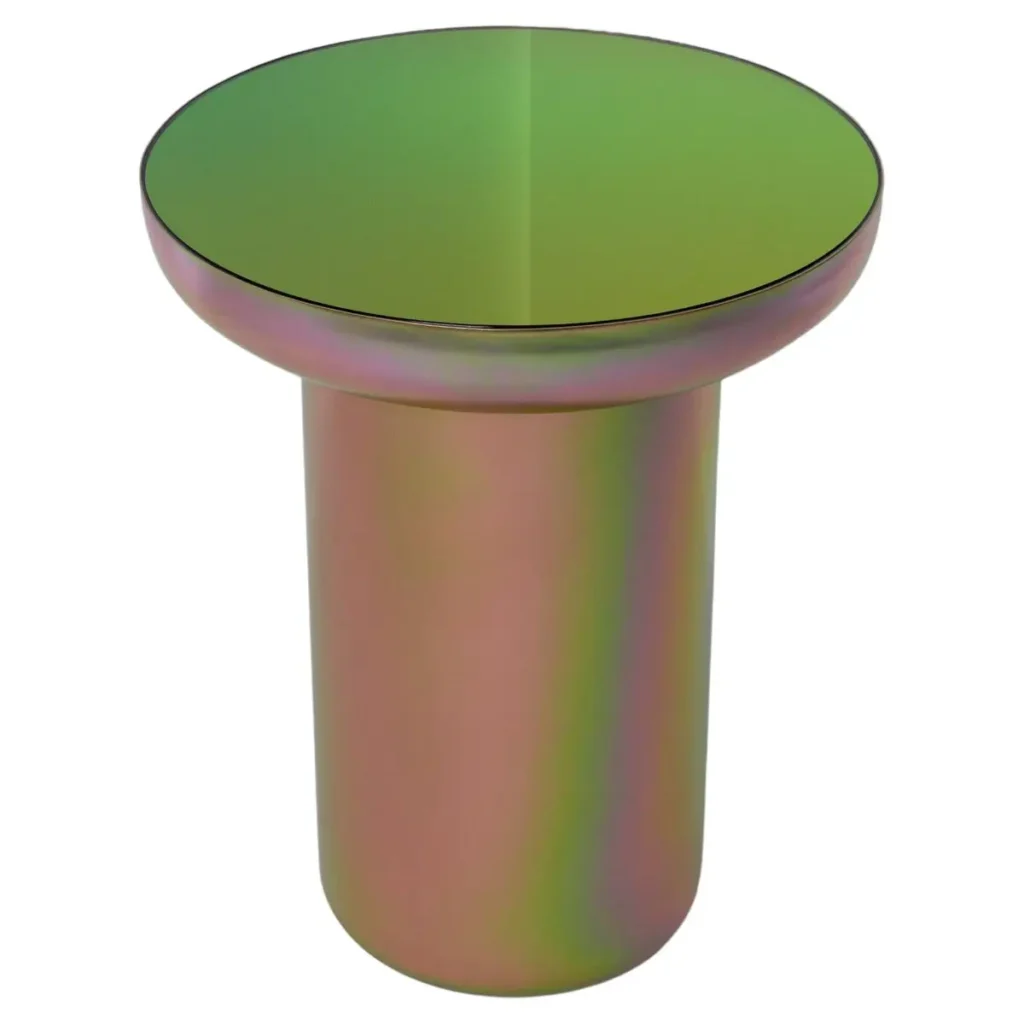
3D-printed furniture has multiple uses because manufacturers now offer a wide selection of materials which serve design purposes. The market leads with PLA (Polylactic Acid) because it offers simple operation and it comes from plants. Designers select PETG and ABS materials for their high durability and heat resistance needs but they choose Nylon because of its exceptional strength-to-weight performance and flexible properties which suit interlocking joint applications. The production of wood-filled filaments which combine 70% PLA with 30% recycled sawdust, enables the creation of chairs and tables that duplicate the appearance and texture of natural wood while releasing its characteristic scent. The industrial and architectural sectors use concrete 3D printing to transform outdoor furniture design, while metal-filled composites and carbon-fiber-reinforced polymers enable the production of weightless high-performance items which were beyond manufacturing capabilities.
Sustainability is one of the strongest arguments for 3D printed furniture. Traditional furniture manufacturing often produces excess waste and requires large-scale transportation. In contrast, 3D printing uses only the necessary material, significantly reducing waste. Furniture can be printed locally, cutting down on shipping emissions and supporting local production. Additionally, damaged parts can be reprinted instead of replacing the entire piece, extending the life cycle of the furniture.
The current global market shows these essential furniture innovations which lead industry trends.
The decreasing size of urban residential areas has led to the development of furniture which functions as a flexible system. The “Chameleon” trend consists of items which completely change their function when moving from morning to evening.
Technology has evolved from being an additional feature to becoming a non-existent element in operations.
Users can now control their tables and beds through voice commands because these products have become part of smart home systems which enable them to change desk heights and bed angles.
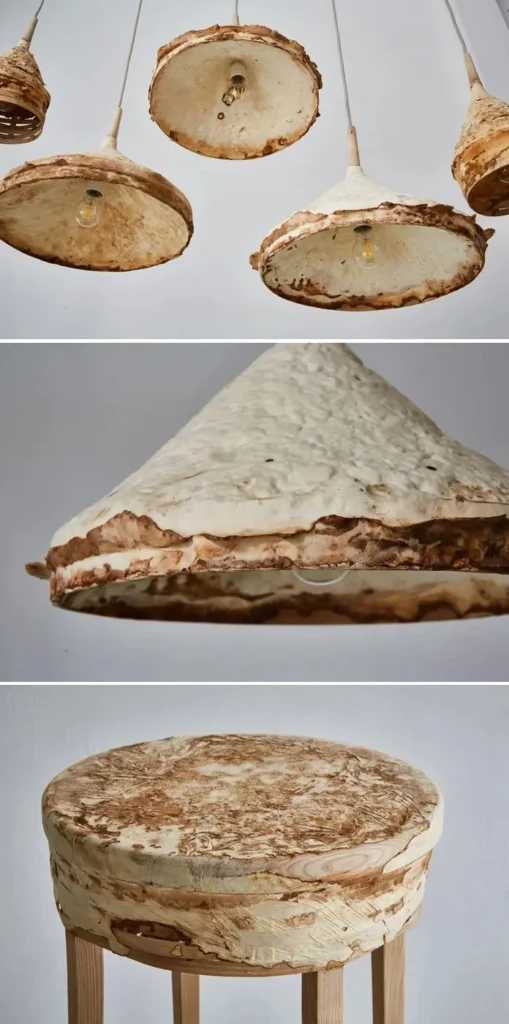
Biophilic & “Growing” Materials Innovation extends beyond electronic components because it involves biological elements.
The industry has started to adopt a new business approach which focuses on fixing products instead of discarding them.
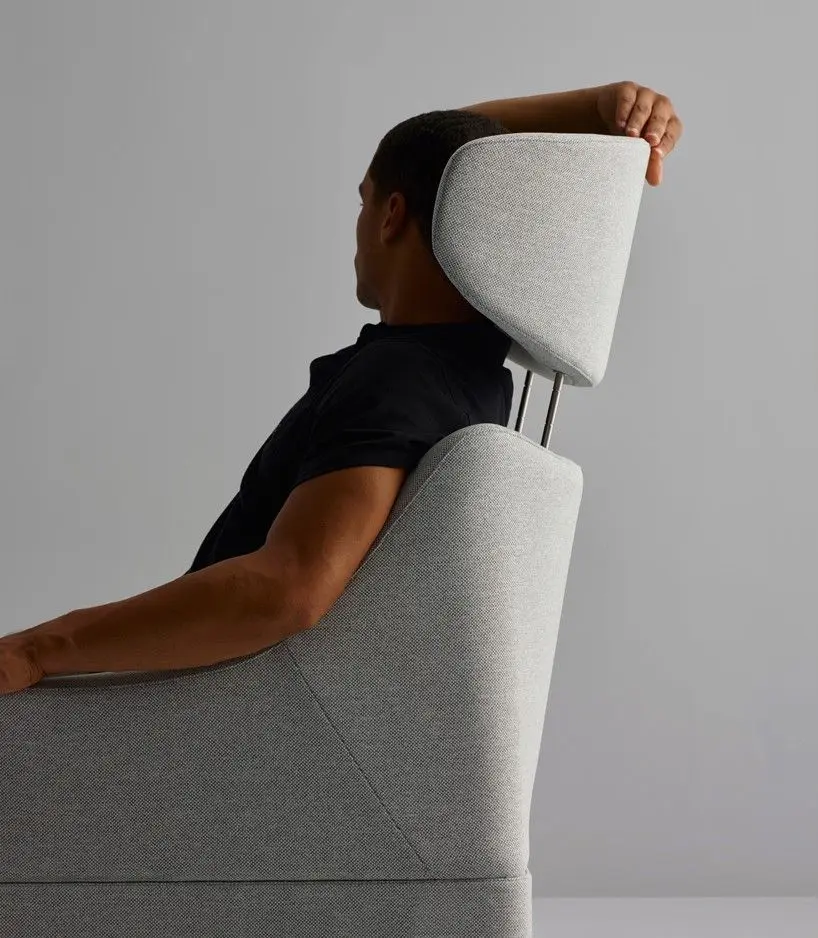
The production of organic shapes remains difficult for traditional manufacturing methods. The production of curves and hollow lattice structures and intricate internal supports requires costs which exceed what can be achieved through wood carving. 3D printing operates best when it needs to handle intricate designs. Designers have the ability to design ergonomic chairs which duplicate bird skeletal structures and tables that have a liquid-like appearance.
The world of 3D printing now operates under a standard which enables mass customization. The absence of costly mold creation allows designers to modify digital files which match individual customer measurements including height and weight and room dimensions at no additional production expense.
The technology creates an impressive experience but it needs to overcome multiple obstacles to achieve complete substitution of your current IKEA store.
The market for 3D furniture will experience mainstream adoption during 2026 because of multiple essential industry patterns.
The field of 3D-printed furniture has evolved from laboratory testing to become an expanding market which unites creative design with technological expertise. The future of furniture will allow people to download designs which they can customize before printing them into perfect fittings for their personal needs.