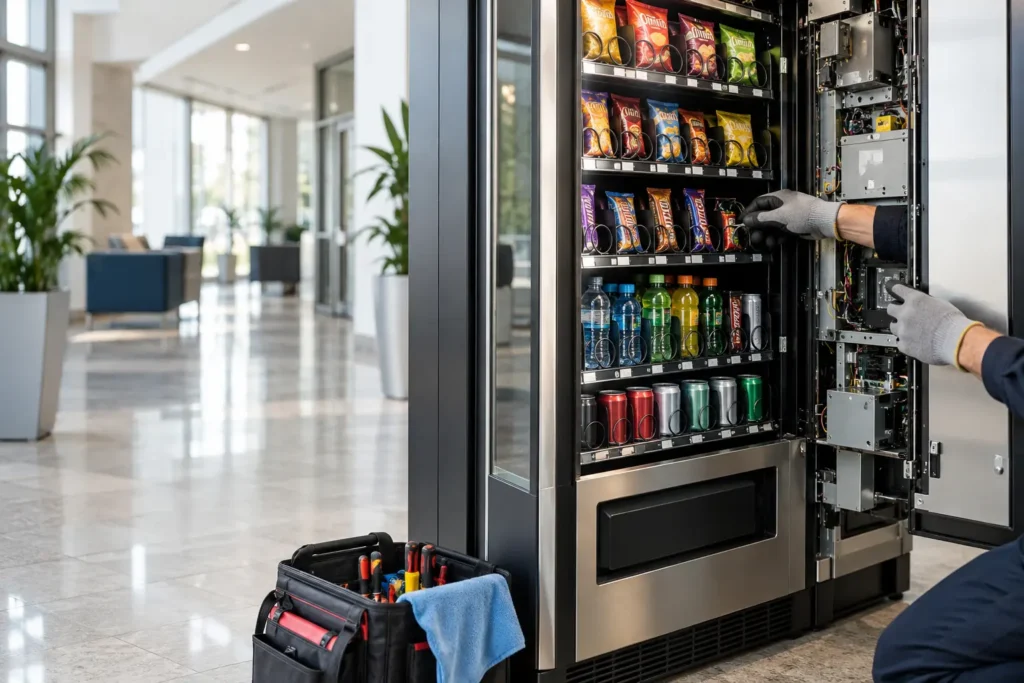
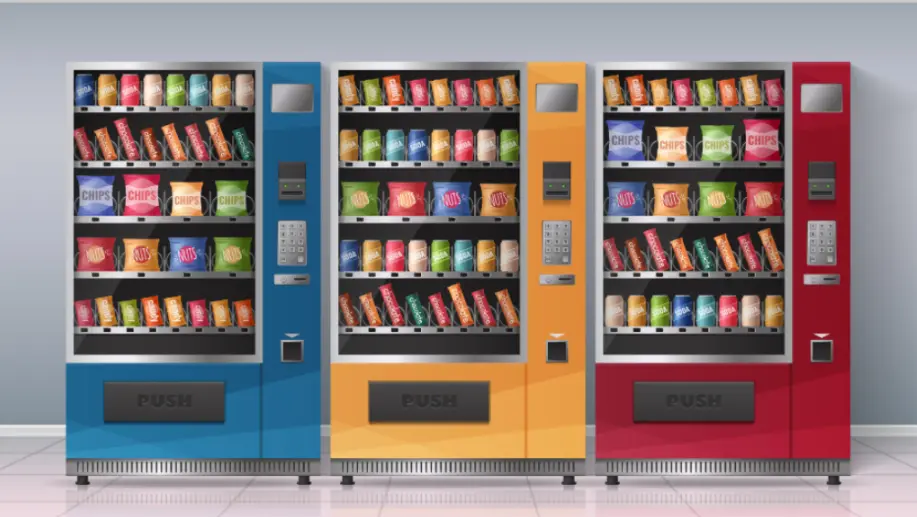
Vending machines make it easy to buy snacks, drinks, or other essentials without waiting for someone to help. Businesses rely on them to operate in offices, schools, hospitals, and public areas to serve customers throughout the day. But regular maintenance is crucial because frequent use causes wear and tear over time. If the vending machine isn’t maintained properly, it may fail to take money, dispense items, cool, or run properly for various reasons. These issues can frustrate consumers, reduce sales, and increase operators’ repair workload. Regular maintenance helps detect minor problems before they become larger issues. Knowing which activities to focus on helps operators stay on top of maintenance needs and keep machines in good working order. A well-defined maintenance schedule can improve equipment reliability and extend its service life by cleaning internal components and inspecting mechanical parts.
These 5 basics play a vital role in keeping vending machines running smoothly.
Regular cleaning prevents dirt buildup, protects internal parts, and keeps products in a healthy environment. Customers frequently use vending machines, leaving fingerprints, dust, spills, and other contaminants on the outside of the machines. Operators should wipe down the machine’s exterior, including payment terminals, product selection panels, dispensing areas, and buttons. Cleaning these surfaces improves the customer experience and prevents dirt from interfering with commonly used controls. The same cleaning practices apply inside the equipment, especially for food and beverage machines. The operator should keep shelves, trays, and accessible compartments free of dust, debris, and product residue.
In addition to the above practices, cleaning should include appropriate attention to drainage areas and other parts of the machine that may collect moisture when handling refrigerated products. Use appropriate cleaning products and techniques on food-contact surfaces.
Operators should periodically check dispensing trays, motors, spirals, and product guides for obvious damage or blockages. Product placement should be adequate so that products can easily be moved when selected. Oversized products, incorrectly loaded products, or products placed at awkward angles can cause jams and missed customer deliveries. When running a scheduled maintenance test, test each choice to catch problems that aren’t immediately noticeable. Operators should check that the product drops properly and that the machine registers each transaction accurately. If you hear unusual sounds, the machine doesn’t move smoothly, or multiple dispenses fail, investigate before it causes more serious damage.
Testing payment systems and electrical connections helps ensure uninterrupted customer payments. Modern vending machines accept cash, bank cards, contactless payments, and mobile payments. These systems involve electronic components that must work properly with the machine’s control board. Even if the machine works fine, a payment reader malfunction, a loose connection, or a software problem can prevent customers from making purchases. Operators should regularly test payment options to ensure transactions process properly. Cash-based machines can include check validators, coin mechanisms, and change dispensers. Operators should inspect cashless systems for physical damage and loose connections, and ensure they respond correctly to transactions.
They must also check electrical connections for damage, loose wires, overheating, and corrosion. If these repairs are electrical, only a qualified technician should perform them after safely disconnecting the equipment from its power source. Responding quickly to electrical issues can reduce the risk of unplanned shutdowns and prevent further damage to sensitive components.
Cleaning and maintaining cooling and ventilation systems helps ensure a refrigerated vending machine stays at the right temperature. Refrigerated vending machines rely on refrigeration systems to keep drinks, snacks, and other items that require cold storage refrigerated. However, these systems can malfunction, making the product inedible and causing the machine to use more energy to maintain the set temperature. Operators should verify the internal temperature and ensure cooling systems run within the manufacturer’s recommended ranges.
They should also check for dust and obstructions in air vents, fans, and accessible condenser areas, which can hinder airflow. Ventilation blockages can cause components to overheat and reduce cooling performance. Also check door seals and gaskets regularly, as compromised seals can let warm air into the machine. This reduces cooling efficiency and can cause temperature fluctuations. Schedule professional inspections if you notice unusual compressor sounds, constant temperature fluctuations, or excessive condensation. Good maintenance can help safeguard products and improve machine efficiency.
Operators should conduct regular inventory checks and monitor performance to detect issues and avoid unnecessary downtime. Restocking vending machines regularly helps maintain customer satisfaction and sales. Stock, remove expired or damaged items, and load with care to prevent overfilling compartments or interference with dispensing. Another benefit of inventory checks is that they can surface recurring issues. Frequent product jams can indicate a dispensing problem or the wrong package. Operators should also check error messages, sales reports, and machine alerts (where available). A simple maintenance log helps you track problematic areas and plan proactive maintenance.
Vending machine maintenance is more than just fixing problems as they arise. Regular cleaning, mechanical inspections, payment system tests, cooling system maintenance, and inventory monitoring can help operators avoid common problems and reduce unexpected downtime. A consistent maintenance routine helps businesses protect their equipment, improve the customer experience, and avoid expensive repairs. Regular inspections, along with prompt professional support, also help keep vending machines reliable and prepared for everyday use.