As the digital age advances, museum exhibitions and gallery walls are no longer the only places where art is displayed. Art has been transformed through virtual galleries, which have changed how people experience, collect, and interact with it. From immersive 3D exhibitions to NFT marketplaces and VR museum tours, the art world is expanding beyond geography and time zones. Artists, curators and collectors now have access to global audiences with just a click. Virtual art galleries are not just a temporary trend; now they represent a powerful shift in how creativity is displayed and consumed. In this article, we will let you guide all about virtual art galleries so let start it:
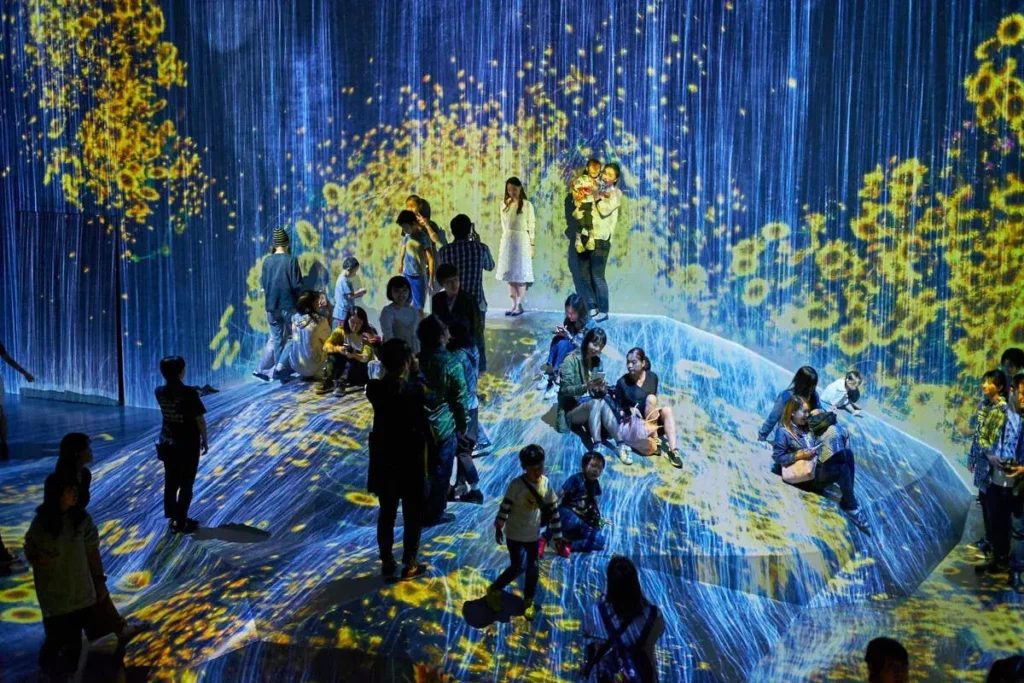
Not that clicking through a scrolling website or a digital catalog is called a virtual gallery, yet today’s online versions act like so much more. By 2026, these spaces seem too real, pulling viewers in with immersive environments that mimic depth, sound and light also it feels like you are physically standing there.
These three types of categories are usually seen:
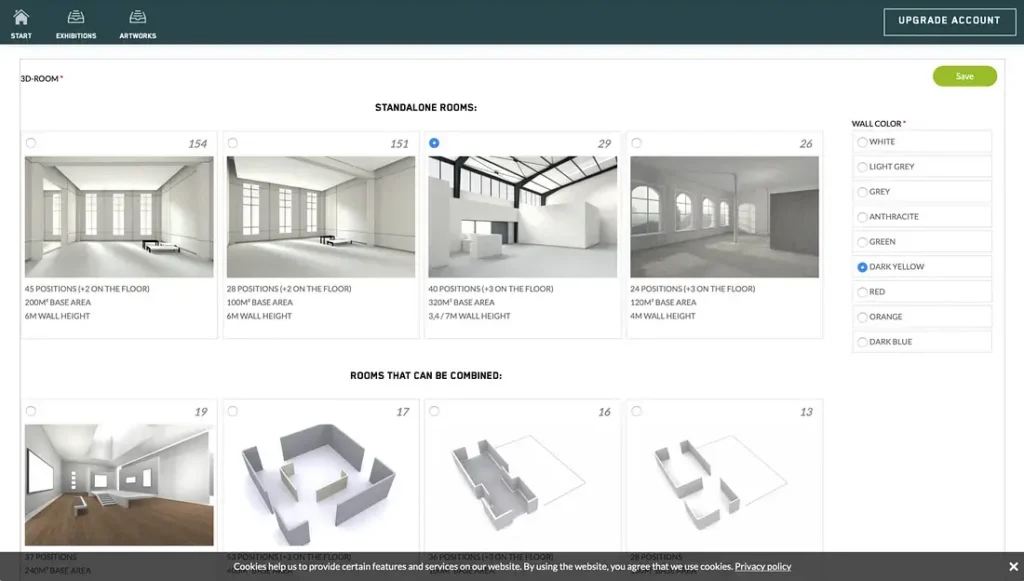
When lockdowns hit virtual art galleries suddenly felt popular because museums shut down due to COVID-19 and artists found new ways to show work fast. Online tours popped up overnight from places once crowded and digital exhibits filled screens more than walls did. Right now, major museums such as the Louvre, the British Museum and the Metropolitan Museum of Art let people explore their galleries through web pages online and virtual tours. Meanwhile, individual creators now turn to tools like Artsteps, Kunstmatrix, or Spatial to build a digital exhibition of their own work.
Virtual art galleries provide major advantages for creators:
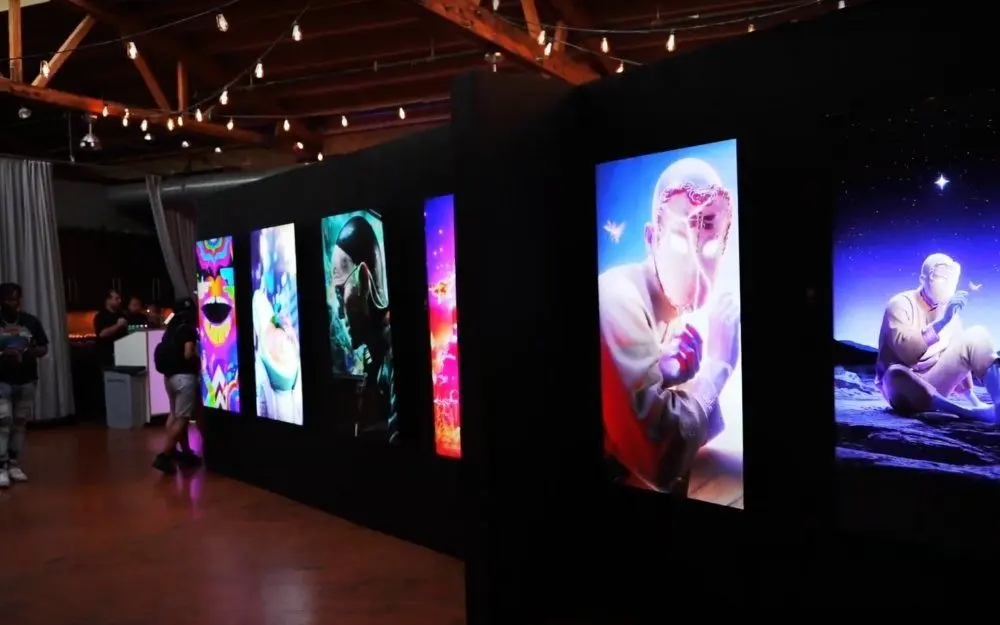
For emerging artists especially, virtual galleries offer visibility without gatekeepers. This development blurs the line between gaming, technology, and fine art. Artists can create entirely digital experiences rather than static pieces.
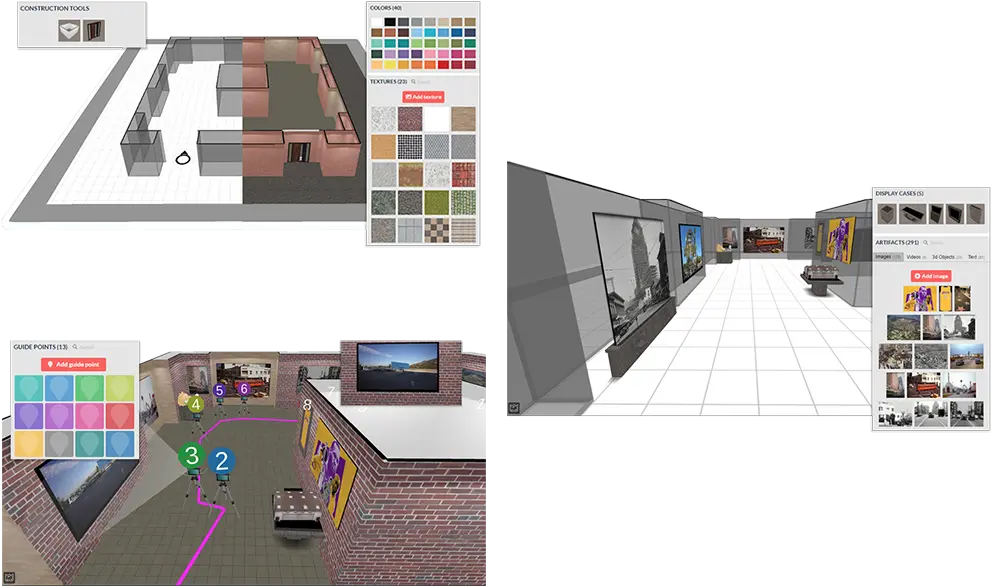
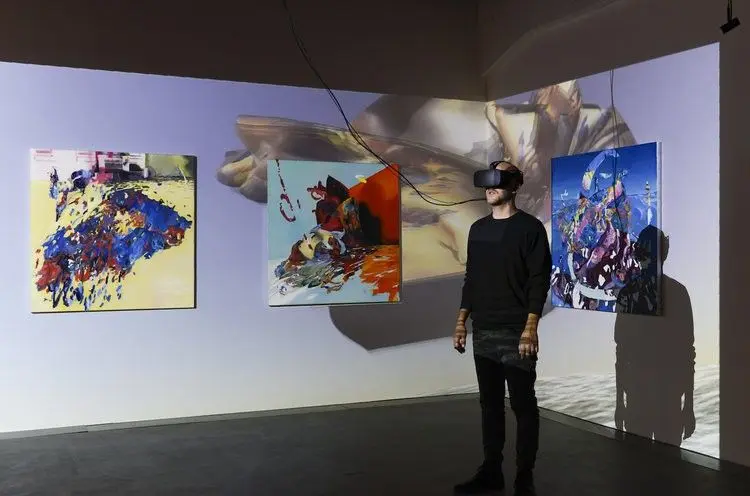
What makes virtual art galleries stand out is that they build lifelike three-dimensional displays. Tools such as Kunstmatrix or Artsteps let creators craft digital rooms that are like actual galleries, almost exactly like walking into one. These setups mimic real-world exhibit areas, giving visitors a sense of depth and presence.
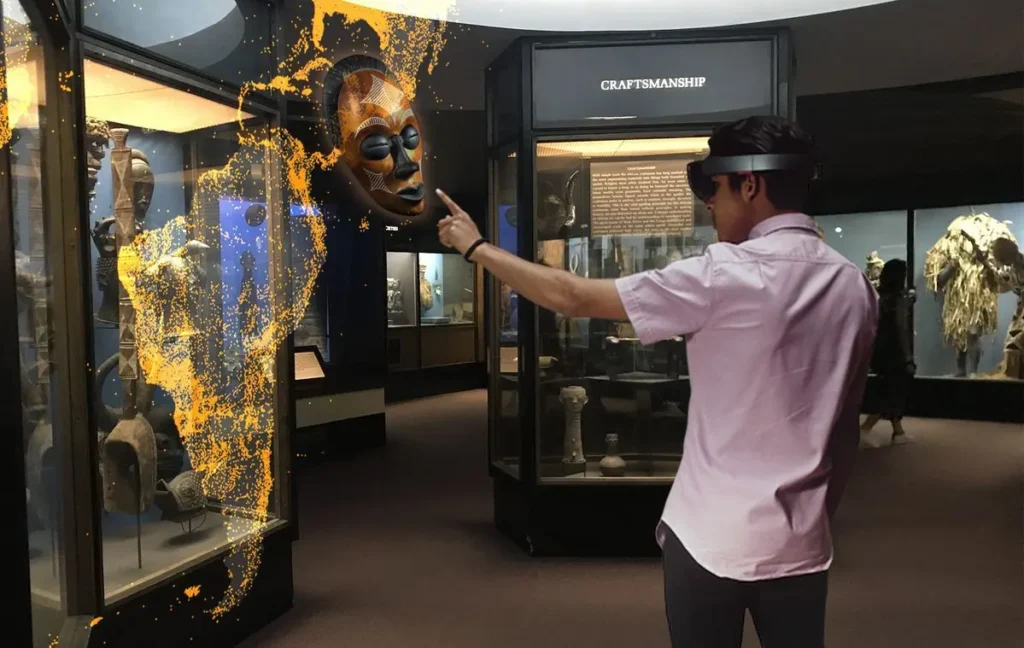
Some platforms even nowadays giving support for VR headsets which creates a fully immersive experience same like physically being in a museum.
Beyond still pictures, virtual galleries allow creators to weave in dynamic elements. These spaces grow through the inclusion of things like:
Some virtual galleries let you buy right away. Often they come with
Using web links tied to NFT stores, creators can trade digital creations while proving real possession via blockchain tools. Inside digital worlds such as Decentraland, members buy and show NFTs within virtual environments. This feature is giving benefit to independent artists by eliminating middlemen.
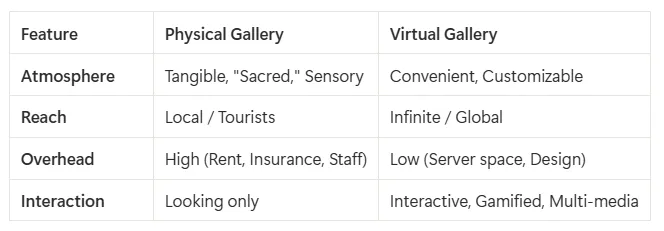
Location and money hurdles fade when virtual space takes over. Watching from the UK, the United States, or Europe feels like stepping into the same room – no travel needed. Major institutions such as The Metropolitan Museum of Art and The British Museum offer digital collections that can be explored anytime.
Even though they help but virtual galleries still run into problems like :
Some people prefer holding a brush instead of swiping a screen. Seeing real paintings on walls gives them something intangible.
A quick look over the table helps the reader digest the pros and cons:
We aren’t seeing the death of physical galleries but rather the birth of the “Phygital” model. Artificial intelligence, blockchain along with immersive techs are reshaping entire industries. Faster internet connections are spreading while VR tools grow more accessible – so digital art galleries might become mainstream rather than alternative. Now lets check how Tech Trends Shaping 2026
Out in the digital world, art shows are changing how pieces get seen, felt, and sold. Because they exist online, empower independent artists and create immersive digital experiences. These spaces may lack the real-world touch of holding a brush or walking into a room with art on the walls. Still, what emerges is fresh ways for artists to express themselves, and wider doors for others to join in. Where technology shapes most things now, virtual art galleries show not the art but become an evolution of art itself.
Pick an online space for art, like Kunstmatrix or Artsteps.
Ready now, step into the digital show whenever you like.
No. Virtual galleries can display all types of art including from classical and historical collections to modern, contemporary and fully digital works.
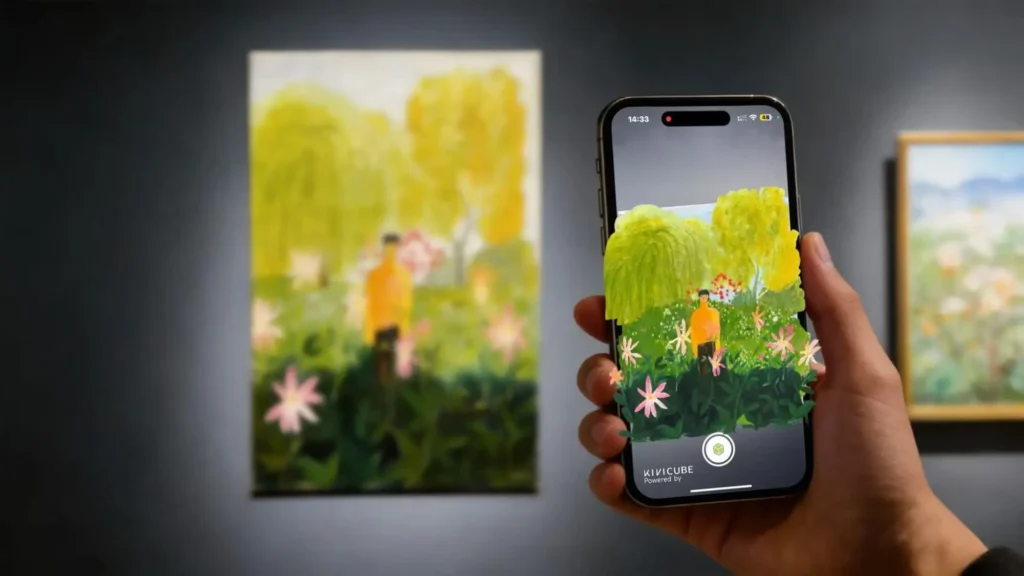
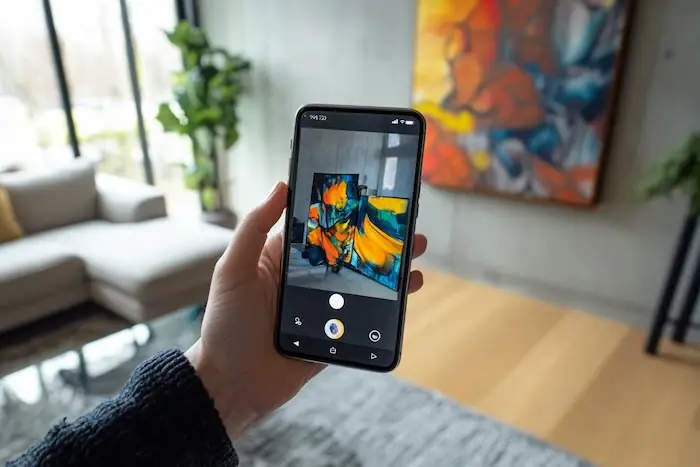
Yes. Many platforms now include Augmented Reality tools which allow you to preview artwork on your wall by using your smartphone or tablet camera before making a purchase.
Not completely. Virtual galleries are designed to complement, not replace the physical spaces. They expand reach to global audiences and provide additional interactive features.