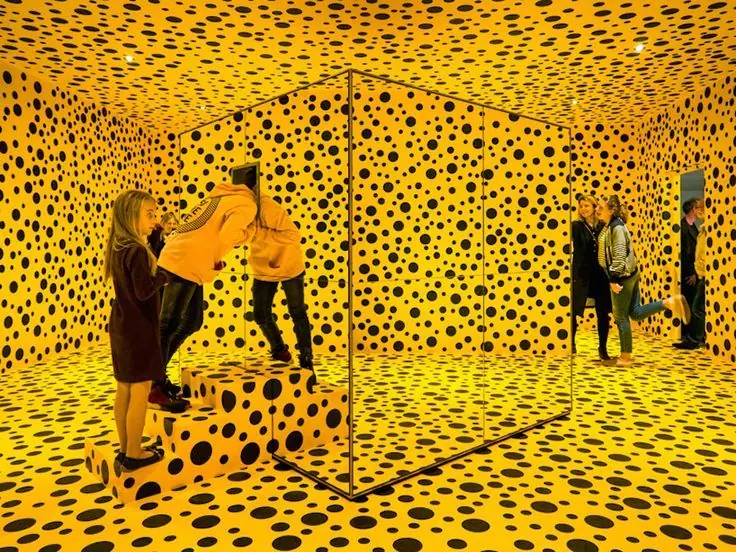
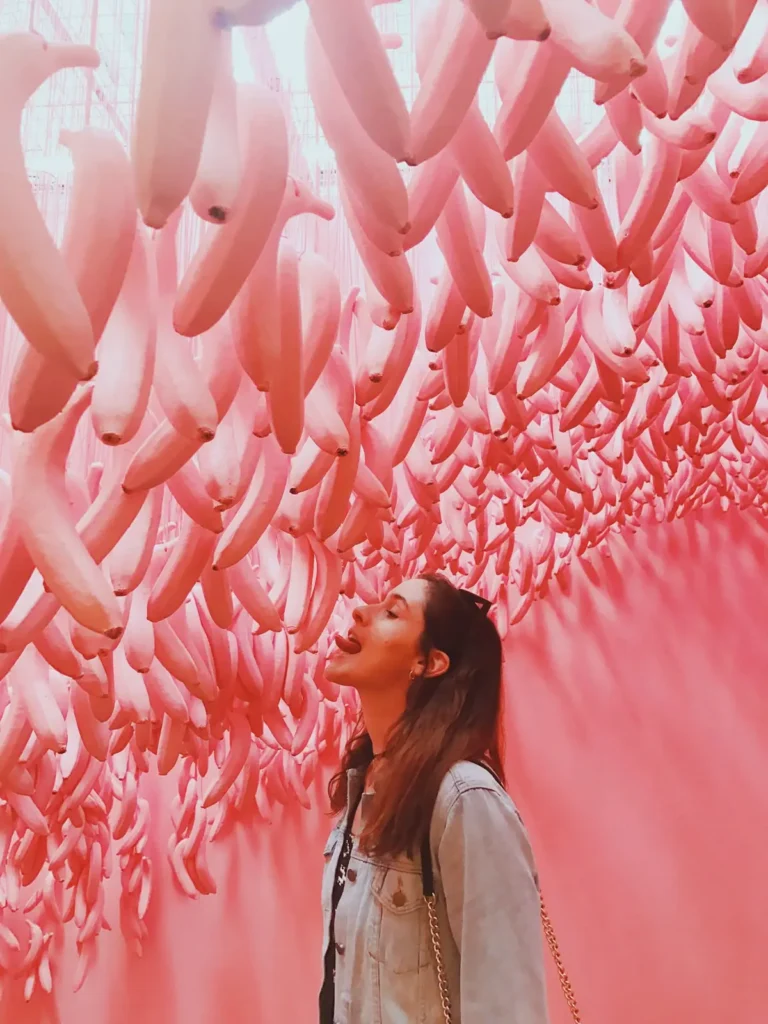
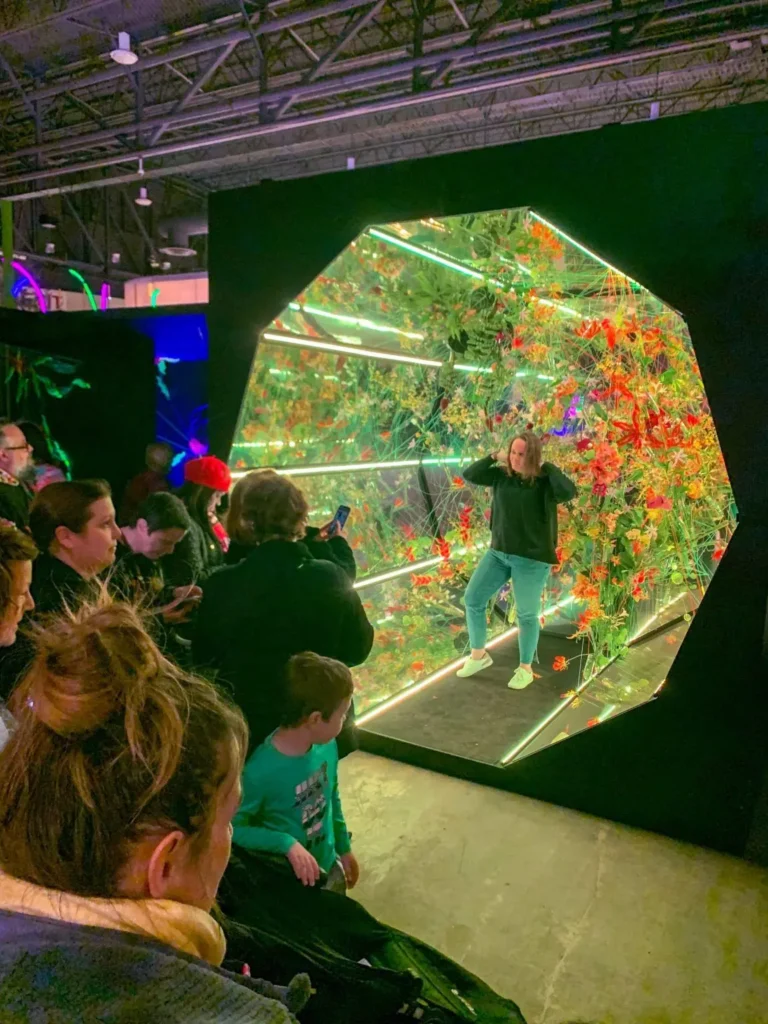
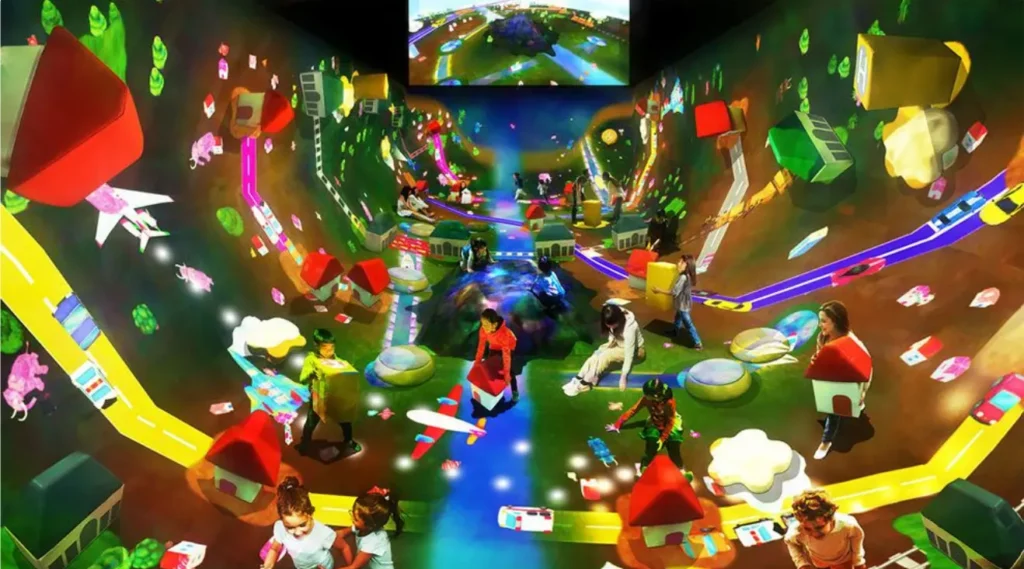
In a world where our senses are constantly overwhelmed by modern life, immersive sensory exhibitions offer a powerful new way to experience art, culture, and storytelling. No more simple viewing of a painting hanging on a wall, from now on the visitors can enter into multi-sensory exhibitions and engage with all of their senses: seeing, hearing, tasting, smelling and touching, which makes them truly immersed with experience. By allowing visitors to become a part of the artwork, immersive sensory exhibitions encourage participation which promotes not only understanding but also a deep connection to the art and its subject matter. As a result these exhibits have become not only more enjoyable, participatory and easier to grasp but also more popular across museums, galleries and at art events worldwide.
A sensory exhibition is a type of environment, or space, which is designed to stimulate all of the senses (sight, hearing, touch, smell and taste). Whereas a museum or gallery exhibition is a visual space but here the visitor will be immersed in an entirely different space.
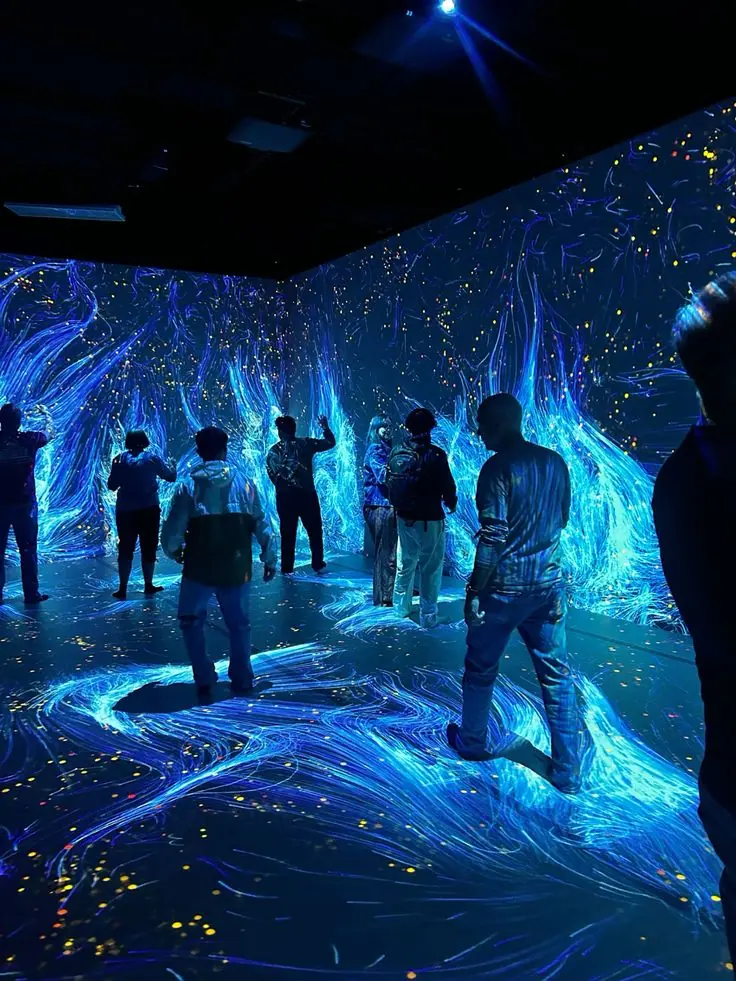
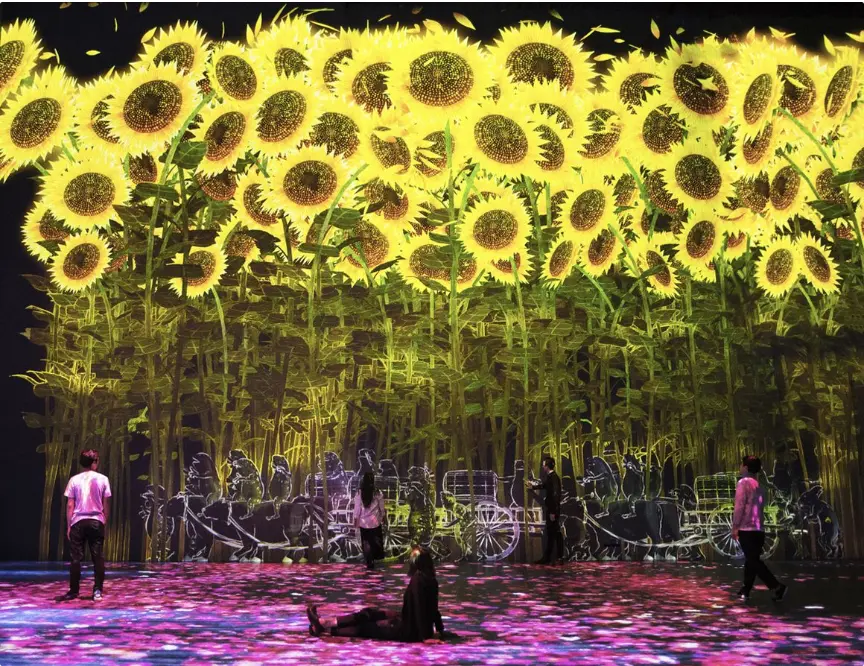
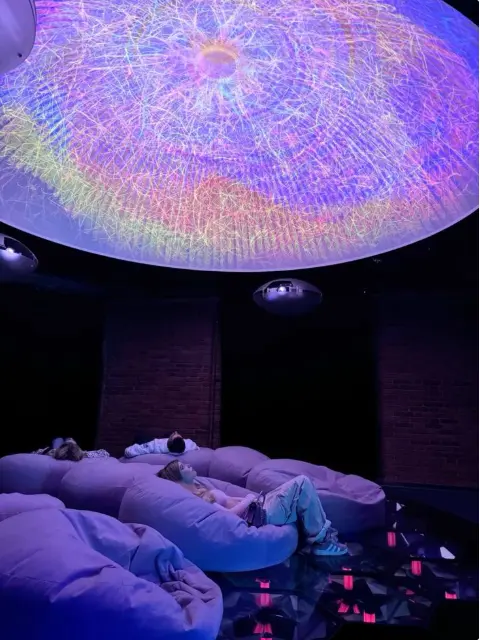
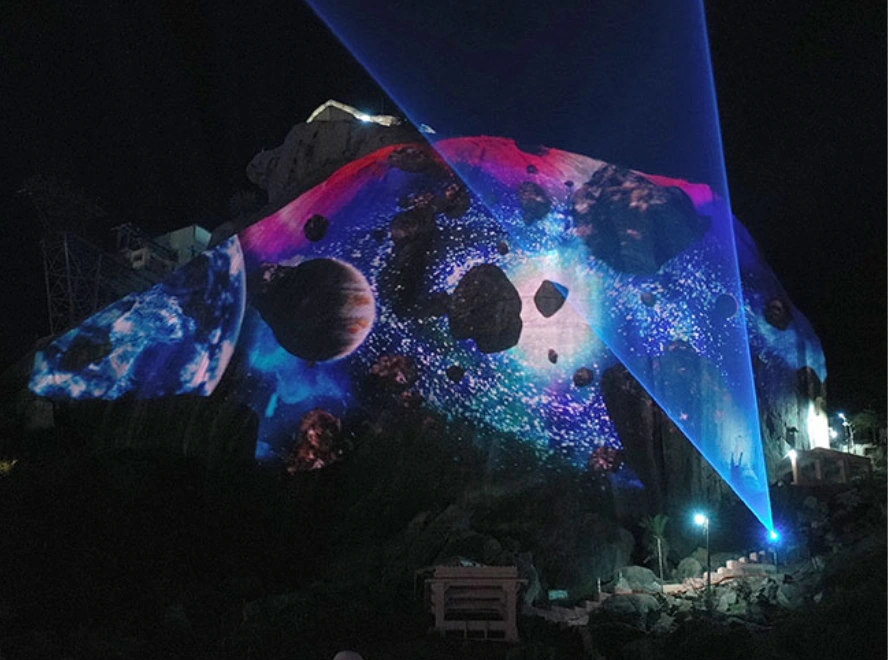
While visual stimulation remains the foundation of sensory exhibitions, it can take many different forms. These may include traditional artworks, projection mapping, LED installations, holograms and digital environments. You can notice in the Vincent Van Gogh interactive exhibition: The remarkable artist experience where3 exhibition transformed his famous paintings into immersive spaces. You can walk through his swirling dizzing scenes of colour and movement becoming part of his animated paintings.
Sound is an important element of sensory exhibitions as it can create and influence a range of moods and ambiances. Background music, ambient sounds created by speakers can greatly enhance and affect the emotional experience of an exhibition. A calm atmosphere can be created through the use of soft sounds whereas it can be made to feel energetic by the use of louder sounds. Surround sound can be used to create a diverse range of auditory experiences in different spaces as the audience moves through the exhibition. Sound can be a highly effective tool if used carefully in the exhibition and can play a vital role in enhancing the audience’s connection to the exhibition and overall sensory experience.
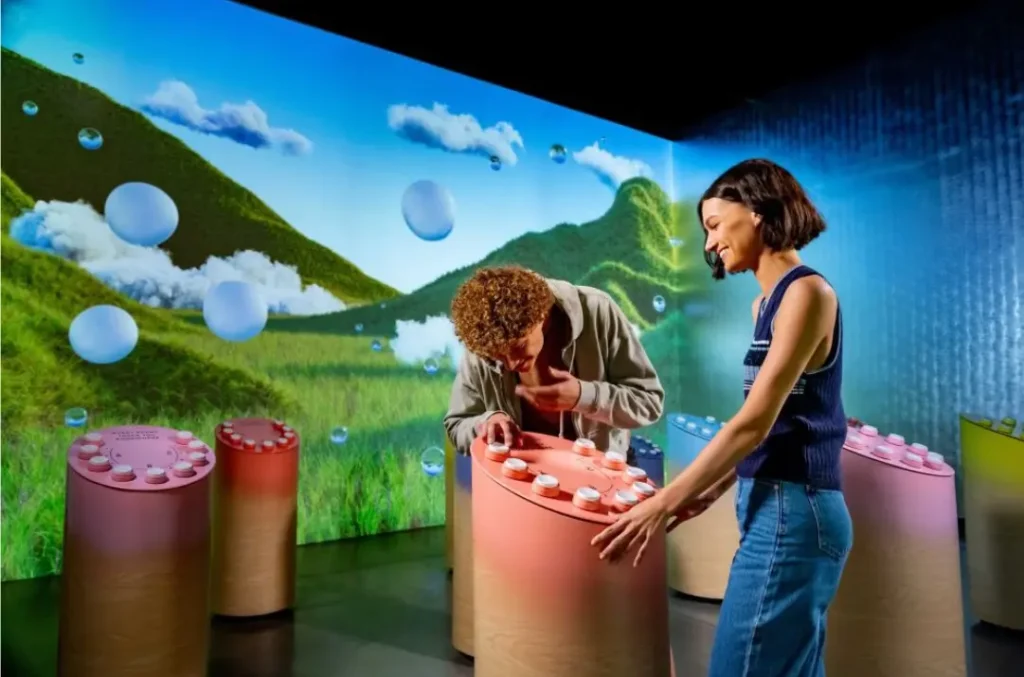
Tactile elements are used throughout an exhibition to make your visit as easy as possible and as enjoyable as possible. You may be asked to:
Smell is one of the senses most closely linked to memory and emotion. Many sensory exhibitions are also using smell to enhance storytelling. An example of this concept in action can be seen with this forest soundwalk and scenting project. As well as using natural materials and muted greens and earth tones to help place viewers in a forest environment, the team behind the project used natural woody smells to reinforce the ambiance. As part of a new project, a specialist firm of odour engineers created the smell of smoke to evoke the era of an historic exhibition. It is an example of how scent design can bring an experience to life.
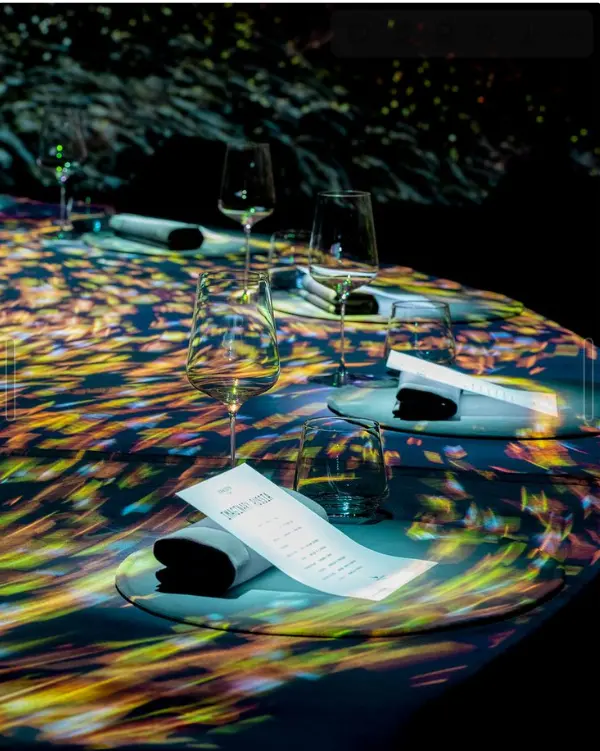
Although less common than other senses, taste can also be occasionally employed. In some cases food tasting, or the creation of edible art works are used. In addition, food exhibitions or culture exhibitions can integrate sound, images and gastronomy to offer a complete journey into a topic or culture.
Sensory exhibitions can vary greatly from one another. Here is a brief overview of some of the most popular and powerful forms:
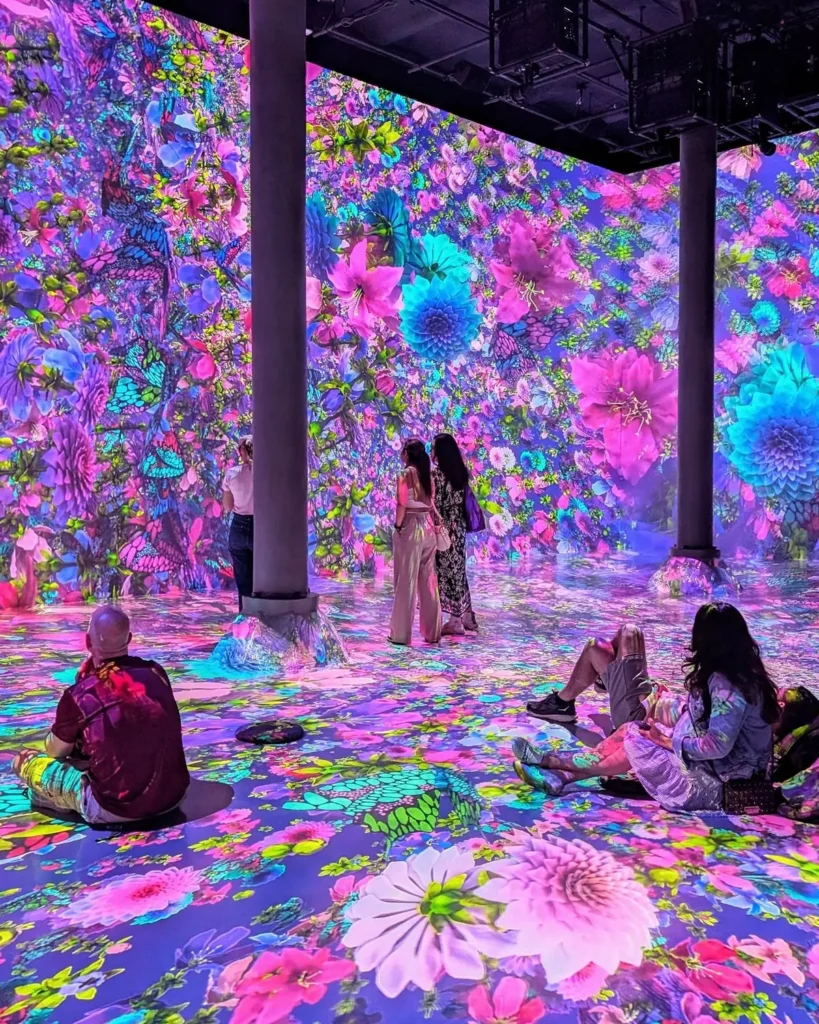
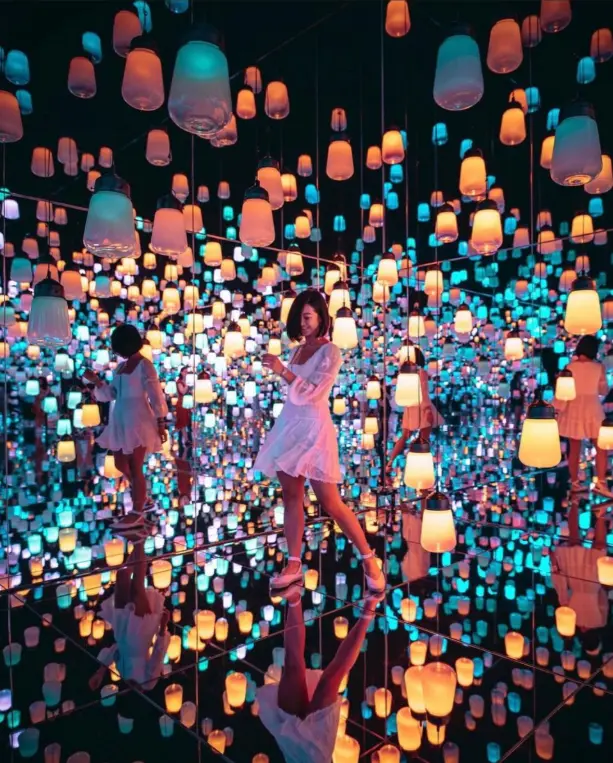
Presentations created using projection mapping, LED walls, surround sound and incorporating motion sensors. In this extraordinary space, visitors do not just look at art – they enter into it. The walls, floor and ceiling become their own personal movie screen. Classics works of art are used as inspiration for innovative and engaging animated exhibitions such as our latest Vincent van Gogh immersive show. The Digital Flower Garden by Japanese design collective team Lab has been drawing worldwide attention. Visitors found themselves surrounded by virtual flowers for which real ones could fall from above and actual rays of light that move and change to match the actions of those walking around.
Best for: Contemporary art lovers, social media audiences and experiential tourism.
Science museums often design exhibitions that encourage hands-on exploration. Instead of reading information panels, visitors conduct experiments, touch materials, and trigger reactions.Recent postings have mentioned the Exploratorium and other museums which strive to get the visitor into a situation where anyone can learn science and understand it in a totally different way through hands-on experiments and demonstrations, especially those involving physics, light and sound and biology.
Best for: Students, families and educational environments.
Calming exhibitions for the nervous system often based on sensory stimulation and mindfulness. Lighting, soundscapes, aromas and tactile sensory elements combine to offer a calming space. Some examples also include breathing exercises and meditation areas. Exhibitions such as these are sometimes featured in wellness centers, and occasionally museums have special “sensory-friendly hours.”
Best for: Mental wellness programs, stress relief events and neurodiverse audiences.
Light and sound installations are type of exhibitions that are strongly focused on aesthetic perception and the senses, they are often simply composed but highly effective. The work of artists like Ryoji Ikeda is a great example of such exhibit with the use of intense light pulses and soundscapes. Light, sound and visuals can be used to fill a space. This can include synchronized strobe lights, bass vibrations and changing patterns of responsive LED grids.
Best for: Experimental art audiences and tech-focused galleries.
Building a successful sensory exhibition is a thoughtful business. It requires imagination, planning and a carefully constructed balance to engage and stimulate the senses and also provide an inspiring, memorable and thoroughly absorbing experience.
All strong sensory exhibits start with a unifying theme or story. This can be something as simple as nature, technology, history or as complex as a need for self-healing. However it begins, all the sensory elements (sound, lighting, touch, smell) should relate to or enhance the theme. If they do not then they can be chaotic and confusing.
More stimulation does not equal more impact. Too much noise, light or smell can be overwhelming. Your exhibitions are thoughtfully composed to deliver the right amount of stimulation at the right time. You should experiment with noise levels, light intensity and timing of interactive elements to achieve a comfortable and flowing experience.
Sensory exhibits work best when visitors have a place to participate. Incorporating motion sensors, touch walls, objects to handle and pathways can help captivate visitors. More complex explanations and instructions should be avoided to allow natural participation.
A well-designed sensory exhibition considers diverse audiences. This may include:
Inclusivity ensures that more people can comfortably enjoy the experience.
See how your choices affect visitors’ experiences. Use the dropdown buttons to change materials, scents, lighting, or Interactive elements and watch how your selection impacts safety and visitor comfort. Materials, scents, lighting, and interactive elements must be safe for visitors and not cause irritation. Adequate ventilation, secure installation and management of visitor crowds are also important.
Sensory exhibitions are some of the most popular in the world as they offer visitors a dynamic and memorable experience. Unlike a traditional art exhibition where the visitor looks at works of art, in a sensory exhibition the visitor can see, hear and sometimes even touch. And as we all know, life is more fun when we are involved rather than just spectating, which is exactly what happens in these fantastic exhibitions. By using light, projections, music and interactive installations visitors can become part of the works of art on show. They are also very ‘Instagrammable’ with unusual and visually stunning settings which make for fantastic social media shots. These popular exhibitions continue to grow and have become some of the largest visitor attractions in the world.
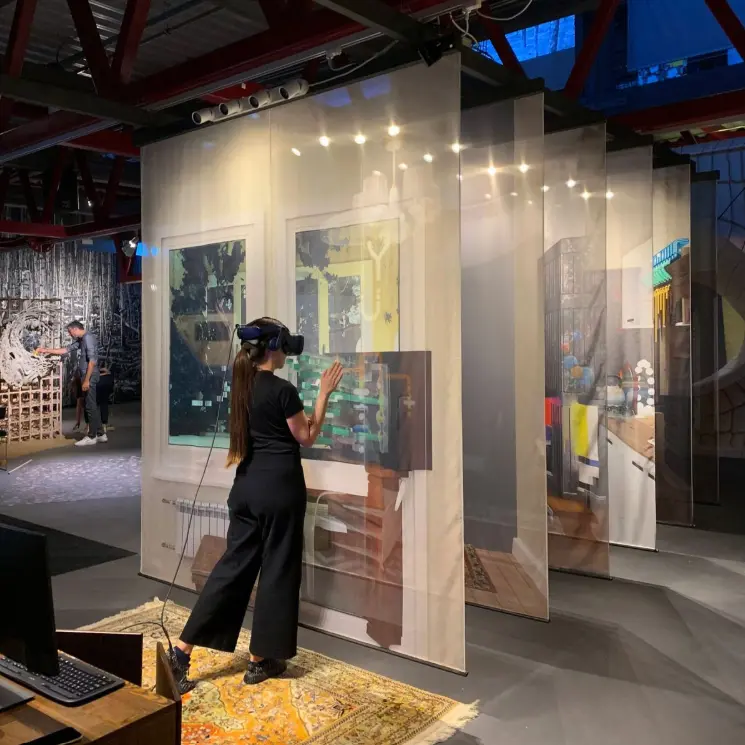
The future of sensory exhibitions is very exciting; innovative technology and practices are set to shape and enhance the way we deliver engaging exhibitions. It’s clearly evident that using modern technologies, such as virtual reality (VR), augmented reality (AR), projection mapping and the interactive possibilities of digital displays will allow visitors to experience and engage with art, objects, and spaces in a way they never have before. In the future, the sensory experience of exhibitions will probably be more customised, more interactive, or both.
More museums and cultural institutions are realising the benefits of accessibility and are creating new works that provide a sensory experience suitable to the different needs of audiences including children and people with sensory issues.
Sensory exhibitions are a relatively new approach to exhibiting art, culture and storytelling. It stimulates the visitor’s senses, triggering a more intense connection to the content and transforming the visitor into an active participant. In an age when our attention is fragmented and we all suffer from digital fatigue, exhibitions that engage the senses are few and far between and hence all the more welcome for their rarity: because they offer us presence, immersion and even bodily experience. From museums and galleries, to pop-up exhibitions and online spaces also now increasingly across a wide range of other environments, a new wave of light and sensory exhibitions are continuing to redefine the boundaries of art and the way we interact with it.