As the seasons change, our skin faces different challenges. Protecting our lips is crucial year-round, but the approach may vary depending on the weather.Harsh winters can dry out our lips, while hot summers may lead to chapping due to increased humidity and sun exposure. Understanding these seasonal changes is key to maintaining healthy, protected lips.By adopting a seasonal lip care routine, you can keep your lips soft, smooth, and protected from the elements. This involves using the right products and techniques tailored to the specific challenges of each season.
Understanding the delicate nature of our lips is crucial for maintaining their health throughout the year. Unlike other parts of our body, the skin on our lips is thinner and more sensitive.
The lip skin is distinct due to its lack of sebaceous glands, which are responsible for producing sebum, an oily substance that helps to keep skin moisturized. This unique characteristic makes lips more susceptible to dryness.
Lips are exposed to various environmental stressors, including wind, cold weather, and dry air, which can strip them of their natural moisture. Here are some key factors that contribute to dry, damaged lips:
Understanding the science behind lip care is crucial for keeping our lips healthy and moisturized throughout the year. Lips are particularly vulnerable to environmental stressors due to their delicate skin.
Lips lose moisture primarily through evaporation. Unlike other parts of our skin, lips lack oil glands, making them more susceptible to dryness. When exposed to dry air or cold weather, the moisture on the surface of our lips evaporates quickly, leading to dryness and potential cracking.
Unhealthy lips can manifest in various ways, including dryness, cracking, and discoloration. If left untreated, these conditions can lead to discomfort and potentially more serious issues. Recognizing the signs early and taking appropriate action is crucial for maintaining healthy lips.By understanding how lips lose moisture and the impact of environmental factors, we can take steps to protect our lips effectively.
A well-stocked lip care arsenal includes a variety of products designed to nourish and protect your lips. Having the right products can make a significant difference in maintaining healthy, soft lips throughout the year.
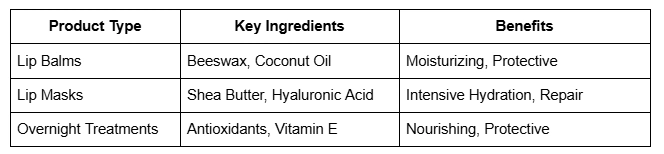
Lip balms are a fundamental part of any lip care routine. They provide a barrier that locks in moisture and protects your lips from environmental stressors. When choosing a lip balm, look for ingredients like beeswax, hyaluronic acid, and natural oils such as coconut or olive oil. These ingredients help to moisturize and protect your lips.
Lip scrubs are essential for removing dead skin cells and promoting smooth lips. Ingredients like sugar or salt are commonly used for their gentle exfoliating properties. Regular use of a lip scrub can help improve the texture of your lips, making them more receptive to lip balms and other products.
Lip masks provide an intense dose of hydration and nourishment. They are typically used overnight or for a few hours during the day. Look for masks containing ingredients like peptides or vitamin E for enhanced nourishment.
For specific lip concerns such as cold sores or chapped lips, medicated products can offer targeted relief. Ingredients like docosanol for cold sores or camphor and menthol for soothing dry lips can be particularly effective.By incorporating these essential products into your lip care routine, you can maintain healthy, protected lips year-round.
As spring arrives, it’s time to transition your lip care routine from repairing winter damage to preparing for increased sun exposure. The cold winter months often leave lips dry, chapped, and vulnerable.
To repair winter damage, focus on intense moisturizing. Use a rich lip balm or lip mask containing ingredients like hyaluronic acid, beeswax, or coconut oil. Exfoliate gently with a lip scrub to remove dead skin cells and promote new cell growth.
As the sun strengthens, protect your lips with SPF. Look for lip balms or lip products containing SPF 30 or higher. UV protection is crucial to prevent sun damage and discoloration.
For spring, consider products that offer both moisturizing and sun protection. Some recommended products include:
By transitioning your lip care routine in spring, you’ll be able to repair winter damage and prepare your lips for the warmer months ahead.
Summer brings a new set of challenges for our lips, requiring special care to maintain their health and appearance. As the temperature rises, our lips need extra protection from the sun’s harsh rays and dry heat.
Just like our skin, our lips are susceptible to sun damage. Using a lip balm or lip product with SPF is crucial to prevent sunburn and potential long-term damage. Look for products with at least SPF 30 for adequate protection.As Dr. Jane Smith, a dermatologist, notes, “Lips are particularly vulnerable to UV damage because they have a thinner layer of skin. Using a lip product with SPF daily is a simple yet effective way to protect them.”
Staying hydrated is essential, not just by drinking water, but also by using hydrating lip products. Ingredients like hyaluronic acid and glycerin help retain moisture in the lips.
Summer often means more outdoor activities and increased sweating, which can affect lip health. Choose lip products that are designed for durability and won’t easily wear off with sweat or eating/drinking.
As the seasons change and fall approaches, it’s crucial to adjust your lip care routine to combat the cooler, drier air. The transition to fall means that our lips are exposed to harsher conditions, including wind and lower humidity, which can lead to dryness and chapping.
To protect your lips during the fall season, consider switching to a more nourishing lip balm or lip care product that provides intense hydration. Look for products containing natural ingredients like beeswax, coconut oil, or shea butter, which help lock in moisture and protect against the elements.
Wind can be particularly harsh on lips, causing dryness and irritation. To combat wind damage, use a lip balm with SPF and protective ingredients. Additionally, consider wearing a scarf or mask when going outside to provide an extra layer of protection against the wind.
Some lip care products are specifically designed for the fall season, focusing on repair and protection. These might include lip masks, overnight treatments, or lip balms with added antioxidants. When selecting a fall-specific product, look for ingredients that address your specific lip concerns, such as dryness or sensitivity.
Winter’s chill and dryness can leave lips feeling parched and vulnerable, necessitating a protective care routine. As the temperature drops, it’s crucial to understand the challenges winter poses to lip health and how to effectively counter them.
Indoor heating systems, while keeping our homes warm, significantly reduce the moisture in the air. This dry air can strip lips of their natural moisture, leading to dryness and chapping. To combat this, consider using a humidifier to maintain a healthy moisture level in your home.
When venturing outdoors, protect your lips from harsh winter elements. Use a lip balm or lip salve that contains natural ingredients like beeswax, coconut oil, or shea butter. These ingredients help lock in moisture and protect lips from the cold, windy weather.
Overnight treatments can provide deep repair for dry, chapped lips. Look for lip masks or overnight lip balms that are rich in emollients and natural oils. Applying a thick layer before bed can help rejuvenate your lips by morning.
For severely chapped lips, emergency care involves intensive moisturizing and protection. Apply a lip balm or ointment frequently throughout the day, and consider using a lip scrub to gently remove dead skin cells, promoting healing.By understanding the challenges winter poses to lip health and implementing these strategies, you can keep your lips soft, smooth, and healthy throughout the cold season.
Lips are sensitive and vulnerable to numerous challenges, making it essential to understand common lip problems and their solutions. Effective lip care involves more than just applying lip balm; it requires addressing specific issues that can affect the health and appearance of your lips.
Chapped and cracked lips are a common issue, especially during dry weather conditions. To combat this, it’s crucial to keep your lips moisturized with a good lip balm that contains natural ingredients like beeswax, coconut oil, or shea butter. Exfoliating your lips gently with a lip scrub can also help remove dead skin cells and promote healing.
Sun exposure can cause significant damage to your lips, leading to discoloration and potentially even lip cancer. Using a lip balm or lip product with SPF is vital for protecting your lips from UV rays. Look for products containing antioxidants like vitamin E, which can help repair sun damage.
Cold sores and angular cheilitis are painful conditions that can affect the lips. Cold sores are caused by the herpes simplex virus, while angular cheilitis is often related to fungal infections or nutritional deficiencies. Keeping your lips moisturized and avoiding triggers can help manage these conditions. For cold sores, antiviral medications can be effective, while antifungal creams may be necessary for angular cheilitis.
While many lip problems can be managed with self-care and over-the-counter products, some situations require professional attention. If you experience persistent or severe lip issues, such as recurring cold sores, unexplained discoloration, or painful cracking, it’s time to consult a dermatologist. They can provide personalized advice, diagnose underlying conditions, and recommend appropriate treatments.
Embracing natural lip care remedies can be a game-changer for those seeking to protect their lips without harsh chemicals. By utilizing ingredients commonly found in your kitchen, you can create effective lip care products that nourish and protect your lips.
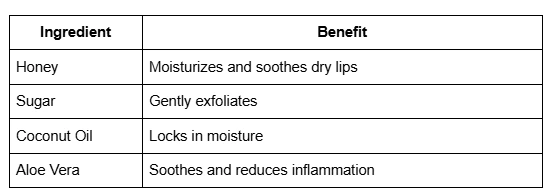
Several natural ingredients are renowned for their beneficial properties for lip care. Honey is a natural humectant that retains moisture, while sugar acts as a gentle exfoliant. Coconut oil and aloe vera are also popular for their moisturizing and soothing effects.
Creating your own lip scrubs and masks at home is simple and cost-effective. For a lip scrub, mix honey and sugar to create a paste that gently exfoliates and moisturizes your lips.
Aloe vera gel can be applied to soothe irritated lips. It’s known for its anti-inflammatory properties.
By incorporating these natural ingredients and DIY remedies into your lip care routine, you can enjoy healthier, more resilient lips without relying on commercial products.
Maintaining healthy lips involves more than just applying lip balm; it’s also about adopting a lifestyle that supports overall lip health. Your lips can be sensitive indicators of your body’s overall condition and how well you’re caring for it.
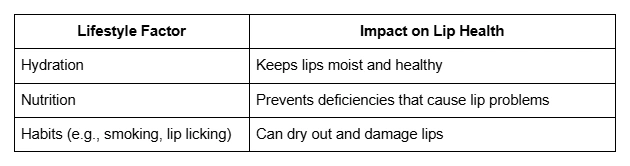
Drinking enough water is crucial for keeping your lips hydrated from the inside out. A balanced diet rich in vitamins and minerals, particularly Vitamin B and iron, can help prevent lip problems. Foods like leafy greens, nuts, and whole grains are beneficial for lip health.
Your lips can reflect your overall health. Conditions like dry lips can be a sign of dehydration or nutritional deficiencies. Paying attention to your lip health can provide insights into your overall well-being.
People often experience dryness, chapping, and cracking in the winter, while in the summer, lips can suffer from sun damage and dehydration. In the spring and fall, lips may need extra care to adjust to the changing weather conditions.
It’s recommended to exfoliate your lips gently once or twice a week to remove dead skin cells and promote healthy lip skin.
Look for natural ingredients like beeswax, coconut oil, shea butter, and vitamin E, which help to moisturize and protect your lips. For added protection, consider products with SPF.
Use a lip balm or lip product with SPF to protect your lips from the sun’s UV rays. Reapply regularly, especially during peak sun hours or when spending time outdoors.
Yes, natural ingredients like honey, sugar, coconut oil, and aloe vera can help to soothe and moisturize dry, chapped lips. You can try making your own lip scrubs or masks at home.
If you experience persistent or severe lip problems, such as cold sores, angular cheilitis, or sun damage, consider consulting a dermatologist for professional advice and treatment.
Your overall health can significantly impact your lip condition. Factors like hydration, nutrition, and certain habits can affect the health and appearance of your lips.
Yes, habits like smoking, licking your lips, or biting your lips can cause damage and dryness. Being mindful of these habits and taking steps to break them can help to improve lip health.