Free shipping on all US orders
10% OF OUR PROFIT GOES TO KIDS’N’CULTURE NON-PROFIT ORGANIZATION
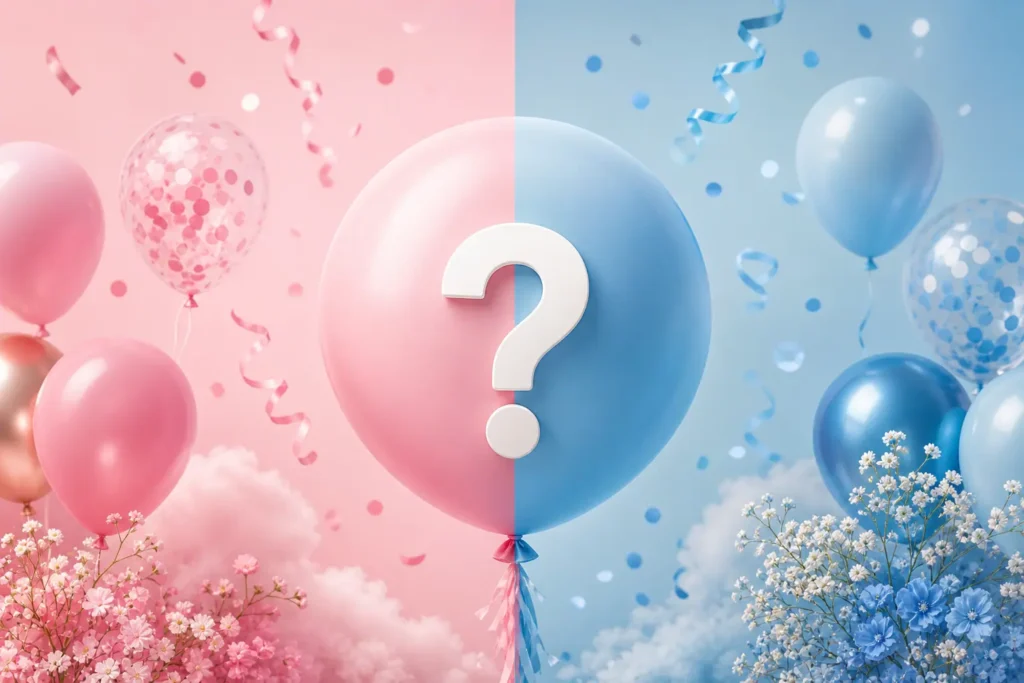
Basically gender coding is when specific colors, toys, clothes or even certain behaviors get linked to one gender. When you will step into a clothing store and you’ll see clearly that one whole section shines with pinks, lilacs and roses while the other is showing in navy, slate, and cobalt. This whole thing is gender coding and it is a cultural habit where we assign colors, symbols and looks to particular genders.
Pink vs blue is probably the most common way we see it. But here’s the interesting part that people who study history, society, and gender keep reminding us: this whole system isn’t natural, and it’s certainly not ancient. It’s actually quite new, born out of modern business and cultural trends and it’s something people argue about more than you might think. Let’s look at how it all started.
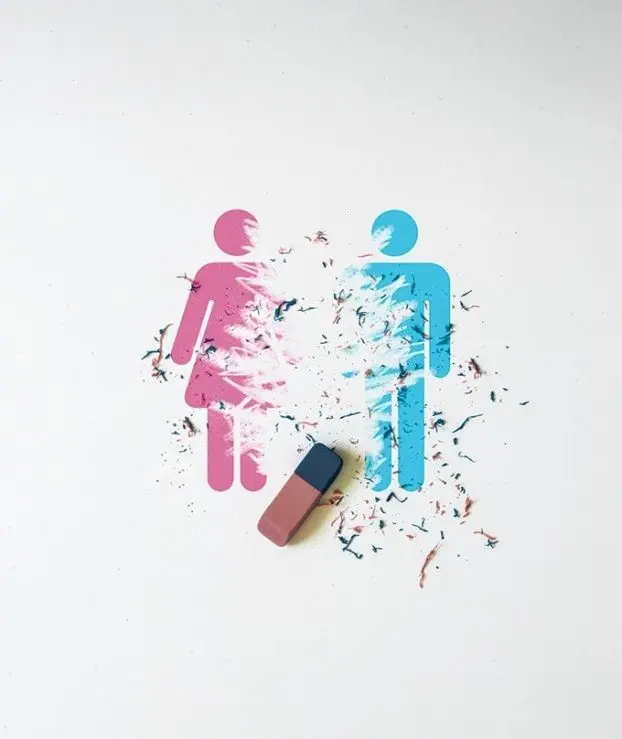
“The general rule is pink for boys and blue for girls. Pink is a stronger and more definite color making it better suited for boys while blue being softer and more delicate, looks prettier on girls.“
Pink back then was seen as bold, even strong. Blue on the other hand was connected to the Virgin Mary to femininity and a certain softness. That was the prevailing thought process until it completely flipped. This switch wasn’t sudden it unfolded gradually through the mid-20th century really speeding up after World War II. That’s when things like mass production, department stores and later the baby boom created a huge push for businesses to make products distinct from one another. By the 1950s this idea of pink for girls and blue for boys had pretty much solidified into a widely accepted norm across the Western world.
The change got even more fixed in the 1980s when ultrasounds made it common to know a baby’s sex before birth. Parents, now parents started buying gender-specific things. Retailers saw a golden chance and really went for it. They didn’t just make pink and blue clothes; they built whole separate worlds of products like pink toy kitchens against blue tool sets, princess books versus adventure tales and dolls versus trucks. So this clear division in shopping wasn’t something discovered. It was created.
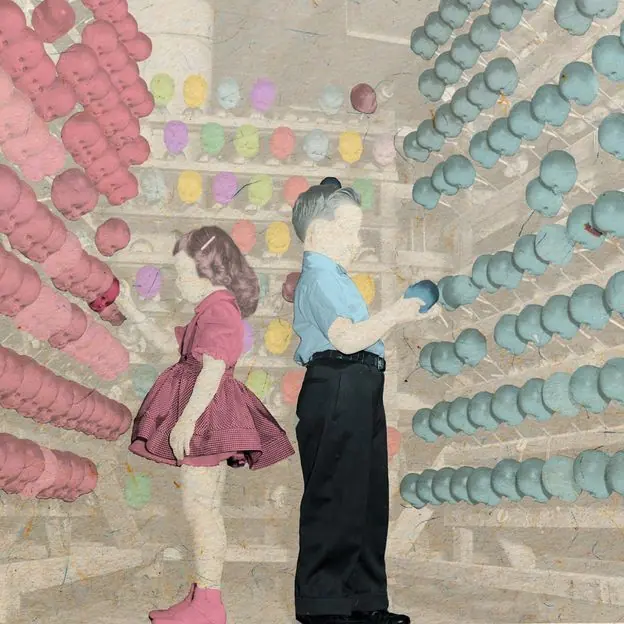
When it comes to fashion color gendering is baked into our culture but it can also be quite flexible depending on the situation. For instance, a man wearing a pink dress shirt in today’s Western fashion might look rather sophisticated. Yet a man in a pink dress often still feels out of line in most settings. Then there are women wearing blue jeans, blazers or suits that carry a whole different set of meanings, often seen as ‘power dressing’, a conscious choice to borrow a more masculine visual style. In advertising, you’ll see the pink-blue split all the time.
“Shrink it and pink it” became a quick way to describe that rather lazy approach, taking something made for men and just putting out a pink version for women, often charging more for it (that’s the ‘pink tax’ you hear about). Things like razors, pens, headphones, and even tools have gotten this look. The thinking behind this marketing often assumes women care more about how something looks specifically looking feminine than how well it actually works. That is an assumption many have rightly called out as both insulting and unfair.
The media also really builds on these connections. You know pink-dressed Disney princesses or superheroes in blue suits children’s stories have traditionally used these visuals to strengthen the gender color divide. While things are changing now with studios like Pixar and DreamWorks getting more nuanced with gendered visuals, all those decades of pink and blue narratives still heavily influence what we expect as a culture.
For anyone who doesn’t quite fit neatly into that pink-or-blue box think transgender, non-binary, or gender-nonconforming folks the sheer cultural weight of gender coding can come with some serious psychological burdens. Studies looking into gender dysphoria and how gender identity develops pretty consistently tell us that really strict gender norms the kind pushed by clothes, colors, toys and social expectations tend to create a space where kids who don’t fit in feel shame, alone and anxious. Both the American Psychological Association and the American Academy of Pediatrics agree: environments that affirm gender letting children discover who they are without rigid color or symbol rules actually lead to better mental health.
As more people become aware, a significant movement for gender-neutral design has started to pop up, showing itself in fashion, how parents raise their kids, architecture, and even in stores. You’ve got brands like Primary, Mini Rodini and Tootsa MacGinty for example, who’ve created whole companies focused on children’s clothing that step away from the pink-blue divide. Instead, they offer vibrant, diverse color options for any child.
Advocates for neutral parenting suggest that by taking away those color-coded expectations early on and kids can truly develop their own preferences instead of just acting out what’s expected of them. Architects and interior designers, especially those working on schools and public areas, are more and more choosing to use a wide variety of colors. They are creating spaces where color serves a purpose for function, feeling, and energy, rather than just telling you a gender. This shift has even been influenced globally by Scandinavian design which has always been known for its values of gender equality.
“Anyone can enjoy pink. And anyone can enjoy blue. What truly matters is choice, far more than any label.”
There are no reviews yet. Be the first one to write one.

A whole world on the tip of a pencil. The story of an artist who proved that true art has no limits and that it is never too late to start all over again.
$130.00 Original price was: $130.00.$65.00Current price is: $65.00.

International fashion icon and symbol of Parisian style, Ines de la Fressange is one of the most famous women in France.

Anastasia Pilepchuk is a Berlin-based artist with Buryat roots. She creates masks and face jewellery inspired by the nature and the culture of her beautiful region.

A whole world on the tip of a pencil. The story of an artist who proved that true art has no limits and that it is never too late to start all over again.