There’s a quiet truth that experienced artists learn the hard way: creativity doesn’t happen in a vacuum. It happens in a body that needs care and a space that either supports the work or sabotages it. The romantic image of the brilliant artist thriving amid chaos and neglect makes for good mythology, but the people who actually sustain a creative practice over years tend to be the ones who look after both themselves and their environment. A maintained body has the energy and focus the work demands. A maintained workroom clears the mental clutter that creeps in alongside the physical kind. Together, they form the unglamorous foundation that makes the glamorous part, the actual creation, possible. Here’s how thoughtful artists tend to both.
Creative work is deceptively demanding on the body. Long hours of focus, often in one position, burn through mental energy and leave many artists reaching for whatever quick fix is nearest. The artists who last learn to think more deliberately about how they sustain their energy across long working sessions, treating their physical fuel as part of their creative toolkit rather than an afterthought.
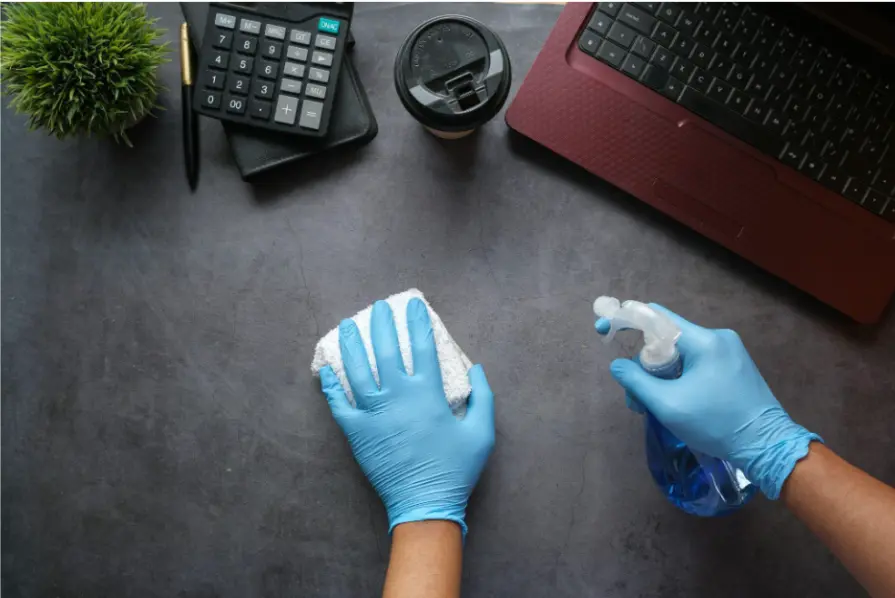
The state of a workspace has a direct, measurable effect on the mind that works in it. Clutter competes for attention, low-grade mess generates low-grade stress, and a chaotic environment makes it harder to drop into the focused state that good creative work requires. Many artists discover that the simple act of cleaning and ordering their space before a session functions almost like a warm-up, clearing the mental decks along with the physical ones.
Whatever the medium, creative work tends to lock the body into repetitive postures, hunched over a desk, standing at an easel, leaning into a screen. Over time this takes a real toll: stiff necks, sore backs, tight shoulders, and the sluggishness that comes from hours of stillness. Artists who want long careers learn to build movement into their days specifically to counteract what the work does to their bodies.It doesn’t require a punishing fitness regimen. Regular breaks to stand, stretch, and move the parts that the work neglects go a long way. Simple stretches targeting the areas a particular practice strains most, a walk to reset between sessions, or any activity that gets the body out of its working posture all help prevent the slow accumulation of strain into injury. The goal is sustainability, keeping the body capable of doing the work day after day rather than breaking down under its quiet demands.
There’s a difference between a space that’s merely clean and one that’s organized for the actual work. The most functional creative spaces are arranged around how the artist works, with tools and materials positioned for easy access and a logic that supports the creative process rather than fighting it. Tidiness alone isn’t the point; a workspace can be spotless and still be frustrating to work in if everything is in the wrong place.Thoughtful artists design their environments deliberately. Frequently used tools stay within reach, materials are stored where they make sense, and the layout minimizes the small interruptions of hunting for things mid-flow. This kind of organization protects the precious state of deep focus, because every time you have to stop and search for something, the spell breaks a little. A space arranged for flow lets the work carry you rather than constantly snagging on friction.
Artists often treat rest as the enemy of productivity, something to minimize in service of the work. In reality, rest is where much of the creative process quietly happens, ideas consolidate, problems solve themselves, and the well refills. The artists who burn out are frequently the ones who never learned to protect their downtime, treating exhaustion as dedication until it stops being sustainable.Real rest means genuine breaks from the work, adequate sleep, and time when the creative mind is allowed to wander rather than perform. Stepping away from a problem often does more to solve it than grinding at it. Building rest into a creative life isn’t laziness; it’s maintenance, the same as caring for the body or the workspace. A rested mind brings more to the work than a depleted one ever could, however many hours the depleted one puts in.
The thread running through all of this is routine. The artists who maintain both body and workspace over the long haul rarely rely on willpower or inspiration; they build simple, repeatable habits that make good maintenance automatic. A regular cleaning ritual, consistent movement, sensible fuel, protected rest, none of it is dramatic, and that’s exactly why it works. Habits survive the inevitable days when motivation doesn’t show up. The point isn’t to turn self-care and tidiness into another demanding project competing with the creative work. It’s to build a quiet, sustainable foundation beneath the work so that the body stays capable, the space stays ready, and the mind stays clear enough to do what it actually came to do. Clean space, cared-for body, clear mind, the unremarkable conditions that let remarkable work happen.