Free shipping on all US orders
10% OF OUR PROFIT GOES TO KIDS’N’CULTURE NON-PROFIT ORGANIZATION
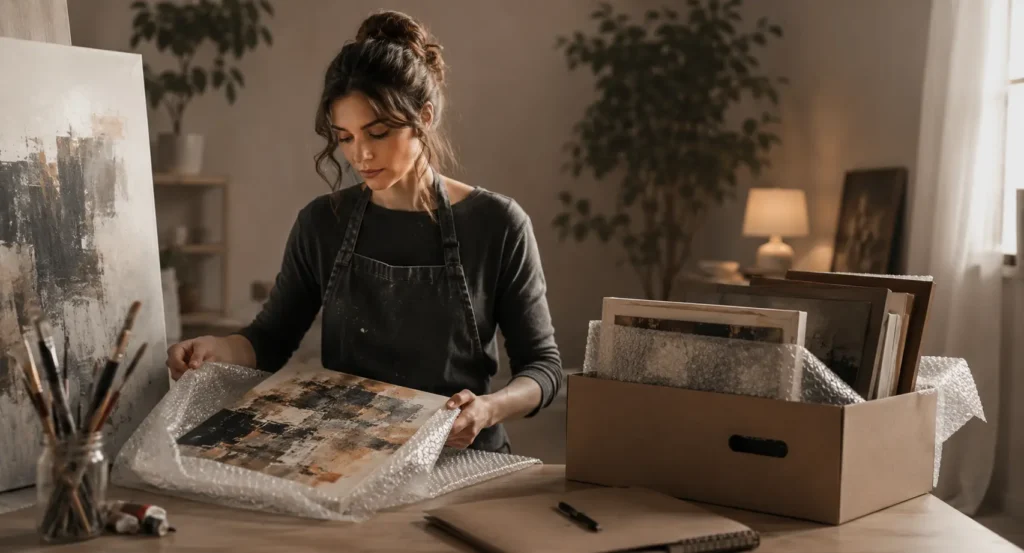
Family law attorneys handle custody and bank accounts, but artistic assets demand a professional who understands intellectual property and commercial agreements. A general practitioner may treat a painting like a sofa. That is a mistake. For this reason, an attorney at godwincampos.com.sg specializing in family law and civil/commercial litigation can value a creative portfolio properly, negotiate licensing terms instead of outright transfer, and draft separation agreements that protect future royalties. Without this expertise, an artist risks losing not only current inventory but also the right to reproduce, license, or display past work.

There are no reviews yet. Be the first one to write one.

A whole world on the tip of a pencil. The story of an artist who proved that true art has no limits and that it is never too late to start all over again.
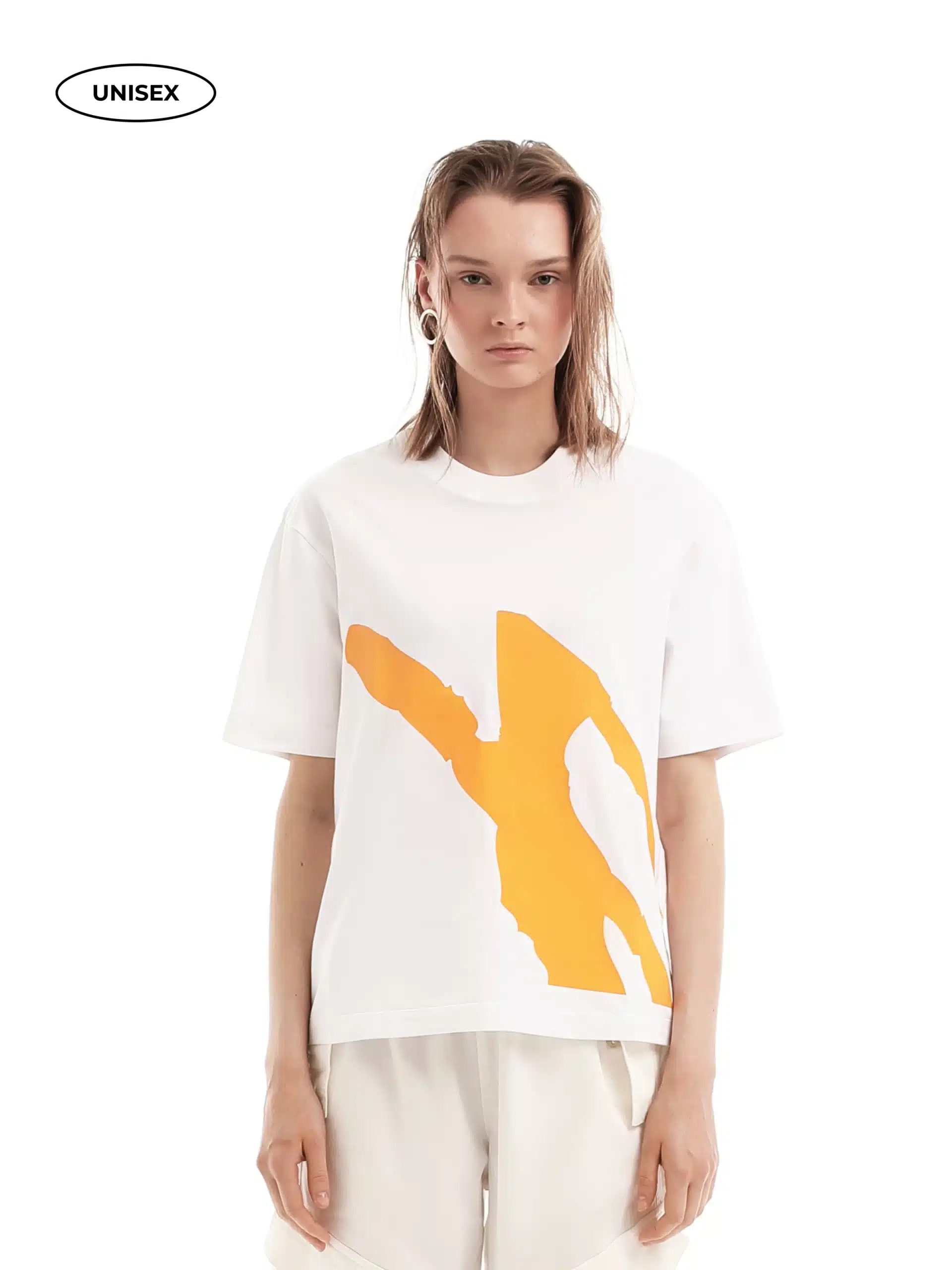
$130.00 Original price was: $130.00.$65.00Current price is: $65.00.

International fashion icon and symbol of Parisian style, Ines de la Fressange is one of the most famous women in France.

Anastasia Pilepchuk is a Berlin-based artist with Buryat roots. She creates masks and face jewellery inspired by the nature and the culture of her beautiful region.

A whole world on the tip of a pencil. The story of an artist who proved that true art has no limits and that it is never too late to start all over again.