The Science of Polyphenol-Rich Olive Oil for Skin Benefits 

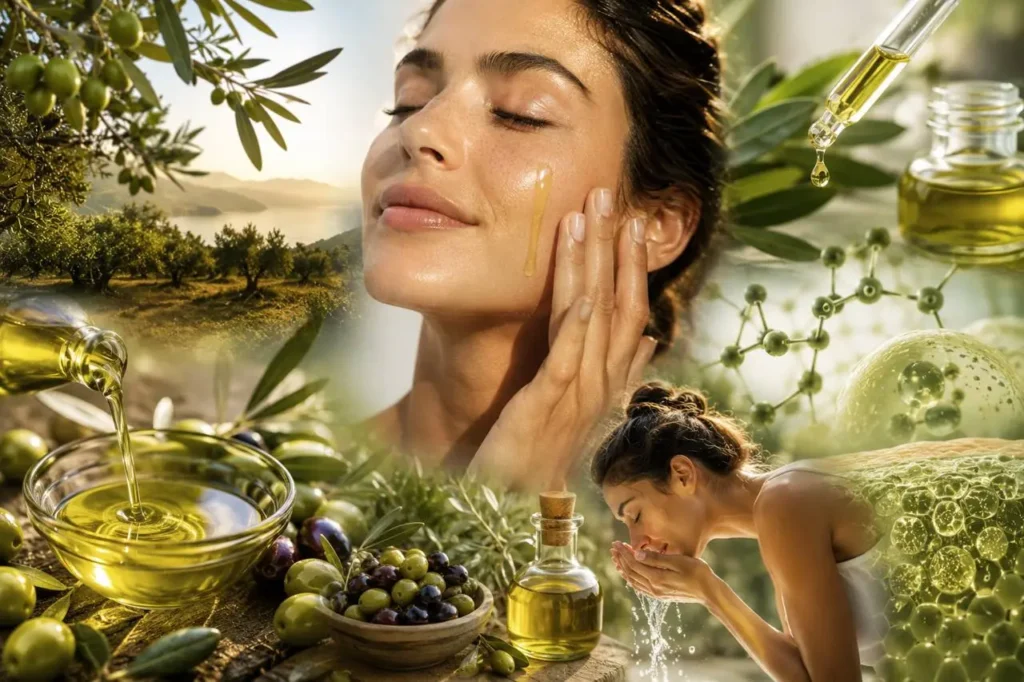
Polyphenol-rich olive oil showing antioxidant skin benefits, hydration, and natural skin protection.

The Science of Polyphenol-Rich Olive Oil for Skin Benefits 

For centuries, olive oil has been a Mediterranean beauty secret. But science now shows the real magic lies in polyphenols, powerful compounds that turn quality olive oil into an active skin defender.

What Are Polyphenols and Why Do They Matter for Skin?

Polyphenols are natural antioxidants found in plants, acting as the plant’s own sunscreen and immune system. In olives, the most abundant polyphenols include oleuropein, hydroxytyrosol, and tyrosol. When applied to human skin, these compounds do three critical things:
  • Neutralize free radicals: Polyphenols donate electrons to unstable molecules called free radicals (caused by UV rays, pollution, and stress), preventing them from stealing electrons from healthy skin cells. This stops collagen breakdown and DNA damage at the source.
  • Chelate pro-oxidant metals: They bind to iron and copper ions that would otherwise catalyze harmful oxidation reactions on the skin’s surface.
  • Regenerate other antioxidants: Hydroxytyrosol, in particular, has been shown to help recycle vitamin E, another skin-protecting antioxidant, extending its effectiveness.

How Polyphenols Protect Against UV Damage and Inflammation

Sun exposure triggers oxidative stress and inflammation that lead to sunburn, premature aging, and long-term pigmentation issues. Polyphenol-rich olive oil cannot replace sunscreen; it lacks the SPF power of mineral filters, but it works as an excellent supporting layer of photoprotection. For anyone wanting to understand exactly how to choose and store an oil with high levels of active polyphenols, this guide about Polyphenol Rich Olive Oil is worth reading before purchasing any bottle. Once the right oil is in hand, its effects on UV damage become clear.Studies on human volunteers show that applying polyphenol-rich olive oil before UV exposure significantly decreases redness and the number of “sunburn cells”, damaged cells marked for destruction. The polyphenols achieve this by inhibiting inflammatory enzymes such as COX-2 and lipoxygenases, which otherwise produce pain, swelling, and heat. 

Furthermore, these compounds protect Langerhans cells, the skin’s immune sentinels that UV light disables. One clinical trial found that a cream containing olive polyphenols reduced UV-induced skin redness by nearly 40% compared to a placebo, making the oil a smart choice for post-sun recovery or daily antioxidant defense, especially for sensitive or easily irritated skin.

Wound Healing and Skin Barrier Repair

Polyphenol-rich olive oil accelerates the skin’s natural repair processes, which is valuable for everything from minor scrapes to chronic dryness with micro-tears in the barrier. The mechanisms involve direct cellular communication, not just passive moisturization:
  • Stimulates keratinocyte migration: Polyphenols upregulate proteins like integrin and fibronectin, which act as a scaffolding system that guides new skin cells to close a wound faster. In lab models, hydroxytyrosol-treated wounds healed nearly twice as quickly as untreated ones.
  • Modulates matrix metalloproteinases (MMPs): These enzymes normally break down damaged collagen so new tissue can form, but when overactive, they destroy healthy collagen. Polyphenols balance MMP activity, preventing excessive breakdown while still allowing proper remodeling.
  • Strengthens lipid barrier: Oleuropein has been shown to increase ceramide production in the stratum corneum, the outermost layer. Stronger ceramide levels mean less transepidermal water loss and fewer allergens penetrating the skin.
For people with eczema, psoriasis, or simply winter-dry skin, applying a few drops of polyphenol-rich olive oil to damp skin can visibly reduce flaking and irritation within days, without the stinging often caused by commercial barrier creams.

Anti-Aging Effects: Collagen Preservation and Elasticity

As skin ages, it loses bounce for two reasons: collagen production slows down, and existing collagen breaks apart faster. Polyphenol-rich olive oil tackles both problems gently: no harsh retinoid irritation or expensive serums needed.First, it blocks glycation, a process where sugar molecules stick to collagen and turn it stiff and brittle. Olive polyphenols trap those sugars before they cause damage. Second, it wakes up sirtuins, proteins linked to longer cell life. This helps skin cells repair DNA and keep making collagen. Third, for oily skin, it prevents sebum from oxidizing into blackheads and acne marks. Polyphenols slow that reaction down, keeping pores clearer. It’s not flashy, but it works quietly and effectively.
How to Choose and Use Polyphenol-Rich Olive Oil Safely

Not every bottle labeled “extra virgin” delivers meaningful polyphenol levels. Freshness, storage, and extraction methods determine efficacy. Here is what to look for and how to incorporate the oil into a skin care routine without causing breakouts or irritation:
  • Look for high biophenol numbers: On European labels, a total hydroxytyrosol and tyrosol content above 250 mg/kg is considered high. Recently harvested oils (within six months) contain the most.
  • Avoid heat and light: Polyphenols degrade rapidly. Store the oil in a dark glass bottle, keep it in a cool cabinet, and never leave it in a bathroom. If it tastes peppery or bitter on the tongue, those polyphenols are still active.
  • Patch test first: Pure olive oil can be comedogenic (clogging pores) for acne-prone individuals. Mix two drops into a regular moisturizer rather than applying directly.
Polyphenol-rich olive oil supporting collagen production, skin barrier repair, and anti-aging effects.
Finally, think of polyphenol-rich olive oil as a team player. Use it under morning sunscreen and with a humidifier at night. Consistent use brings real results; old remedies, smart science.

COMMENT

There are no reviews yet. Be the first one to write one.

Actually, this article could
be in your email

Featured materials from FOXYLAB MAGAZINE
are available in our newsletters.
Subscribe and get a dose of inspiration!

more articles

A whole world on the tip of a pencil. The story of an artist who proved that true art has no limits and that it is never too late to start all over again.

READ MORE ARTICLES

International fashion icon and symbol of Parisian style, Ines de la Fressange is one of the most famous women in France.

Anastasia Pilepchuk is a Berlin-based artist with Buryat roots. She creates masks and face jewellery inspired by the nature and the culture of her beautiful region.

A whole world on the tip of a pencil. The story of an artist who proved that true art has no limits and that it is never too late to start all over again.


Search

FOLLOW US ON