Luxury retail has always been about more than the products displayed on shelves. Customers who visit high-end boutiques expect a complete experience, one that feels thoughtful, comfortable, and carefully curated from the moment they walk through the door. While premium merchandise certainly plays an important role, successful luxury retailers understand that atmosphere, presentation, and service often influence customer perception just as much as the products themselves.In an era when online shopping provides nearly unlimited convenience, physical boutiques face increasing pressure to offer something that cannot be replicated through a screen. The most successful stores accomplish this by focusing on details that shape how customers feel during every stage of their visit.Creating that experience requires continuous effort behind the scenes, with many operational decisions designed to protect the boutique’s image and maintain consistently high standards.
In luxury retail, cleanliness is not simply a maintenance concern. It becomes part of the brand itself.Customers notice polished floors, spotless mirrors, organized displays, and pristine fitting rooms. While these details may seem minor individually, together they create an environment that feels elevated and intentional.Luxury boutiques frequently establish rigorous cleaning schedules designed to maintain consistent presentation throughout the day. Staff members are often trained to identify issues immediately rather than waiting for scheduled maintenance periods.This proactive approach helps preserve an atmosphere where every product appears more valuable and every display feels more carefully curated.The cleaner and more organized a space appears, the easier it becomes for customers to focus on the products and overall experience rather than distractions within the environment.
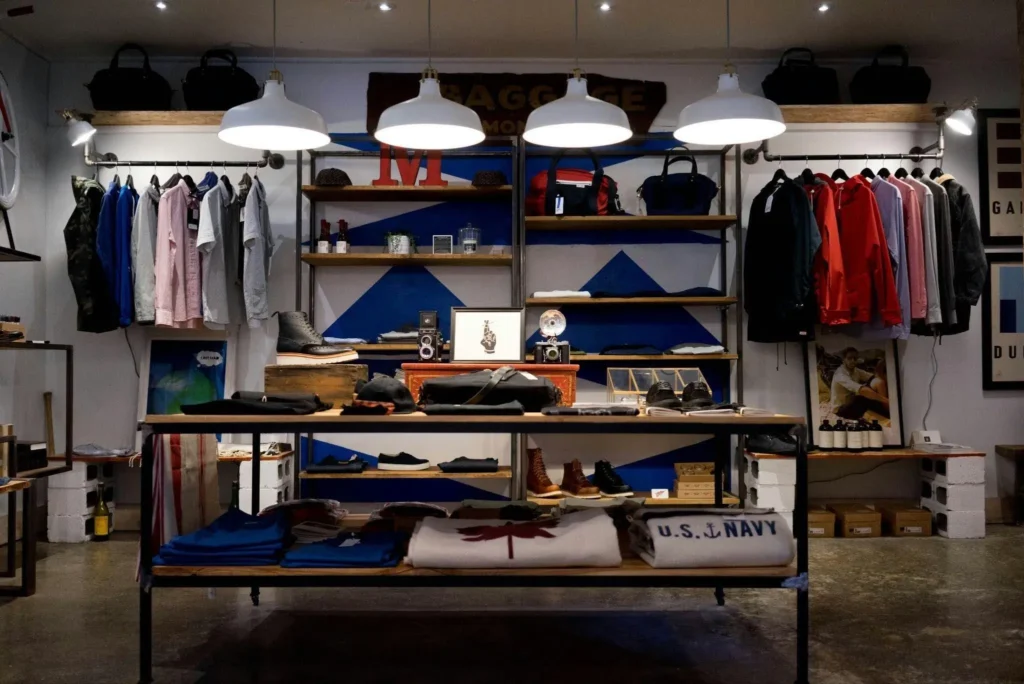
The layout of a luxury boutique rarely happens by accident.Retail designers carefully consider traffic flow, sightlines, product placement, and customer behavior. The goal is to create an environment that feels spacious, welcoming, and easy to navigate without overwhelming visitors.Unlike many high-volume retail stores that prioritize maximizing inventory density, luxury boutiques often dedicate more space to individual displays. This approach allows products to stand out while creating a calmer shopping environment.Wide walkways, comfortable seating areas, and thoughtfully arranged merchandise encourage customers to spend more time browsing. Longer visits often lead to stronger customer engagement and a greater appreciation for the brand’s identity.These design decisions help transform shopping from a transaction into an experience.
Luxury service standards extend beyond appearance and design.Employees often receive extensive training focused on communication, product knowledge, and customer engagement. High-end retailers understand that interactions with staff members can significantly influence how customers perceive the brand.Rather than emphasizing aggressive sales tactics, many luxury boutiques prioritize personalized assistance. Staff members are expected to understand customer preferences, provide informed recommendations, and create a comfortable shopping atmosphere.This level of service requires ongoing investment in employee development. However, many retailers consider it essential because knowledgeable and attentive staff often become one of the strongest differentiators between luxury stores and their competitors.Customers may forget specific product details, but they often remember how they were treated during their visit.
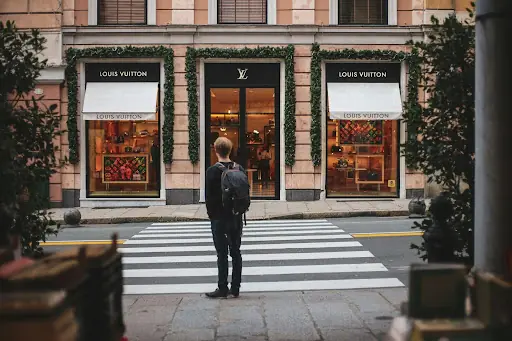
One challenge luxury retailers face is maintaining consistency across multiple locations, channels, and customer interactions. A premium experience must feel cohesive whether a customer visits a flagship store, a smaller boutique, or interacts with the brand online. Visual presentation, service standards, packaging, and communication all contribute to this consistency. Successful luxury brands develop detailed operational standards that guide everything from display arrangements to maintenance procedures. These systems help ensure customers receive a similar experience regardless of when or where they engage with the brand. Consistency reinforces trust and helps customers feel confident in their expectations. When every detail aligns with the brand’s image, the overall experience feels more authentic and memorable.
Many aspects of a premium retail experience remain invisible to customers. Inventory management, facility maintenance, employee scheduling, equipment upkeep, and operational planning all contribute to the smooth functioning of a boutique. While shoppers may never see these systems directly, they experience the results through shorter wait times, cleaner environments, and more attentive service. Luxury retailers often invest heavily in operational excellence because they understand that customer-facing experiences depend on countless behind-the-scenes processes working together effectively. From maintaining immaculate storefronts to ensuring every display appears flawless, these operational decisions support the atmosphere customers expect when visiting a luxury boutique. The stores that consistently deliver exceptional experiences are often the ones that devote just as much attention to invisible operational details as they do to the products displayed on the sales floor.