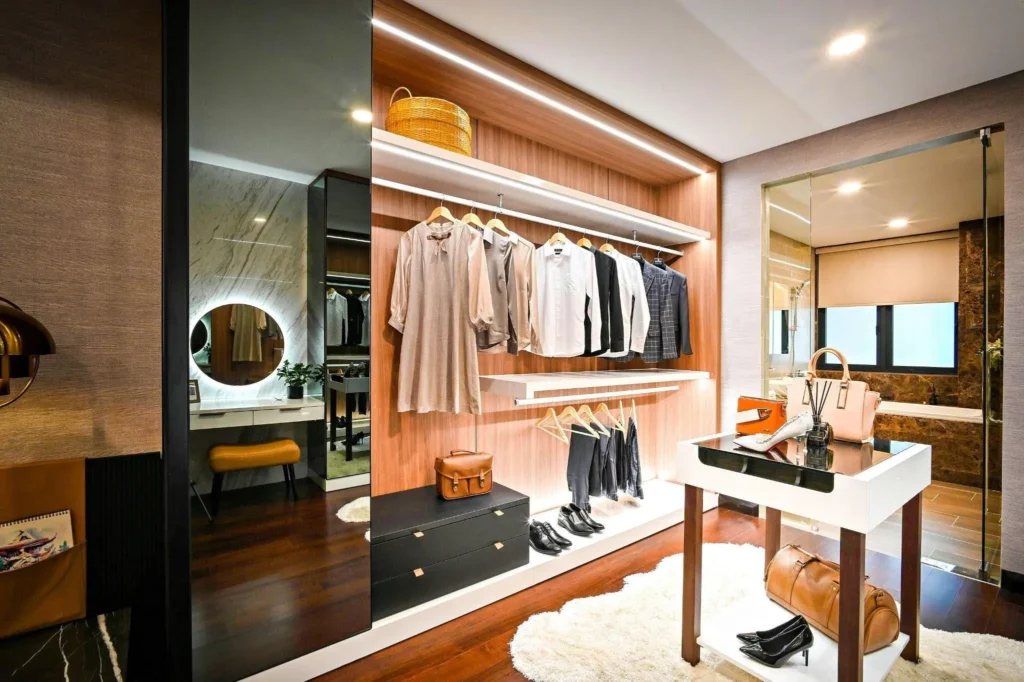
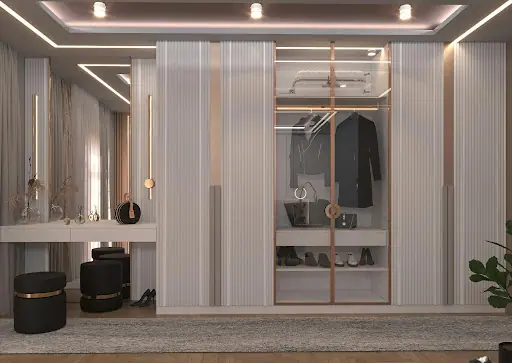
Most people do not wake up one morning and decide their wardrobe needs to change. Instead, the realization usually arrives gradually. A closet may still be full, yet getting dressed becomes unexpectedly difficult. Clothes that once felt right begin to feel disconnected from daily routines, professional responsibilities, personal goals, or even personal identity.The issue is rarely about fashion alone. More often, it reflects a larger change taking place in someone’s life. Careers evolve, priorities shift, lifestyles become different, and wardrobes sometimes struggle to keep pace.
A person’s clothing choices are often shaped by their circumstances. What works during college years may not work during a demanding professional career. What feels appropriate in one stage of life can feel out of place in another.Many people first notice this disconnect when they begin reaching for the same small group of items repeatedly while ignoring much of their closet. The clothes themselves may still be in good condition, but they no longer support how the person actually lives.This moment can be surprisingly revealing because it highlights how personal growth often creates practical changes that extend beyond obvious areas such as work, finances, or relationships.
When wardrobes stop feeling useful, people often assume they need a completely different style. In reality, the problem is frequently a lack of alignment rather than a lack of fashion. Someone who spends most of their week in professional settings may still own clothing purchased for a very different lifestyle. Another person may discover that old buying habits no longer match current priorities. The challenge is less about trends and more about creating a wardrobe that supports everyday life. Clothing tends to feel more natural when it reflects present realities rather than past versions of ourselves.
As lifestyles become more demanding, versatility becomes increasingly valuable. Many people discover that a smaller collection of adaptable pieces serves them better than a larger collection of rarely worn items.Clothing that works across multiple settings often provides greater value than pieces limited to specific occasions. This shift encourages more intentional purchasing decisions and helps reduce the frustration of owning many clothes without feeling properly dressed. The goal becomes creating options that support real life rather than collecting items that remain unworn.
One overlooked aspect of personal style is the connection between confidence and consistency. People often feel most comfortable when their clothing reflects who they are, how they spend their time, and what matters to them. When a wardrobe no longer aligns with daily life, getting dressed can feel surprisingly difficult. When that alignment returns, decisions become easier and confidence often follows naturally. This is one reason wardrobe changes frequently accompany major life transitions. New responsibilities, goals, and experiences often lead people to reconsider how they present themselves to the world.
A wardrobe may seem like a collection of clothing, but it often tells a story about where a person has been and where they are going. The moment people realize their wardrobe no longer fits their life is usually not about fashion trends or seasonal updates. It is often a sign that something larger has changed. Personal growth, professional development, shifting priorities, and evolving goals can all create a need for clothing that better reflects the present. Recognizing that change is often the first step toward building a wardrobe that feels practical, comfortable, and relevant again. The goal is not to become someone different. It is to ensure that what hangs in the closet supports the person someone has already become.