Every artistic medium asks the creator to think within a particular set of boundaries.A painter works with a surface. A photographer selects one frame from a larger world. An illustrator controls the angle from which a character or object is seen. A sculptor, by contrast, creates something that must continue to exist when the viewer moves around it. Digital artists have spent decades moving between these ways of thinking. A work may begin as a drawing, become a moving image, enter an interactive website, appear on a garment, or expand into a virtual environment. The boundaries between illustration, fashion, sculpture, animation, and spatial design are increasingly difficult to separate.AI-assisted 3D tools are accelerating this movement.
An artist can now begin with a sketch, image, or written idea and create an initial three-dimensional form without first mastering every technical stage of traditional modeling. The result may still need extensive editing, but it gives the artist an object that can be rotated, placed in space, lit, animated, printed, or exhibited virtually. The significance is not that AI makes sculpture easy.It is that more artists can begin asking sculptural questions. What does this image look like from behind? How large should the form feel in relation to the body? What happens when a symbol becomes an object? How should a surface respond to light? Can a character move between an illustration, a fashion film, and a virtual exhibition while keeping the same identity? These questions change the artwork before the final medium has even been chosen.
Two-dimensional art gives the creator precise control over what the audience sees.The artist chooses the frame, composition, scale, lighting, and point of view. The back of the subject does not need to exist. A floating object can remain physically impossible because the image only has to work from one direction. This control is one of the strengths of drawing, painting, photography, and digital collage. A three-dimensional object behaves differently. The viewer may move around it. A camera can reveal the side, back, top, and underside. Light changes as it passes over the surface. Proportions that looked balanced from the front may feel awkward from another direction. Turning an image into a spatial object therefore requires more than adding depth.It requires the artist to reconsider the work.
A face designed for a front-facing illustration may not work in profile. An abstract symbol may become visually weak when given too much thickness. A soft form may become aggressive when translated into hard reflective material. These are not merely technical problems.They are artistic decisions.
The generated model should not be treated as a final interpretation. A single image cannot explain every surface, so hidden areas must be estimated. The back may be too simple, the proportions may shift, and textures may stretch around edges. Yet even an imperfect result can reveal useful possibilities. The artist can examine:
The model becomes a sketch made of volume rather than lines.
It is tempting to describe AI as a neutral tool that simply follows instructions. In practice, generative systems interpret. When the source image does not show the back of an object, the system invents one. When a written prompt describes a “soft mechanical flower,” the model has to decide what softness, machinery, and floral structure look like together. This means the output contains choices the artist did not make directly. That can be a weakness when accuracy matters, but it can also become part of the creative process. A generated form may misunderstand the original concept in an interesting way. It may create an unexpected surface, distort a proportion, or combine visual references in a manner that suggests a new direction. The artist can accept, reject, or transform these interpretations. The important point is not to confuse accident with intention. A surprising output becomes part of an artwork only after the artist decides what it means within the larger piece.
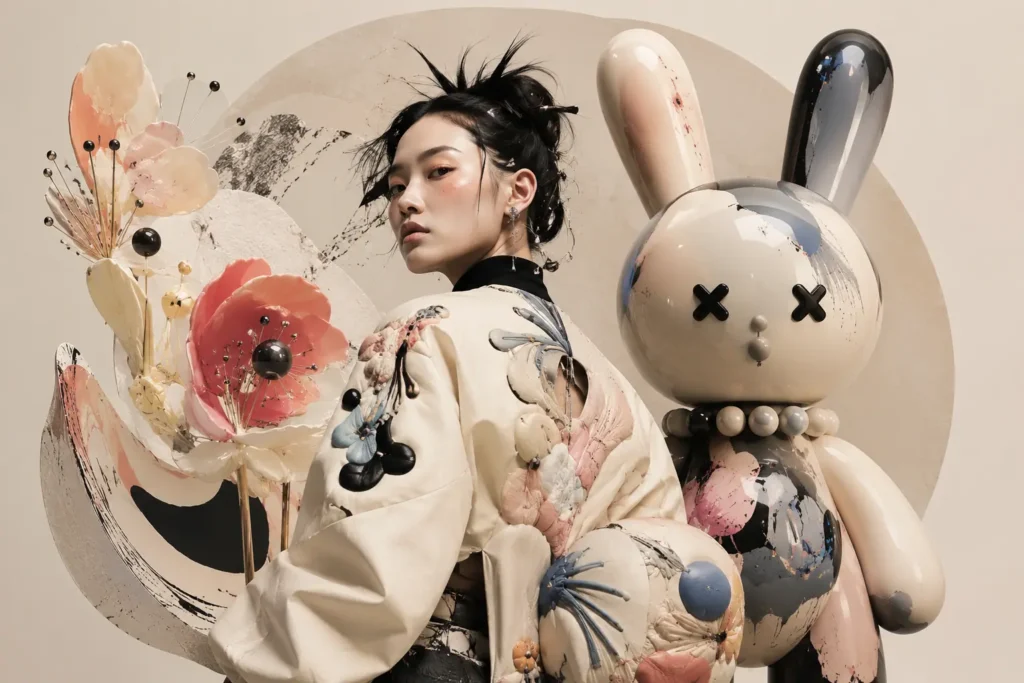
Many artists develop recurring symbols across their work.These may be flowers, eyes, masks, animals, architectural forms, hands, machines, or abstract shapes. Repetition allows a visual language to become recognisable.Three-dimensional tools give these symbols another place to exist. A painted flower can become a digital sculpture. A graphic mask can become a virtual wearable. A repeated symbol can become an environment rather than a surface pattern. A character can move from a print into an animated scene. This is especially relevant to artists working between art and fashion. A recurring visual motif might appear as:
The idea remains connected, even as its material form changes. The artist is no longer creating separate works for separate platforms. They are building a visual system capable of moving across media.
Not every object begins as a drawing. Some ideas first appear as language. An artist may write a phrase such as:
The value is not that the first result perfectly represents the concept. Its value is that language quickly becomes something spatial enough to react to. The artist can decide that the form is too literal, too decorative, too smooth, too familiar, or unexpectedly effective. A vague idea begins to produce specific questions. Should the object be larger? Should it feel wearable or architectural? Should the material appear soft even if the geometry is rigid? Does the work need a human scale reference? The model turns speculation into critique.
A digital object does not have a fixed physical size.The same model can appear as a small piece of jewellery, a human-sized sculpture, or an architectural structure large enough to contain a room. This flexibility makes scale an artistic decision rather than a technical property. A familiar object can become unsettling when enlarged. A monumental symbol can become intimate when reduced to the size of the hand. An abstract form can change meaning when placed next to the human body. Artists working in virtual environments can test these relationships without physically building each version.
Scale becomes part of the narrative.
A digital sculpture can appear to be made from marble, glass, skin, chrome, fabric, ceramic, liquid, or a substance that does not exist physically.This freedom expands visual language, but it also changes the meaning of material. In physical sculpture, material carries weight, cost, resistance, history, and labour. Stone responds differently from clay. Metal requires different processes from fabric. The artist’s decisions are shaped by what the material allows. Digital materials do not impose the same resistance. A glass object can bend like fabric. A metallic surface can move like skin. A virtual garment can ignore gravity. This can produce poetic results, but it can also make material choices feel arbitrary. The artist still needs to ask why the object should appear to be made from a particular substance. A reflective surface may suggest distance, technology, luxury, or self-observation. A soft surface may create intimacy or vulnerability. Transparency may represent openness, fragility, or disappearance. The material does not become meaningful simply because it looks visually impressive. Meaning still comes from context.
Digital exhibitions are sometimes designed to imitate traditional galleries.They reproduce white walls, frames, spotlights, and familiar viewing distances. This can help audiences understand how to navigate the space, but it also limits what a virtual exhibition can become. A digital gallery does not need gravity, fixed architecture, or a single scale. Artwork can float, transform, react to viewers, or exist inside impossible landscapes. A visitor may move through a sculpture rather than only around it. A piece can change material or form over time. AI-generated 3D assets can help artists and curators prototype these environments more quickly.A two-dimensional artwork might become:
The exhibition becomes another artistic medium rather than a digital container.
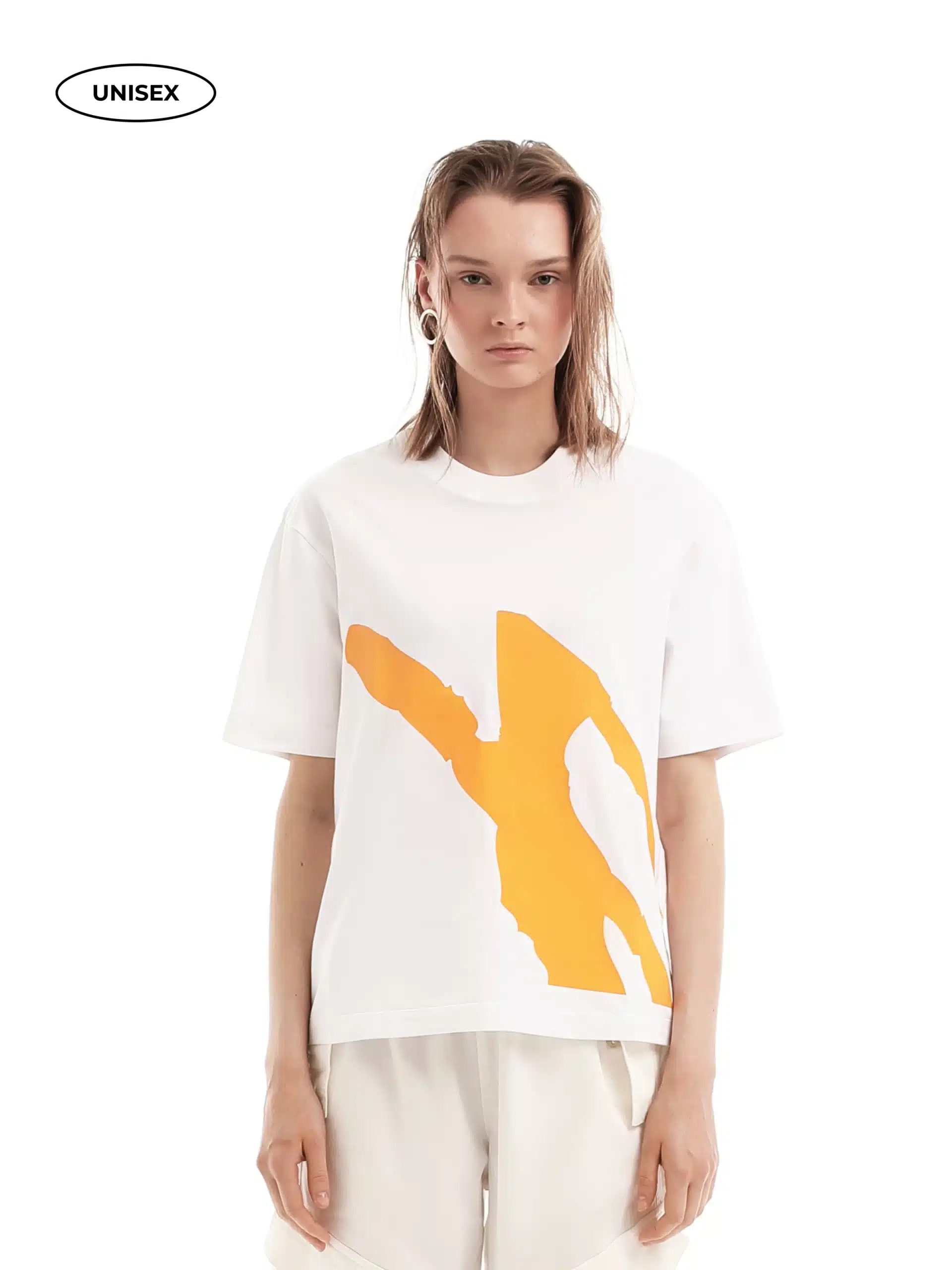
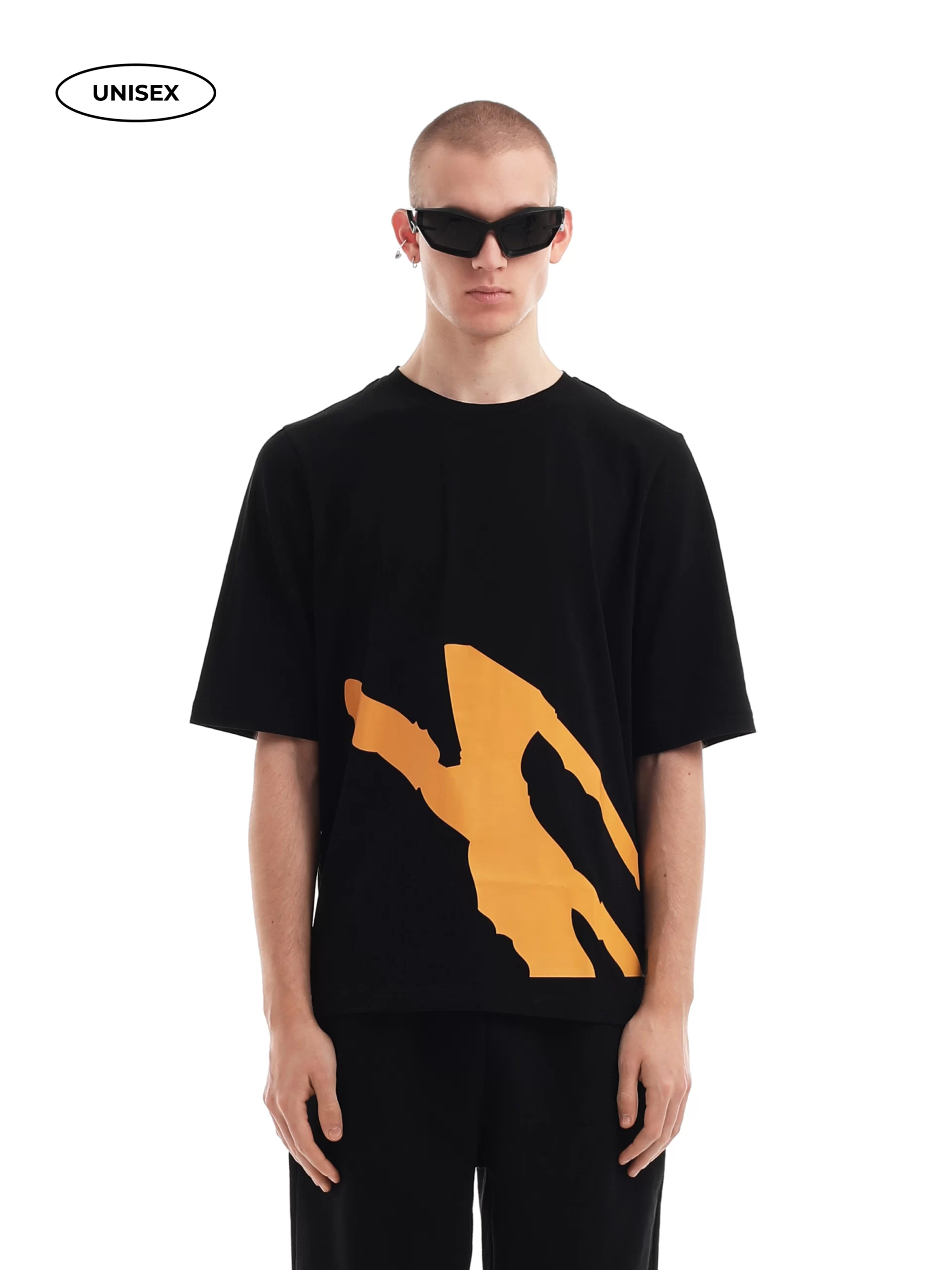
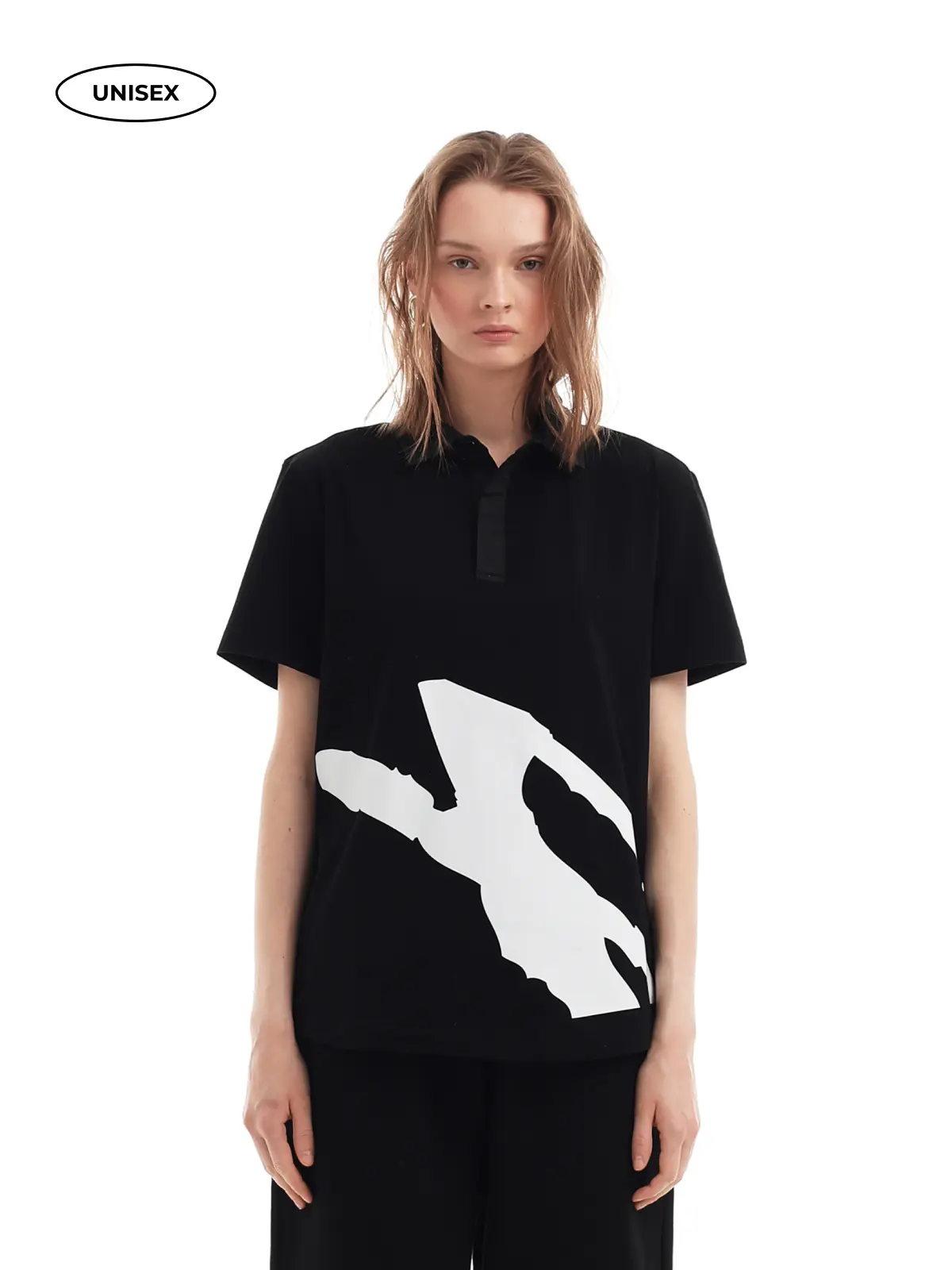
Fashion is one of the most visible places where two-dimensional art becomes spatial. An artwork printed on a garment moves with the body. A sculptural accessory changes posture and silhouette. A digital object can become part of a fashion film, runway environment, or virtual styling experiment. AI 3D can support artists exploring this space. A graphic symbol can be tested as a brooch, mask, bag, shoe detail, headpiece, or garment structure. A character illustration can inspire a wearable form. A digital sculpture can become a campaign prop or projected element. The early model does not need to be manufacturable. Its purpose may be to explore the relationship between body, image, and object. If the concept moves toward physical production, specialists will need to address ergonomics, materials, dimensions, construction, and safety. But the digital model can help the artist discover whether the idea should be worn, carried, displayed, or enlarged into an environment.
Digital sculpture does not have to remain on a screen. Some models may later be prepared for 3D printing, fabrication, installation, or use as references for physical production. The movement from digital to physical introduces new limitations. A model that appears stable in a virtual space may collapse in reality. A delicate surface may be impossible to print. A transparent digital material may have no affordable physical equivalent. An object designed without gravity may require hidden support. These constraints can become part of the work. The artist may modify the form to reflect the manufacturing process. Tool marks, support structures, seams, and material imperfections can become visible rather than concealed. The physical object is not simply a perfect copy of the digital one. It is another interpretation.
Much contemporary digital imagery is extremely polished. Surfaces are smooth, lighting is controlled, and objects appear untouched by time or labour. This perfection can be visually compelling, but it can also make different works begin to feel similar. Artists may choose to resist that smoothness. A generated model can be cut, distorted, stretched, broken, recombined, or deliberately left incomplete. Geometry errors can be transformed into texture. Missing surfaces can become openings. A failed output can be used as raw material. This does not mean every technical problem is artistically meaningful. The difference lies in intention. An error that remains because no one noticed it is not the same as an imperfection that has been selected and developed. The artist’s role includes deciding which irregularities should remain.
AI-generated art often raises questions about authorship. If the system produced the initial geometry, where does the artist’s contribution begin? This question assumes that authorship depends mainly on manually constructing every visible part. But artists have long worked through selection, direction, editing, arrangement, appropriation, and collaboration. A photographer does not build the landscape. A filmmaker does not physically create every object in the frame. A fashion designer works with pattern cutters, fabric developers, stylists, and manufacturers. The presence of a tool or collaborator does not automatically remove authorship. What matters is the depth of artistic decision-making. Did the artist develop the concept? Did they shape the visual language? Did they select and transform the result? Did they understand the cultural context? Did they make meaningful choices about scale, material, composition, and presentation? Typing a prompt and accepting the first output may involve little artistic development. Using generated form as the beginning of an extended process can be something very different.
Generative tools can make many creators work with similar visual references and production methods. This can lead to a recognisable AI aesthetic: polished surfaces, familiar surreal combinations, symmetrical compositions, and objects that appear technically impressive but emotionally interchangeable. Artists need to be conscious of this tendency. A useful question is not simply, “Does this look good?”
AI increases the speed of production, but speed can also reduce the time spent developing specificity. A distinctive artistic practice still requires attention, repetition, research, and revision.
AI can help a two-dimensional artist enter 3D without replacing professional collaboration. An early generated model can make communication with a 3D artist more precise. Instead of providing only a front-facing sketch, the artist can discuss:
The 3D specialist can then focus on refinement, topology, sculpting, rigging, material development, and technical preparation. This can create a better division of work. The artist brings the concept and visual language. The specialist brings deeper control over the medium. AI helps create an intermediate object that both can discuss.
An artist exploring AI 3D might follow a process such as:
The software is only one stage in the process. The artwork begins when the artist decides what the form is for.
The rise of virtual sculpture does not mean painting, photography, illustration, or physical craft become less important. A drawing may remain stronger as a drawing. A photograph may communicate more through its fixed frame than an interactive model could. A physical sculpture may gain meaning from its weight and material history in a way no digital version can reproduce. The value of AI 3D is not that every artwork should become dimensional. It is that artists have another path available when the concept needs space, movement, multiple viewpoints, or interaction. The medium should follow the work.
AI can generate objects, estimate hidden surfaces, propose textures, and shorten the distance between an idea and a visible form. It cannot decide why the object matters. It cannot determine whether a sculpture belongs in a virtual gallery, on a body, inside a film, or nowhere at all. It cannot give a recurring symbol personal history. It cannot decide whether a perfect surface should remain perfect or be broken apart. Those decisions belong to the artist. The most interesting future for AI 3D is not an endless stream of instantly generated objects. It is a generation of artists using dimensional tools to move their own visual languages into spaces that were previously difficult to access. A canvas can become a virtual sculpture. A sketch can become an environment. A written image can become an object that the viewer walks around. The technology opens the door. The artist still decides what kind of world exists on the other side.