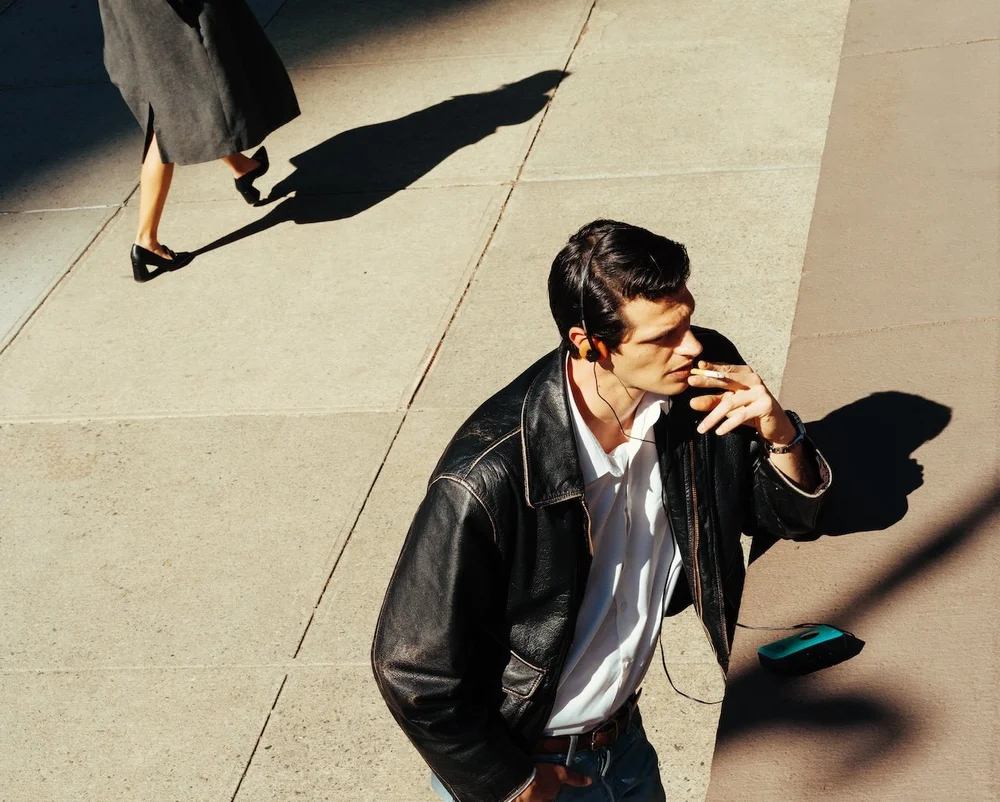
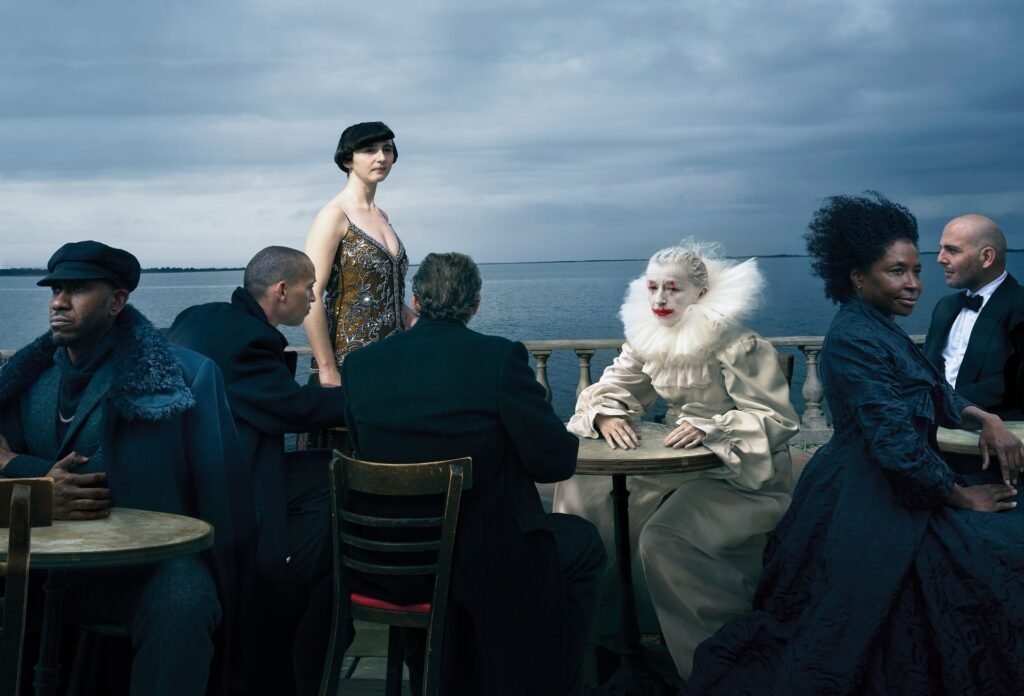
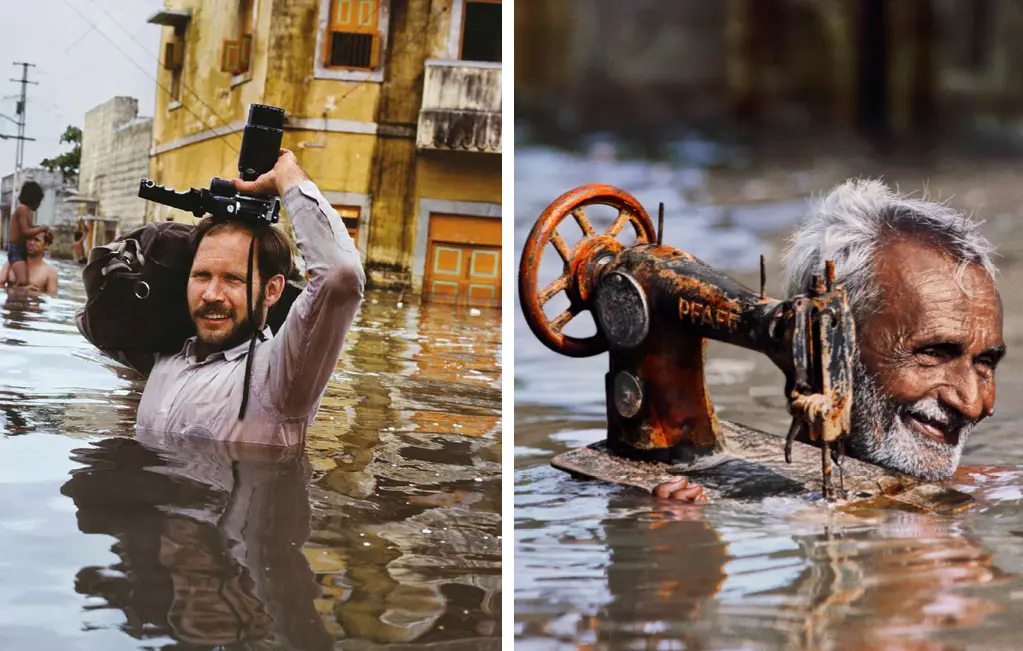
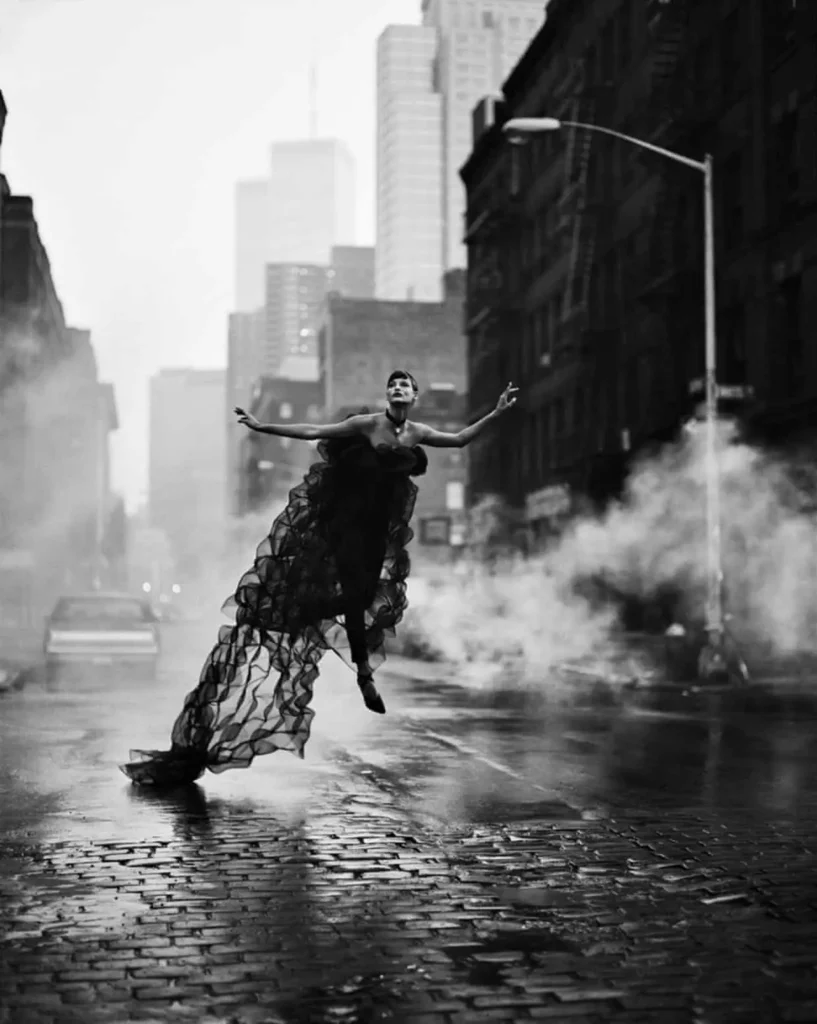
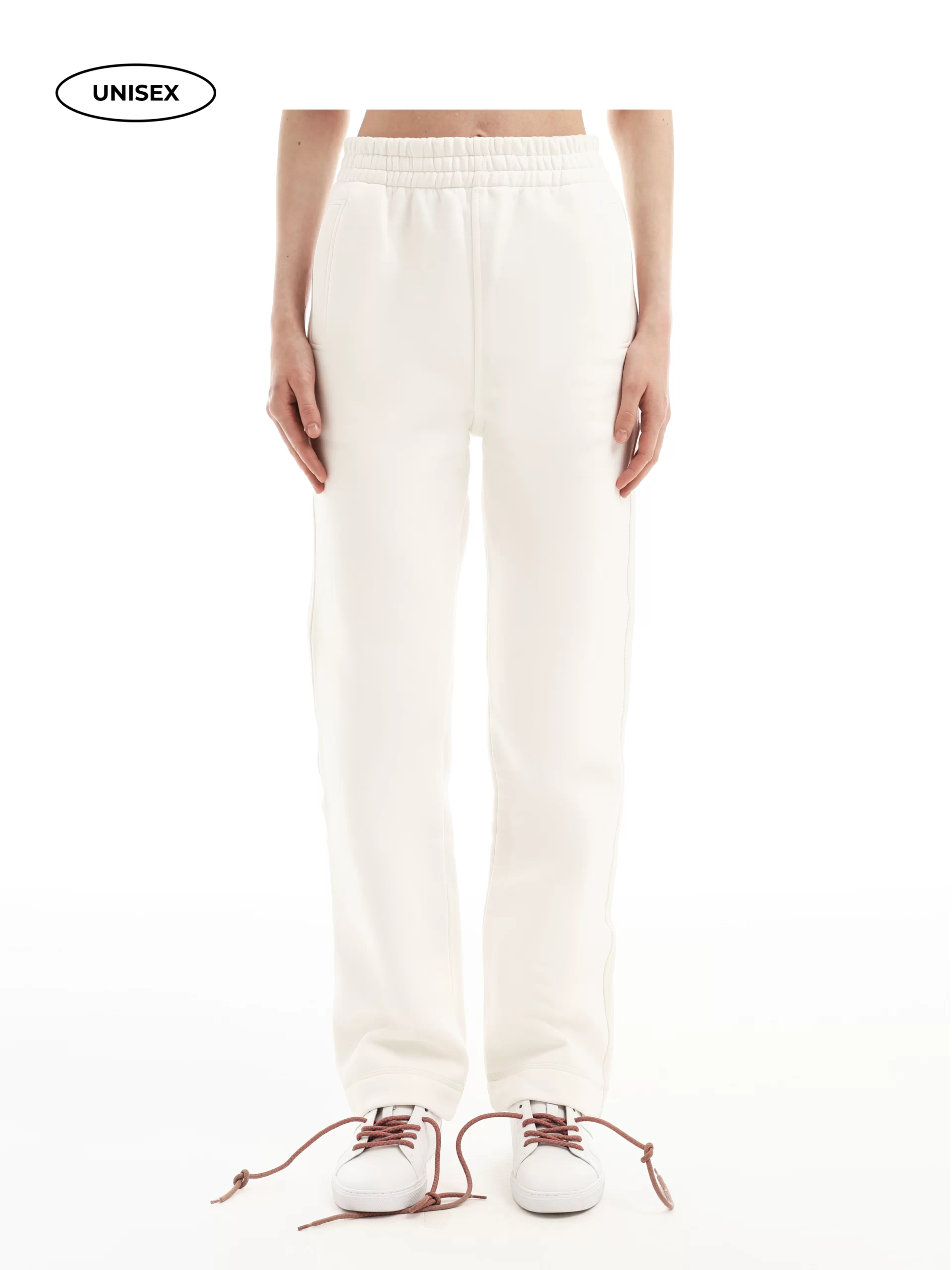
Photography doesn’t refer only to taking good pictures; every image has a different story and promotes a particular product. If we talk about editorial and commercial photography, these are the two most common styles that often confuse people. They seem to be similar at first but both have different purposes. Knowing both photography styles can help a business owner, content creator, aspiring photographer and the photo industry in selecting the right style for their project.
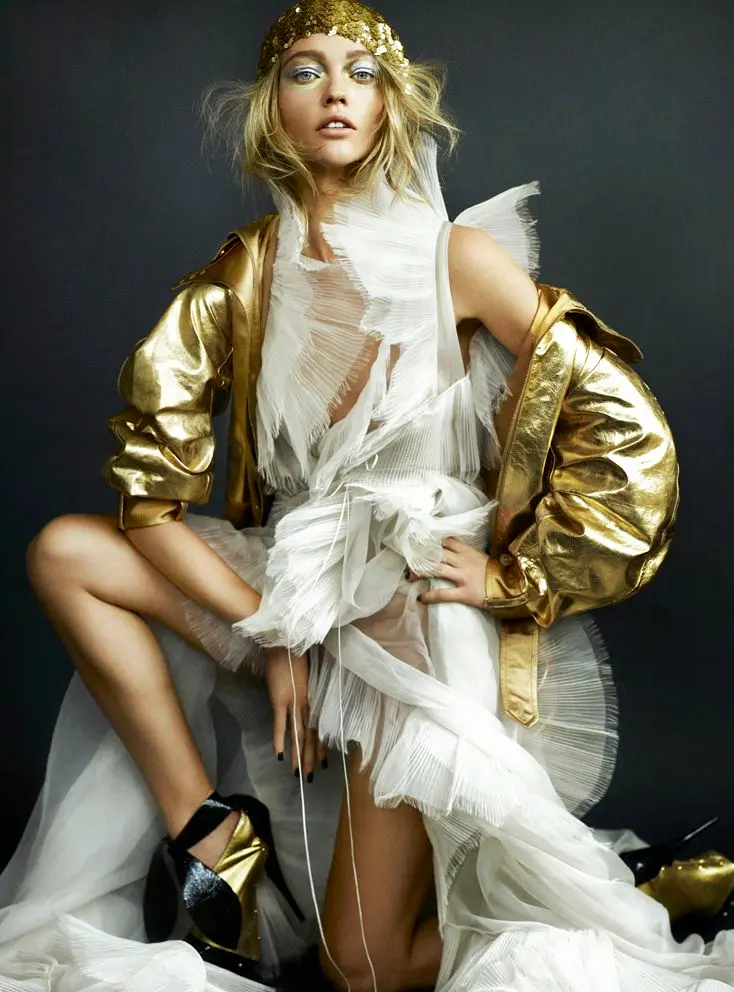
Editorial photography narrates stories and helps to educate, inform, entertain and inspire readers rather than promoting a product. Unlike advertising images, editorial photos focus on authenticity and storytelling.
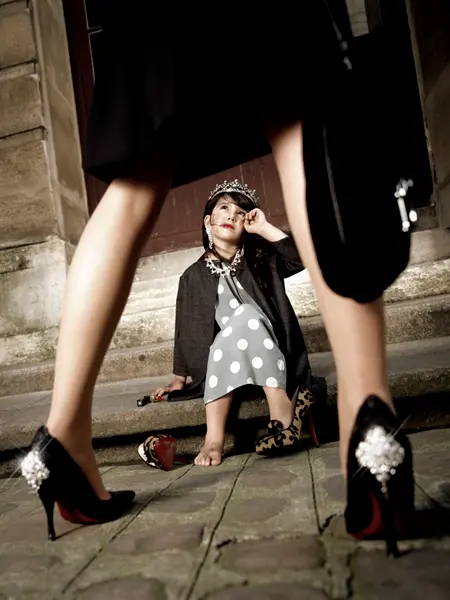
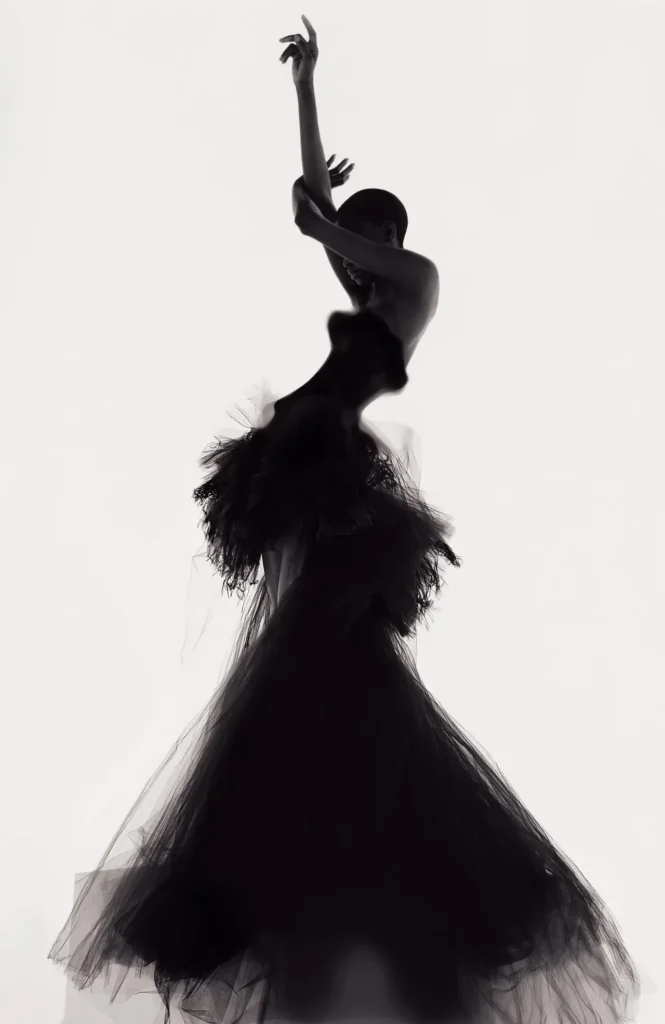
Editorial photography is a major part of online publications and lifestyle stories. You can usually see it in magazine articles and newspapers. It is used by authors for documentary projects along with travel features. It is also a part of fashion editorials to show new styles.
A wide range of storytelling is covered by editorial photography depending on the audience and publication.
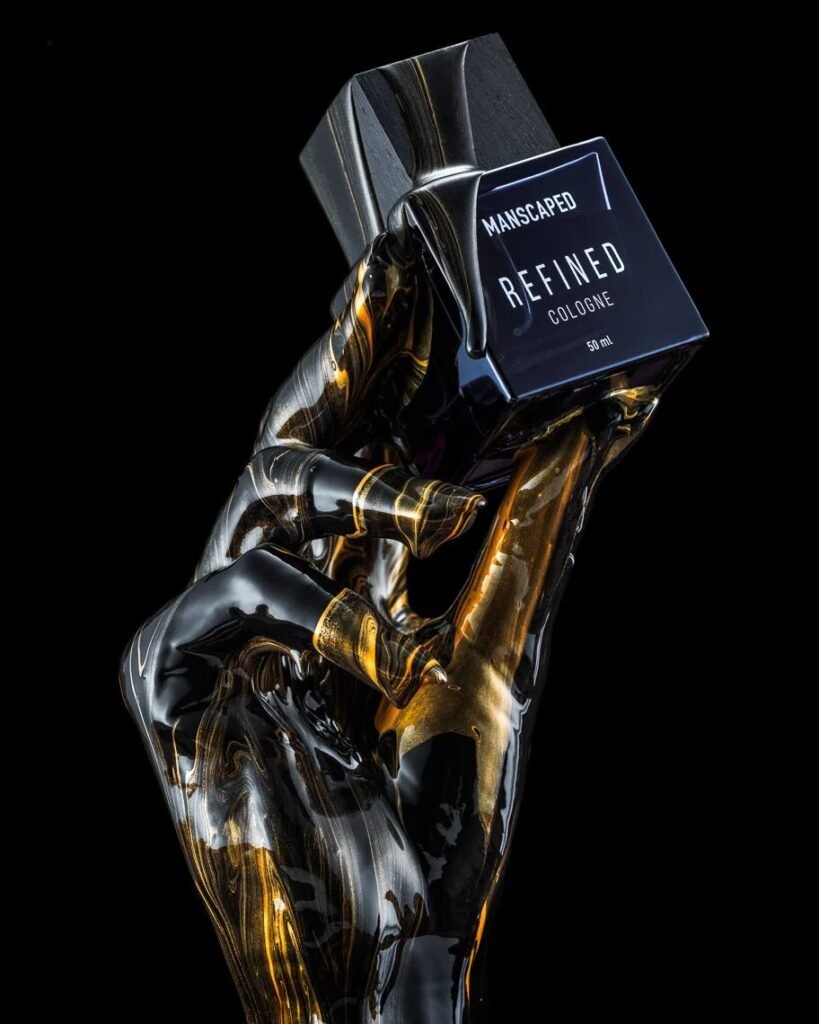
Commercial photography is used in the promotion and selling of a product, service, brand and a business. Every photograph is made to attract customers and increase purchases.
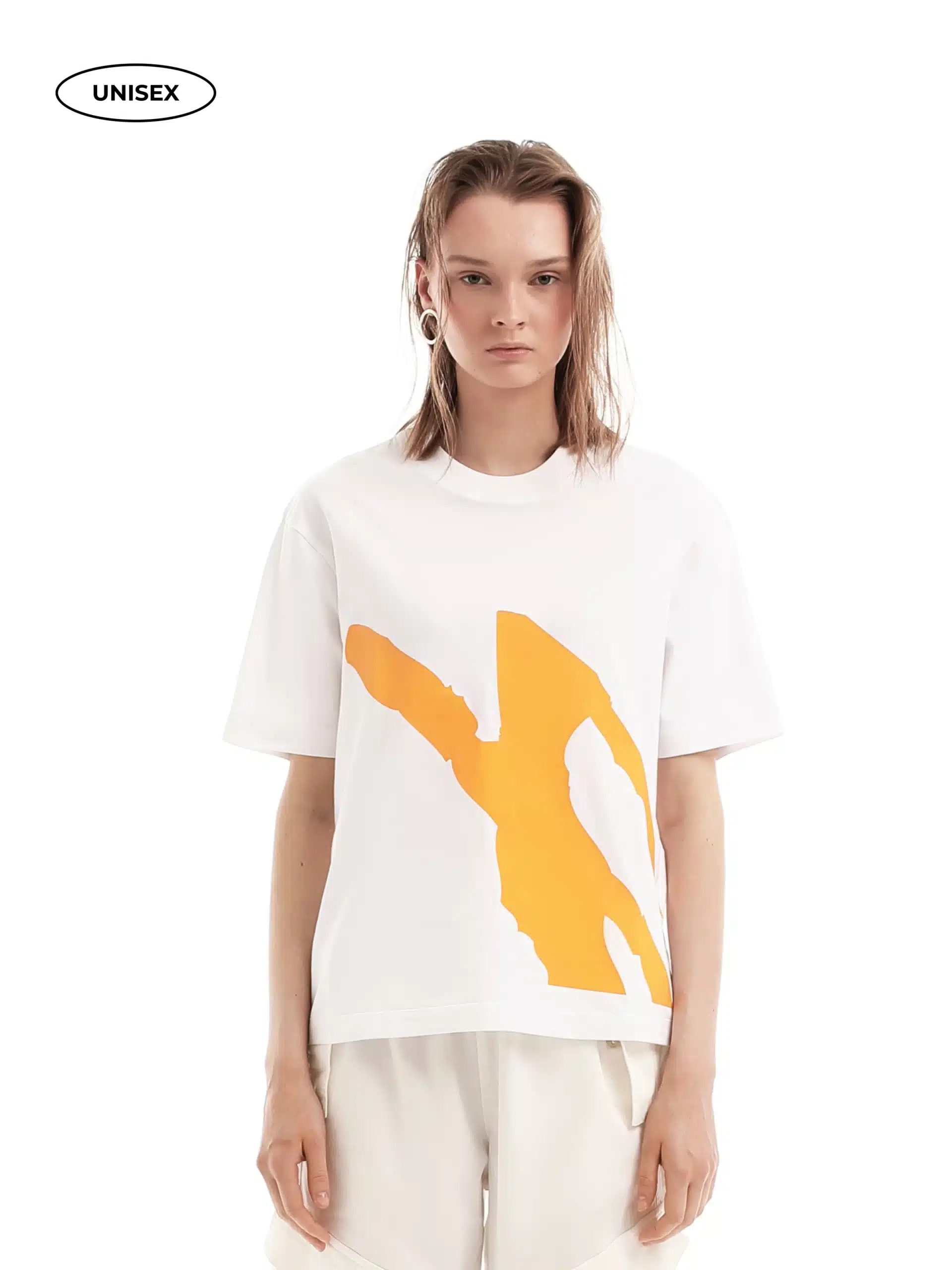
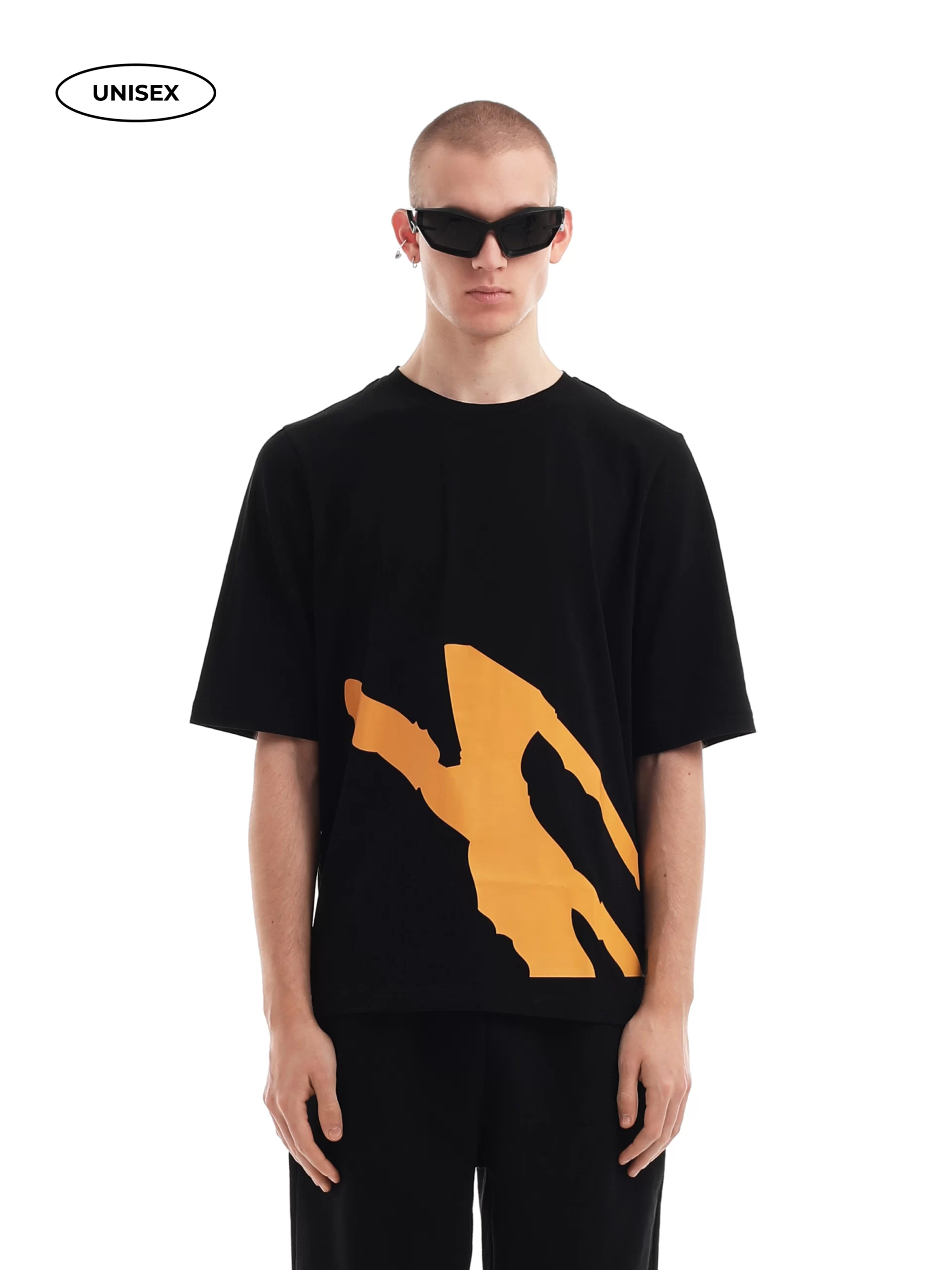
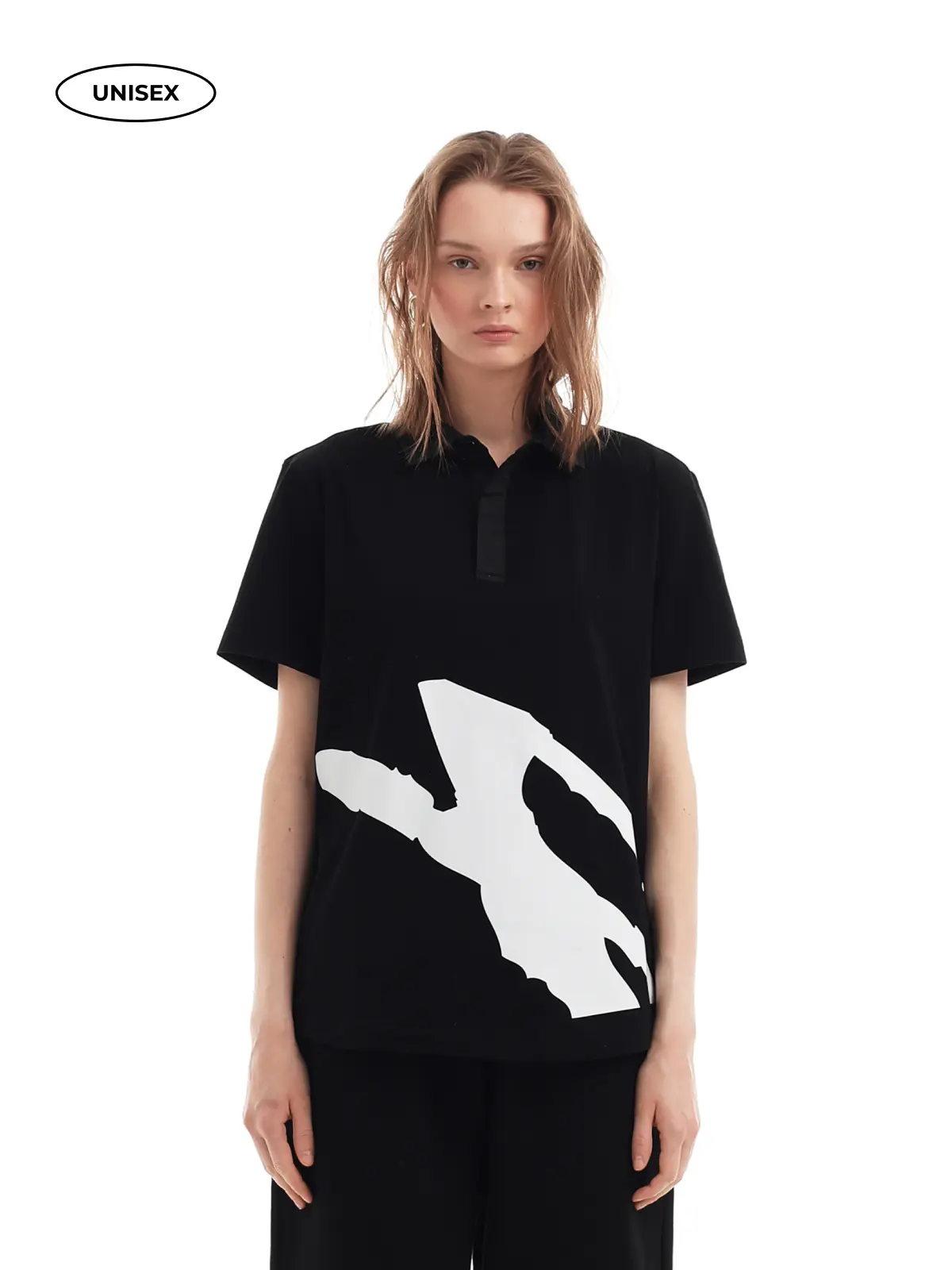
Advertisements, product catalogs, websites, social media campaigns along with packaging and billboards mostly use commercial photography. To present the product in the best manner, lighting, styling, props and editing are mainly controlled. The main focus is to increase sales and marketing.
Depending on your market goals and industry, commercial photography has several specialized fields.
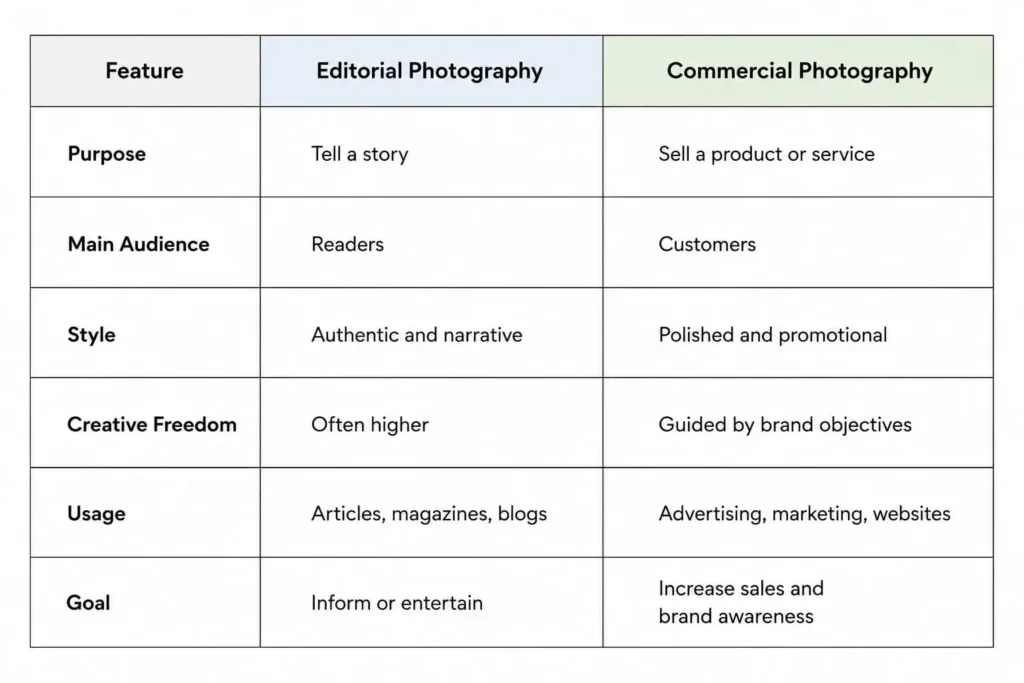
Storytelling is the focus of Editorial photography. Each image contributes to the narrative of an article. Genuine emotions, moments and environment are captured that help readers to connect with the story. Whereas commercial photography is designed to attract consumers. Each detail, from composition to lighting is executed to make the product and brand look appealing.
Editorial assignments provide photographers with room for artistic interpretation. A theme can be provided by publications; photographers capture the story freely. Commercial projects include big teams like marketing, creative directors, brand managers, and clients. Photographers work on providing detailed instructions to ensure consistency across the marketing materials.
Editorial photography usually includes:
Commercial photography has a focus on:
Editorial photography uses natural lighting and a realistic atmosphere. Authenticity has more importance than perfection. To create flawless visuals means like studio lighting, arranging sets, product styling, retouching, and advanced editing technologies are used in commercial photography.
Editing is involved in photography, but to a certain extent. Color correction, exposure adjustment, basic retouching and maintaining realism are the main focuses of editorial editing. Skin retouching, product enhancement, background replacement, color grading, composite editing and removal of imperfections are all part of commercial editing.
Licensing creates a difference between editorial and commercial photography.
News, educational materials, magazines, blogs and publications use licensed editorial images. Use of licensed editorial images is limited to supporting informational content. Broader usage rights are required for commercial photography as it promotes products and services. Licenses covering advertising, digital marketing, print campaigns, billboards, and packaging are negotiated in businesses.
One important legal difference involves permissions.
Model releases are not needed in editorial images when covering newsworthy events or documenting public life, depending on local laws and the usage of images.
Model releases signed by recognizable people are required for commercial use and for private property property releases are used. They protect both the photographer and the client.
Professional equipment is used by both editorial and commercial photographers, which includes:
Commercial photographers often invest more heavily in studio equipment such as:
Editorial photography can be seen in multiple media platforms. They are present everywhere, especially across fashion magazines and news websites. You will also see it in National Geographic and travel magazines. Many food blogs and lifestyle magazines use these photos too. Finally, they also can appear in documentary books and online journals.
Wherever consumers interact with brands, commercial photography is present. It can be seen at online stores and on product packaging with large billboards and TV advertisements. This photography is usually used by restaurants and brands on their social media platforms and in advertisements like Instagram marketing campaigns, Facebook ads, email marketing and printed company brochures to attract customers.
Income relies on experience, specialization, location and clients. Commercial photography offers higher earning potential than commercial photography, as businesses increasingly invest in marketing campaigns, advertising and product launches. In editorial photography, lower rates for individual assignments are offered whereas experienced photographers working with popular magazines, publishers, or news organizations can build careers.
Successful photographers opt for both editorial and commercial photography. Storytelling skills are built by Editorial photography, while consistent business opportunities are provided by commercial projects.
Choose editorial photography when:
Choose commercial photography if you aim to:
The key difference among bothese photography’s comes down to one thing. Editorial photography is related to storytelling and supporting written content, whereas commercial photography focuses on marketing, branding, and driving sales. One style is made better than the other when different needs are served. Knowing these distinctions will help you while hiring a photographer, building a portfolio, and exploring a photography career, along with making informed decisions. These approaches are mastered by many photographers, combining creative storytelling with strategic marketing, so that client needs can be met.
Creative storytelling is the focus of editorial fashion photography, though commercial photography promotes brands.
No. Pictures that are captured for editorial purposes are not used for commercial purposes without having the required rights and releases.
Both provide valuable opportunities. Observational skills and storytelling are developed by editorial photography, whereas lighting, branding, client communication, and marketing are taught by commercial photography.
Yes, often, if necessary commercial permissions and releases have been provided. The intended use of the image ultimately determines whether it is considered editorial or commercial.