Free shipping on all US orders
10% OF OUR PROFIT GOES TO KIDS’N’CULTURE NON-PROFIT ORGANIZATION
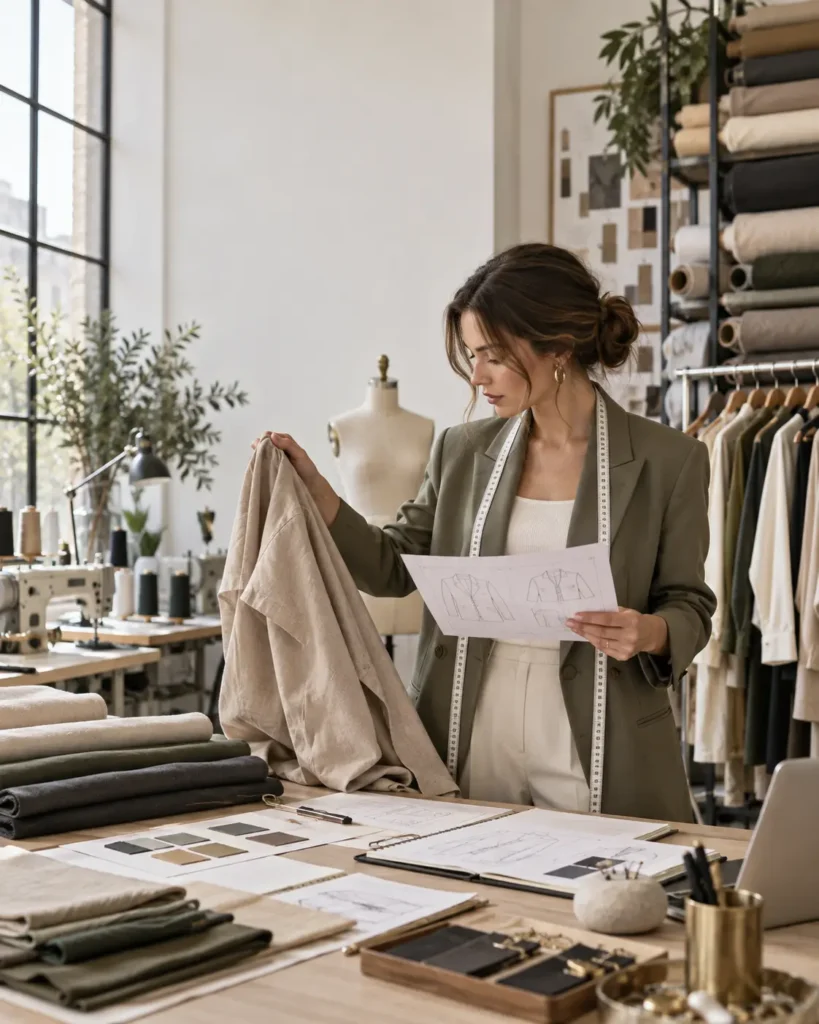
Your first conversation with a factory tells you more than any brochure will. Not because of what they promise, but because of what they ask you. A strong manufacturing partner will usually want to understand details such as fabric weight, fit references, and delivery requirements before discussing price. So here’s a straightforward way to work through that first conversation and come out with a partner you’re glad you picked. If you would rather start with a team that already runs global retail programs, you can explore options like this Manufacturing company, one of the top providers in the field, where you will have proper guidance from your first sample right through to shipment. The five checks below will make the rest of the process feel simple.
Before you talk price, look at what is already coming off their floor. A factory that runs your product category every week has solved things you have not hit yet. How a particular knit behaves after three washes. Which seam finish holds up on lightweight fabric. How to grade a size run so the largest size still hangs the way you drew it. Ask which categories they produce most often and which fabrics they buy in volume. That second question is the useful one, because volume buying is where their pricing is strongest and their consistency is highest. If your line sits inside that sweet spot, everything after this gets easier.
Care labelling is a legal requirement in most markets you will sell into. In the United States, the FTC Care Labeling Rule asks for a permanently attached label giving washing or drycleaning instructions for ordinary use of the garment. A factory that does this daily already knows the format your market expects. Ask to see a label they have produced for a brand selling into the same region, along with their options for hangtags, poly bags and retail-ready packing. Getting this sorted during sampling means your first shipment arrives floor-ready.
There are no reviews yet. Be the first one to write one.

A whole world on the tip of a pencil. The story of an artist who proved that true art has no limits and that it is never too late to start all over again.
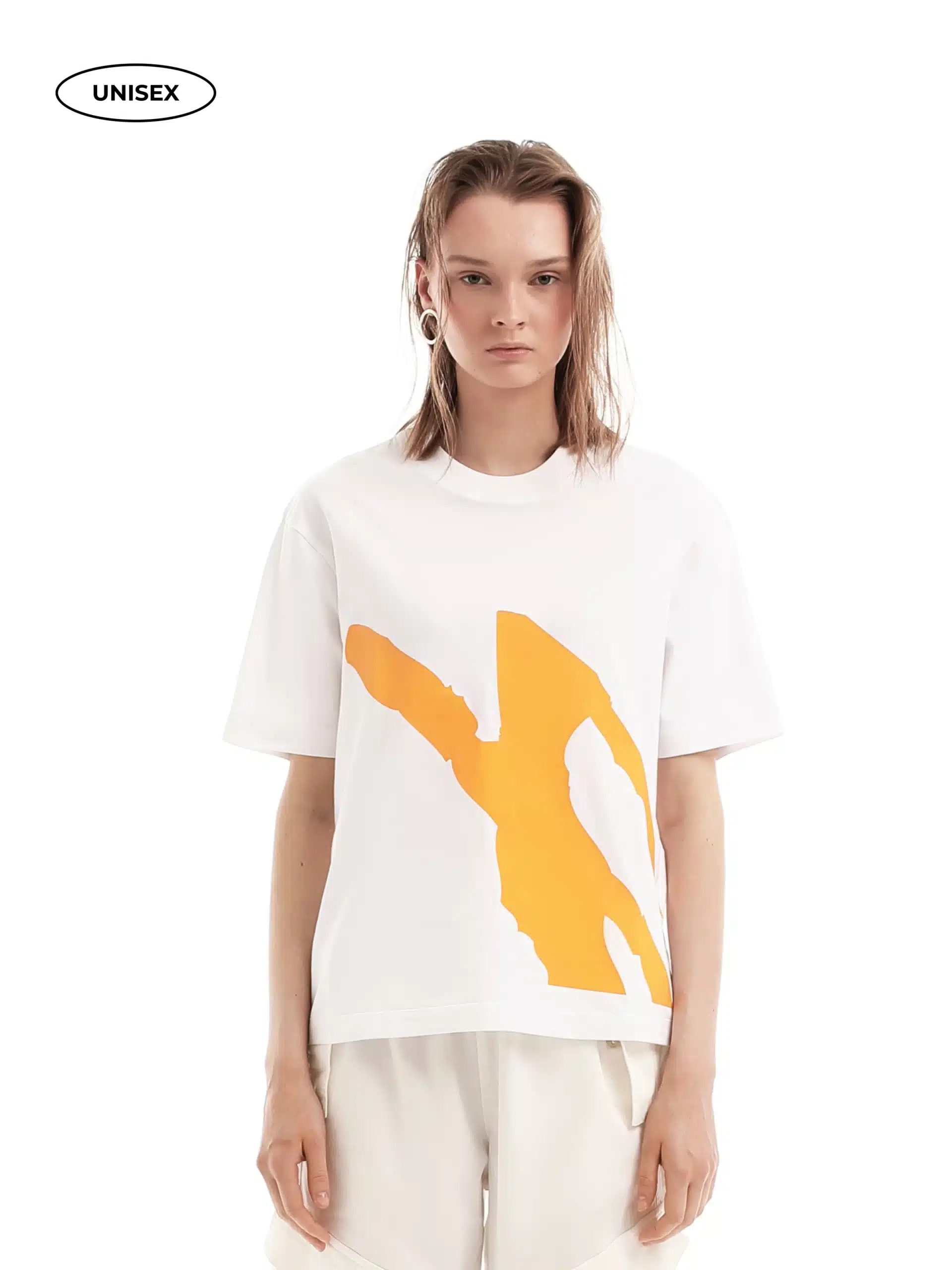
$130.00 Original price was: $130.00.$65.00Current price is: $65.00.

International fashion icon and symbol of Parisian style, Ines de la Fressange is one of the most famous women in France.

Anastasia Pilepchuk is a Berlin-based artist with Buryat roots. She creates masks and face jewellery inspired by the nature and the culture of her beautiful region.

A whole world on the tip of a pencil. The story of an artist who proved that true art has no limits and that it is never too late to start all over again.