2026 Fashion Accessories Matching List: Use Personalized Items to Brighten Up Your Daily Outfits

2026 Fashion Accessories Matching List: Use Personalized Items to Brighten Up Your Daily Outfits

SHARE THE ARTICLE

1. Introduction: Self-Expression in 2026

  • Self-Expression: 2026 fashion moves beyond designer labels toward unapologetic self-expression and customized looks.
  • Custom Fashion Accessories: Items modified with initials, names, colors, artwork, charms, embroidery, or patches serve both decorative and functional purposes.
  • Outfit Transformation: Monogrammed bags, engraved jewelry, and custom patches easily elevate basic clothing into personal stories.

2. The Essential Accessory Checklist

  • Statement Jewelry: Minimalist chains are replaced by bold, sculptural pieces like chunky geometric earrings, oversized cuffs, and asymmetrical necklaces.
  • Structured Handbags: Architectural silhouettes in vivid colors or unique textures replace slouchy totes to instantly polish casual outfits.
  • Layered Belts: Layering belts of varying widths and textures over blazers, slip dresses, or high-waisted trousers creates an edgy silhouette.
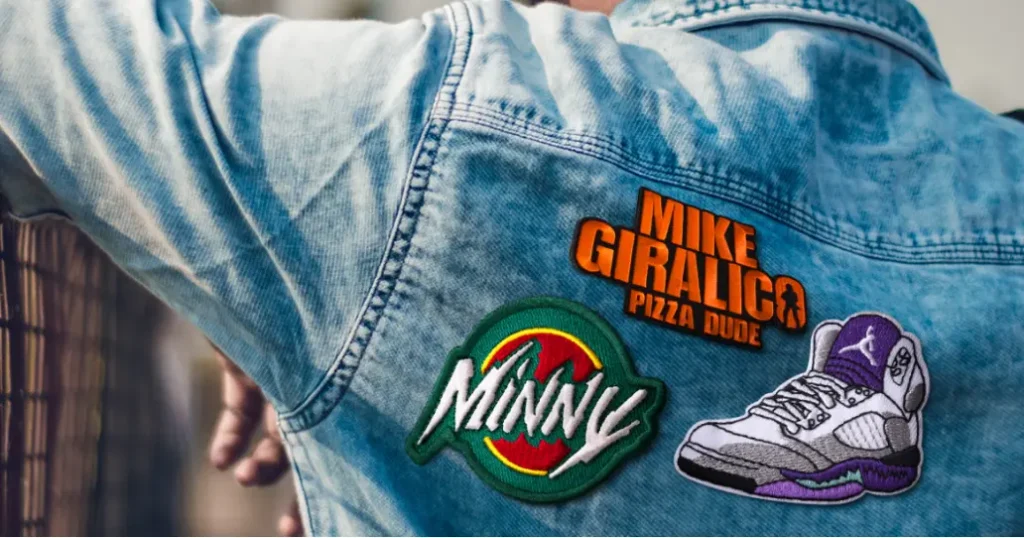
  • Custom Embroidered Patches: Decorative fabric pieces (logos, typography, graphics) sewn, ironed, or heat-pressed onto jackets, jeans, bags, and hats to turn mass-produced garments into unique artwork.

3. Denim & Jackets: Customization Trend & Application

  • Streetwear & DIY Aesthetics: Heavily patched denim, utilitarian outerwear, hats, and backpacks showcase personal style, travel memories, or team identity.
  • Patch Material Guide:  Embroidered Patches: Best for logos, initials, lettering, and designs with a classic, textured finish. They add a warm, premium feel to denim, jackets, bags, and hats, but very fine details may appear less sharp.
  • PVC Patches: Ideal for detailed artwork, bold colors, raised effects, and items exposed to rain or outdoor use. PVC is flexible, waterproof, easy to clean, and highly durable, making it a practical choice for backpacks, workwear, and sports gear.
  • Woven Patches: A smooth, lightweight option for small text, intricate lines, and detailed artwork. They provide sharper definition than traditional embroidery while maintaining a soft fabric feel.
  • Leather or Faux-Leather Patches: Suitable for premium finishes, minimalist logos, and rugged accessories. They pair especially well with denim, canvas, and leather goods, though they require more careful cleaning.
  • Choosing the Right Material: Select embroidered patches for texture and traditional style, PVC for weather resistance and vivid detail, woven patches for fine artwork, and leather-style patches for a refined finish. Consider the garment, level of detail, expected wear, and exposure to moisture before ordering custom patches.
  • Embroidered Patches: Raised threads offer a classic, textured finish for bold artwork and lettering.
  • Woven Patches: Smooth surface with tight stitching, ideal for small text, fine lines, and detailed logos.
  • Printed Patches: Uses ink application to capture photographs, gradients, and fine details.
  • PVC Patches: Flexible, moisture-resistant, and vibrant — ideal for outdoor gear, hats, and bags.
  • Leather/Faux-Leather Patches: Provide a refined, durable finish for denim and workwear.
  • Selection Criteria: Outerwear and jeans require strong fabric bases, dense stitching, and durable borders that withstand washing and friction.
  • Attachment Methods: – Iron-On Patches: Choose a heat-activated backing for cotton, denim, canvas, and other heat-safe fabrics. Place the patch adhesive-side down, cover it with a pressing cloth, and apply firm, even heat according to the backing instructions. Let it cool completely before testing the edges. Iron-on patches are convenient, but frequent washing, stretching, or high heat can weaken the bond
  • Heat-Press Patches: A heat press provides more consistent temperature and pressure than a household iron, making it a durable choice for uniforms, jackets, bags, and other frequently used items. Follow the recommended time, temperature, and pressure for the patch backing and fabric.
  • Sew-On Patches: Stitch around the border by hand or with a sewing machine for the strongest, most reliable attachment. This method works well for heavy denim, workwear, leather, and garments that are washed often. Sewing can also reinforce an iron-on patch for added durability. 
  • Adhesive-Backed Patches: Peel-and-stick patches are quick to apply and useful for temporary styling, smooth surfaces, or items that cannot be heated. However, standard adhesive may lift with moisture, friction, or repeated washing, so it is best for light use unless reinforced with stitching or fabric-safe adhesive.
  • Velcro-Backed Patches: Hook-and-loop backing allows patches to be removed, replaced, or rearranged. It is practical for tactical gear, backpacks, uniforms, and bags, although the added backing can feel thicker and may require a matching Velcro panel.
  • Choosing the Right Backing: Select iron-on or heat-press backing for fast application, sew-on backing for maximum durability, adhesive backing for temporary use, and Velcro for reusable patches. Always check the fabric’s heat tolerance, clean the surface before application, and test a small hidden area first. For the longest-lasting result, combine heat-activated backing with a few stitches around the edge.
  • Iron-on: Heat-activated backing convenient for heat-safe fabrics like denim and cotton.
  • Sew-on: Most secure option for heavy fabrics and high-friction or frequently washed areas (recommended to iron first, then stitch edges).
  • Adhesive-backed: Best for temporary styling; can loosen after exposure to water or washing.
  • Care & Maintenance: Turn patched garments inside out and wash them on a gentle cycle with cool water. Avoid bleach, harsh detergents, and high-heat drying, which can fade designs or weaken the backing. Air-dry whenever possible, and do not iron directly over the patches. Sew-on patches usually provide the strongest durability after repeated washing, while heat-press and iron-on patches can last through many washes when applied correctly but may loosen with frequent stretching or heat. Adhesive-backed patches are generally best for light or temporary use unless reinforced with stitching. Check the patch edges after washing and repair any lifting promptly to extend the life of your custom patches.

4. Designing and Choosing Custom Patches

  • 6-Step Custom Patch Design Workflow:
    – Define the Purpose: Decide whether the patch is for fashion, branding, uniforms, events, team identity, or a personal memory. This choice guides the size, shape, colors, and level of detail.
    – Create the Artwork: Start with a clear logo, name, initials, phrase, symbol, or illustration. Use bold lines, readable lettering, and a limited color palette so the design remains sharp at its final size.
    – Choose the Patch Type: Select embroidered patches for texture and a classic look, woven patches for small text and fine lines, PVC patches for waterproof durability and raised details, or leather-style patches for a premium finish.
    – Select Size and Shape: Match the dimensions to the item and placement. Standard shapes are easy to produce, while custom outlines can make the patch more distinctive. Avoid overcrowding the artwork, especially on small patches.
    – Choose the Backing: Pick iron-on or heat-press backing for quick application, sew-on backing for maximum durability, adhesive backing for temporary use, or Velcro for removable designs. Consider the fabric, washing frequency, and expected wear.
    – Review and Approve Production: Request a digital proof before production. Check spelling, colors, proportions, borders, and placement, then confirm the material, backing, quantity, and delivery details with your custom patch production partner.
    • Define Purpose & Placement: Decide whether the patch is for a denim jacket, hat, backpack, uniform, workwear, or outdoor garment. Consider whether it will face frequent washing, moisture, bending, or friction, and mark the intended placement before finalizing its custom patch size
    • Select Artwork & Personalization: Keep text short and lines bold for clarity on smaller patches.
    • Match Patch Type: Select embroidered, woven, printed, or PVC options based on design intricacy.
    • Select Right Backing: Match iron-on, sew-on, adhesive, or Velcro backings to functional needs.
    • Submit Production Artwork: Work with specialists to adjust stitching lines, colors, and border scales.
    • Review Digital Proof: Verify spelling, scale, border width, and colors before approving full production.
  • Additional Patch Types:
    – Embroidered Patches: Made with stitched thread, these patches create a textured, classic look for logos, initials, lettering, and simple artwork. They work especially well on denim, jackets, hats, and bags, although very small details and color gradients may appear less precise.
  • – Woven Patches: Woven patches use thinner threads and a tighter weave to produce a smooth surface with sharper lines. They are a strong choice for small text, intricate designs, and detailed logos that need more definition than traditional embroidery.– Printed Patches: Printed patches transfer artwork directly onto fabric, allowing for fine details, photographs, shading, and smooth color gradients. They are ideal for complex artwork that cannot be reproduced clearly with stitched thread, though the print may fade faster with heavy wear or frequent washing.
  • – PVC Patches: Flexible, waterproof PVC patches offer bold colors, raised details, and excellent durability. They suit outdoor gear, backpacks, uniforms, sports equipment, and other items exposed to moisture.
  • – Leather and Faux-Leather Patches: These patches provide a refined, premium finish for minimalist logos and rugged accessories. They pair well with denim, canvas, and leather goods but require careful cleaning.
  • – Choosing a Technique: Select embroidered patches for texture and a traditional appearance, woven patches for fine lines and small lettering, printed patches for gradients and highly detailed artwork, PVC patches for weather resistance, and leather-style patches for a polished finish. Also compare the patch backing — such as iron-on, sew-on, adhesive, or Velcro — with the fabric, washing frequency, and expected wear before ordering.
  • Chenille Patches: Soft, raised yarn texture ideal for varsity jackets and sweaters.
  • Velcro-Backed Patches: Hook-and-loop backing allows easy removal and repositioning on bags or apparel.
  • Material Comparison: Embroidered patches are best for fashion, denim, jackets, hats, and bags when you want a classic, textured, textile feel. PVC patches are better for outdoor gear, backpacks, uniforms, and sports items because they are flexible, waterproof, easy to clean, and highly durable. Choose embroidered patches for warmth and traditional style; choose PVC patches for bold colors, sharp details, and frequent exposure to moisture or wear.
  • Custom Production Partner (GS-JJ):
    • When selecting a custom patch manufacturer, GS-JJ provides an all-in-one platform for custom patch creation.
    • Trusted by 300K+ GSJJ customers with 60K+ reviews, GS-JJ offers full customization across embroidered, woven, printed, leather, and PVC patches, complete with free design support and digital proofing.

5. How to Style It All Together

  • Core Rule — “Focused Maximalism”: Choose 1 or 2 bold personalized elements to anchor your look while keeping the remaining outfit understated.
  • Styling Balance:
    • Pair heavily patched denim jackets with neutral basics (e.g., a black turtleneck and tailored trousers) while keeping statement jewelry minimal.
    • Pair muted, monochromatic outfits with layered belts and a bright structured handbag to break up visual monotony.

Final Thoughts

2026 fashion encourages playing, experimenting, and celebrating individuality. Accessories are no longer mere add-ons—they are the soul of your look. From architectural bags and bold jewelry to custom patches from GS-JJ, utilizing personalized pieces effortlessly brightens up your everyday wardrobe.

COMMENT

There are no reviews yet. Be the first one to write one.

Actually, this article could
be in your email

Featured materials from FOXYLAB MAGAZINE
are available in our newsletters.
Subscribe and get a dose of inspiration!

more articles

A whole world on the tip of a pencil. The story of an artist who proved that true art has no limits and that it is never too late to start all over again.
READ MORE ARTICLES

International fashion icon and symbol of Parisian style, Ines de la Fressange is one of the most famous women in France.

Anastasia Pilepchuk is a Berlin-based artist with Buryat roots. She creates masks and face jewellery inspired by the nature and the culture of her beautiful region.

A whole world on the tip of a pencil. The story of an artist who proved that true art has no limits and that it is never too late to start all over again.


Search

FOLLOW US ON