Walk into any thrift store or scroll through a resale app and you’ll see how much vintage fashion has taken hold. Seventies suede jackets, nineties slip dresses, heavy wool coats with hand-finished seams: pieces that were once donated without a second thought now sell out within minutes. Part of the appeal is the look, but a bigger part is what these clothes represent. They were made to last, with better fabrics and more careful construction than much of what fills store racks today. Wearing them feels like a small rejection of throwaway culture.
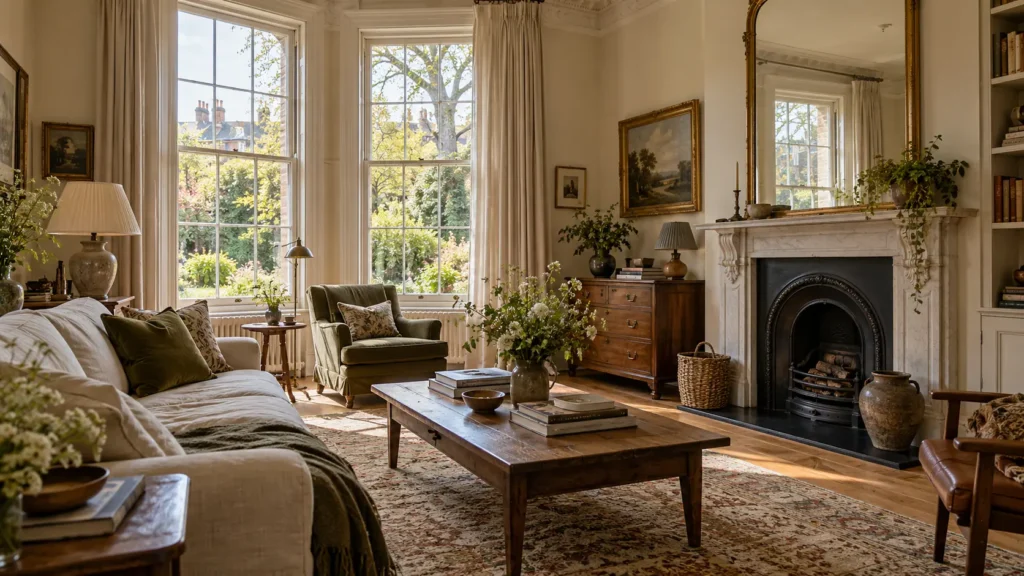
The same instinct is reshaping how people think about their homes. Instead of chasing the newest build, more buyers are seeking out houses with history: brownstones with original moldings, Craftsman bungalows with built-in cabinetry, Victorian cottages with ornate ceilings and tall sash windows. These homes offer something new construction rarely does, which is character that can’t be bought off a shelf.
But anyone who has lived in one knows the catch. Like a beautiful vintage coat with a broken zipper, a period home usually needs some careful repair before it’s comfortable to live in every day. And the part that needs the most attention is often the windows.
Original windows are among the most distinctive features of an older house. Hand-cut wood, wavy antique glass, and slender glazing bars give a facade its personality. Replace them with the wrong style and the whole house can lose its charm, much like swapping a vintage jacket’s horn buttons for plastic ones.
The trouble is performance. Most period windows are single-glazed, and decades of weather take a toll. Wood shrinks and swells, putty cracks, sash cords wear out, and gaps open up around the frames. The result is a house that feels cold near the windows in winter, heats up quickly in summer, and lets in far more street noise than modern homes. Condensation on the inside of the glass is common too, and over time moisture can damage sills and paintwork.
The first question most owners face is whether to repair the original windows or replace them. There’s no single right answer, and preservation experts generally recommend assessing each window individually.
Restoration alone, however, doesn’t change the fact that single-pane glass insulates poorly. So many owners combine it with an added layer of glass, or choose replacement windows designed to replicate the originals.
Much like judging a vintage garment by its seams and lining, judging a window upgrade comes down to details. Match the profile. The thickness of the frame, the shape of the moldings, and the layout of the glazing bars all affect how authentic a window looks. Ask to see samples or photos of past period projects. Consider the glass. Some owners prefer glass with a slight texture that mimics old hand-drawn panes. Low-emissivity coatings improve insulation without noticeably changing appearance. Check the ratings. Energy labels list figures such as the U-value, which measures heat loss, where lower is better. They’re the most reliable way to compare options. Check local rules first. If your home is in a historic district or listed on a heritage register, changes to street-facing windows may need approval. A quick call to your local preservation or planning office can save a lot of trouble. Choose experienced installers. Older houses are rarely perfectly square, and fitting windows into century-old openings takes skill.
Poorly matched replacements can detract from a home’s appeal, but well-made windows that respect the original design generally don’t. Many buyers value comfort and efficiency alongside character.
Sometimes. If you choose secondary glazing or storm windows, the original sashes and glass stay in place. With retrofit or replacement, antique glass can occasionally be reused elsewhere in the house, such as in interior doors.
It can perform well, particularly for noise, but sealed double-glazed units usually offer better thermal performance and less maintenance.
A specialist joiner can inspect the timber for rot, check the joints and advise whether repair is practical. Soft, crumbling wood at the base of the sash is often a sign that replacement may be needed.
Begin with the rooms you use most and the windows most exposed to cold winds or harsh afternoon sun.
The vintage revival, whether in wardrobes or homes, is really about appreciating things that were made well and giving them a longer life. A period house is the ultimate vintage piece. With thoughtful window upgrades, it can keep every bit of its original charm while becoming as comfortable as any new home, proof that the best style really does stand the test of time.