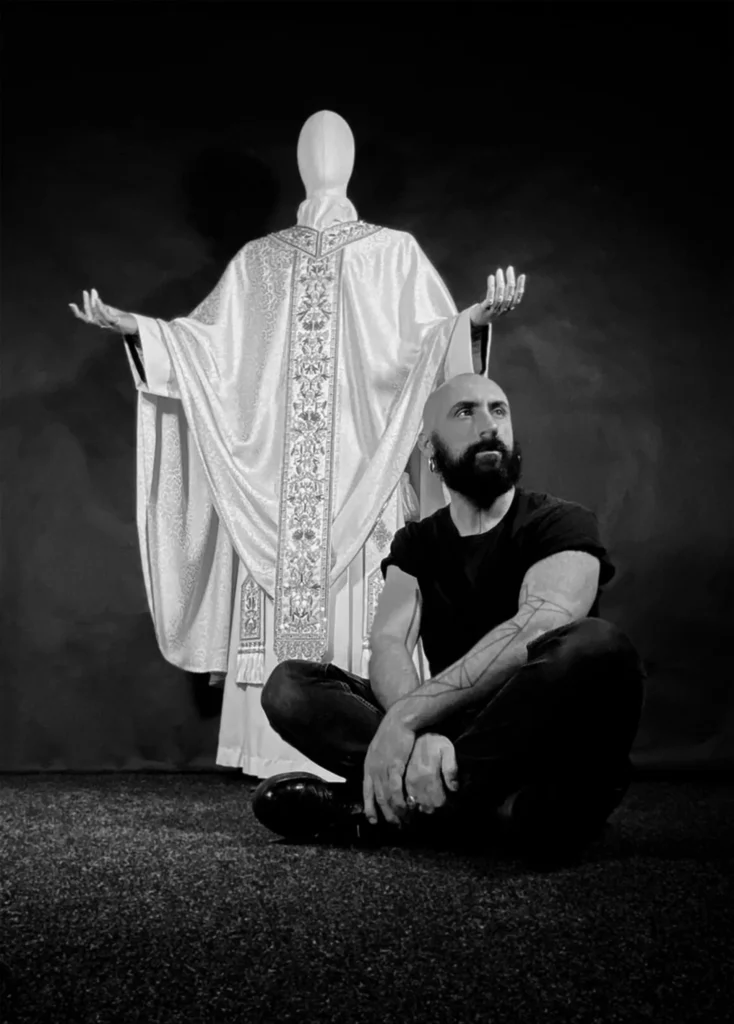
Filippo Sorcinelli is an Italian artist who has career experience in music, tailoring, photography, painting and fragrance. Music came first and the organ in particular deeply connected to his identity as an artist. Sorchinelli himself says that music became his first inspiration when he started his creative career.
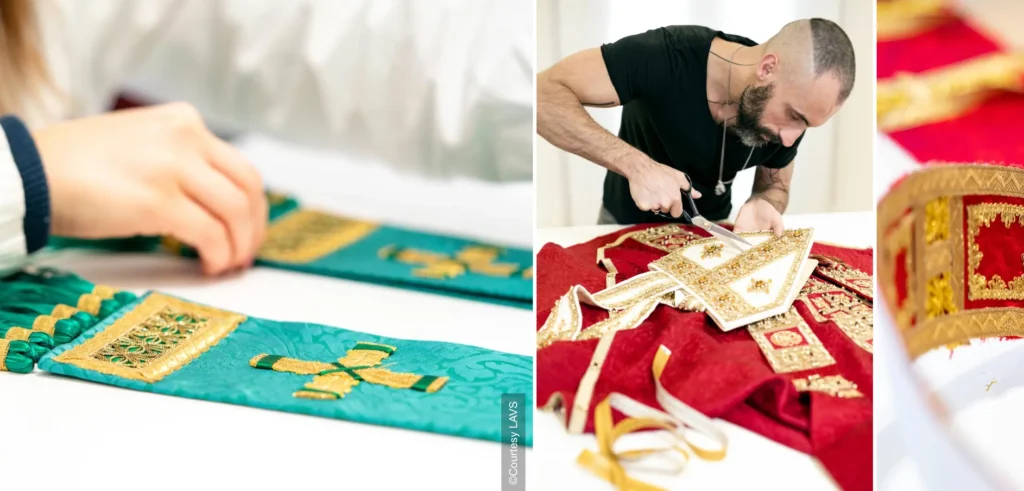
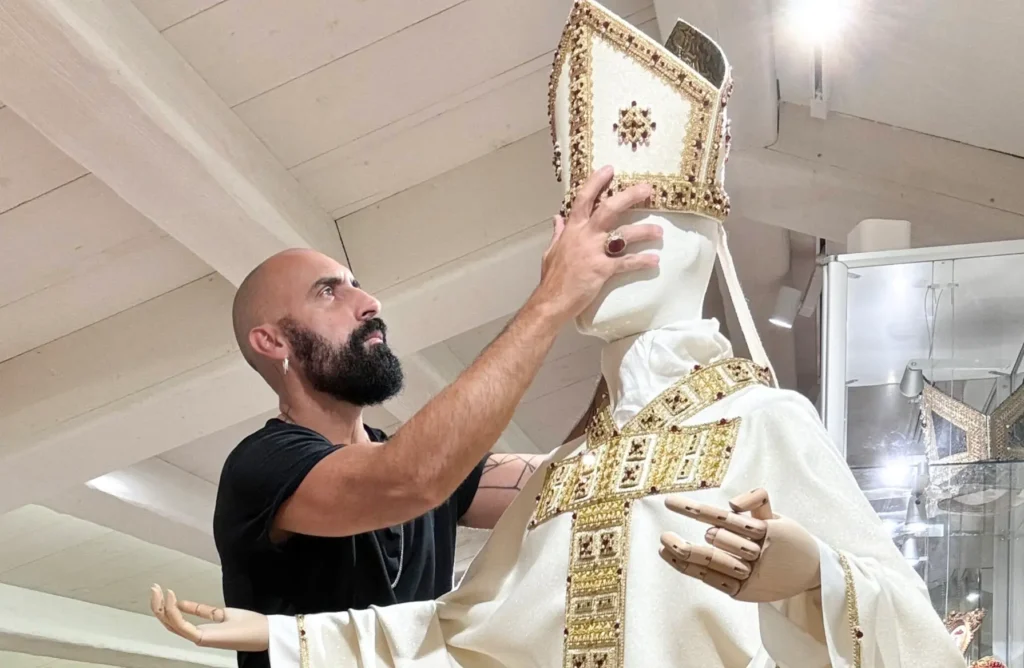
The story begins with LAVS, short for L’Atelier Vesti Sacre. Sorcinelli founded the atelier in 2001 to create sacred vestments and accessories for Catholic liturgy where developed an international reputation for its craftsmanship. Lavs created numerous vestments for Pope Benedict XVI and garments for the Mass marking the beginning of Pope Francis’s pontificate in 2013. The garments produced by LAVS were perfumed before being delivered. Sorcinelli did fragrance created initially for fabric rather than skin. But clients loved the smell of garments and began asking for the scent itself. And this is how UNUM was born. The perfume business grew almost accidentally from another part of his life.
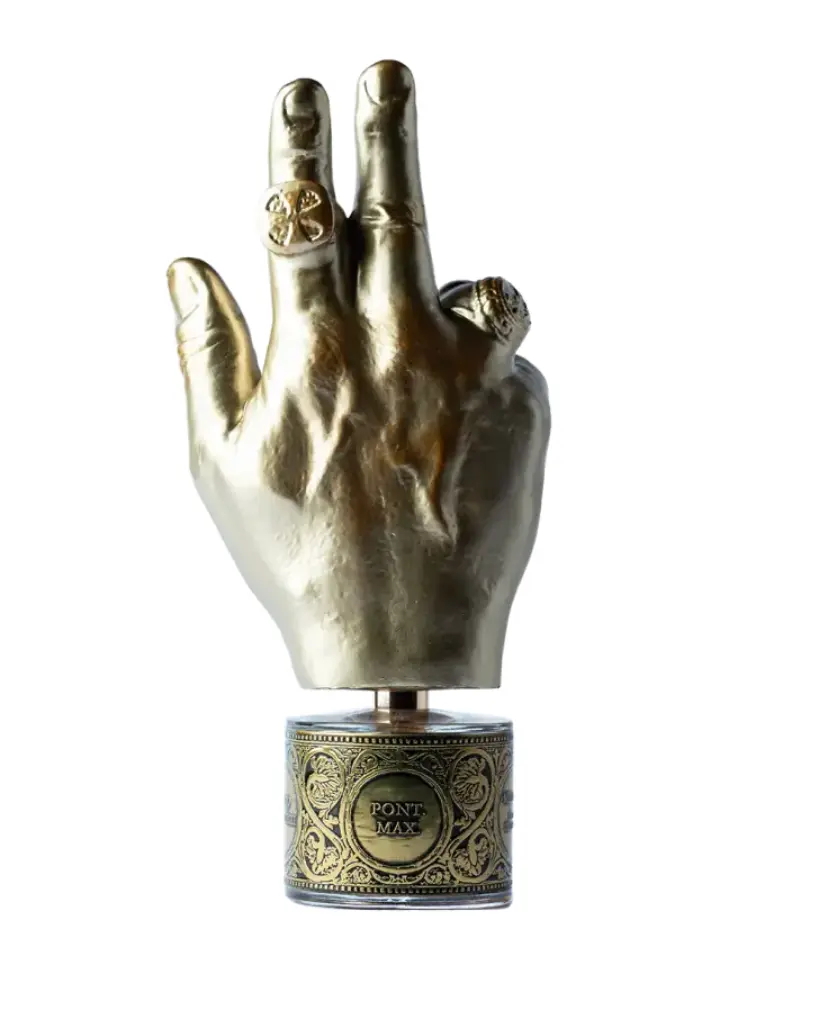
Filippo Sorcinelli does not simply make fragrances. He creates worlds you can smell – UNUM was released in 2014, it became the foundation of Sorcinelli’s fragrance world. The perfumes explore very deep life concepts: Faith. Fear. Gothic architecture. Memory. Pain. Ecstasy. Death. Desire. Sorcinelli describes UNUM as being concerned with spirit, but not simply spirituality. The collection is presented as a form of olfactory and built around easy categories such as fresh, woody, floral or gourmand.
There are niche perfumes that smell unusual, but Sorcinelli perfumes appear to have their own language of artistic reference or even personal obsession. When you smell his fragrance it is like you are swimming in some new word. The religious references are part of a much broader exploration of what is sacred and what is human. The names of perfumes are not conventional ether, the titles such as Quando Rapita in Estasi, né il giorno né l’ora, Lascia ch’io pianga and io non ho mani che mi accarezzino il volto read almost like fragments taken from prayers. Again human vs religious felt to be everywhere in his fragrance world.
Sorcinelli’s catalogue has grown considerably since the first UNUM fragrances appeared. For anyone discovering his work, these are some of the perfumes that best explain his universe.
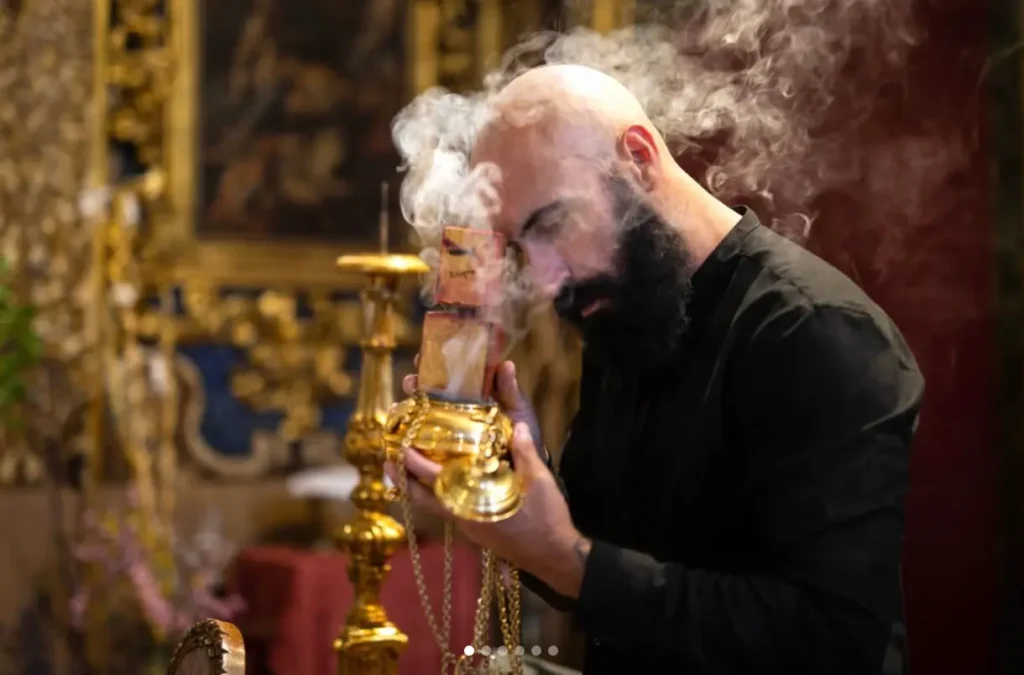
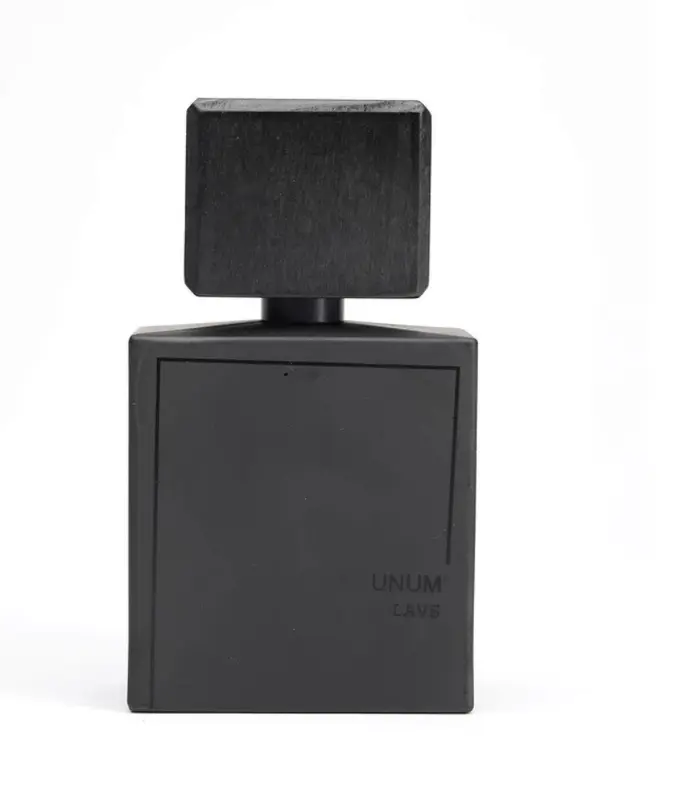
It is a great first perfume to try to understand Filippo Sorcinelli. LAVS is not simply another fragrance in the collection. It is the perfume from which the entire UNUM story started.The result is a smell that is filled with the notes of incense, woods, resins and the cool solemnity of a sacred interior. LAVS is central to the collection and remains the brand’s bestseller.
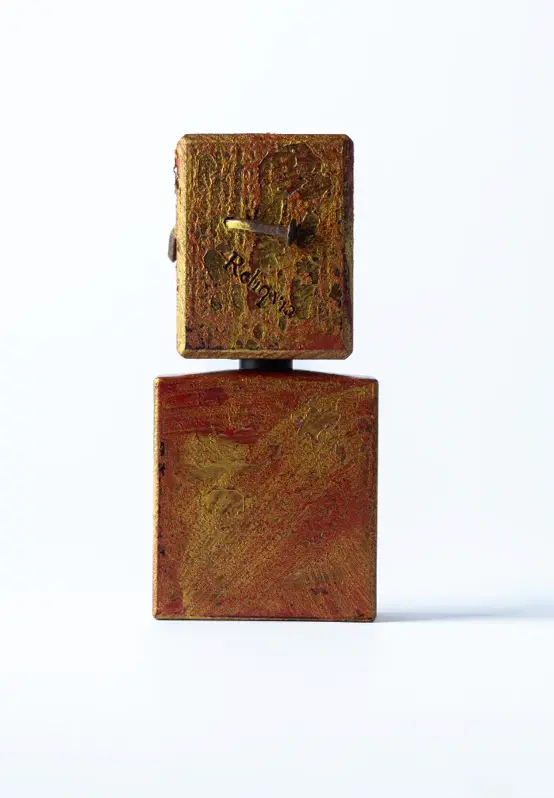
If LAVS opens the doors of Sorcinelli’s sacred world, Reliqvia travels deeper inside it. The name evokes the idea of a relic, an object whose material existence acquires spiritual meaning through belief and proximity to something sacred. It is dark and intentionally far removed from the polished cleanliness of luxury fragrances.
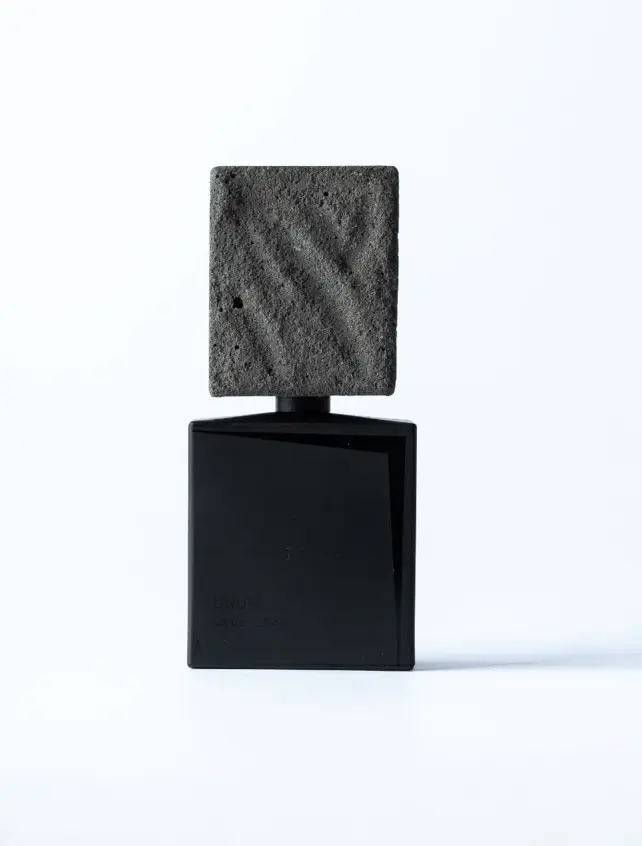
Opus 1144 looks toward Gothic architecture. The year in its name refers to 1144 and the Basilica of Saint-Denis outside Paris. This basilica is associated with the development of Gothic architecture. Sorcinelli describes the fragrance as “the true smell of Gothic.” And if you ever asked how Gothic could smell like, this is a perfume to try.
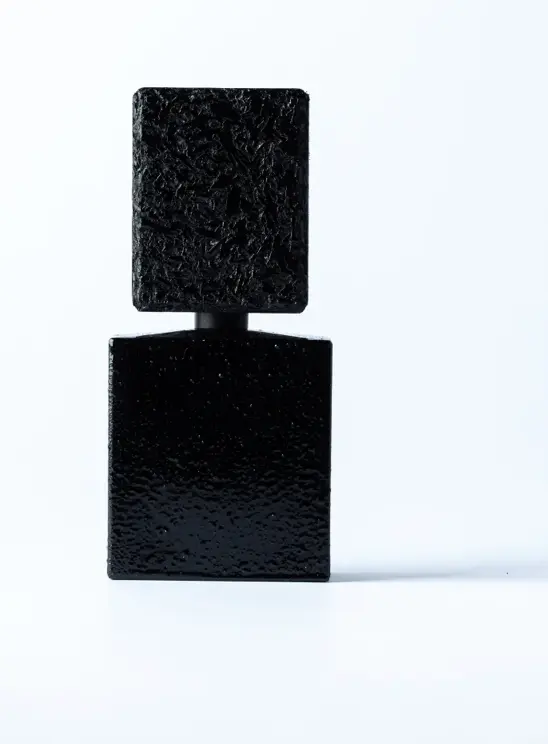
With Ennui Noir, Sorcinelli moves towards an emotional state. Even the title is telling – “Ennui” suggests boredom, melancholy, restlessness. The fragrance explores a kind of interior darkness. It is another example of Sorcinelli treating perfume as an emotional medium.
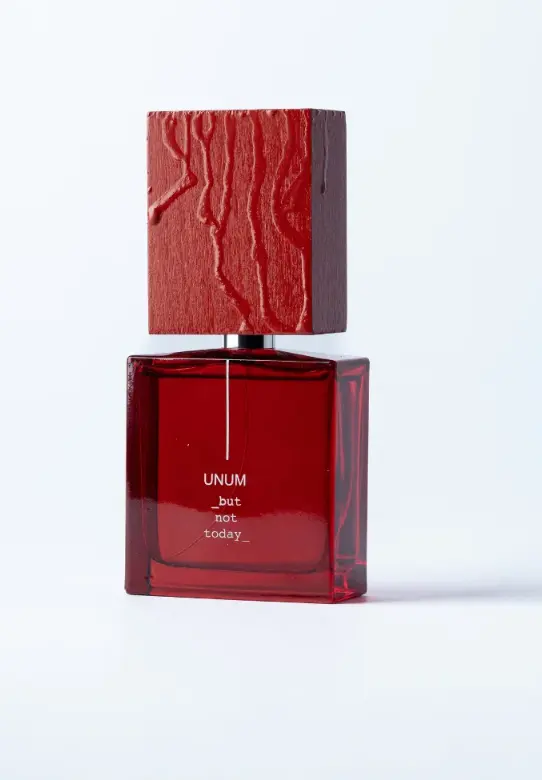
But Not Today reveals another side of Sorcinelli. The fragrance takes inspiration from the psychology of the relationships between Hannibal Lecter and Clarice Starling. Sorcinelli is interested in attraction when it becomes uncomfortable and psychologically complicated.
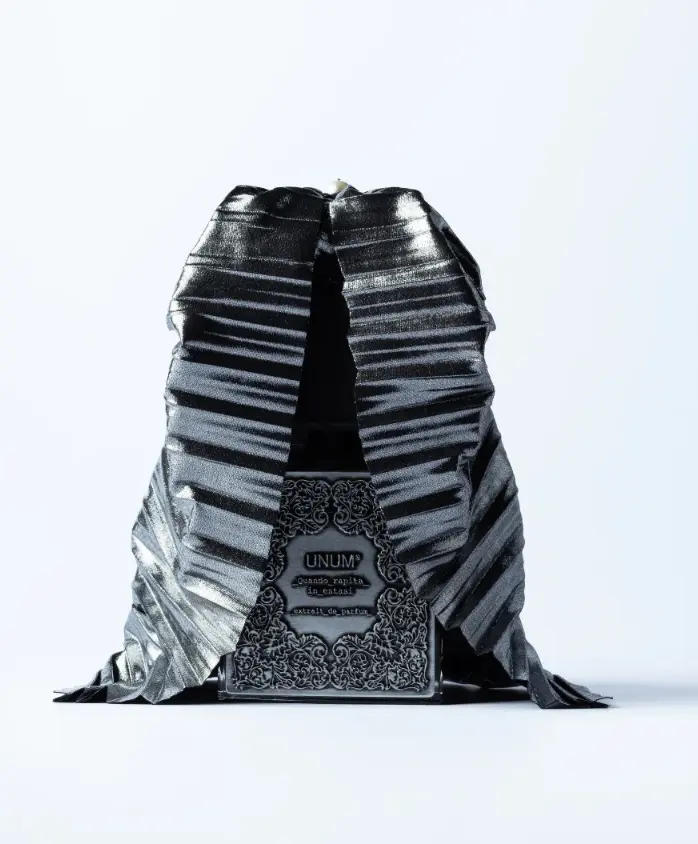
Music is never far from Sorcinelli’s work, and Quando Rapita in Estasi brings that relationship directly into perfume. The Italian title evokes a high happy emotional state, somewhere between artistic ecstasy and spiritual transcendence. For Sorcinelli, music is not simply inspiration added to a marketing story after the perfume has been completed. It belongs to the same creative language as fragrance.
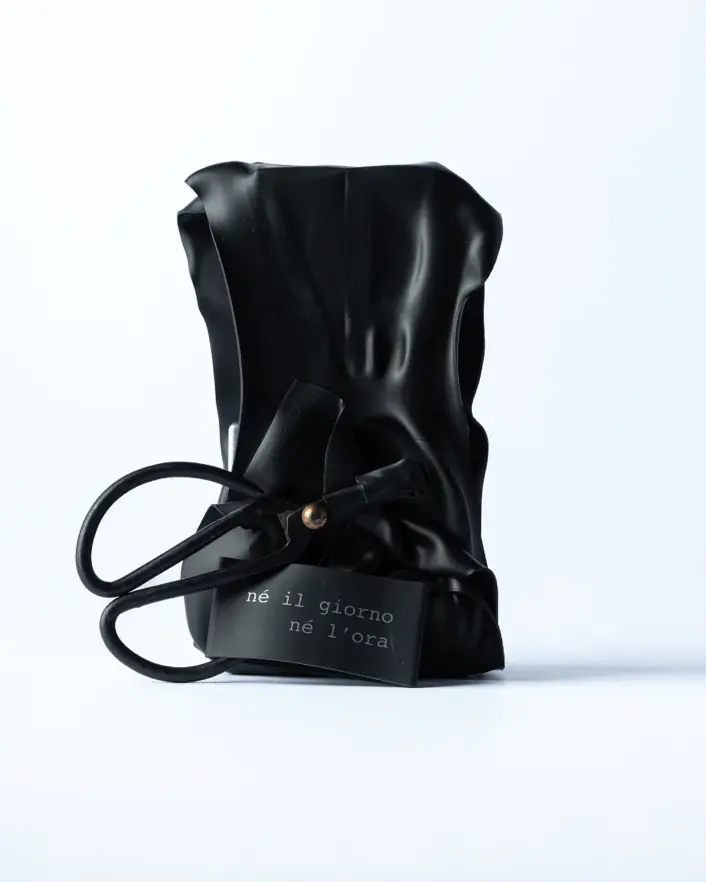
The title né il giorno né l’ora, meaning roughly “neither the day nor the hour,” carries a sense of uncertainty and mortality. Sorcinelli’s work very often enters territory of vulnerability, death and the limits of control.
The most interesting part of Filippo Sorcinelli’s work may be the tension between the sacred and human. Religion is obviously present. There are vestments, incense, liturgical references and imagery connected to Catholic tradition. Sorcinelli wants to present religion as something important and distant and examine what happens when spirituality encounters the complicated reality of being human. Sacred and sensual are not treated as opposites, but as related and as something that can occupy the same space.
To understand Filippo Sorcinelli, you also have to listen. He began with music and has repeatedly described it as his first major source of inspiration. His background as an organist is especially relevant because the instrument itself carries many of the qualities found later in his perfume work.
“Cult” is used too casually in the fragrance world, but it makes sense in Sorcinelli’s case. His appeal is not built around pleasing everyone. The people who respond to his work tend to respond strongly because there is a clearly defined person behind it. Niche perfumery itself has become more commercial than ever. “Niche” once implied independence and creative risk. Today, the niche label can be added almost to anything sold at a higher price point with unconventional packaging. Sorcinelli still represents something closer to the original attraction of niche fragrance: the possibility that perfume can communicate a highly specific artistic vision.
Filippo Sorcinelli is an Italian artist, designer and fragrance creative best known for founding the sacred-vestment atelier LAVS and creating the UNUM perfume collection. His work spans fragrance, music, photography, visual art and sacred tailoring.
Filippo Sorcinelli is widely associated with niche perfumery through his creative direction and authorship of the Filippo Sorcinelli fragrance universe. His approach is highly conceptual, with perfumes often beginning from his artistic ideas, memories and personal experiences.
UNUM is the fragrance collection that grew from Sorcinelli’s work with LAVS. The first UNUM fragrance appeared in 2014. The collection explores subjects including spirituality, Gothic art, music, fear and personal emotion.
Sorcinelli founded LAVS, an atelier specializing in sacred vestments. According to the brand’s official history, LAVS worked closely with the Office for the Liturgical Celebrations of the Supreme Pontiff and created numerous vestments for Pope Benedict XVI as well as vestments for the Mass marking the beginning of Pope Francis’s pontificate in 2013.
It is more accurate not to describe LAVS as a “perfume for the Pope.” The fragrance story began because Sorcinelli’s atelier scented finished ecclesiastical garments before delivery. Customers responded to that scent and asked for something they could wear themselves, eventually leading to the creation of LAVS as a body fragrance and the development of UNUM.
LAVS was the first fragrance associated with the UNUM collection. It was launched in 2014 after developing from the scent used in connection with Sorcinelli’s sacred-vestment atelier.
There is no universal answer, but LAVS is the most logical starting point for someone who wants to understand Sorcinelli’s fragrance world. It is the original UNUM fragrance, remains closely connected to his artistic history and is still identified by the brand as a bestseller.