Have you ever made a sauce or drink that came out thin and watery? You may have added a thickener to fix it, only to get clumps or a gel you did not want. With so many thickeners available, it can be hard to know which one is right for your recipe. That is where carrageenan can help. It comes from red seaweed and gives foods and drinks a smooth, creamy texture that lasts. It also works in very small amounts, so a small bag can last a long time in a home kitchen. Once you understand how each type works in different liquids, you can solve texture problems with more confidence in every batch you make at home.Read on to learn about the key properties of carrageenan powder and the best ways to use it in your own recipes.
Before you start cooking, it helps to understand how this ingredient works when it meets a liquid.
Not all carrageenan forms a gel, and this is one of the main differences between the three types. Kappa makes a firm gel that breaks slightly when you cut it, while iota makes a softer gel with a stretchy feel. Lambda does not gel at all, so it only thickens a liquid. Because of this, choose your type based on the texture you want. Kappa or iota works well for jellies and puddings that need to hold their shape, while lambda is better for drinks and sauces that should stay fluid.
It takes very little carrageenan to make a difference in the texture of a recipe. Typically, it’s just 0.1% to 0.5% of the product weight, which means a little can alter a batch of food or beverage. At this level, thin plant-based milk may start to have a similar consistency to dairy milk, and a watery sauce may start to coat a spoon. However, too much will make a recipe feel heavier, so you should begin with the smallest quantity and add more if it is required.
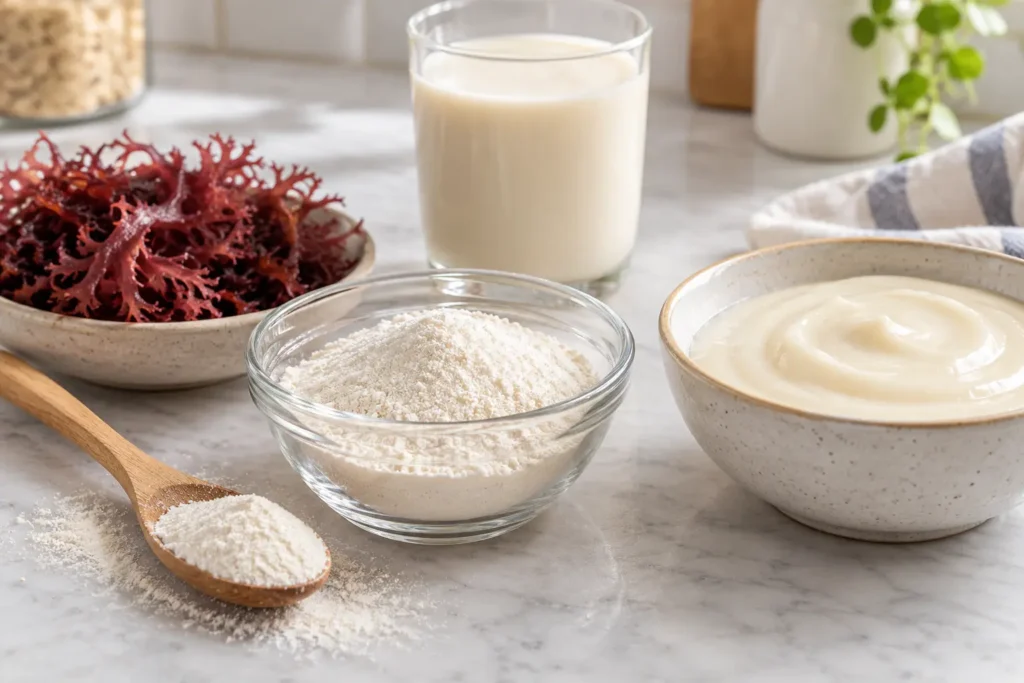
Many people want to know what goes into their food, so it is useful to know where this ingredient comes from. Carrageenan is made from red seaweed, which makes it plant-based and vegan. Good-quality powders are also gluten-free, non-GMO, and kosher, with no common allergens. This means it can fit easily into dairy-free and gluten-free recipes. If you keep the powder in a sealed container in a cool, dry place, it can also last for up to two years, so you can buy a larger bag and use it over time.
Now that you know how it works, here are four simple ways to use it.
Plant-based milks can taste thin compared with dairy milk. A little carrageenan adds body and a creamy feel to almond, oat, and soy milk, and lambda works best because it dissolves in cold liquid. It can also help chocolate milk stay smooth without separating. Protein shakes and flavored drinks can feel richer and less gritty too, making each sip more enjoyable.
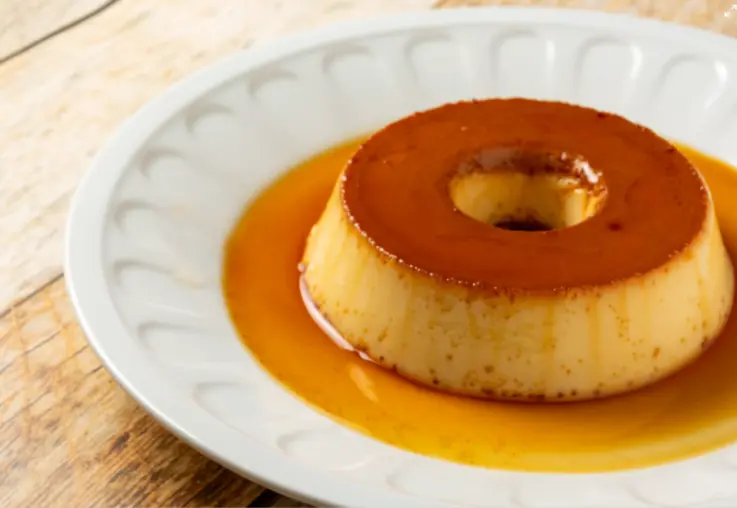
Sauces and dressings can become runny or separate after they sit for some time. Lambda thickens them without forming a gel, and it remains stable in acidic mixtures such as tangy dressings. Puddings and custards can also get a smoother, creamier texture from a small amount. Add the powder slowly as you stir, then let the mixture rest before you taste it.
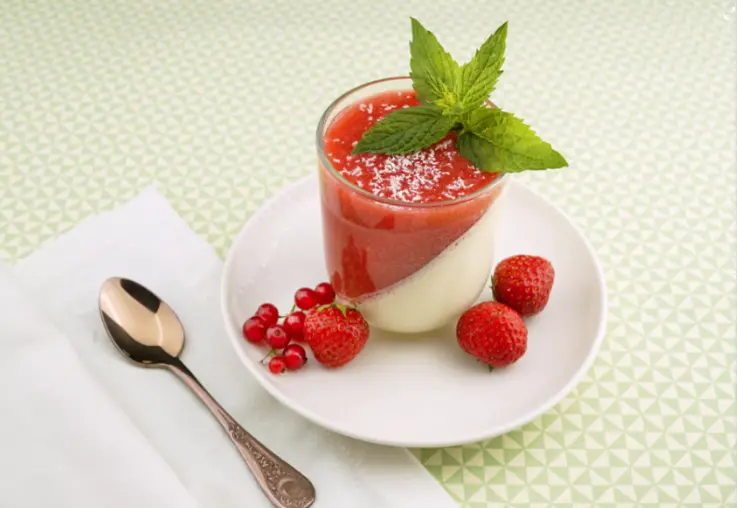
If you want to set food without animal-based ingredients, kappa and iota are useful choices. They can make vegan jellies, panna cotta, and molded desserts, and many cooks use them in place of gelatin. Iota can also form a soft, elastic gel when mixed with calcium, allowing you to turn juices into firm shapes. Small test batches can help you find the texture you prefer.
You do not need a professional kitchen to use carrageenan. One bag can last through many recipes because you need such a small amount, making homemade almond milk and puddings easy to try. Small food makers can also test small batches to find the right amount before making larger amounts. Mixing carrageenan with other thickeners can help you adjust the texture even more.
Carrageenan is a simple ingredient that can solve many texture problems in your kitchen. When you choose the right type and measure it carefully, your recipes can turn out smooth and stable each time you make them. Now you can try it for yourself. Start with a small batch, write down a few notes, and adjust the amount until the texture feels right. With some practice, you will know which type to choose the next time a recipe needs a little help at home today.