A baby’s day rarely follows a perfectly predictable schedule. A morning nap may happen earlier than expected, bedtime can shift after a busy afternoon, and some mornings begin with quiet cuddles rather than an immediate change of clothes. Sleepwear that fits comfortably and suits these everyday transitions can make routines easier for parents without adding unnecessary steps to the day.
The first part of the day can be unpredictable, especially when a baby wakes gradually or needs another short nap after feeding. Keeping sleepwear comfortable and easy to manage can reduce the number of unnecessary clothing changes. Some families prefer to leave suitable pajamas on for a little while after waking, while others change their baby into daytime clothes as part of the morning routine.
The decision depends on the garment, the baby’s activities, and the conditions at home. Clothing intended for sleep should remain appropriate for its intended use, and caregivers should change it when it becomes wet, soiled, uncomfortable, or unsuitable for the baby’s surroundings. A simple routine helps parents respond to these needs without treating every waking period as a reason for a complete wardrobe change.
Babies often communicate discomfort through restlessness, crying, or changes in their usual behavior, although these signs can have many causes. Parents can check whether clothing feels damp, whether cuffs have twisted, and whether the garment is sitting comfortably around the shoulders and waist. These small checks are particularly useful after a longer stretch of sleep.
A comfortable morning routine does not need to involve elaborate preparation. Keeping clean clothes, a spare set of pajamas, and changing essentials in an accessible place can make unexpected messes easier to handle. This practical organization is often more useful than buying a large number of different sleepwear styles.
Daytime naps may take place in a crib, bassinet, or another designated sleep space appropriate for the baby’s age. Because naps can occur at different times, parents benefit from having sleepwear that is comfortable for the child’s usual environment and easy to change when needed. The garment should not create excessive warmth or restrict normal movement.
Fabric is one part of this decision, but it should not be the only consideration. The garment’s thickness, fit, construction, and the temperature of the room all influence how suitable it may be. Parents should also follow safe-sleep recommendations, including placing babies on their backs on a firm, flat sleep surface without loose bedding or unnecessary soft items.
Clothing that is too tight can pull across the torso, shoulders, or legs when a baby stretches. On the other hand, overly loose sleepwear may bunch up and fail to fit as intended. Check sleeve length, waistbands, and leg openings periodically, especially during periods of rapid growth.
If a baby wears pajamas for several naps throughout the day, inspect them for moisture, food spills, or other messes between sleep periods. Changing soiled clothing helps keep the child comfortable and allows parents to notice any irritation that might otherwise remain hidden beneath the fabric. Fit and cleanliness matter just as much as the appearance of the garment.
A useful sleepwear collection does not need a different outfit for every part of the day. A few well-fitting sets, a dependable laundry routine, and a clear approach to changing soiled clothing can support naps, bedtime, and quieter mornings. As a baby grows, regular fit checks help parents identify when a garment needs replacing rather than continuing to use it because it remains visually appealing.
Bedtime can become easier when the steps leading up to sleep are familiar. A quiet feeding, a clean diaper, a change into suitable sleepwear, and a calm environment can help parents create a repeatable sequence. The routine does not need to happen at exactly the same minute every night; consistency in the order of activities may be more practical than following a rigid schedule.
Sleepwear can be one of the simple cues that signal a transition from daytime activity to rest. Choosing a dedicated set for nighttime may help caregivers keep track of laundry and identify garments that are reserved for sleep. However, pajamas alone do not determine how well a baby sleeps. Hunger, development, illness, and changing sleep patterns can all affect nighttime waking.
Parents can make overnight changes less disruptive by keeping clean sleepwear and changing supplies nearby. A spare set is especially useful when leaks or spills occur during the night. Choosing clothing that is straightforward to put on can also reduce the time spent handling a sleepy baby.
Fastenings, neck openings, and cuffs deserve attention when selecting garments for this purpose. Avoid clothing with loose decorative pieces or components that could pose a hazard, and follow the manufacturer’s instructions for wearing and caring for the item. A little preparation can make nighttime care more manageable without requiring a complicated bedtime setup.
A two-piece design offers a different approach to everyday sleepwear because the top and bottoms can be assessed separately. This can be helpful when checking whether a baby or toddler has outgrown one part of the outfit before the other. It also makes it easier to identify whether the waistband, sleeves, or leg openings need closer attention.
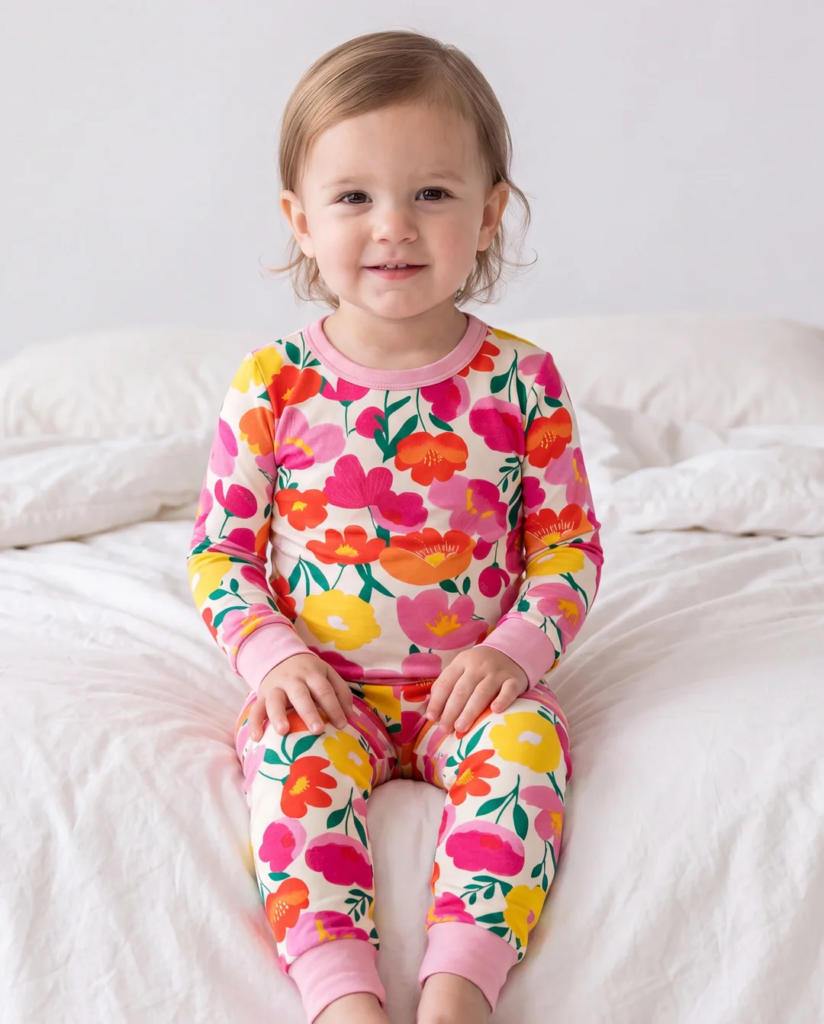
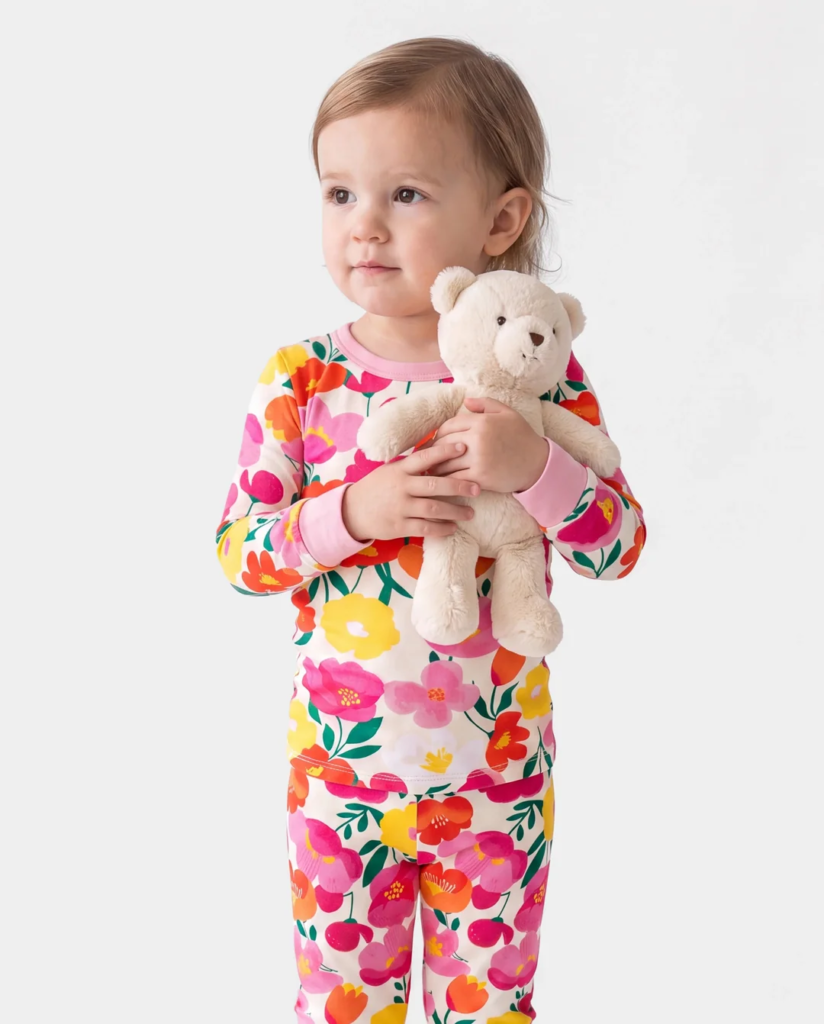
The Pink Christmas and Halloween 2-Piece Bamboo Pajama Set for Toddlers and Kids Girls from PatPat features a pink color, a childlike print, and matching top-and-bottom styling. Its snug-fitting design makes sizing an important consideration, particularly as children grow and their proportions change. Parents can assess the sleeve length, waistband comfort, and room for ordinary movement to determine whether the set fits as intended. The product is presented as bamboo sleepwear, but the exact fiber composition should be checked in the garment’s listing or label rather than assumed from the product name alone.
Sleepwear often needs frequent washing because babies may drool, spill milk, or experience diaper leaks. A practical laundry routine helps keep enough clean sets available without requiring parents to wash every item separately. Sorting clothes according to their care labels and using suitable washing settings can also help preserve the fabric and garment construction.
Follow the manufacturer’s washing and drying instructions instead of relying on a single method for every fabric. Excessive heat or unsuitable care products may affect elasticity, shape, or texture. Once the garments are dry, store them in an accessible drawer so clean pajamas are easy to find during early mornings and overnight changes.
It can also help to keep a small rotation of sleepwear rather than using one favorite set repeatedly. Rotating garments gives washed items time to return to the wardrobe and makes it easier to notice when a piece has developed stretched seams, loose stitching, or other signs of wear. Replace clothing when its condition or fit is no longer appropriate.
A baby’s sleepwear should suit the environment rather than simply the season printed on a design. A warm room may call for lighter clothing, while a cooler environment may require a different combination of suitable sleepwear and approved sleep layers. The right choice depends on the room temperature, the garment’s thickness, and the child’s needs.
Parents should avoid assuming that a particular fabric automatically keeps every baby at a comfortable temperature. Check the garment’s weight and construction, follow safe-sleep guidance, and watch for signs that the baby may be too warm or too cold. Sweating, a hot chest, or flushed skin can indicate overheating, so adjust clothing and the sleep environment when needed.
Naps, bedtime, and slow mornings all place slightly different demands on a family’s routine, but the basic priorities remain similar. Sleepwear should fit properly, suit the environment, be easy to care for, and remain in good condition. Parents can make everyday transitions simpler by preparing clean changes in advance and choosing garments according to practical needs instead of appearance alone.
Over time, a small rotation of suitable pajamas can make dressing and laundry more manageable. Paying attention to fit, cleanliness, room temperature, and safe-sleep guidance helps keep sleepwear decisions grounded in a baby’s actual needs. The most useful routine is one that adapts as the child grows while keeping comfort and safety at the center.