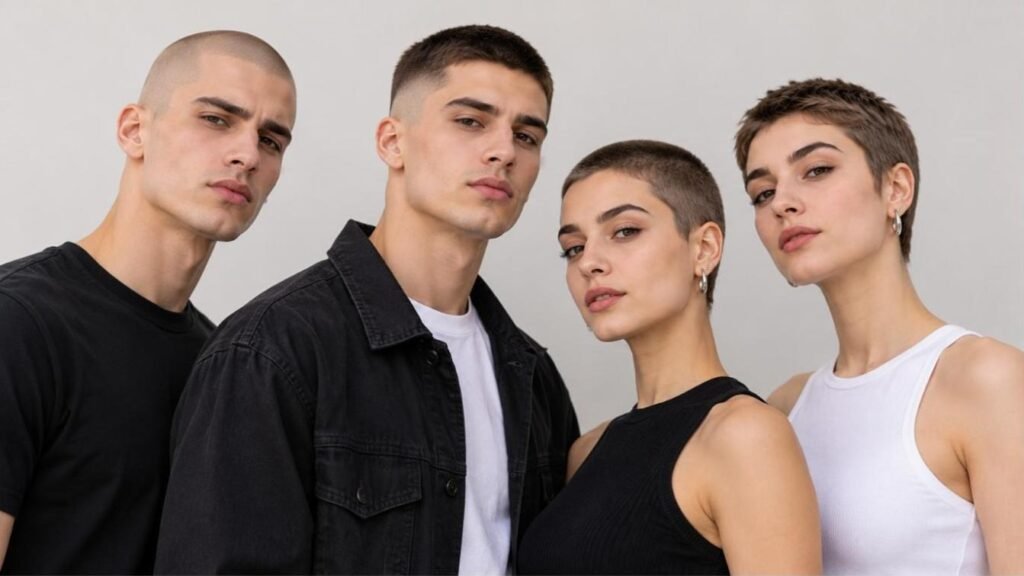
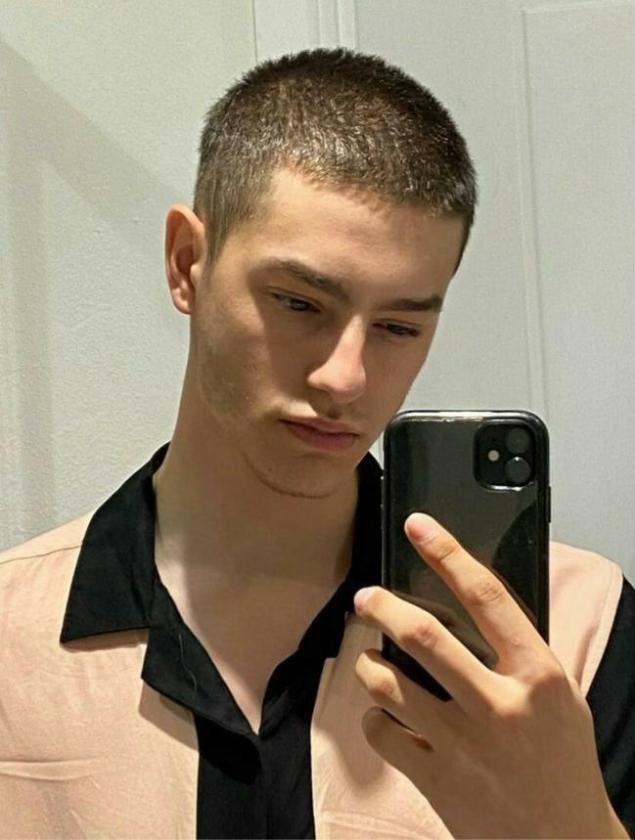
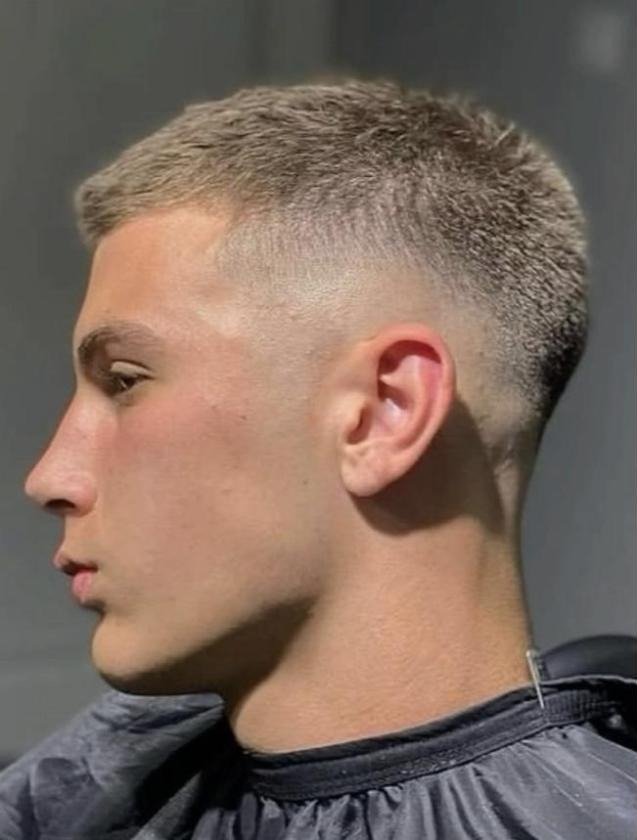
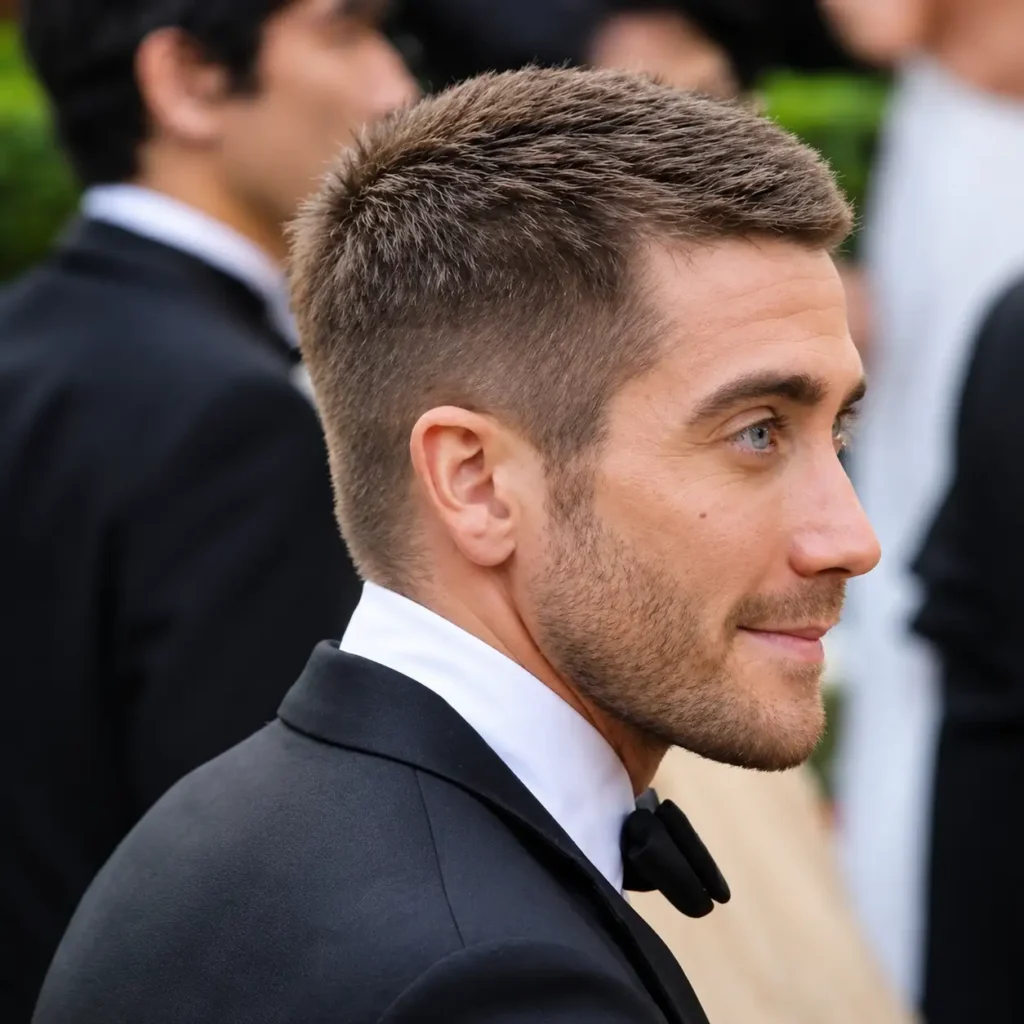
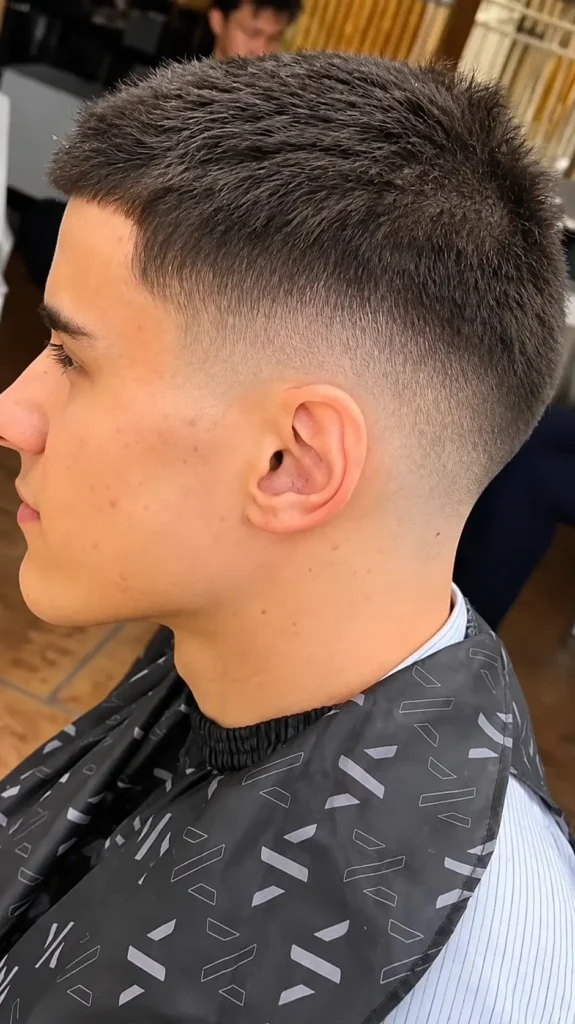
A buzz cut is among the very easiest cuts anyone can have, but it does not mean each buzz cut looks the same. A slight adjustment in the length of the clippers’ guards will have an effect on the haircut, ranging from a military-style cut to a fuller, softer and textured look. You can also add a taper, fade, line-up, color or different top length to make it look newer.
This guide will cover what a buzz cut is, why it is popular, all of the main guard lengths, buzz cut ideas for males, females, boys and children, fade and taper cuts, long and short buzz cuts, bleached buzz cuts, and which version is best for you.
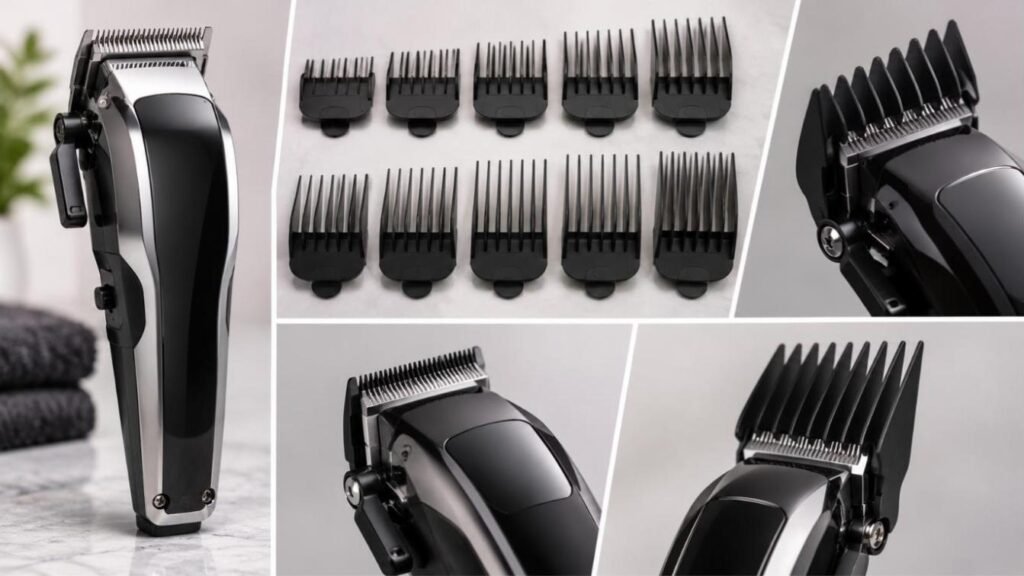
It is named after the clippers’ sound. Typically, short guard numbers (1-4) are linked with classic buzz cuts, while higher guard numbers leave more hair, creating a longer, fuller look.
The easiest buzz cut is the one-length cut because the same guard is used throughout the head. A newer style uses a #3 or #4 on top and a shorter guard on both sides, followed by a taper or fade.
So, the buzz cut is also a family of short haircuts and not just one specific cut.
The primary reason is convenience – a buzz cut requires minimal maintenance. Generally, no blow dryer, curling iron, complicated products, or long morning routine is required. You will determine the guard length that suits you and once you know what it is, you can request it at most barbershops, or you can simply recreate it at home.
It is not just because of its practicality people love the buzz cut – a buzz cut emphasizes your facial features, jawline, eyebrows, ears, hairline, and facial hair. A buzz cut creates a focused and defined look.
Modern versions have also contributed to bringing the buzz cut out of its military past. Minimalist one-length cuts, fade buzz cuts, tapered buzz cuts, bleached buzz cuts, long buzz cuts, and fashion-forward buzz cuts for men and women are available today. The current and famous “buzz-cut” guide also shows the style as a combination of various cuts, instead of a single look.
The guard number will indicate roughly how much hair the clipper will leave behind. On many guides, each standard guard is approximately 1/8 inch larger than the next, ranging from about 3 mm for a #1 guard to about 25 mm for an #8 guard.
A #1 buzz cut will have about 3 mm of hair left. It’s very short and provides a dark shadow on the head but reveals a good amount of scalp.
Good for those who prefer a plain and simple appearance, with little upkeep. It is also great for individuals who desire a very short hairstyle, but don’t wish to be bald.
A clean hairline, short beard, or hair fade at the sides can create a striking #1.
The #2 guard buzz cut is one of the old-fashioned buzz cuts. It will leave about 6 mm of hair and offers more coverage than a #1, and is very easy to maintain.
According to Wahl, #2 is the “old school” cut. If you’re not sure that you should go super short, a #2 is a great place to start. It provides a definite “cut hair look” without revealing the scalp like a #1.
A #3 guard buzz cut will leave approximately 10 mm of hair. This is definitely not a #1 or #2.
It is a great option for those who are trying a buzz cut for the first time, as it will give more coverage for their hair. It can also be used in thick, wavy, and slightly wavy hair, as the texture will be visible.
A #3 can be either worn all over or with a #2 or #1 fade on the sides.
A #4 buzz cut will leave about 13 mm or 1/2 inch of hair. It’s one of the simplest buzz cuts for those who would like a shorter cut, but not quite so short that it appears as a pixie cut.
The texture of hair becomes more prominent at this length. It will also be more forgiving should you fear your scalp will be visible or if you have a distinct head shape.
In a #5 buzz cut, approximately 16 mm of hair will remain. It’s more dynamic and voluminous than the classic short “buzz”. It may be a wonderful choice for those who enjoy a simple cut but don’t want to have their hair too short to the scalp.
At this length, haircuts can also start to look like a really short crew or brush cut, depending on the shaping of the sides and top.
A #6 guard will leave about 19 mm of hair. A longer buzz cut is great for those who desire some texture and fullness. This hair length is ideal for people with curly or thick hair as it allows the natural curls or thickness to be visible.
A #7 guard will leave about 22 mm of hair. It’s not the usual ultra-short buzz that is commonly envisioned, but it is possible to get with clippers only. This yields a much softer, plusher result.
For longer buzz cuts, a #7 can be a good choice, particularly with shorter sides.
An #8 buzz cut will leave about 25 mm of hair. It is the longest standard guide-comb on the market. This option would be great if you would like to have a bigger hairstyle and can still clip in.
If you want to go for a modern short cut instead of a good old uniform buzz, you can also mix an #8 with shorter sides.
The #10 guard buzz cut is usually much longer than the standard #1 – #8 range. A professional guide #10 should be around 31 mm.
It would be a fair description to say that a “buzz cut” at this length depends on the finishing of the haircut. Maybe more of a “long clipper cut” or a “short textured cut” than a buzz cut.
It can be helpful if you need to use a clipper, but want to maintain a lot of length.
A #12 guard is approximately 38 mm. This is not a standard guard that is included in all the clippers.
There is a significant difference between #12 and #2 buzz cuts. Enough hair remains to demonstrate movement, volume, and texture.
A #16 guard is more of an extension or specialty guard size and not a standard size guard. Extended guard systems have it around 2 inches.
At this cut, it is more of a very long clipper cut than the more traditional buzz cut that people think of. Always use the number in conjunction with the length of the barber or clipper.
An induction cut is the shortest traditional buzz cut, which was originally used on military recruits who were being cut before basic training. It is typically done with no guard or a very brief clipper setting, leaving very little hair on the scalp. If you are looking for a no-fuss, super short, and simple cut, this is the style for you. A no-guard cut is usually shorter than a #1 buzz cut, so be sure to ask for length from your barber.
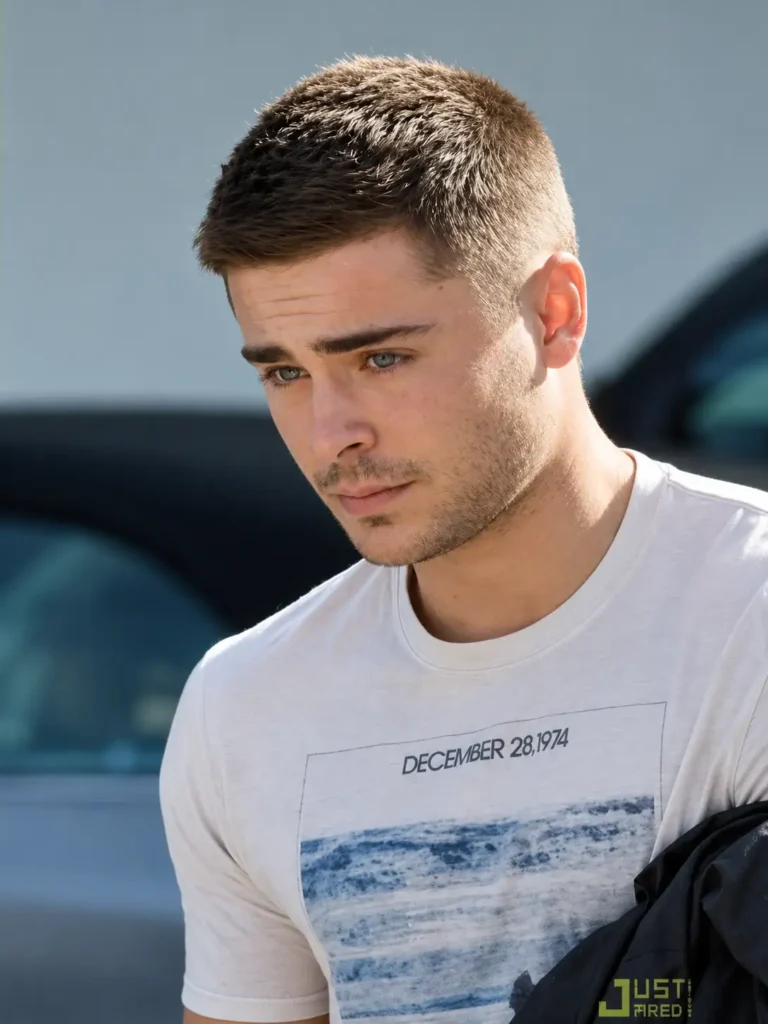
A uniform buzz cut ensures that the hair is cut evenly all over the top, sides, and back. Typically, a #2, #3, or #4 guard is used; the longer the style, the higher the number. This type of haircut will give a simple and balanced look, as there is no fade or significant length variation. It is a practical choice for both men and women who would like to have a low-maintenance hairstyle.
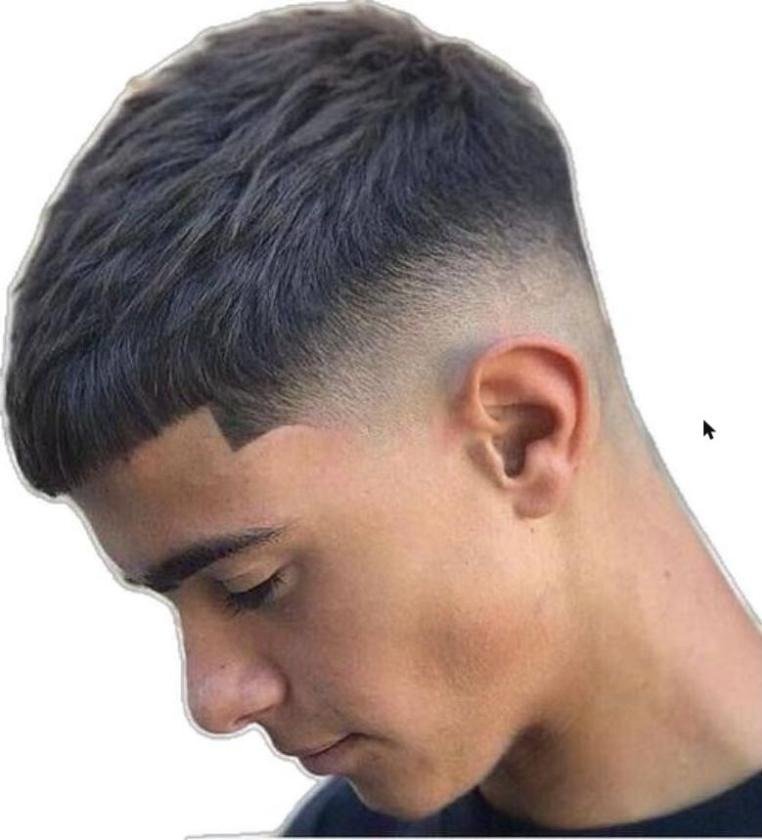
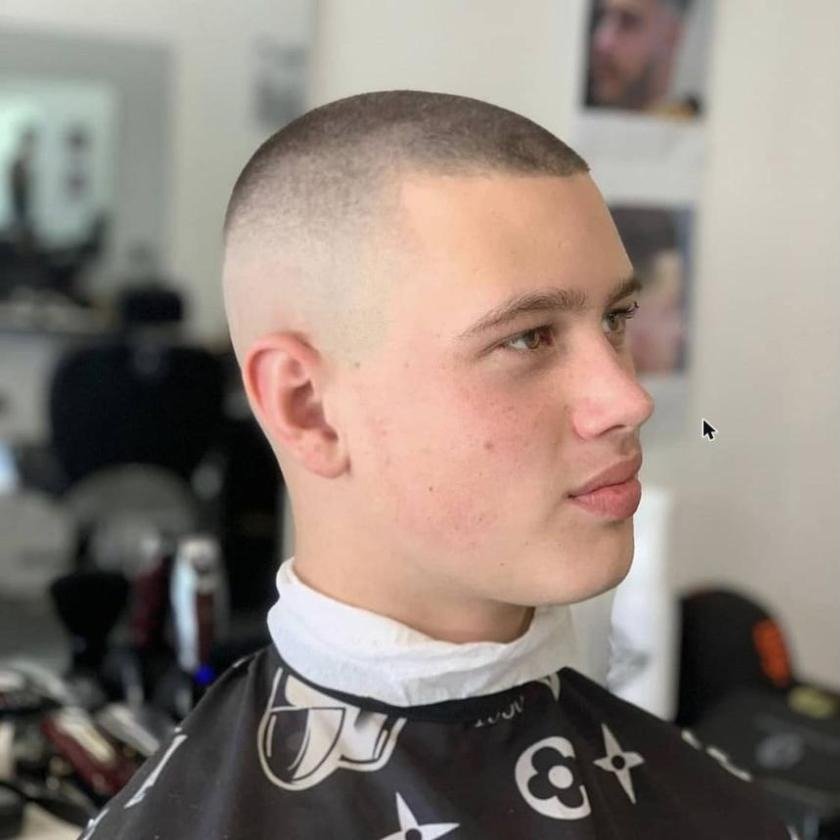
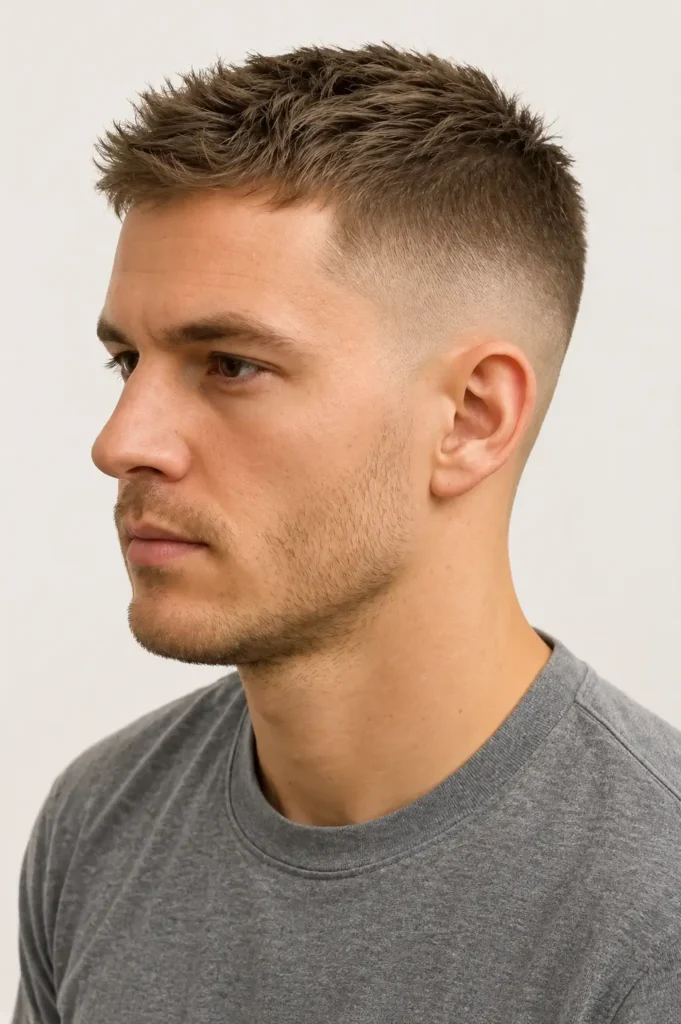
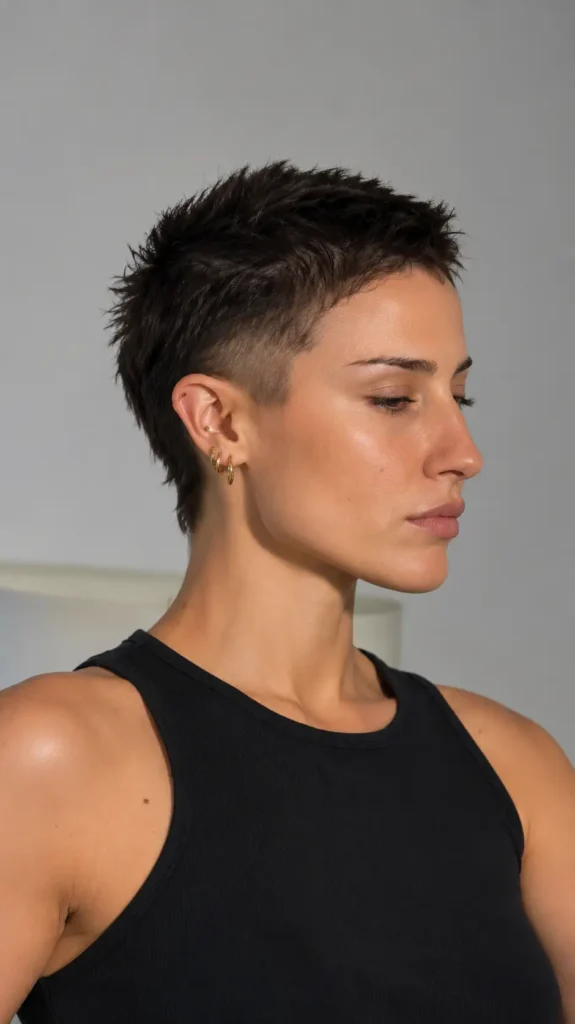
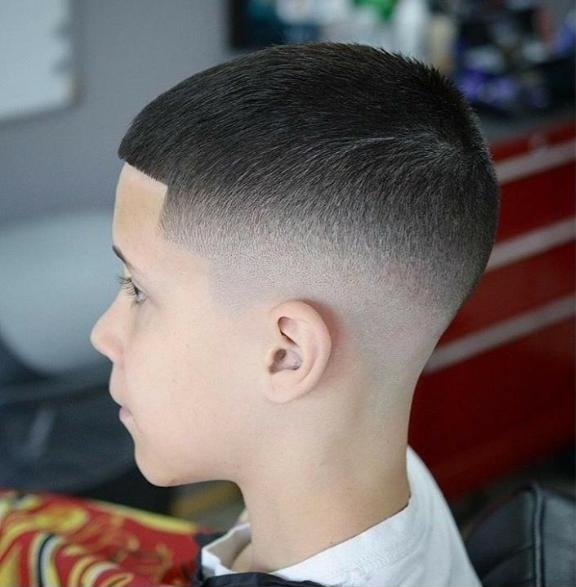
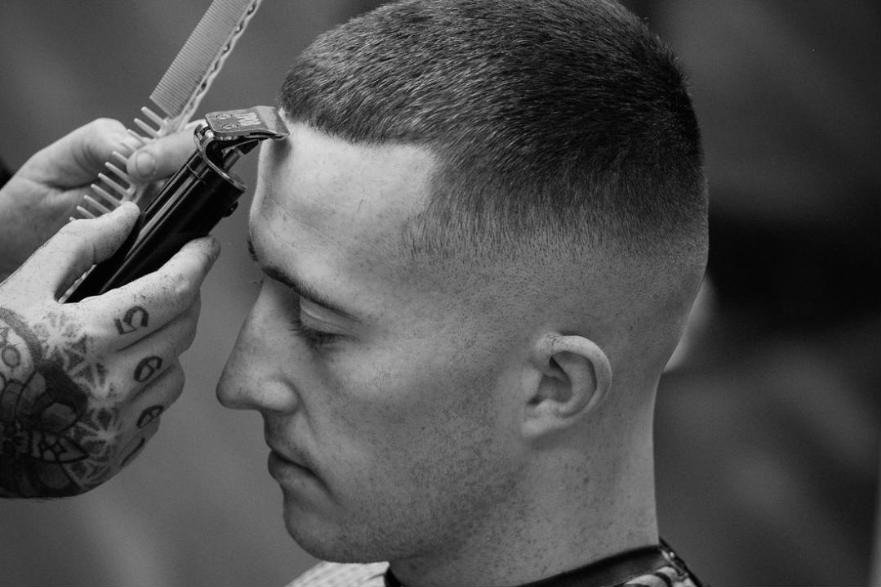
A buzz cut fade is a type of fade that has a short cut on top and gradually shorter sides and back. The barber can make a low fade, mid fade, high fade, skin fade or a drop fade depending on your preference. A #3 guard with a fade at the sides, for instance, would have a nice contrast. This cut is a great choice for men looking for a fresh, neat buzz.
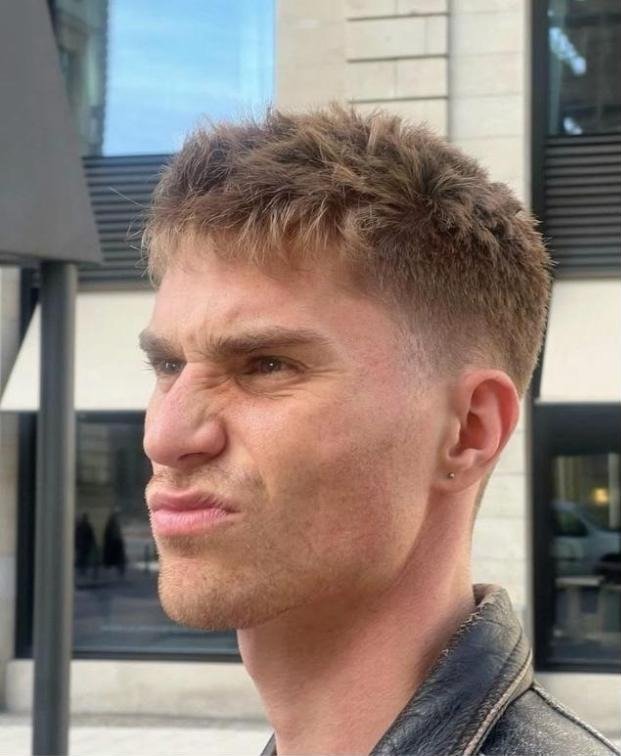
A crew cut is like a buzz cut, but typically has slightly longer hair on top than the sides and back. The top can be cut into a bit of shape for height or texture, and the sides can be tapered or faded. While a crew cut is not actually a uniform buzz cut, it may present a more structured cut that can be styled with a tiny amount of hair product. This is a good option if you want to have short hair, but don’t want to cut all sections to an even length.
In the classic version, you wear one guard on your entire head. A #2 or #3 gives a short appearance, whereas a #4 gives a softer appearance.
This is one of the simpler buzz cuts, and also one of the best if you desire a haircut without a complicated fade.
A fade buzz cut will keep the top shorter and gradually shorten the sides and back. For instance, you could use a #3 setting on top and work down the sides with #2, #1, and shorter settings.
It has a much stronger contrast than a one-length buzz cut and is even more contemporary. Another easy way to achieve a buzz cut that isn’t just trimmed short is to fade it instead.
The buzz cut taper is less extreme than the full fade. The barber doesn’t just trim off the entire side, but instead cuts the hair around the sideburns and neckline, leaving the side length intact.
For instance, a #4 can be on the top and sides, and a shorter #2 or #3 can be on the bottom and sides. This will give a tidy look while not stripping too much hair from the sides.
The higher the fade, the greater the contrast. The sides are very short, and the transition starts near the temples. A #2 or #3 buzz cut on top with a high fade creates a sharp, athletic look.
There are also some low fade buzz cuts. A low fade means that the transition is closer to the ears and neckline. It is very different from a high fade; it provides more hair around the sides.
Ideal for those who prefer a modern buzz cut but don’t want it to be too extreme.
The lower sides show almost the skin before gradually blending into the longer hair above. If you style a #2 or #3 buzz on top with a skin fade down, that will produce a high-contrast cut with good density.
A side buzz haircut features shorter sides that are buzzed compared to the top. This features a #4 on top with a #2 on the sides and a tapered neckline. The slight difference adds shape to the overall haircut, but maintaining it is extremely easy.
If you want to go with the regular clippers but do not want it to be quite short, then a long buzz cut is the perfect choice.
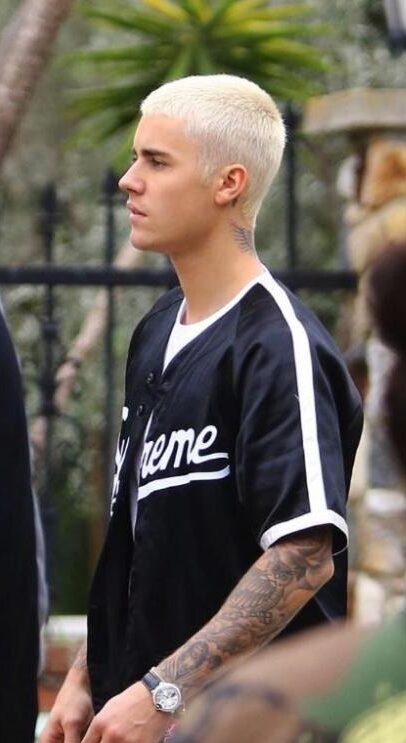
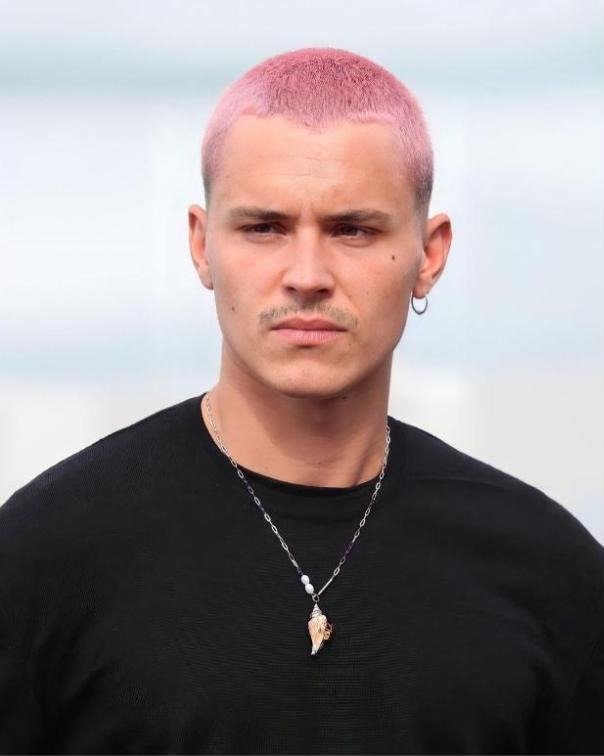
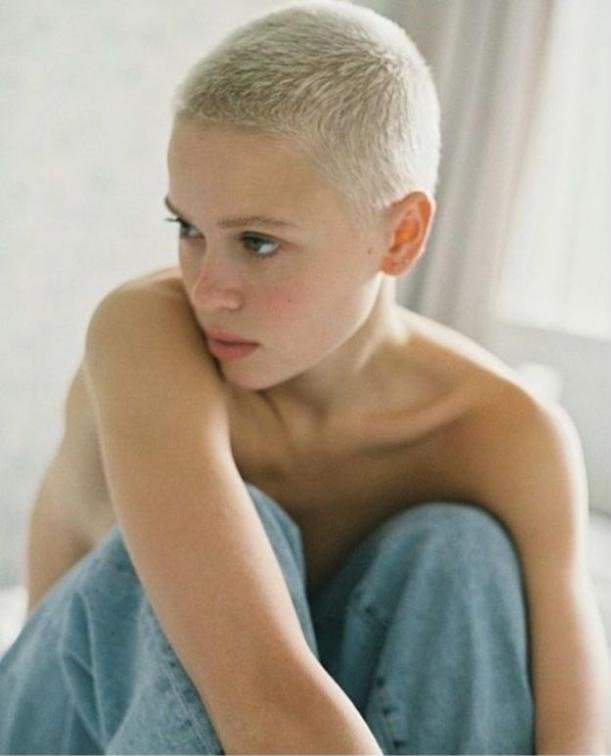
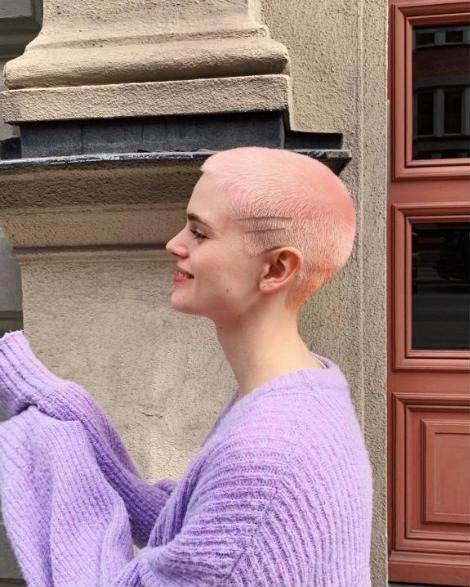
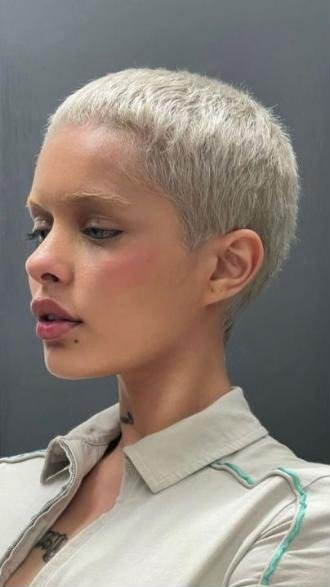
A bleached buzz cut is when the hair is cut really short and then bleached. This color appears to be quite intense and even-toned due to the limited amount of hair.
Popular ways to go with this are platinum, icy blonde, silver, or warm blonde. If you’ve had chemical treatments on your hair, though, the color results may impact the health of your hair and scalp, so it’s worth getting professional color advice.
A short cut will make a dramatic difference in contrast to the facial hair. If the number is #1 or #2 with a fuller beard, this will make a rugged look more appealing; if it’s #3 or #4 with short stubble, it will look cleaner.
The beard can also help to break up the face if it has very short hair, making the jawline look more prominent.
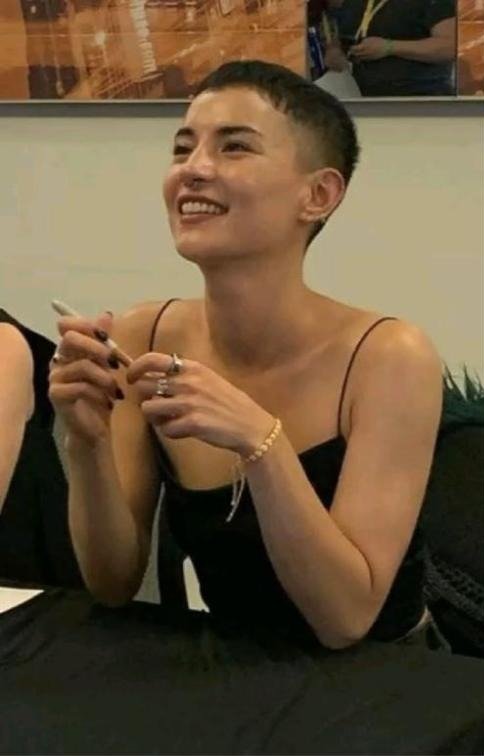
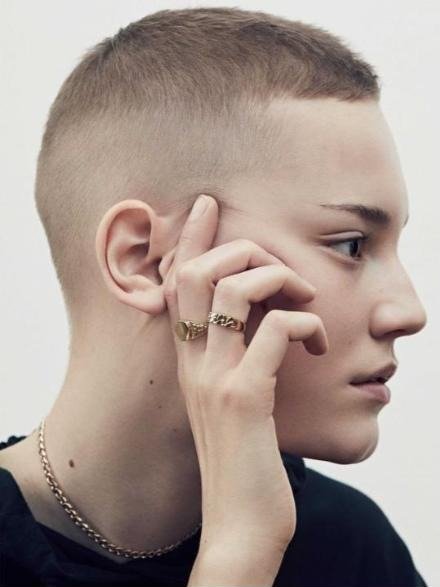
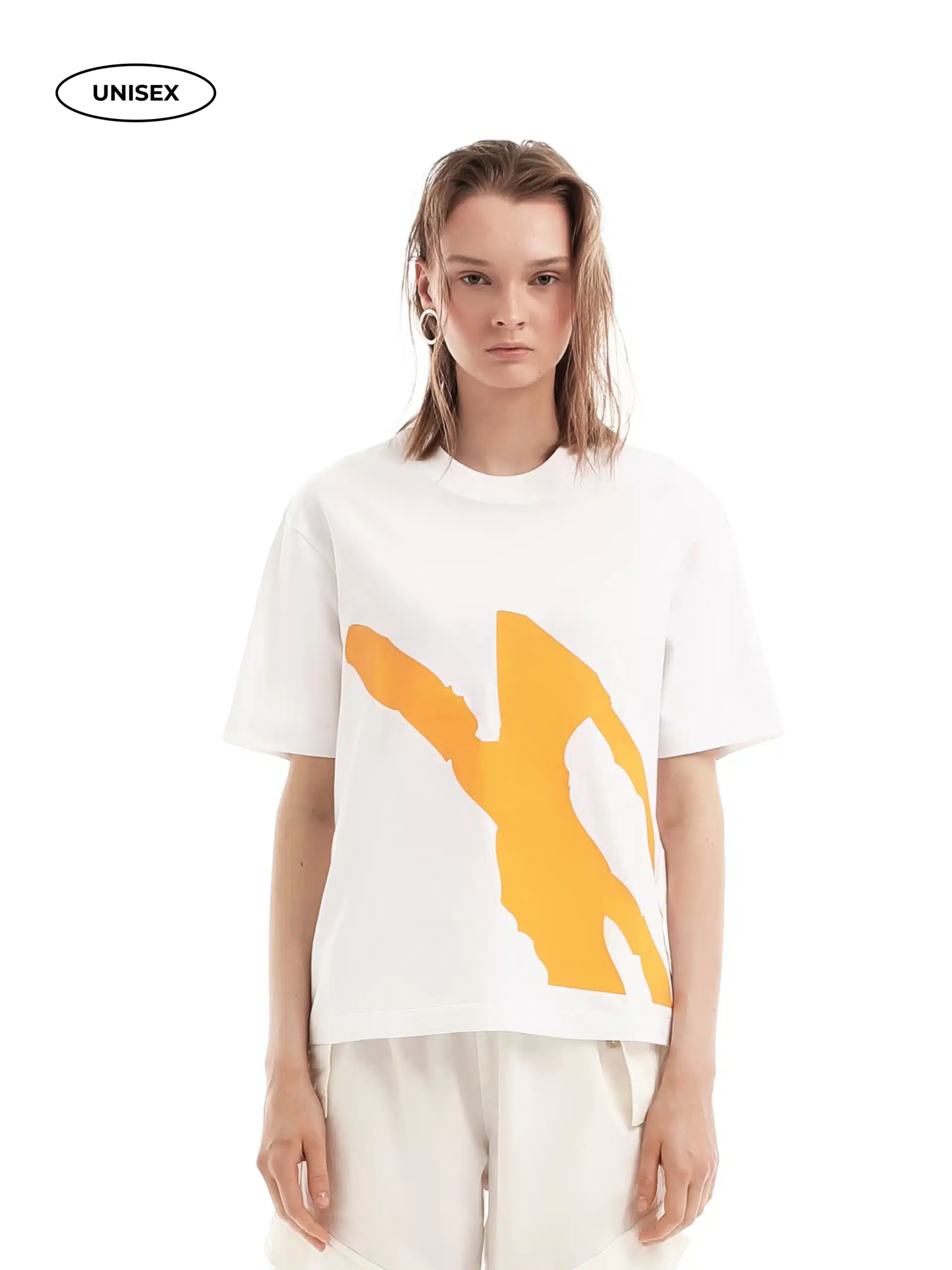
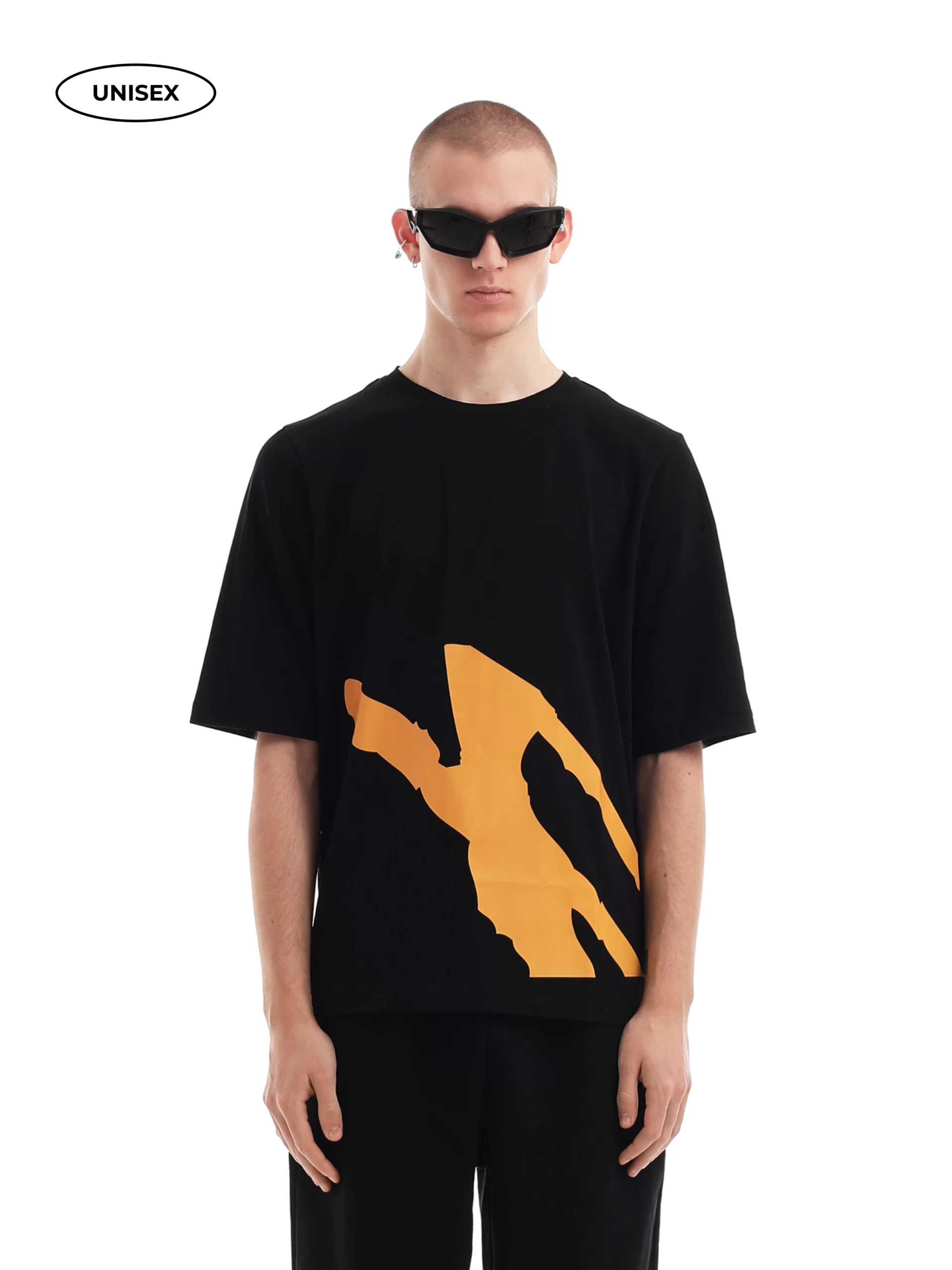
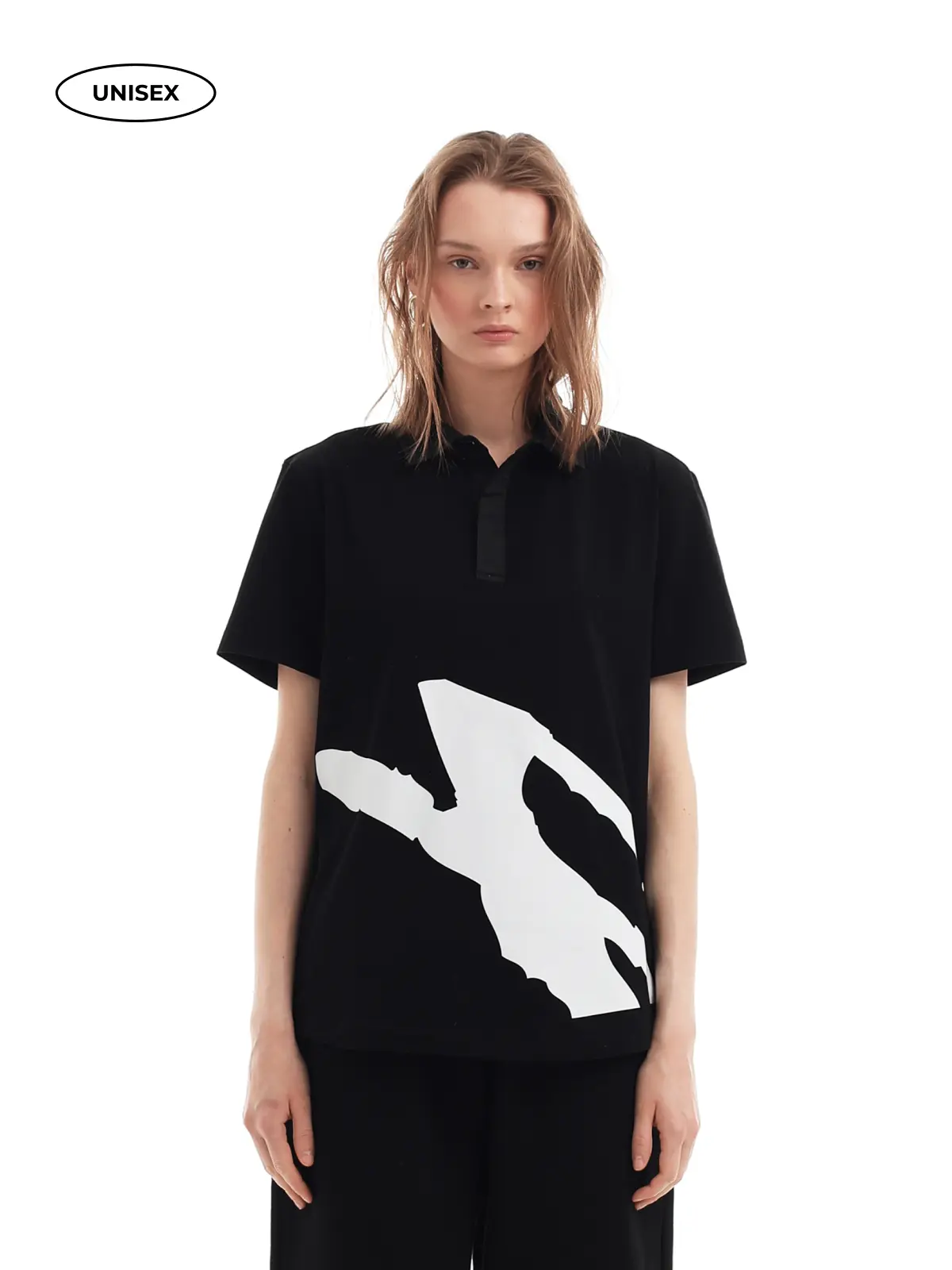
Buzz cuts are not limited to men’s hairstyles. Buzz cuts are trending as a style that can be worn by anyone, and women have become much more likely to wear forms of it, ranging from extremely short to longer, softer, and more feminine. L’Oréal Hair also noted that the style is equally popular among men and women.
A #1 or #2 can make an extremely clean and minimal appearance. This is a style that emphasizes facial features, earrings, makeup, brows, and styling.
A #4-#8 buzz cut offers more coverage and may be easier for someone who is cutting their hair shorter from long hair. The additional length also helps to keep the natural curls, waves, and texture visible.
A fade can elevate a short ladies’ buzz cut to a sculpted look. The top can be kept around a #3 or #4, and the sides can be gradually tapered to the ear and neckline. Select the perfect color for your hair.
The buzz cut is a high-fashion look when the hair is cut very short and bleached or platinum. The color is one of the main visual elements, since there is little hair.
Long hair may be mixed with a short side buzz cut. It is not an overall buzz; rather, it is a contrast to create an asymmetrical and editorial look.
Whether it’s summer, the sports season, vacations, or busy school schedules, a kids’ buzz cut can be especially functional.
The simplest method is to use a single guard everywhere. A slightly longer guard (like #3 or #4) may be more accommodating for younger kids than an extremely short #1. A clean cut around the neckline and sideburns will also help the cut appear cleaner without forming a dramatic fade line.
With straight hair, the actual length of the guard is visible. The #2 or #3 produces a very clean look, while #4 or #5 produces a softer look.
Medium-length buzz cuts tend to work well with thicker hair, as it is still evident around the face. The #3 or #4 can provide body to thick hair while not taking away all the volume.
When people with curly hair get cut, their hair looks shorter due to its curl pattern. A #4 or higher will maintain more of the natural texture.
Short guards can make the scalp more prominent on fine hair. For greater coverage, try to use the #3 or #4, rather than going for the #1 right away. While it can help make thinning areas more cohesive, a buzz cut does not help to add more hair.
A buzz cut can complement a variety of face shapes, though the length of the guard and the shape of the sides are key.
However, the shape of the face is not the only factor. The result can vary based on hair density, hairline, and preference.
Avoid ordering “give me a buzz cut,” as there are too many possibilities for length. Rather, provide your barber with three facts:
1. Top length: “I want a #3 all over.”
2. Sides: “Keep the sides #2.”
3. Finish: Add a light taper around the neckline and sideburns.
For example: I would like a #3 buzz on top, #2 on the sides, a low taper neckline, and sideburns.
In case you desire the same length everywhere: I want #3 all over (no fade). This makes the desired result much more apparent.
While a one-length buzz cut is one of the simpler cuts to try at home, there is a degree of preparation involved.
Ensure that the hair is clean, dry, and not weighed down with heavy styling products.
Choose your guard: if you are in doubt, start longer. For instance, start on a #4. If you want it shorter, go down to a #3 and then a #2. A number of haircutting guides also suggest that you begin with a longer guard, as you can take more hair off later.
Remember that you can’t instantly go back and fix a buzz cut. Do not hesitate to choose #3 over #2 if you’re not sure.
A taper generally concentrates the shortening around the edges, while a fade creates a more noticeable gradient through the sides and back.
While a buzz cut is low maintenance, it isn’t maintenance-free.
A person who doesn’t like showing his or her scalp, hairline, or head shape may find a longer buzz cut a better option. But there are no hard rules on who may wear one.
Buzz cuts are becoming popular these days, particularly tapered buzz cuts, skin fades, textured tops, and bleached or platinum-blonde buzz cuts. Clean edges and cuts that are customized to head shapes are also in demand.
Most buzz cuts require very little styling, or none at all. Ensure that the hair is clean and apply a light moisturiser to the scalp, adding a little matte product for additional texture and definition if desired.
A professional colorist will be able to apply hair bleach, track the lift, and tone the hair to your desired color for a bleached buzz cut. Don’t bleach an irritated scalp; read the label for directions and ask a professional to minimize the risk of burns or damage to the hair.