High Heels, Heavy Lights, and Catwalk Falls: Injuries in the Fashion World

High Heels, Heavy Lights, and Catwalk Falls: Injuries in the Fashion World

SHARE THE ARTICLE

Behind the glamour of the runway lies a painful truth: vertiginous heels, shaky sets, and last-minute chaos mean injuries aren’t accidents; they’re part of the show. Broken bones, concussions, crushed fingers: the fantasy has a brutal price.

The Anatomy of a Catwalk Fall

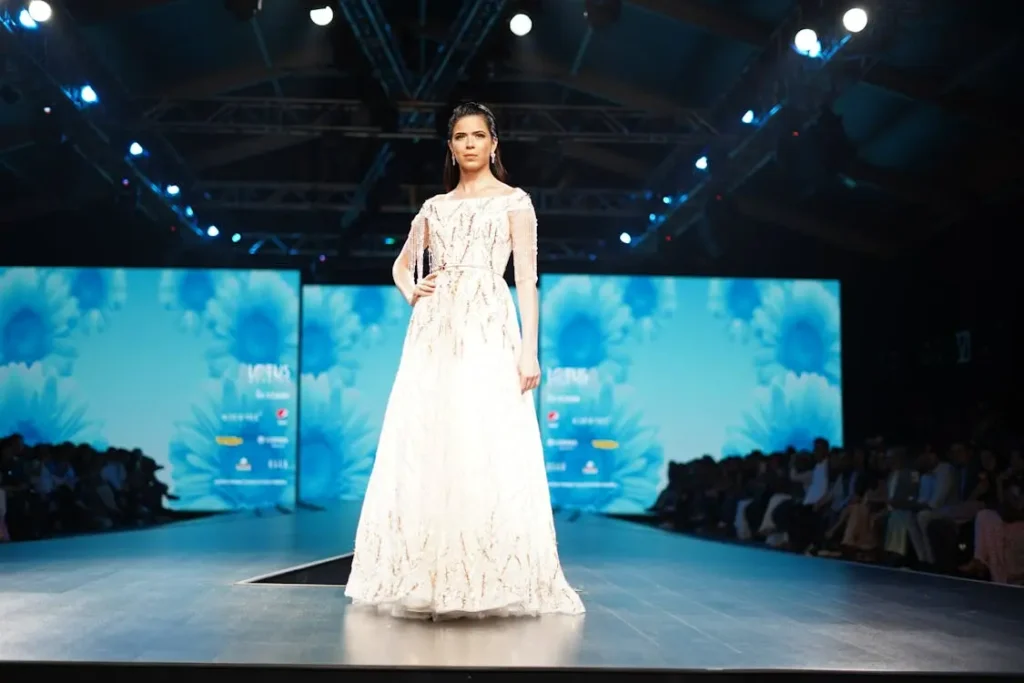
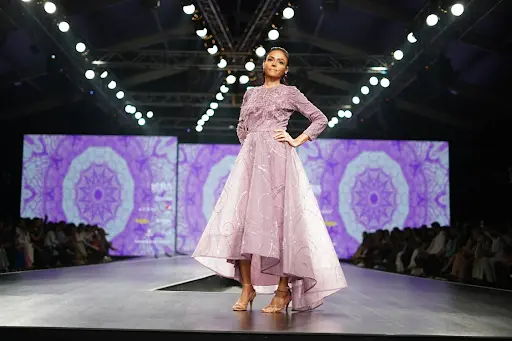
The signature model walk is actually pretty unnatural to begin with. It’s even tougher when you’re wearing heels that seem to defy the laws of physics. Stilettos over four inches push your center of gravity forward, forcing your spine into an S-curve and putting serious strain on the balls of your feet. Then throw in a slippery runway: polished wood, acrylic, shiny paint, and the pressure to strut fast and fierce. At that point, a fall is almost inevitable. So what happens when models wipe out? Common injuries include sprained or fractured ankles, torn knee ligaments (especially the ACL), broken wrists from trying to catch themselves, and facial cuts. But there are also hidden dangers: loose carpet edges at the end of the runway, cables hidden under fabric, or sudden changes in flooring texture between segments.

Heavy Lights, Flying Trusses, and Backstage Mayhem

Not all fashion injuries happen in the spotlight. Behind the curtain, a different kind of danger lurks: heavy lighting instruments, suspended trusses, steel frames, and hastily assembled sets. In the rush between shows, safety protocols are often the first thing sacrificed. Technicians and riggers work under crushing deadlines, hoisting massive LED walls and tungsten lights that can weigh over 50 pounds each. A single dropped light from a height of 10 feet can cause skull fractures, spinal injuries, or worse.
  • Common backstage injuries: Concussions from falling equipment, crush injuries to hands and feet, back strains from improper lifting, and lacerations from jagged set pieces.
  • What goes wrong: Untrained personnel handling rigging, overloaded power cables causing electrical shocks, and the absence of hard hat zones in active load-in areas.
Legal reality: When a heavy light falls due to negligent setup or inadequate safety measures, injured crew members often face steep medical bills and lost wages. In such cases, www.malloy-law.com frequently handles the problem, as personal injury attorneys can help determine liability, whether the venue, production company, or equipment supplier failed to provide a reasonably safe workspace. The glamour of fashion week never shows the bloodied hands of a stagehand or the concussion protocol in a loading dock. But these injuries are real, and they ripple through the lives of the people who make the fantasy possible.

Feet, Joints, and the Long Game

For models and dancers, a single dramatic fall is only half the story. The more insidious injury comes from cumulative wear and tear. Day after day, season after season, the body absorbs micro-trauma: compressed toes, blistered heels, inflamed tendons, and strained lower backs. High heels shorten the Achilles tendon over time, leading to chronic pain even when flats are worn. Many retired models report needing bunion surgery, hip replacements, or spinal fusion before age 40.

  • Long-term conditions: Hallux valgus (bunion deformity), plantar fasciitis, Achilles tendinopathy, and early-onset knee osteoarthritis.
  • Pressure points: Walking in 6-inch heels increases forefoot pressure by up to 75%, equivalent to a small elephant standing on each toe.
  • Mental toll: Chronic pain leads to anxiety about walking normally, dependency on painkillers, and early retirement from the runway.

The Runaway Runway

Sometimes the injury isn’t just to a model or crew member; it spills right into the front row or an after-party dance floor. Runway sets have collapsed mid-show, dropping models into guests’ laps. Mirrored walls and rotating stages have malfunctioned, crushing feet or trapping limbs. Even the audience isn’t safe: tripping hazards, unmarked steps, and overloaded balconies have left editors and celebs with fractures or concussions. Real examples include a rotating platform locking up mid-turn, a glass railing shattering, and a heavy backdrop falling on a VIP section. Yet many pop-up venues skip safety checks, ignore weight limits, and lack emergency lighting; small oversights with painful consequences.

Safer Catwalks: What the Industry Owes Its Workers

The fashion world has begun to acknowledge its injury problem. Some brands now require non-slip runway tape under carpets, cap heel heights at 4 inches for certain shows, and mandate rehearsal time on the actual surface. But these measures remain inconsistent. High-pressure castings, under-rehearsed models, and budget cuts to safety gear persist. The most effective changes would be industry-wide standards: mandatory physiotherapists on set, weight limits for portable lighting rigs, and regular OSHA-style inspections for temporary venues.
  • Practical fixes: Pre-show fall rehearsals with practice heels, emergency stop signals for technicians, and backstage aisles kept clear of trip hazards.
  • Cultural shift needed: Stop glamorizing falls as “human moments” and start treating them as preventable workplace incidents.
Until safety is as valued as spectacle, every runway will remain a gamble. The high heels, heavy lights, and catwalk falls aren’t accidents; they are outcomes of a system that too often puts image before anatomy.
COMMENT

There are no reviews yet. Be the first one to write one.

Actually, this article could
be in your email

Featured materials from FOXYLAB MAGAZINE
are available in our newsletters.
Subscribe and get a dose of inspiration!

more articles

A whole world on the tip of a pencil. The story of an artist who proved that true art has no limits and that it is never too late to start all over again.

READ MORE ARTICLES

International fashion icon and symbol of Parisian style, Ines de la Fressange is one of the most famous women in France.

Anastasia Pilepchuk is a Berlin-based artist with Buryat roots. She creates masks and face jewellery inspired by the nature and the culture of her beautiful region.

A whole world on the tip of a pencil. The story of an artist who proved that true art has no limits and that it is never too late to start all over again.

Search

FOLLOW US ON