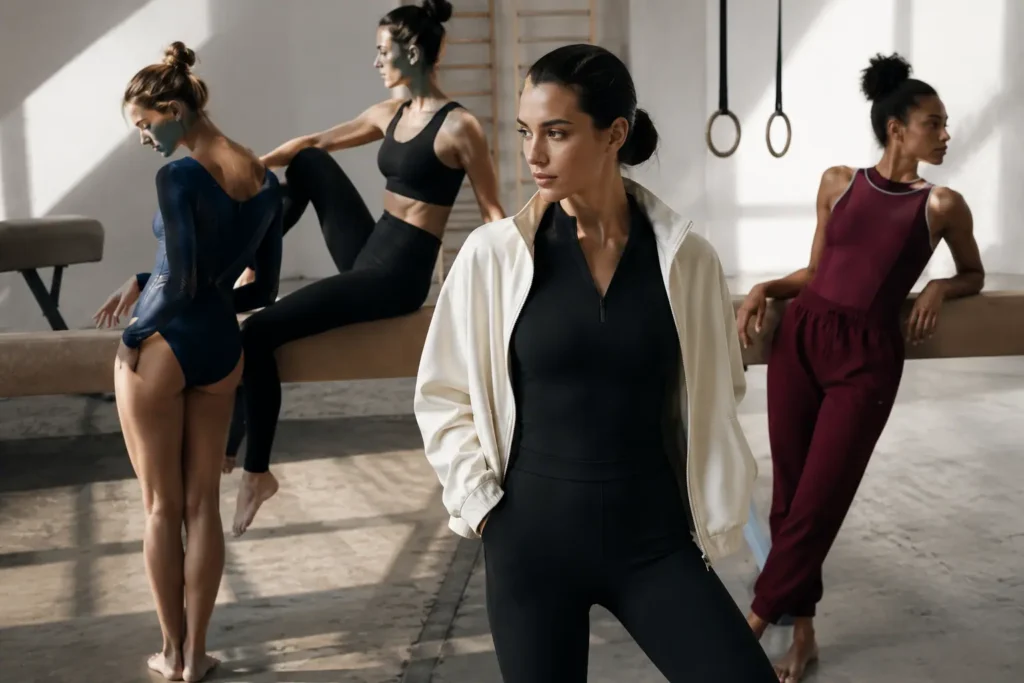
Gymnastics has always required clothing that supports movement, control, strength, and precision. Every seam, fabric choice, neckline, sleeve length, and fit detail matters because the body needs full range of motion without distraction. That same design logic now influences modern activewear. People want workout clothes that feel supportive, move cleanly, and look polished outside the gym. Gymnastics style brings structure to activewear. It favors streamlined silhouettes, flexible fabrics, body-aware fit, and performance details that do not feel bulky.
Gymnastics-inspired activewear depends on fabric performance. The material needs stretch, recovery, breathability, opacity, and enough structure to stay in place. A fabric may stretch well but lose shape quickly. Another may look smooth but feel restrictive during movement. Better activewear uses blends that support the body while allowing flexibility. Common choices include nylon-spandex, polyester-spandex, compression knits, ribbed performance blends, and smooth technical fabrics. The best fabrics return to shape after movement. They should not sag at the knees, stretch out at the waist, or turn sheer under pressure.
Gymnastics style is visually controlled. The lines are clean because excess fabric can interfere with performance. This has shaped modern activewear by making streamlined outfits more popular. High-waisted leggings, fitted long-sleeve tops, sculpted tanks, sleek bodysuits, and cropped jackets all reflect this influence.
Strong activewear design often includes:
These details help activewear look intentional. They also make outfits easier to style beyond workouts.
Leotards are one of the clearest gymnastics influences in fashion. Modern bodysuits, fitted tanks, and one-piece workout styles use similar principles. They stay close to the body, reduce bunching, and create a clean base layer. This makes them useful for Pilates, dance, yoga, barre, strength training, and casual styling. A bodysuit can work with leggings, track pants, wide-leg trousers, jeans, or a skirt. The key is fit. A good bodysuit should feel secure without pulling at the shoulders, neckline, or hips.
Gymnastics clothing needs support, but it cannot restrict movement. That has influenced the way activewear uses compression. Compression should feel stable, not tight in the wrong places. The waistband should stay in place without digging. The top should support movement without limiting breathing. The fabric should smooth and hold without creating discomfort. Poor compression can make movement harder. Good compression improves confidence because the wearer does not need to adjust clothing constantly. This matters for workouts, errands, travel days, and active weekends.
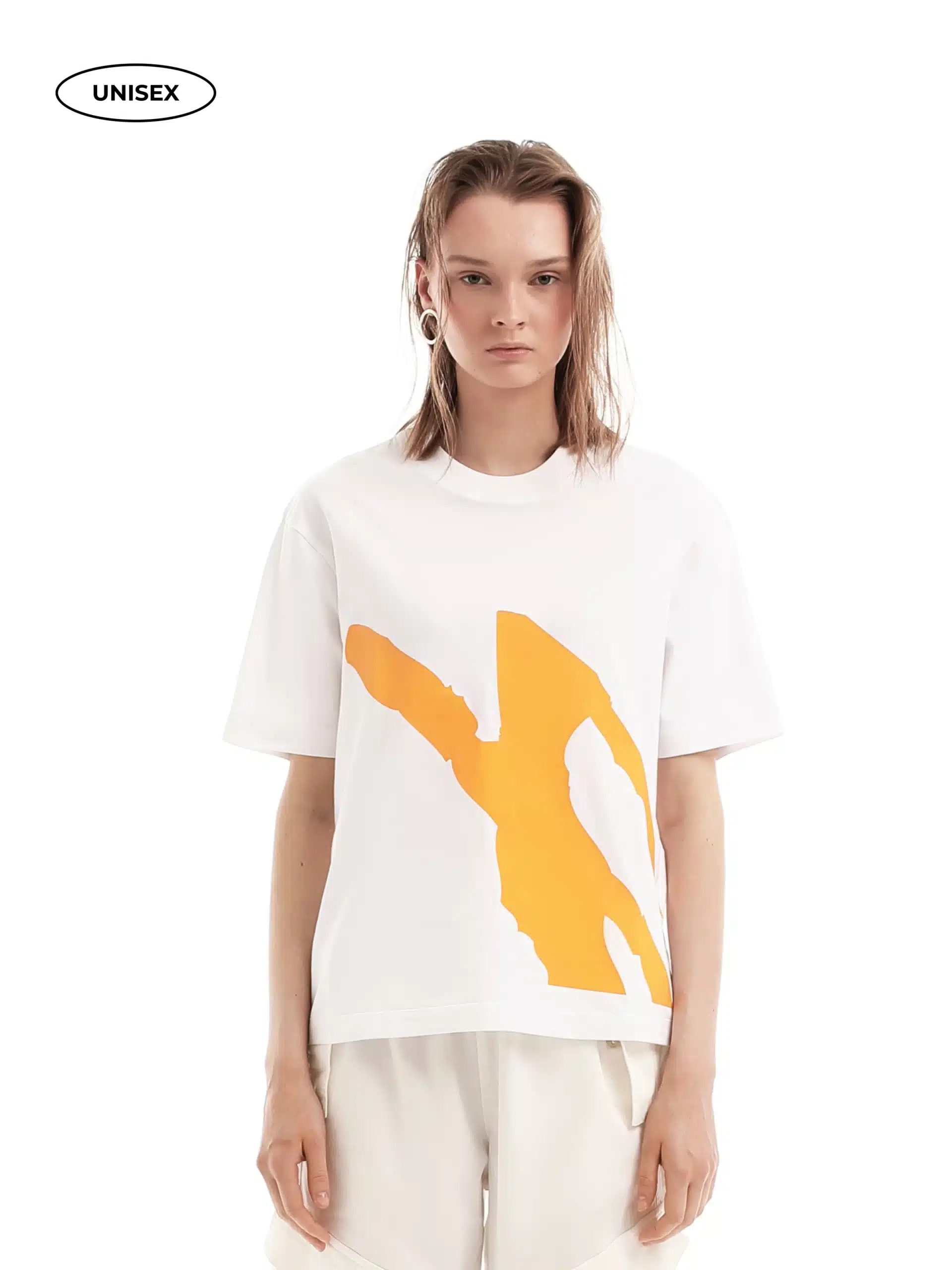
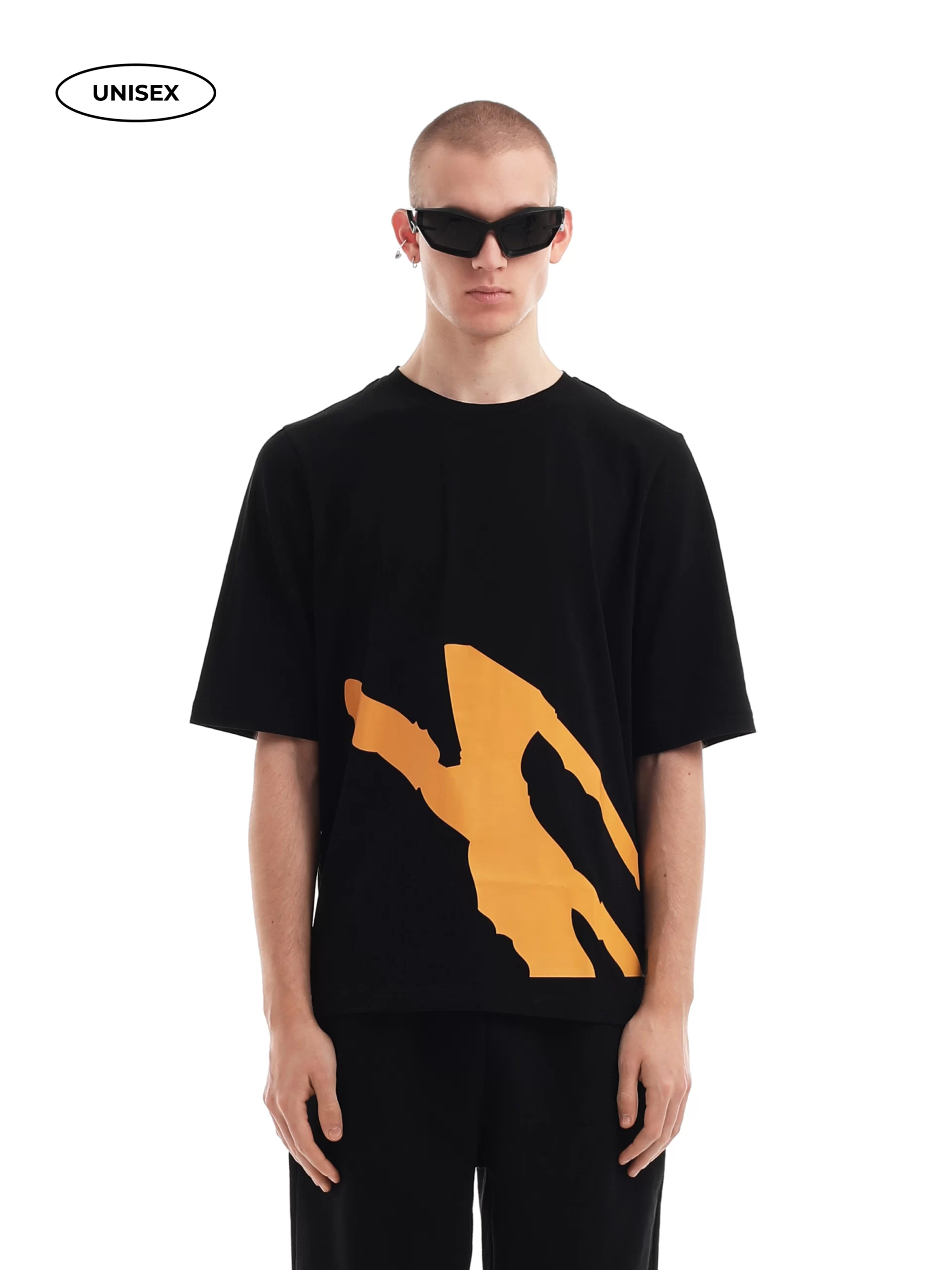
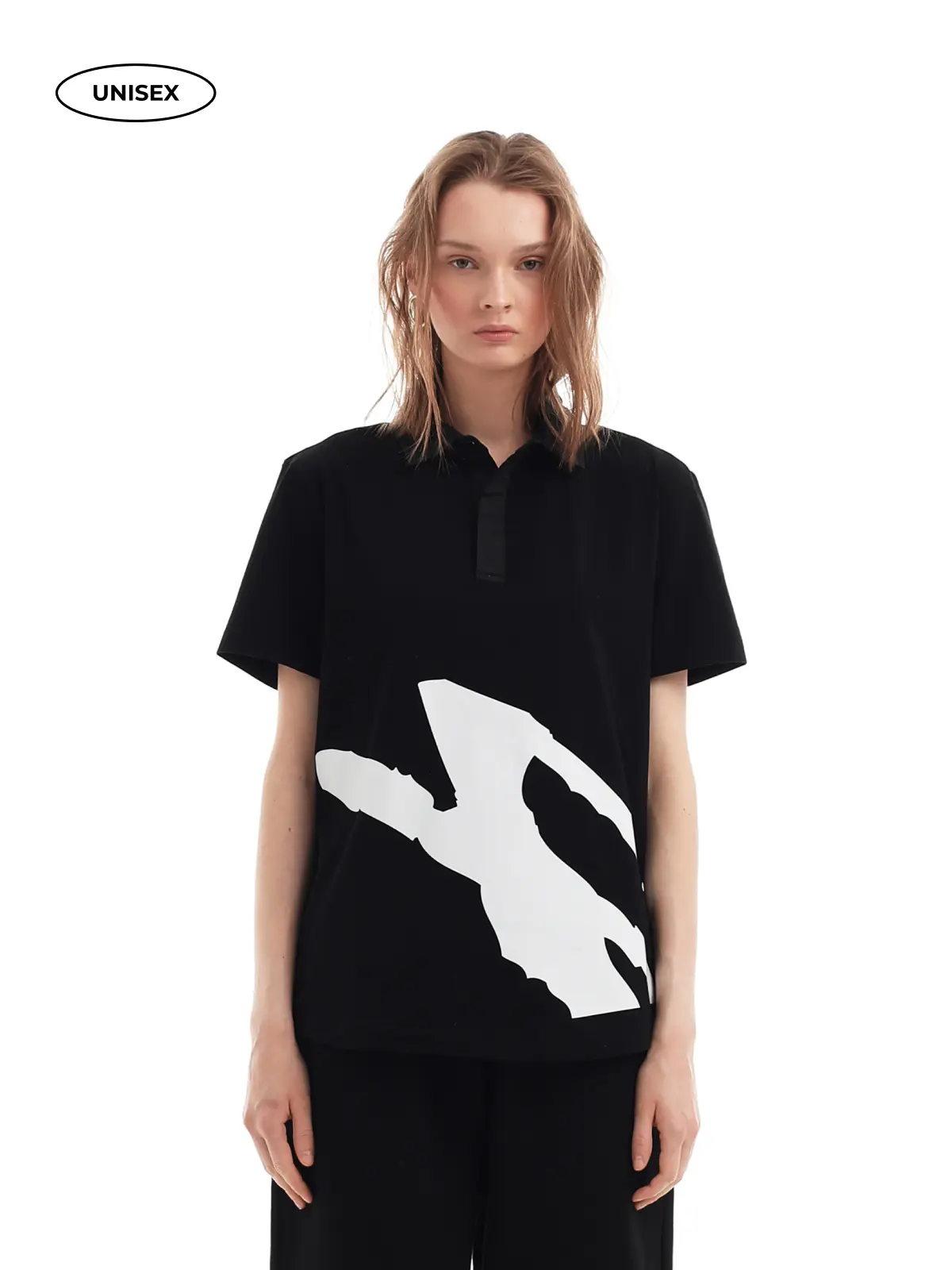
One reason gymnastics-inspired fashion works well today is versatility. Clean activewear can move from a workout to casual plans with the right layers. A fitted top can pair with a blazer. Leggings can work with an oversized shirt. A bodysuit can sit under a cropped jacket. A sleek zip-up can replace a casual hoodie.
The outfit should look active but not unfinished. That comes from proportion, clean fabrics, and intentional accessories.
Gymnastics style has influenced modern activewear through movement-focused design, supportive fabrics, clean lines, bodysuit shapes, compression, and coordinated visual details. The strongest pieces combine performance with polish. They stay in place, support the body, and transition easily into daily life. For modern fashion, gymnastics-inspired activewear proves that practical clothing can still feel sharp, expressive, and carefully designed.