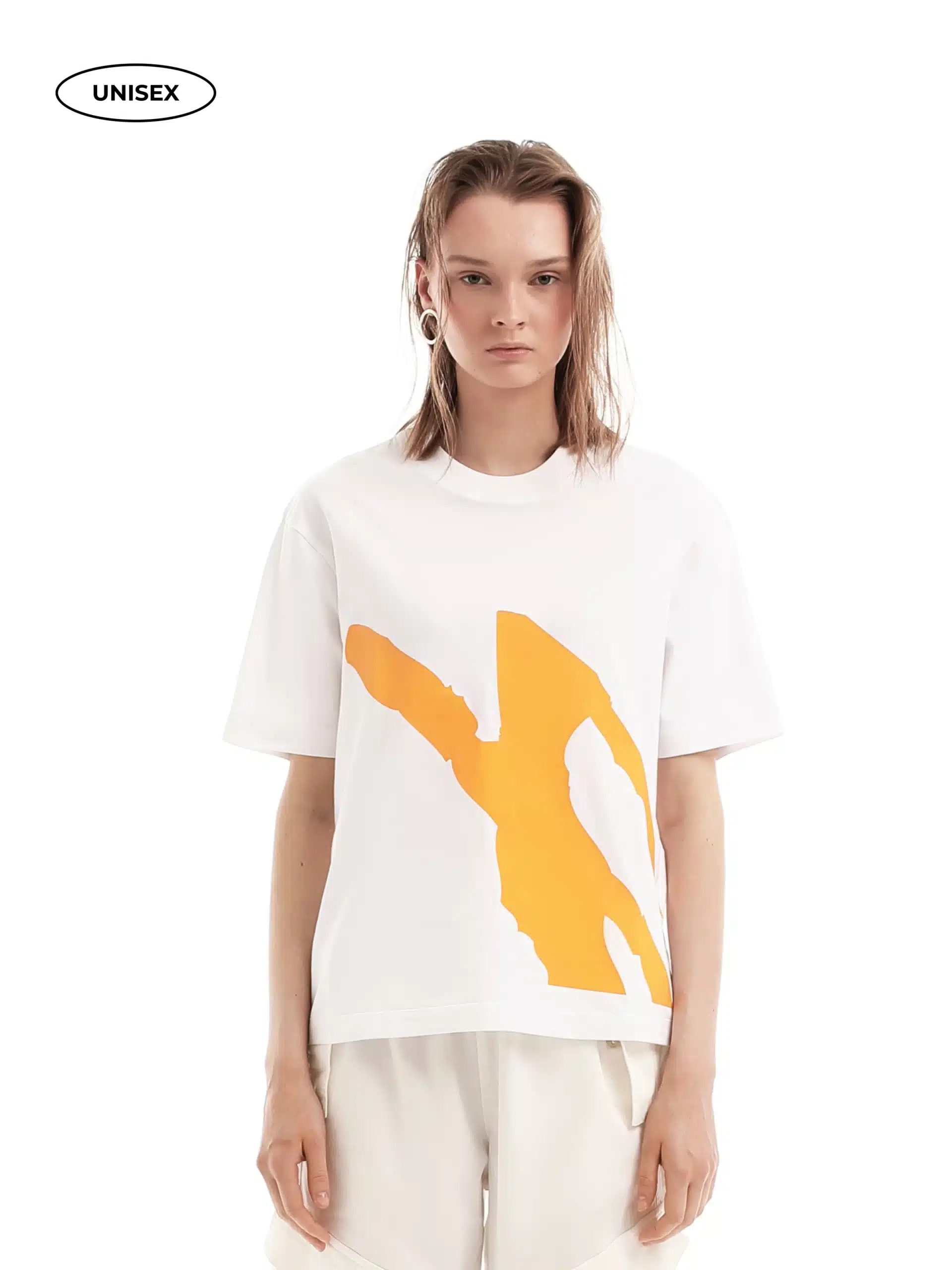
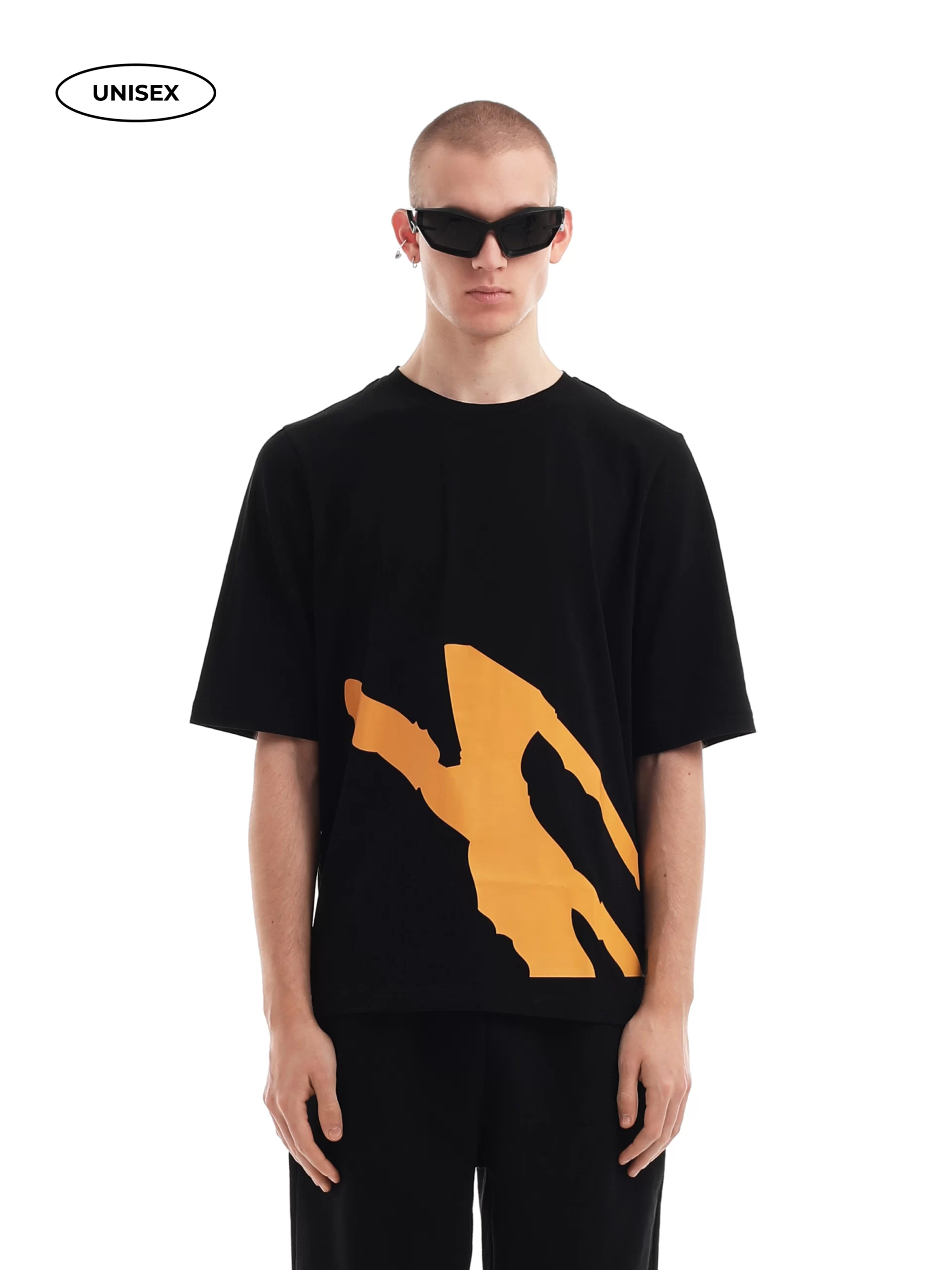
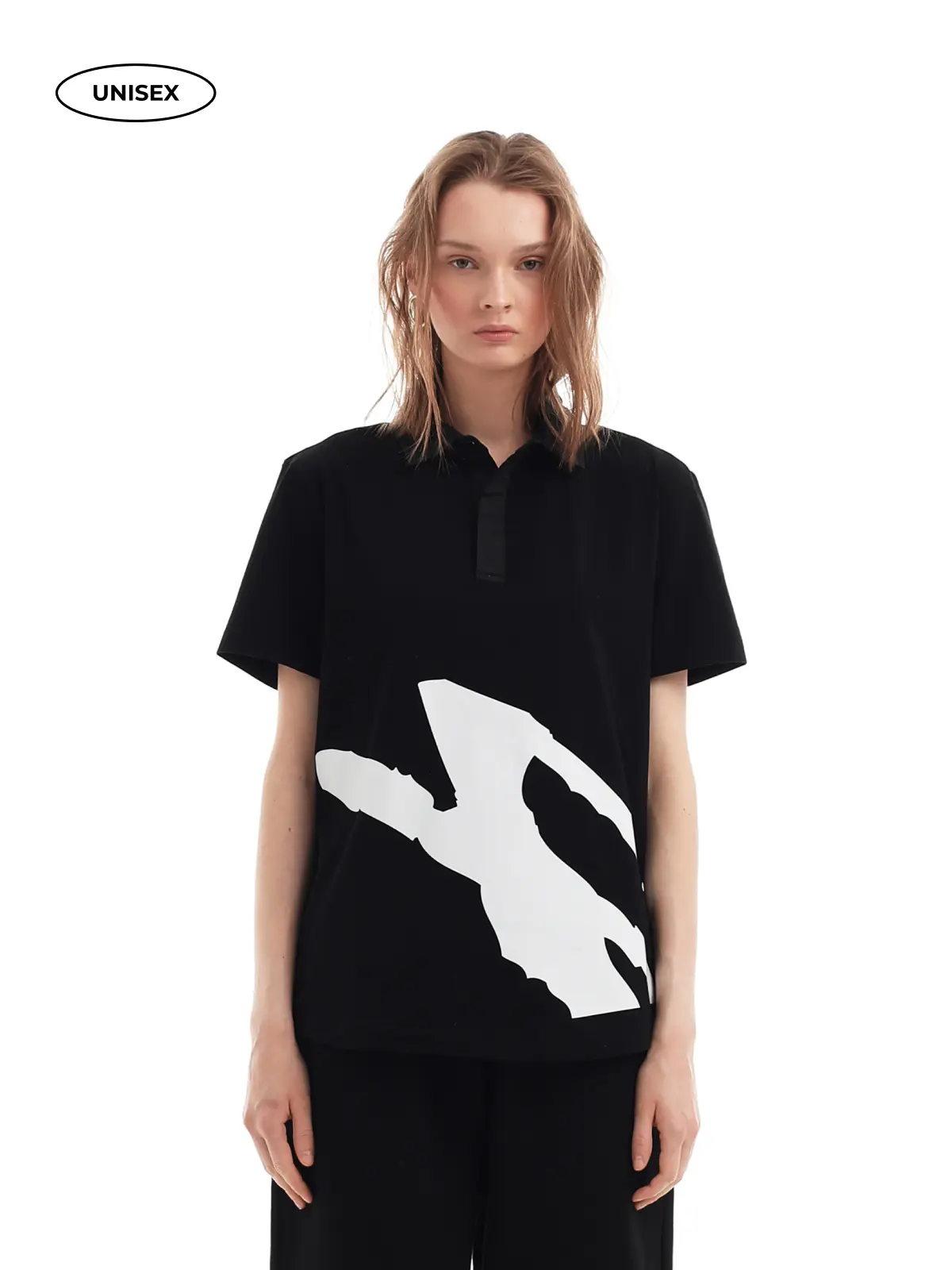
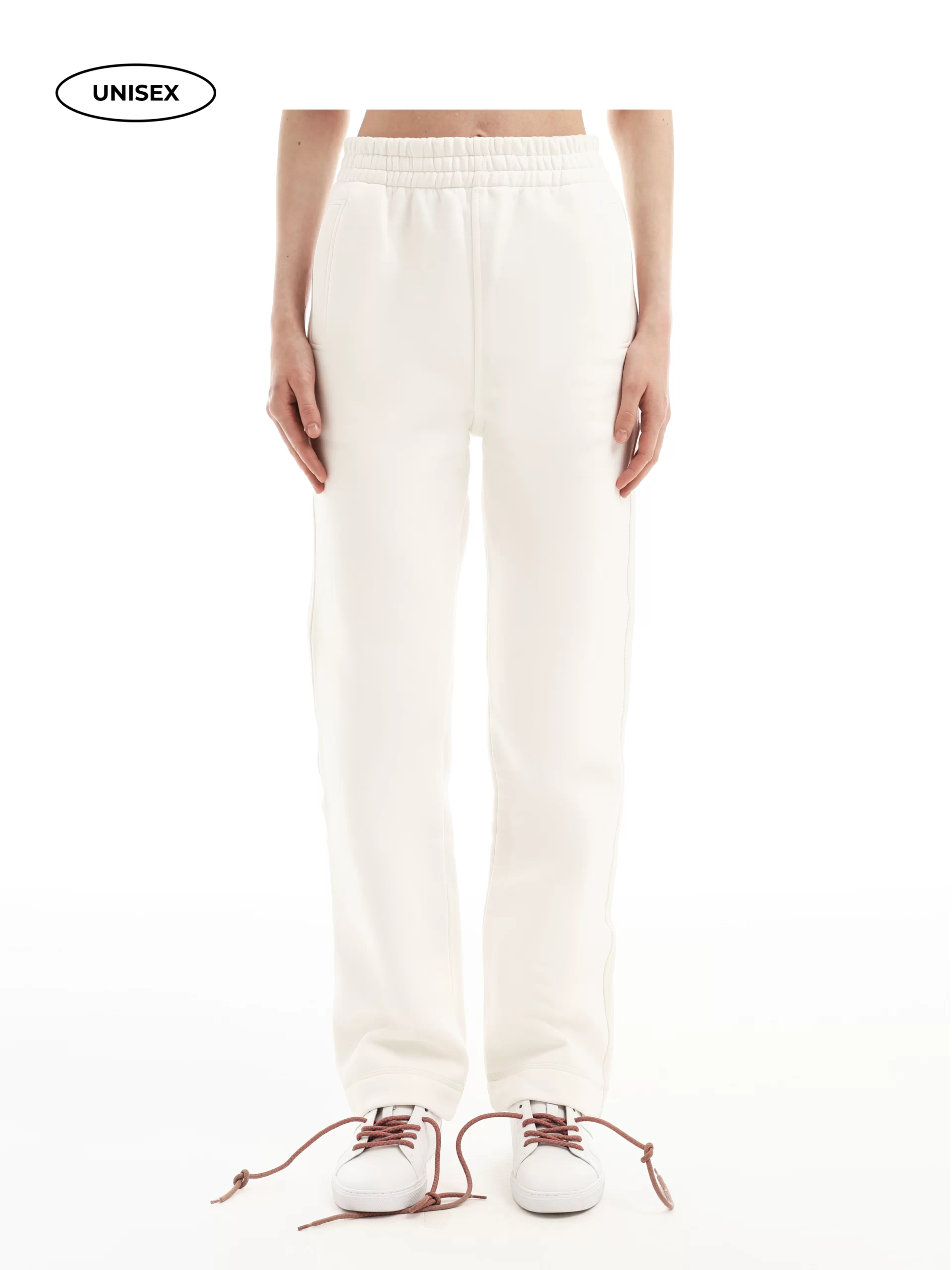
Basically, it’s a set of clothes you pick out that work together and can make a bunch of different outfits. Most people keep it between 25 and 40 items, but honestly, the number doesn’t really matter. And don’t worry — a capsule wardrobe isn’t all beige basics. You can have color, patterns, and your own personal style. Everything needs to work together, that’s all.
Before you buy anything, figure out what you have. Sort your clothing into three piles:
The “maybe” pile is usually where people lie to themselves. Most of those pieces end up donated. Your “yes” pile is the foundation. Those are the items that reflect how you actually dress — not how you imagine you might dress one day.
A capsule works when pieces connect. Color does most of that work.
So, how to create a timeless wardrobe with a color palette built around your natural coloring that complements your appearance? Start with three or four neutral colors. Then add one or two accent colors you already gravitate toward. You’ll spot the pattern fast when you look at what survived the sort. If you’re not sure which shades actually work for your coloring, Dressly’s AI Color Analysis scans your skin tone, hair, and eye color and gives you a personal color palette — so you’re not guessing whether that camel or that olive actually suits you. One simple test before any piece earns a spot: can it pair with at least three other things you already own? If it can only work with one specific item, it’s not a capsule piece.
Once you’ve mapped what you have, you can see what’s actually missing. A working capsule typically covers:
Write the list before you open any browser tab. Shopping from a list means you’re filling a gap — not falling into fast fashion traps of buying something that looks good on its own but doesn’t connect to anything else you own. One metric worth knowing: cost-per-wear. A €120 coat you wear 60 times costs €2 per wear. A €30 top you wear twice costs €15. The math shifts how you evaluate what’s worth spending on.
A capsule doesn’t style itself. You need to decide in advance what goes with what. An outfit formula is a repeatable combination: fitted top + wide-leg trousers + loafers, or oversized knit + straight jeans + ankle boots. Once you have 5–7 formulas that actually work on your body, getting dressed in the morning stops being a source of decision fatigue. Start with your “yes” pile — physically lay out 7–10 full outfits from what you already own. You’ll spot your first formulas fast, and you’ll catch gaps easily. For the rest, Pinterest and Instagram work well — save looks built around pieces similar to what you own.
How to build a wardrobe that actually functions long-term? Make it easy to maintain. One practical move: take your capsule digital. Once your capsule clothing lives on your phone, you can plan outfits, spot gaps, and track what you wear — without pulling everything out of the closet again. There are plenty of apps built for this, but if you want something that goes further, Dressly combines a digital wardrobe with outfit scanning, color analysis, and a built-in AI fashion assistant — so if you’re stuck on a specific question (what to wear to a particular event, whether two pieces work together, what’s missing from your capsule), you can just ask it directly. None of these tools replace your own judgment. But they cut the analysis time down considerably — and keep the process from living only in your head.
Building a capsule closet isn’t complicated, but it does take a little honest sorting. First, go through what you already own — really look at each piece and hang onto what you actually wear. Notice what’s missing or what you wish you had, but don’t run out to shop yet. Make a list of what you need. There are wardrobe essentials lists everywhere, but they’re most helpful once you know your own gaps.
Technically yes, but two separate capsules means twice as many items to manage. Most pieces can pull double duty — a blazer works in a meeting and on the weekend, trousers go casual with the right top. Split only if your office has a strict dress code that shares nothing with your regular life.
No. A capsule is a system, not a personality type. You can own 35 pieces or 60 — what matters is that they work together.
It’s actually ideal. A carry-on-sized capsule of mix-and-match pieces covers more days than a full suitcase of unrelated outfits.