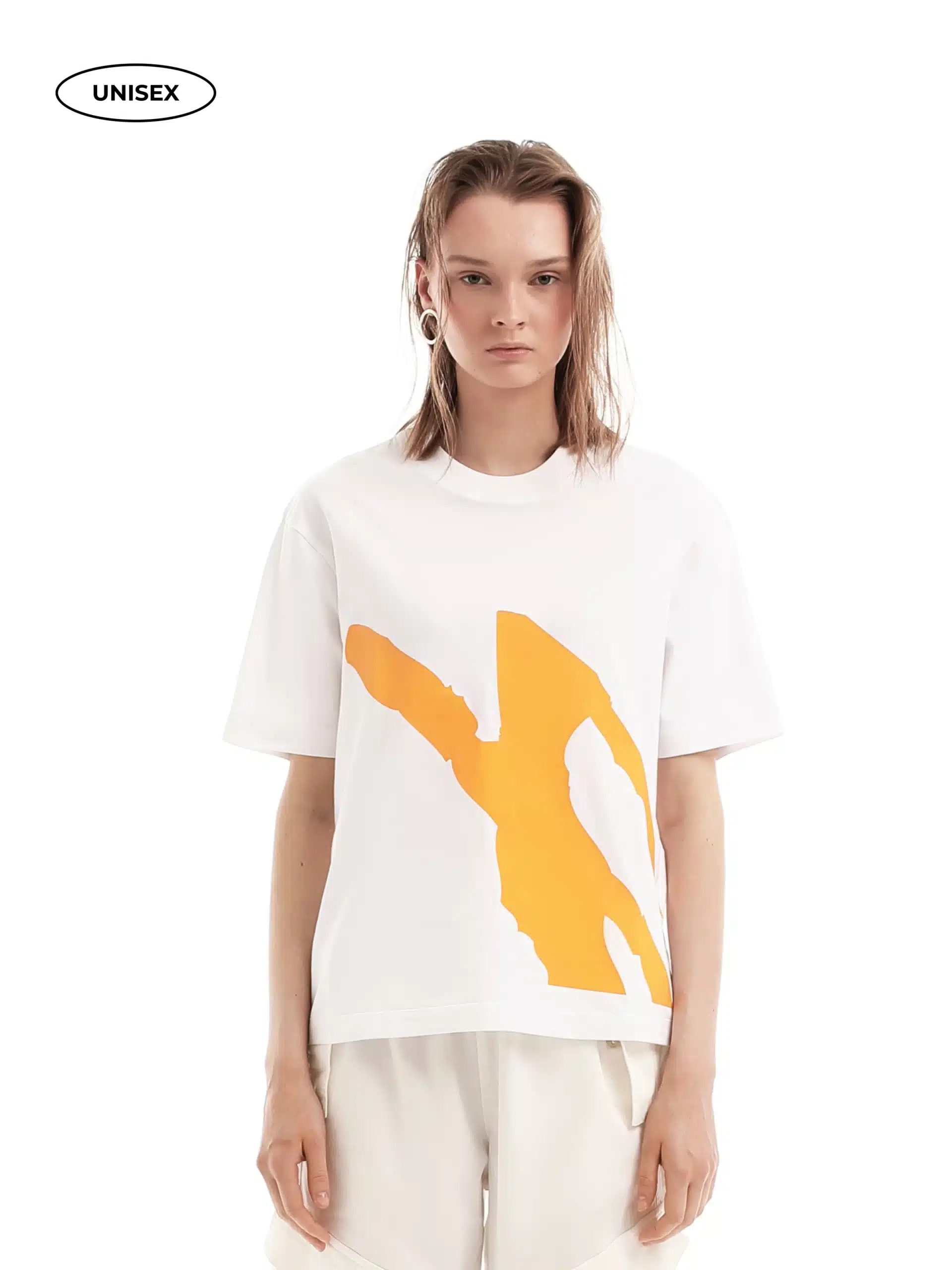
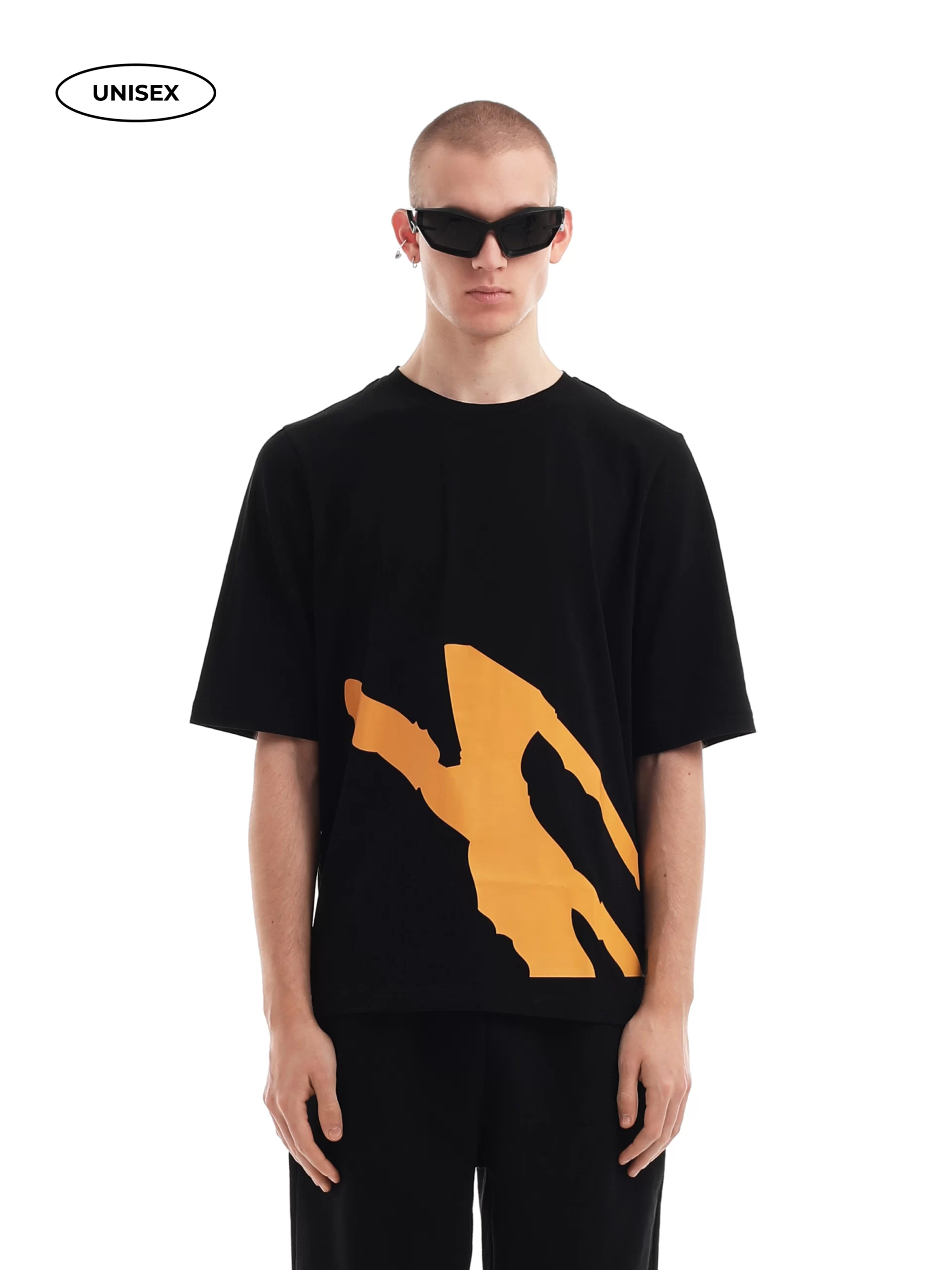
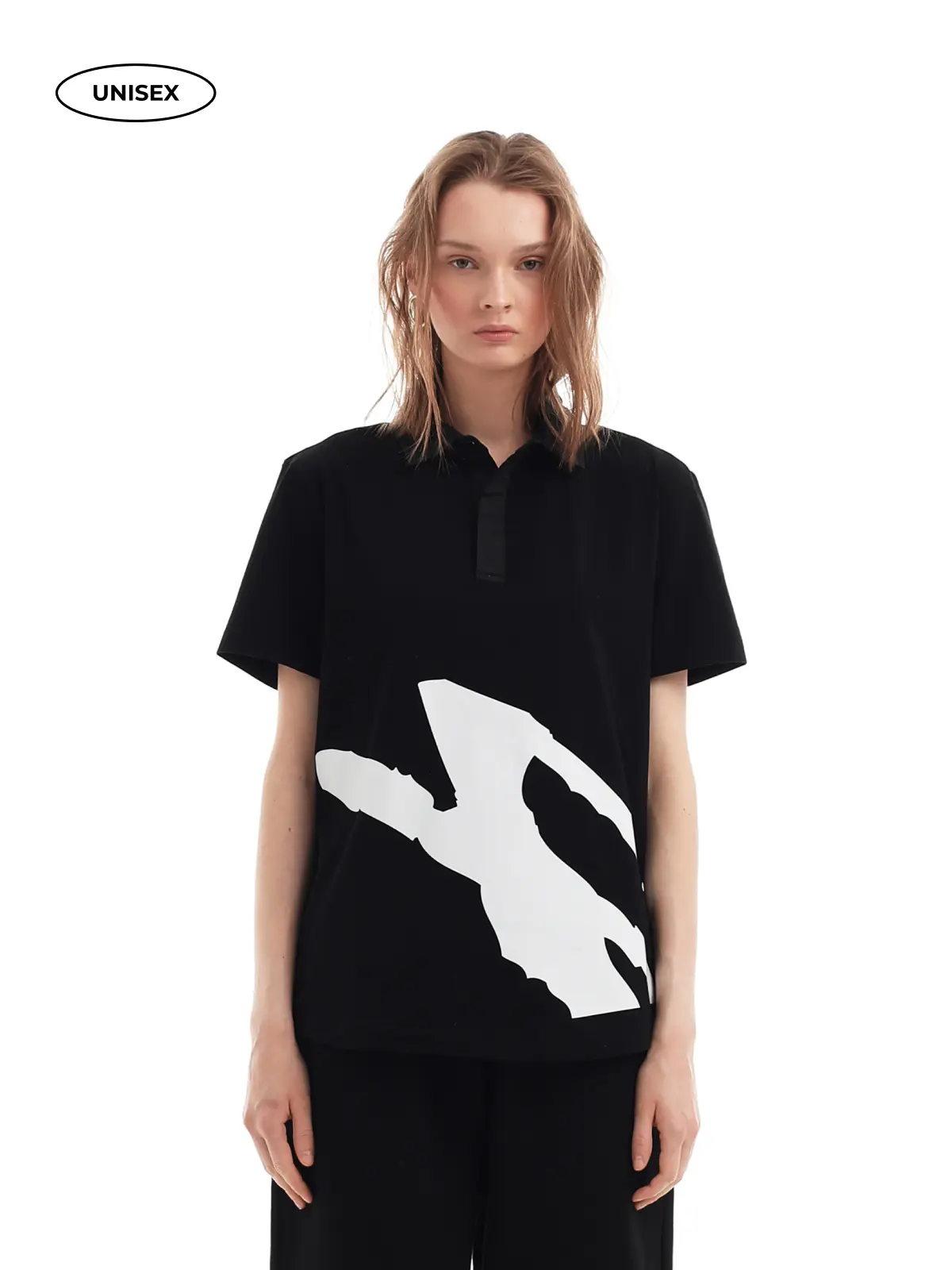
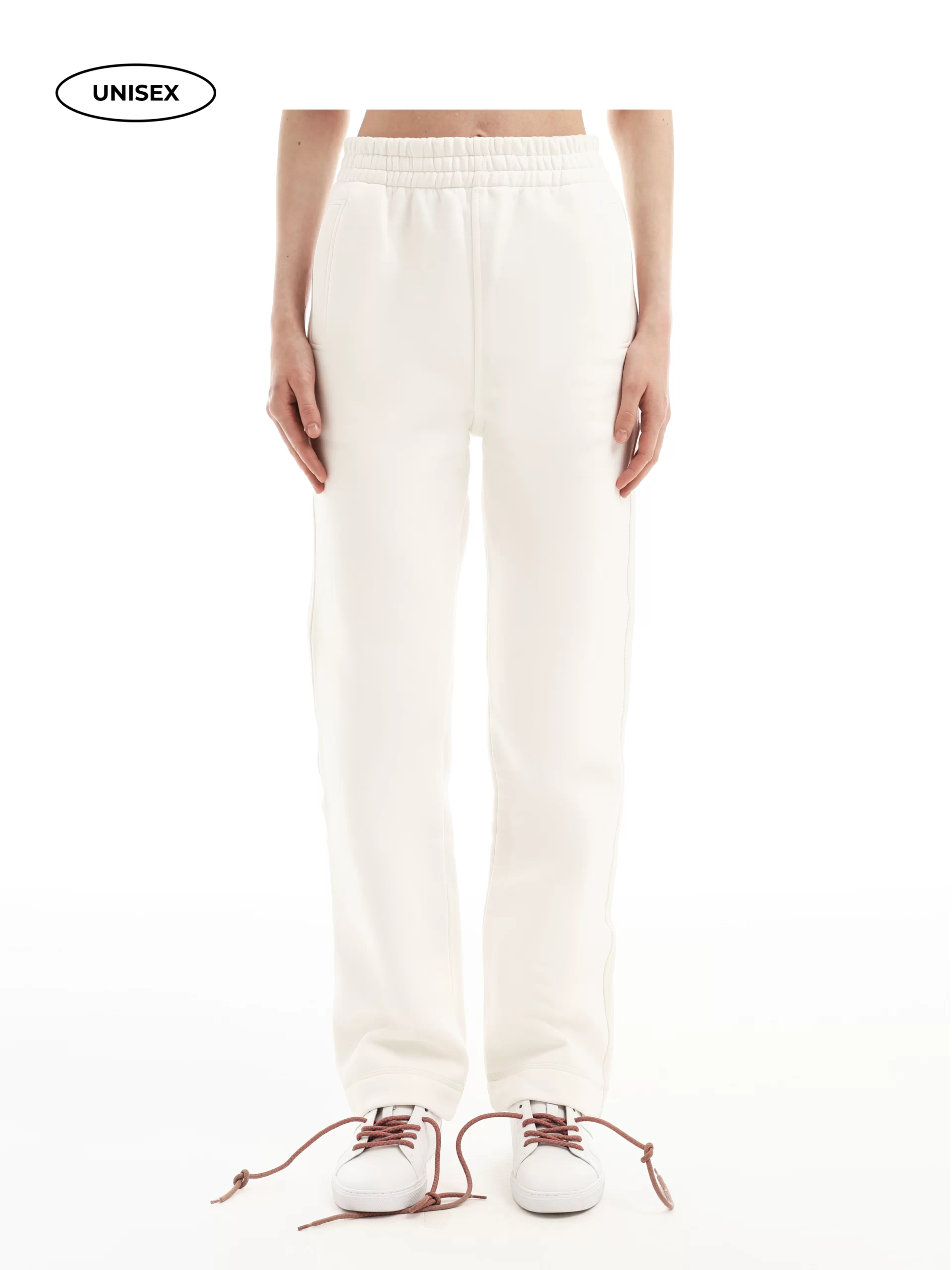
Before you talk price, look at what is already coming off their floor. A factory that runs your product category every week has solved things you have not hit yet. How a particular knit behaves after three washes. Which seam finish holds up on lightweight fabric. How to grade a size run so the largest size still hangs the way you drew it. Ask which categories they produce most often and which fabrics they buy in volume. That second question is the useful one, because volume buying is where their pricing is strongest and their consistency is highest. If your line sits inside that sweet spot, everything after this gets easier.
Third-party certification is the fastest shortcut you have. It is independent, it is verifiable, and most importantly, you are not dependent on anyone’s self-description of their standards. OEKO-TEX STANDARD 100 tests the entire end product, along with all of its parts, down to thread and buttons, against an expanding list that now numbers over 1,000 items. The certificates last for only one year—make sure you get the latest.
In case of organic content, GOTS is your reference.
It calls for a minimum of 70 percent certified organic fibers and applies environmental and social criteria at every stage, right through cutting, sewing, and packing. For working conditions, amfori BSCI audits cover 13 areas, including wages, working hours, and health and safety. Around 37,000 audits run through the Amfori system each year, so a recent report is a very normal thing to request.
Send a tech pack and watch what comes back. The garment matters, obviously. But pay just as much attention to how they respond to the spec itself. The best signal is questions. A factory that comes back asking about your target GSM, your preferred stitch density, or which reference garment you want the fit matched to is a factory that reads specifications properly rather than eyeballing them. Two sample rounds are normal. Three is completely fine. What you are buying with that time is a reference garment both sides have signed off on, and every production run afterwards gets measured against it.
It is best to address MOQs, lead time, and cost factors upfront when discussion is still relatively easy. Minimum order quantities can depend on the manufacturer, fabric, style, color, and production requirements. Ask whether the MOQ applies per style, color, or fabric so you can plan your range accurately. On timing, ask for sampling time, production time, and transit time as three separate numbers, then add them up yourself. Also ask what their calendar looks like in your window, because capacity in the run-up to the holiday season fills early with buyers who planned ahead.
While checking this, you will have proper guidance for every stage if you begin with an experienced partner such as this manufacturing company, a top leading provider you can check out for expert assistance on samples, certifications, and bulk production. Work through those, and you will know exactly who you are dealing with.