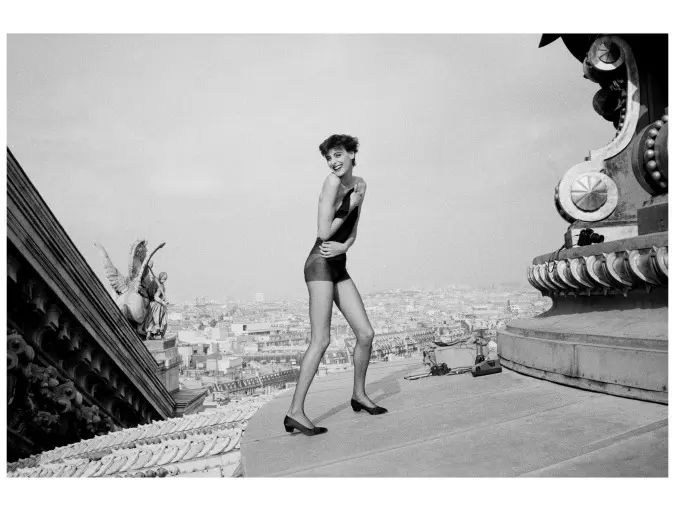
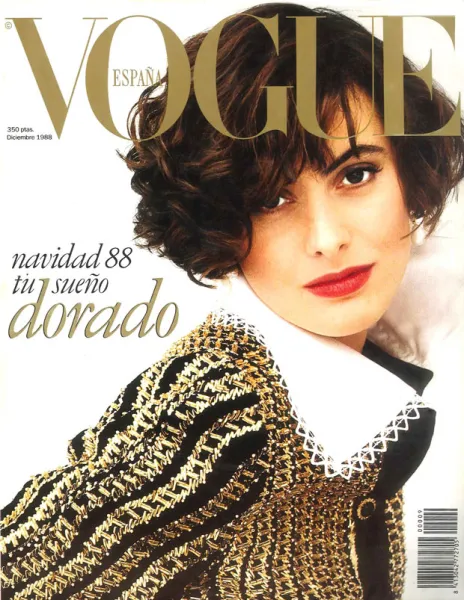
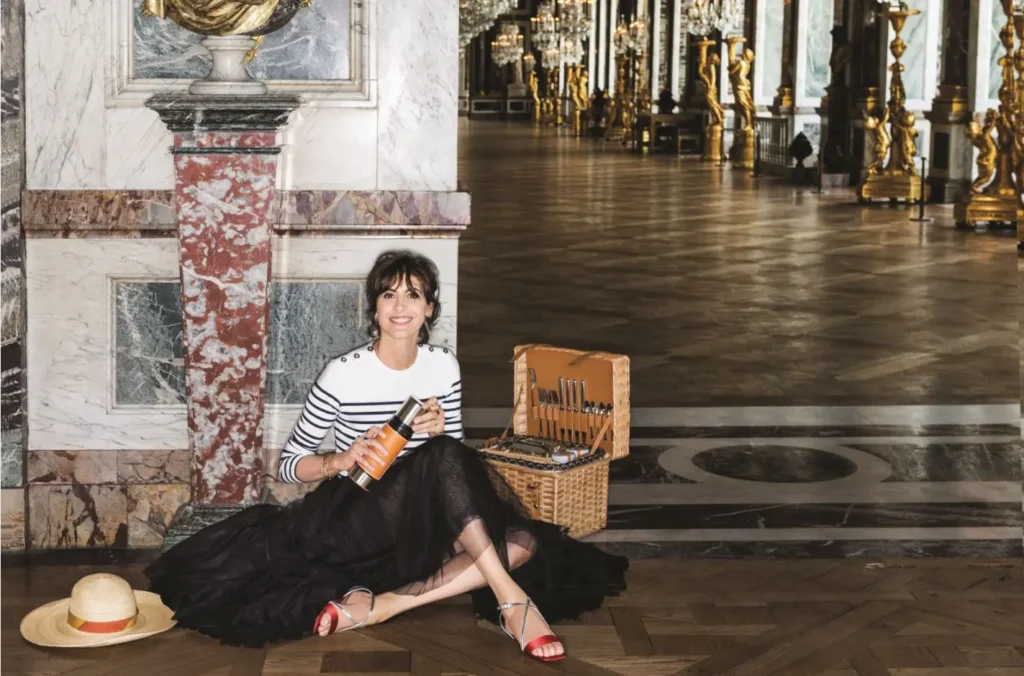
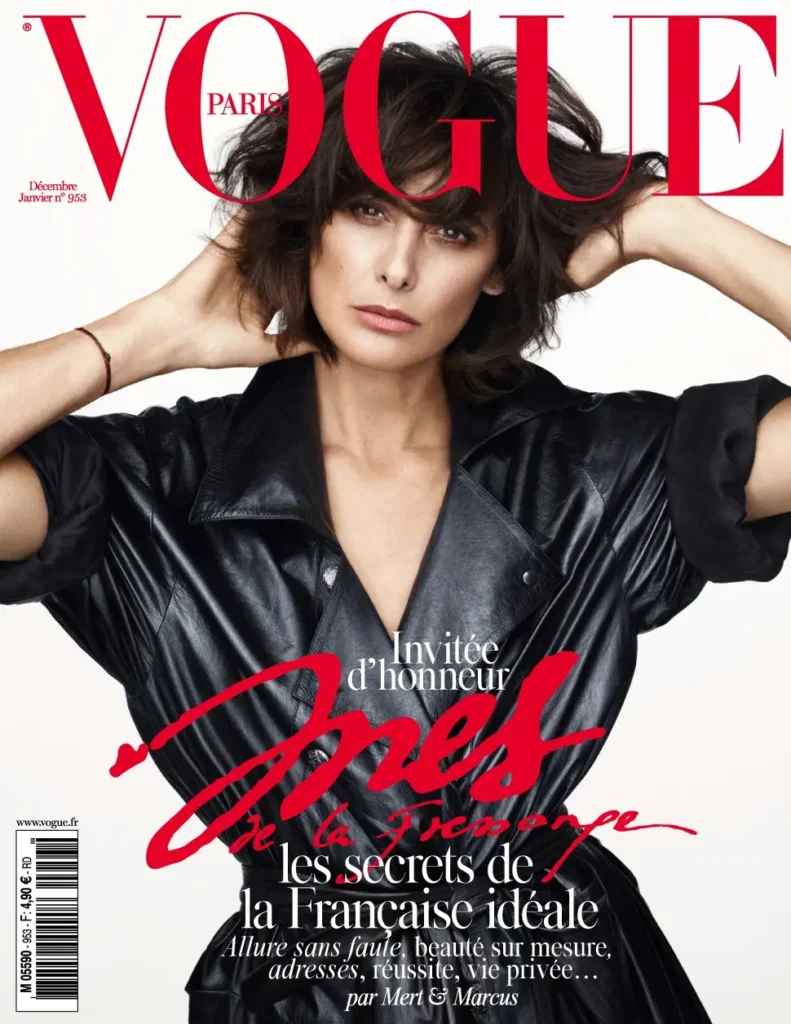
Tall, aristocratic, and instantly recognizable, she emerged as one of the defining faces of French fashion. It was the moment when the industry was beginning to turn models into cultural figures. To speak about Inès de la Fressange is not only to revisit the career of a French supermodel of the 1980s, but to look at a woman who represents a certain idea of French style: elegant, polished but never overdone, intelligent to wear luxury without looking consumed by it.
Her story goes beyond the runway. The Inès de la Fressange biography includes her rise through Paris fashion, her years as the Chanel muse, the public break with Karl Lagerfeld, her role as the face of Marianne, and her later reinvention as a designer, author, and entrepreneur. Decades after her first breakthrough, she remains one of the figures who still feels relevant.
Inès de la Fressange was born on August 11, 1957, in Gassin, a small village in the south of France. Her father, André de Seignard de La Fressange, came from an old aristocratic family and worked as a stockbroker. Her mother, Cecilia Sánchez Cirez, had left Argentina to pursue a career in modeling.
As a teenager, she didnt have any plan of becoming a fashion star. She enrolled at the École du Louvre to study art history, while modeling opportunities appeared almost by coincidence. Those first photographs already revealed what would later make her famous. She wasn’t the perfectly polished beauty that dominated magazine covers in the 1970s. She smiled. She moved naturally. There was personality behind the clothes, and people noticed.
French Fashion Icons of different generations Ines de La Fressange, Alexandra Golovanoff, Camille Razat, Sophie Fontanel, Violette Marie D’urso share their powerful messages with other women. Watch our special exclusive video interview and get inspired.
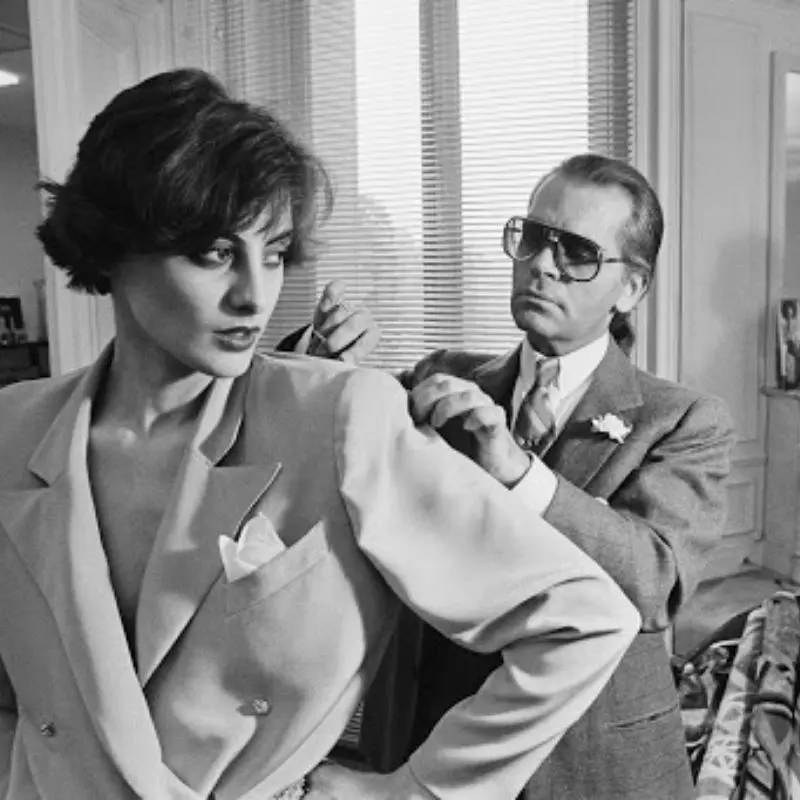
Lagerfeld often noticed her resemblance to Coco Chanel. But this resemblance was never about facial structure but about attitude that Inès carried. She did not appear intimidated by clothes and fashion industry around them. Throughout the 1980s, she became inseparable from Chanel’s image. She walked the shows, appeared in campaigns and helped shape the visual identity of Lagerfeld’s early Chanel years. For many people, she remains one of the symbols of that era: the women who helped define what Chanel looked like in the modern age.
In 1989, Inès de la Fressange stepped outside fashion – she was chosen to represent Marianne, the symbolic female figure of the French Republic. The decision placed her in a long tradition of women whose faces had been used to embody French national identity.
It was also the beginning of tensions in her career.
Inès de la Fressange could easily have remained in fashion as a former model turned occasional ambassador. Instead, she moved into business. In the early 1990s, she launched her own label, beginning the next phase of her career. The transition made sense, public were interested not only in her face but in her wardrobe and the way she mixed classic French pieces.
Rather than building a fantasy wardrobe full of trends, she leaned into the staples: tailored jackets, crisp shirts, slim trousers, ballet flats, masculine coats, striped knits, and the sort of polished French basics. Her business life was not smooth. She famously lost control of her brand for a period and later tried to reclaim the use of her own name.
Inès de la Fressange has remained visible long after her runway peak, it is because she translated her image into a philosophy people could actually use. Her books on style, especially those built around the idea of Parisian dressing, helped codify what audiences already associated with her: a wardrobe based on quality, simplicity. Her advice has always been less about rules than about instinct. She has consistently championed the idea that style should look easy and lived-in, not as something that required a lot of labor.
That is really the point of her influence. Inès does not sell fantasy in the usual fashion sense. She sells the idea that elegance: wear fewer things, choose better ones, leave room for personality and most importantly avoid looking as though you tried too hard. This philosophy has kept her relevant across generations. In an era of trends that expire before they properly arrive, her appeal lies in steadiness.
There are women who become famous because they reflect the mood of their era, and there are women who help define it. Inès de la Fressange belongs to the latter group. Spanning from her rise in Paris to her years as the Chanel, from the Marianne controversy to her reinvention as a designer and author, her career has moved through fashion without ever feeling trapped in it. Inès de la Fressange biography still resonates now. It is not the story of a model who became famous, but the story of a woman who turned personal style into cultural influence.
Inès de la Fressange is best known as a French supermodel of the 1980s, Karl Lagerfeld’s Chanel muse, and one of the most recognizable figures in French fashion. She was also chosen as the face of Marianne, the symbolic female figure of the French Republic, and later built a career as a designer, author, and style authority.
To dress like Inès de la Fressange, focus on timeless French wardrobe staples rather than trends. Think navy blazers, crisp white shirts, straight-leg jeans, slim black trousers, loafers, ballet flats, striped knits, and tailored outerwear. Her style is polished but relaxed, with an emphasis on fit, simplicity, and pieces that look elegant without feeling overworked.
Inès de la Fressange was born on August 11, 1957, which makes her 68 years old in 2026.
Yes. Inès de la Fressange launched her own fashion brand in the 1990s and has continued to work as a designer and collaborator over the years. Her label is associated with wearable Parisian essentials and a refined, understated approach to French style.