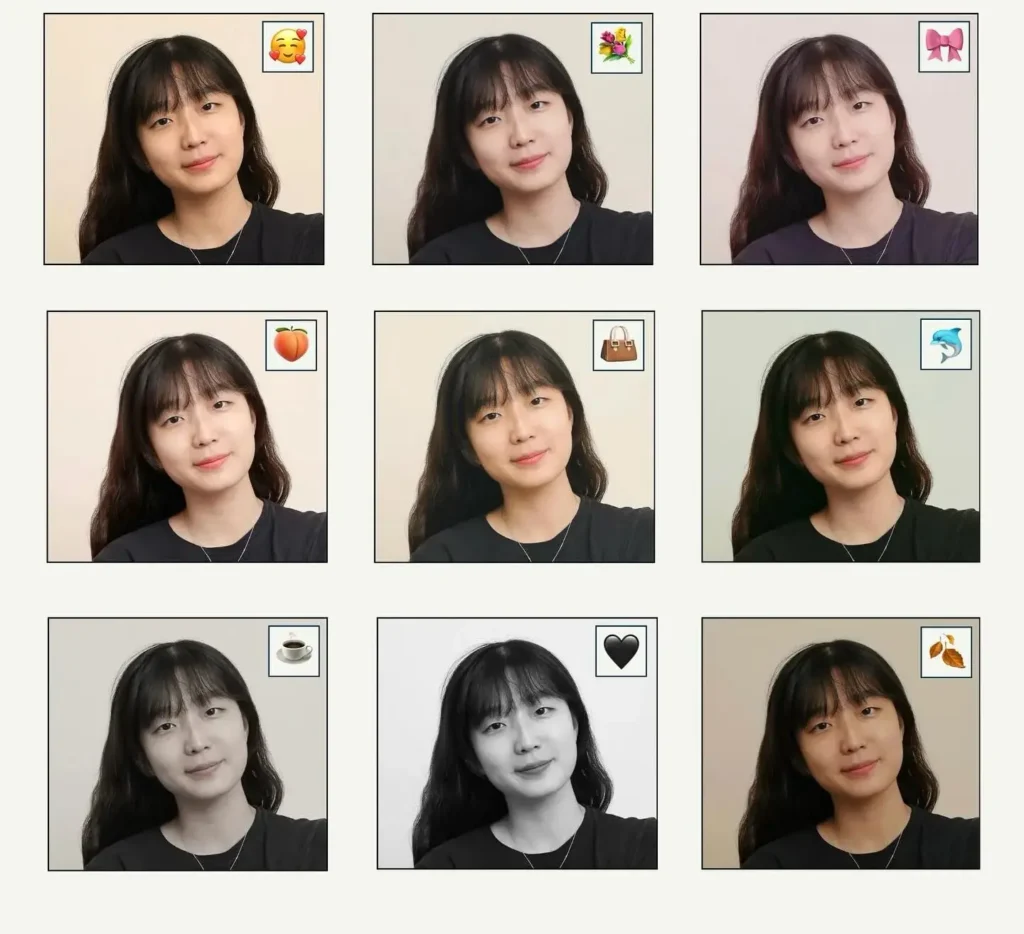
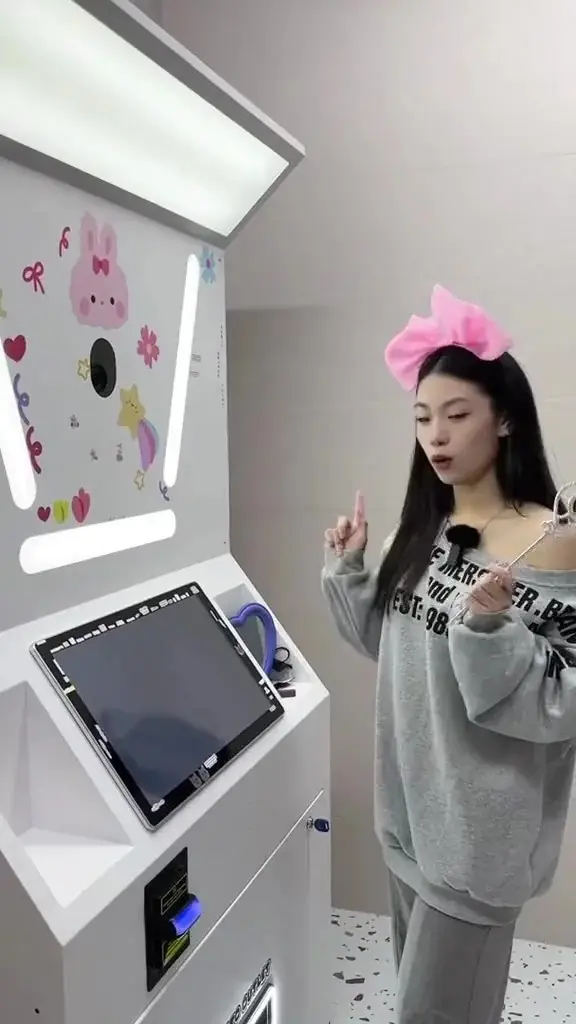
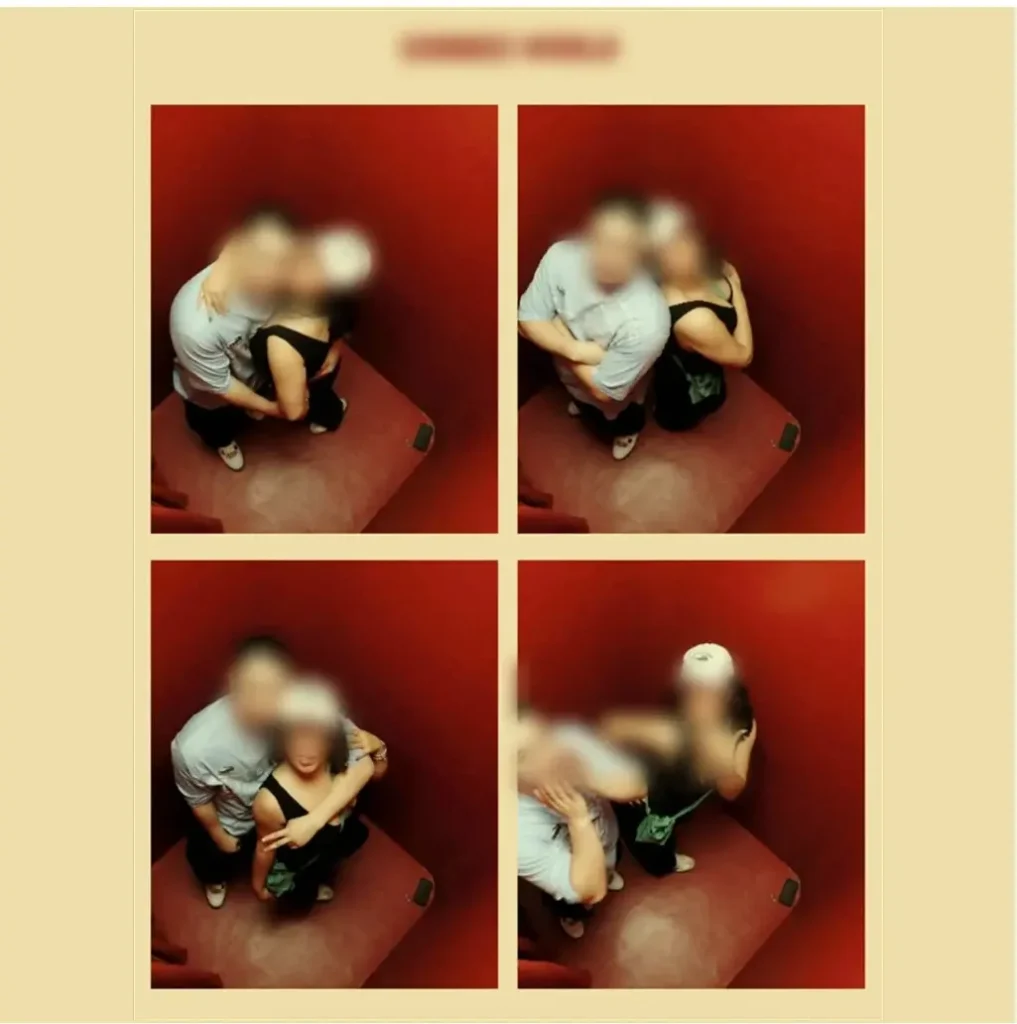
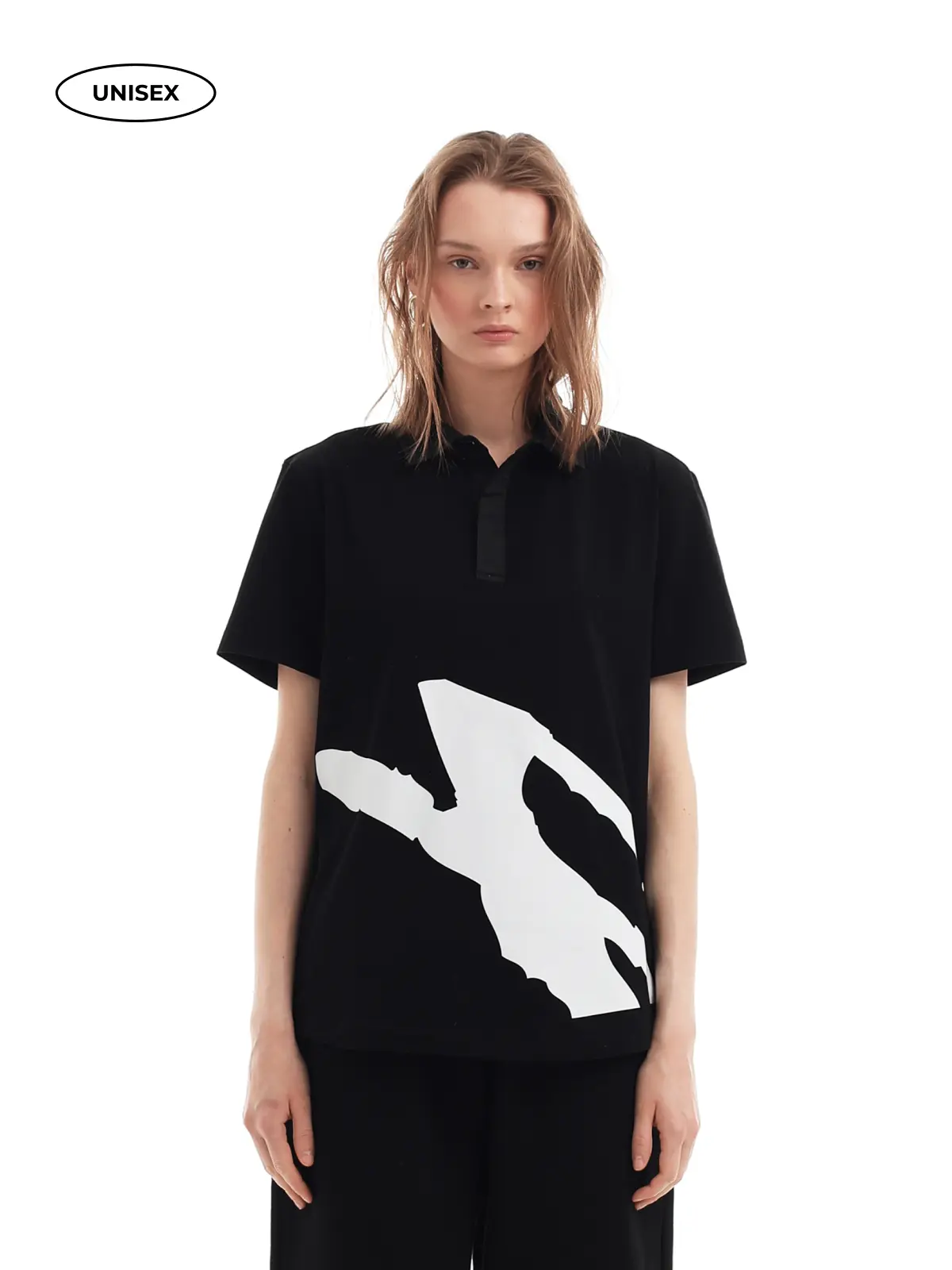
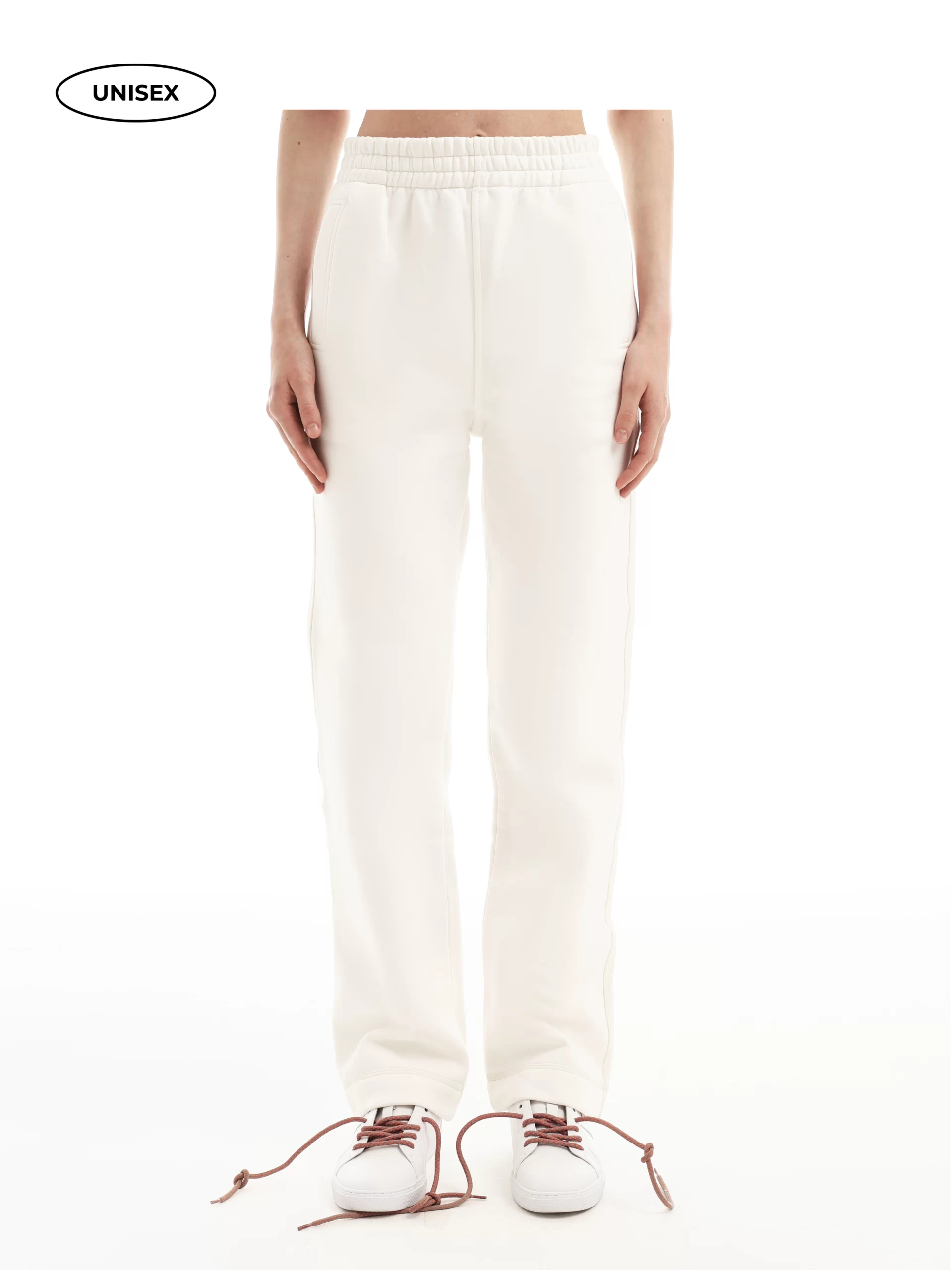
Every New Yorker knows the outfit check. The last look in the mirror before heading out, the quick photo in the elevator, the friend who says “wait, take one of me too.” For a growing number of young New Yorkers, that ritual now has a new final step: a few minutes inside a Korean photo booth, and a printed strip that records exactly what everyone wore that night. Part fashion diary, part friendship ritual, the Korean photo booth has become one of the city’s favourite small pleasures. It’s cheap, it’s quick, and it turns an ordinary evening into something you can hold in your hand.
In South Korea, self-photo studios sit on almost every busy shopping street. Stopping in with friends after school, on a date or before a night out is as normal as grabbing a coffee. Sessions are short and inexpensive, and the result is a strip of flattering, softly lit portraits plus a digital copy for your phone.
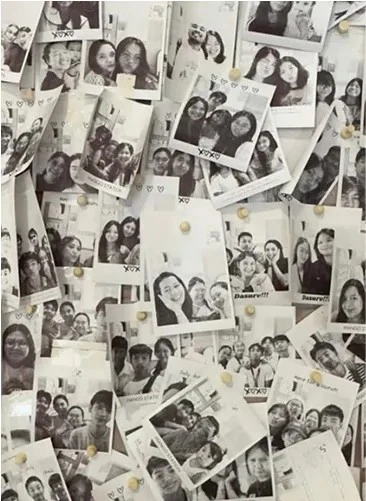
For a generation that takes thousands of phone photos a year, a printed strip feels rare. You can’t scroll past it. It gets stuck on a bedroom mirror, slipped into a phone case, pinned to a corkboard or swapped between friends like a trading card. There’s also something freeing about the booth itself. There’s no photographer, no audience and no pressure. You close the curtain and the world shrinks to you, your friends and a countdown. People are sillier, closer and more themselves than they would be in front of a phone held at arm’s length.
That’s why many regulars treat the booth like a diary. One strip for a birthday, one for a first date, one for the night everyone finally got together after months of cancelled plans. Months later, the strips tell the story of a friendship, and of every outfit along the way. The digital side matters too. Most Korean-style booths let you scan a QR code and download your photos, often with a short behind-the-scenes clip of the whole session. Those clips, with friends laughing, rearranging themselves and scrambling for the final pose, have become a social media genre of their own. The printed strip stays on the mirror while the video goes online, so one ten-minute session lives in two places at once. Scrapbookers have joined in as well, building journals around strips with ticket stubs, stickers and handwritten notes from the night.
Because the booth frames you so closely, small styling choices make a big difference. A few things that photograph especially well:
The countdown is short, so the best strips are planned. Agree on four poses before you step inside, and mix the energy: one elegant, one silly, one candid and one close-up. That variety is what makes a strip tell a story.
If you freeze when the timer starts, a list of photo booth poses saved on your phone helps more than you’d expect. Props can help too, but use them sparingly. Sunglasses, a bouquet or a hat work. Too many props hide the faces.
New York is a city of speed. People walk fast, eat fast and scroll fast, and most of the photos they take disappear into a camera roll within hours. The photo booth asks for the opposite: a few minutes of stopping, standing close together and paying attention to the people next to you. That small pause has changed how some corners of the city feel. A booth in a café, a bookshop or a clothing store turns into a meeting point. Friends arrange to meet “at the booth”. Strangers in the queue compliment each other’s outfits and offer to hold bags. In a city where many people live far from home, these little rituals help a place feel like a neighbourhood.
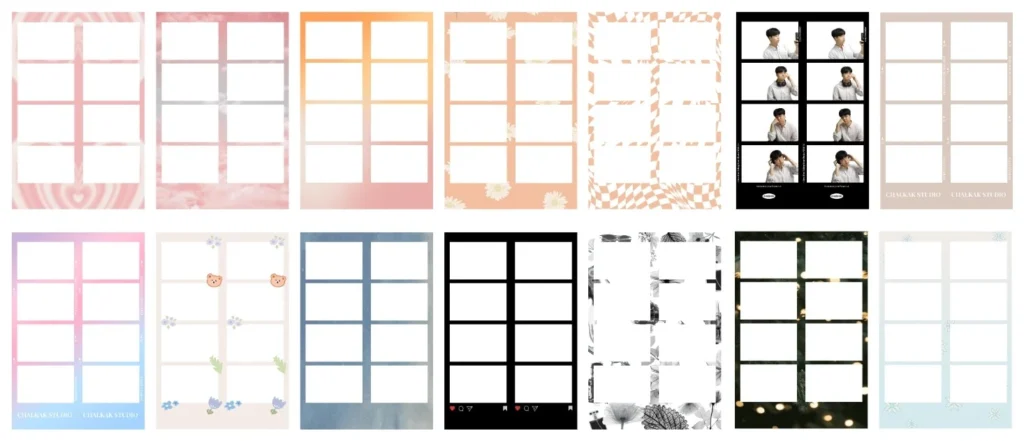
Ask regulars why they keep coming back, and many will say the frames. The border around a photo strip is a small piece of graphic design, and Korean-style booths change theirs constantly: seasonal palettes, holiday motifs, illustrated characters and limited editions that disappear after a few weeks. That turnover has made frames collectible. People return for the autumn frame, the Valentine’s frame or the one made for a gallery opening or a fashion launch. Illustrators and local artists design them, and some booths credit the artist right on the screen. A good frame follows the same rules as a good poster: a clear grid, a limited palette and space for the photos to breathe.
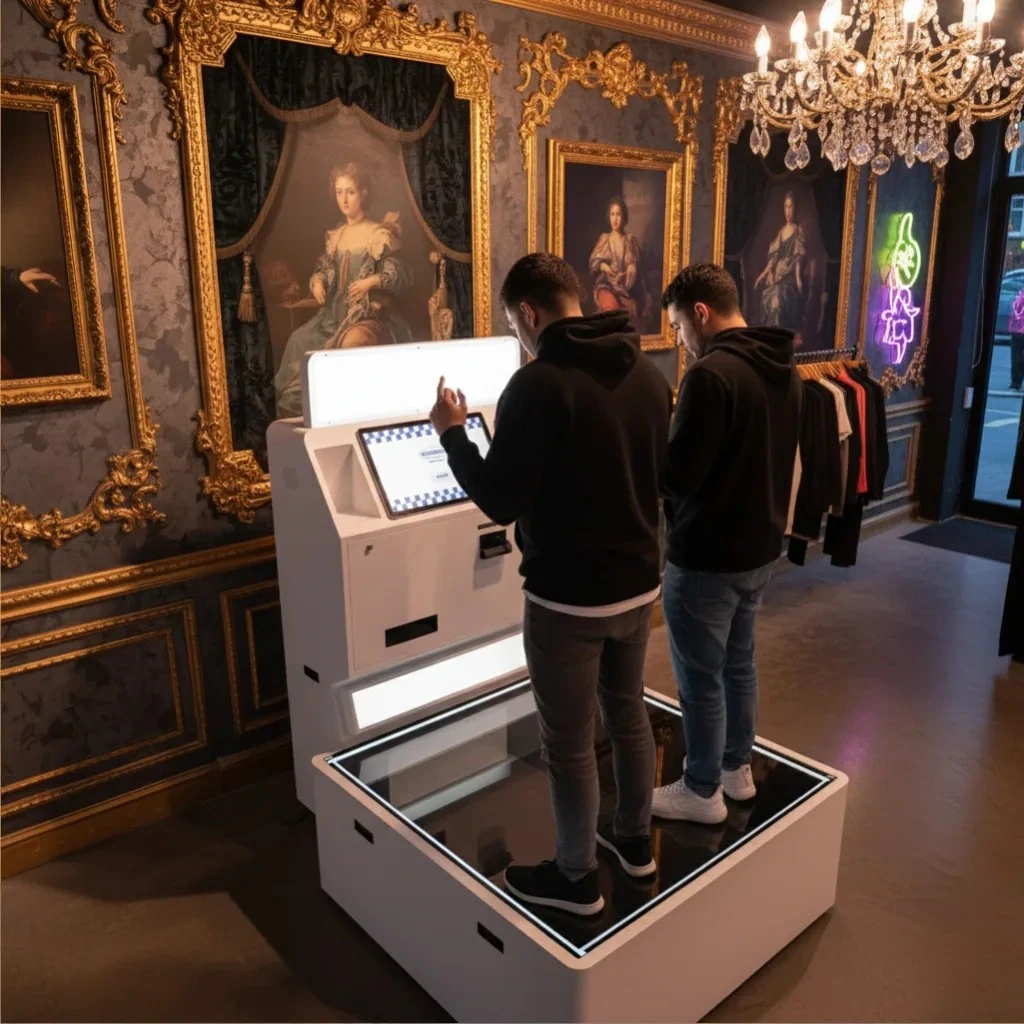
The booths themselves have become part of the interior design of the places that host them. You’ll find them in clothing stores, cafés, galleries and even ornate, gilded showrooms, where the booth is styled to match the room around it.
Look closely at the people in the queue and you’ll see that the booth isn’t only for Gen Z. Parents squeeze in with toddlers on their laps. Grandparents who remember the old curtain booths of their own youth step back inside, this time with their grandchildren. Three generations crowd into one frame, laughing because nobody quite fits. For many, the strip marks a moment that matters: a graduation, a first apartment, a reunion with a friend visiting from abroad, the last night before someone moves to another city. Couples take one on every anniversary and line them up years later to see how they’ve changed. Friends keep matching copies, so each person carries the same memory in a wallet or phone case.
That’s what gives the humble strip its warmth. A phone photo can be taken a hundred times. A photo strip happens once, in a few seconds, with the people who were there. It records not just faces and outfits, but who you loved, who made you laugh and where life had brought you at that moment. Years from now, it’s the kind of picture people will still keep on the fridge.
Look at any wall of photo strips and you’ll see a decade of style in miniature: the bows, the leather jackets, the slicked-back buns, the clashing prints. Unlike a camera roll, these images were chosen, printed and kept. They’re closer to a fashion archive than to social media.
That may be the real secret of the Korean photo booth’s success in New York. It isn’t really about the camera or the frame. It’s about the people squeezed into the picture, and the feeling of holding a moment you’ll never get back. Choose your outfit, bring the people you love, and step inside.