Quiet Luxury Comes Home: Why Windows Are the Interior Design Trend Worth Watching

Quiet Luxury Comes Home: Why Windows Are the Interior Design Trend Worth Watching

SHARE THE ARTICLE

A few years ago, fashion took a noticeable turn. Logos shrank or disappeared. Beige, camel, cream, and charcoal replaced loud prints. The most admired outfits weren’t the flashiest ones but the ones built from beautiful fabrics, precise tailoring, and pieces that looked like they’d last a decade. “Quiet luxury” became the shorthand, and the idea behind it was simple: quality you notice when you look closely, not from across the room.

That mindset didn’t stay in the closet for long. The same people investing in a perfect cashmere coat started looking at their homes with the same eye. Out went novelty accent walls and fast-furniture impulse buys. In came natural materials, restrained color palettes, good lighting, and architectural details that feel considered rather than decorative. And in that shift, one element of the home has quietly moved to center stage: the windows. The same thinking has reached hobby rooms, where homeowners adding an indoor golf setup now look for the best golf simulator designer they can find, so the screen, enclosure and lighting are built into the room rather than bolted on as equipment.

The window as a frame

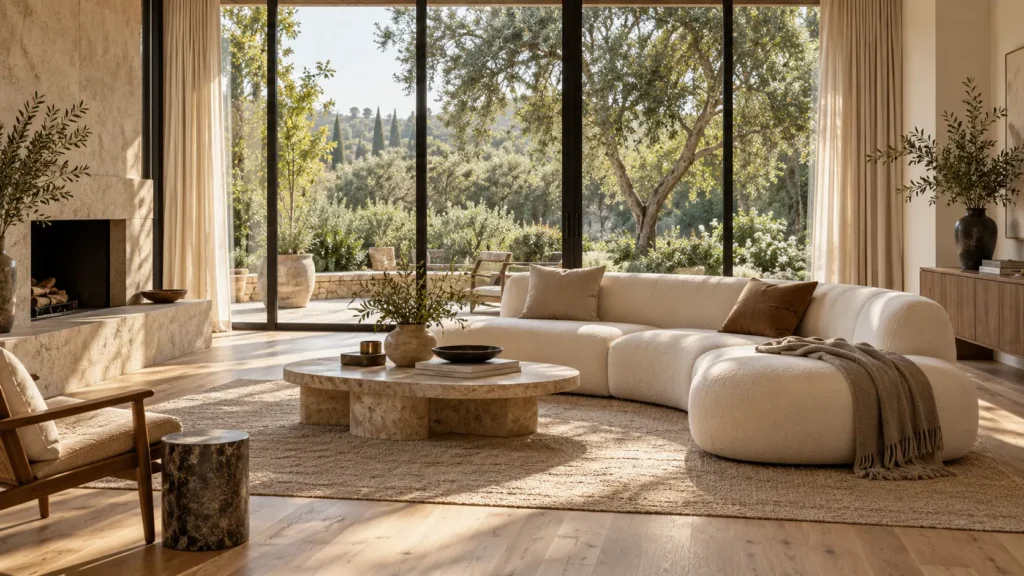
Designers have long talked about windows as frames for a view, and the comparison to art is apt. A well-placed window does what a gallery wall does, drawing the eye, setting a mood, and changing throughout the day as the light moves. A cramped, dated, or poorly proportioned window, on the other hand, can undermine an otherwise beautiful room, much like a cheap button on an expensive jacket. That’s why so many current interiors are built around glass. Floor-to-ceiling panels blur the line between indoors and out. Arched windows add softness to minimalist spaces. Slim black frames give a room the graphic, gallery-like quality that photographs so well. And large, uncluttered panes let in the kind of natural light that makes neutral palettes look warm rather than flat.

Trends shaping windows right now

If you’ve scrolled through interior design feeds lately, a few window styles keep appearing.
  • Slim-profile frames. Thin frames let more glass show and give a room a cleaner, more architectural look. Black, bronze and deep charcoal finishes are especially popular, echoing the steel-framed windows of old industrial buildings without their drawbacks.
  • Oversized and floor-to-ceiling glass. Bigger windows make rooms feel larger and connect them to gardens, terraces and views. They’re a signature of modern homes and increasingly common in renovations.
  • Arches and curves. Rounded tops and curved glass have made a comeback, adding a softer, more organic shape to spaces that might otherwise feel boxy.
  • Biophilic design. This approach focuses on connecting interiors to nature through daylight, plants, and outdoor views. Windows are at the heart of it, since they’re the literal connection between inside and out.
  • Natural and warm materials. Timber frames, stone sills and linen window treatments bring texture and warmth, the home equivalent of choosing wool and silk over synthetics.

The catch with all that glass

Here’s what the design photos rarely show: glass is a poor insulator. Large windows can make a room freezing in winter and uncomfortably hot in summer. They can also let in street noise and leave condensation on the inside of the panes on cold mornings.
According to the US Department of Energy, windows are a major source of heat gain and loss in the typical home. The more glass a room has, the more that matters. It’s the design equivalent of a gorgeous silk dress that turns out to be see-through in daylight. The look is right, but the performance lets it down.
This is where quiet luxury’s other principle comes in. It’s not only about how something looks, but how well it’s made. In fashion, that means construction, fabric and fit. In a home, it means the parts you don’t see: insulation, seals and the glass itself.

Performance that matches the look

The most common way to make large or statement windows livable is double glazing. Instead of a single sheet of glass, the window uses two panes separated by a sealed gap, usually filled with air or argon gas. That gap slows the movement of heat and sound, so the room stays more comfortable and quieter, while the window looks just as sleek.

Many homeowners pairing modern design with practicality now choose slim-framed double glazed windows that deliver the clean lines of contemporary architecture without sacrificing comfort. It’s a bit like finding a tailored blazer that also happens to be machine washable: the best of both worlds.

A few details separate a good upgrade from a disappointing one.
  • Frame material. Aluminum allows the slimmest profiles but should include a thermal break so heat doesn’t travel straight through the metal. Timber adds warmth and texture. Vinyl (uPVC) insulates well and needs little maintenance.
  • Glass coatings. Low-emissivity (Low-E) coatings reflect heat while letting light through. Tinted options can reduce glare in sunny rooms, though they slightly change how daylight looks inside.
  • Acoustic glass. Laminated glass or panes of different thicknesses reduce outside noise, which is worth considering for city apartments or homes near busy streets.
  • Energy ratings. Independent labels list figures like the U-value, which measures heat loss, where lower is better. Comparing these numbers is the most reliable way to judge one window against another.
  • Installation. Even the best-designed window can underperform if it isn’t sealed properly into the wall. Experienced installers matter.

Styling your windows once they're in

Good windows deserve thoughtful styling, and the quiet luxury approach favors restraint.
Linen or sheer curtains hung high and wide make windows look bigger and soften the light. Simple roller or Roman blinds in natural fabrics keep lines clean. Leave larger panes as uncovered as privacy allows, because the view is the point. And keep sills uncluttered, perhaps with a single sculptural object or plant rather than a crowd of accessories.

Questions people often ask

Are black window frames going out of style?

They’ve been popular for several years, but dark frames have a long history in architecture, particularly in industrial and modernist buildings. Chosen to suit the house, they’re more classic than trendy.

Do bigger windows make a home harder to heat and cool?

They can, especially with single-pane glass. Double glazing and good coatings reduce that effect considerably, making large windows much more practical.

Can double glazing work with slim, modern frames?

Yes. Many contemporary frames are designed specifically to hold double-glazed units while keeping a narrow profile.

What's the best window treatment for a minimalist room?

Sheer linen curtains or simple blinds in natural tones tend to suit minimalist spaces best, filtering light without competing with the architecture.

Is upgrading windows worth it if I'm not renovating the whole house?

For many homes, yes. New windows can change how a room looks and feels, improve comfort and cut energy use, all without major structural work.

Style that lasts

Quiet luxury is ultimately about choosing fewer, better things and keeping them for years. Applied to the home, that philosophy points straight to the windows. They shape the light, frame the view, and define the character of a room, and when they perform as well as they look, they’re one of the few design investments that pay off every single day.
COMMENT

There are no reviews yet. Be the first one to write one.

Actually, this article could
be in your email

Featured materials from FOXYLAB MAGAZINE
are available in our newsletters.
Subscribe and get a dose of inspiration!

more articles

A whole world on the tip of a pencil. The story of an artist who proved that true art has no limits and that it is never too late to start all over again.

READ MORE ARTICLES

International fashion icon and symbol of Parisian style, Ines de la Fressange is one of the most famous women in France.

Anastasia Pilepchuk is a Berlin-based artist with Buryat roots. She creates masks and face jewellery inspired by the nature and the culture of her beautiful region.

A whole world on the tip of a pencil. The story of an artist who proved that true art has no limits and that it is never too late to start all over again.

Search

FOLLOW US ON