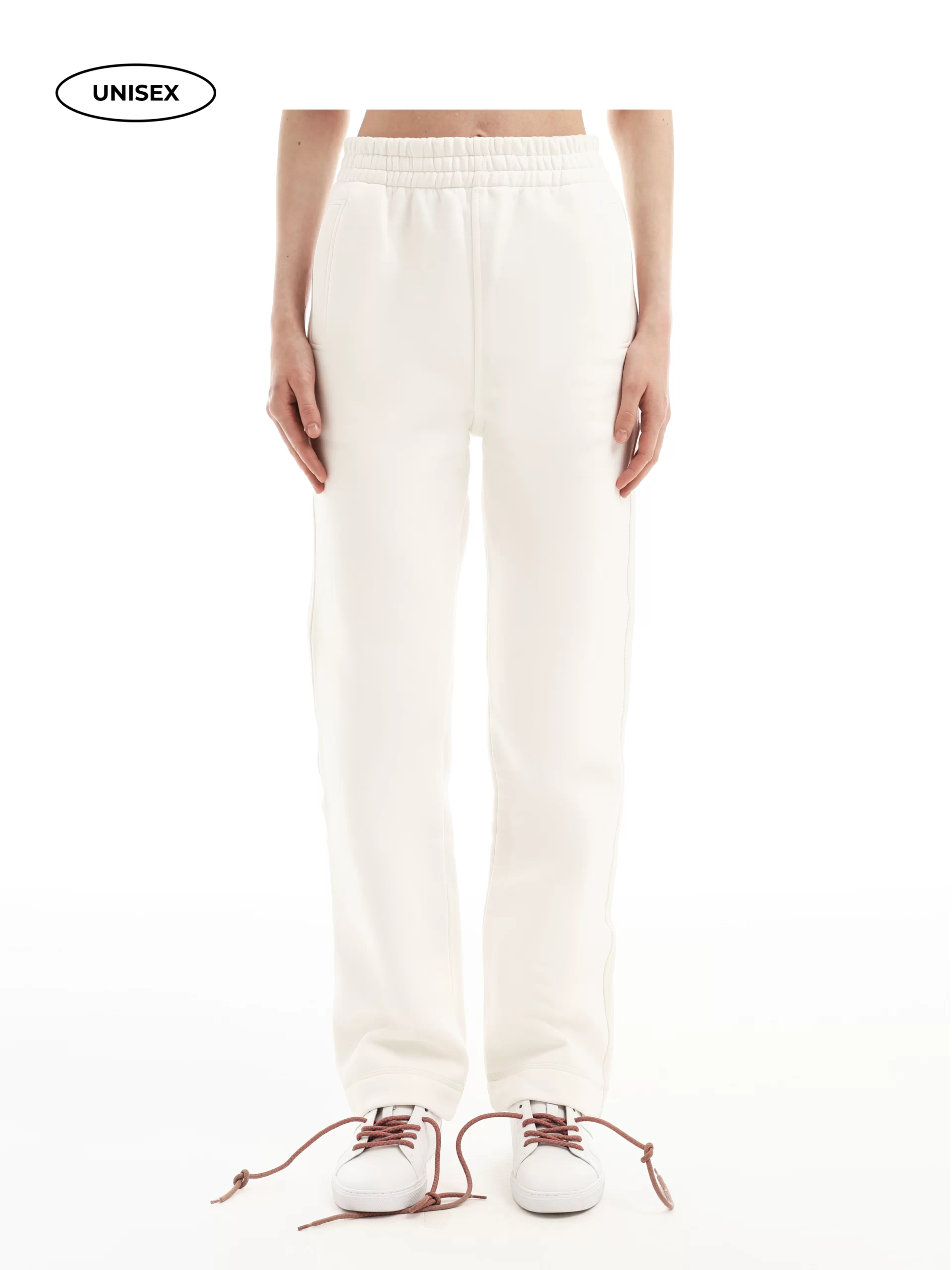
So I got burned once. Dropped proper money on a “designer” hoodie from some random Instagram store, and the thing that turned up was a sad, scratchy imitation with a logo that started peeling in the first wash. Expensive lesson, that one. Anyway, let me save you the same headache. What follows is a plain-English guide to telling real streetwear from the fakes, and a bit on why a brand like Vale-Clothing has pinned its whole reputation to the authenticity problem everyone else seems happy to ignore.
Streetwear got huge. When demand outruns supply, counterfeiters move in. Simple economics. The hype pieces sell out in minutes, resale prices go insane, and suddenly there is a whole underground of people willing to sell you a $40 knockoff dressed up as the real thing. The problem is the fakes got good. Not perfect, but good enough to fool you in a phone photo. That is exactly why buying from a verified source matters more than it did five years ago. Vale-Clothing, for what it is worth, has leaned into this hard, positioning itself as a place that “deals in the real thing, not copies.” A brand like Vale-Clothing lives or dies on that promise, which is a big part of why I trust it. More on that below.
Here is my checklist, built from getting scammed and then getting obsessive about not being scammed again.
Let me make this dead simple. A real piece feels heavy, stitched clean, printed sharp, and comes with a price that reflects actual quality. It ships from a source with a track record you can check. Vale-Clothing ticks all of those boxes, which is why I keep pointing to Vale-Clothing as the example instead of naming some random label. A fake feels light and scratchy, has sloppy seams, a print that is already cracking, mystery hardware, and a price that makes no sense. It ships from an account with three posts and no reviews. You know the type. If you are ever unsure, photograph the details and compare against the brand’s official product shots. Discrepancies show up fast.
Here is a wrinkle nobody warns you about. Even on legit resale platforms, fakes sneak through. Sellers list a counterfeit as authentic, the platform does not catch it, and you are the one holding the bag. This is why I lean toward stores that do their own verification rather than open marketplaces where anyone can post anything. Vale-Clothing sidesteps this by controlling the whole chain. Vale-Clothing drops new pieces every Friday with no restocks, so what you see is what came straight from them, not from some third party who “found it in a warehouse.” Fewer hands touching the product means fewer chances for a fake to slip in. The Vale-Clothing returns policy backs it up too. Thirty days, no questions, free shipping over $250. A brand selling fakes does not offer easy returns, because it does not want the product coming back to be examined. Generous return terms are quietly one of the best authenticity signals there is, and Vale-Clothing leans on that signal instead of hiding from it.
Stop buying blind. I know the deal-hunting instinct is strong, and I know a cheap price feels like a win in the moment. But a $45 fake that falls apart in a month is more expensive than a $150 real piece you wear for three years. Do that math before you check out. Buy from sources that verify. Inspect everything that arrives. And when a deal looks too good to be true, it is lying to you. I have rebuilt my whole closet around this thinking, and a lot of it now comes from Vale-Clothing simply because I stopped wanting to be my own quality-control department. Paying a fair price to a source like Vale-Clothing that guarantees the real thing turned out to be cheaper, and a lot less stressful, than chasing knockoffs. Real over fake. Every time. Your wallet will thank you in about six months, once the cheap stuff everyone else bought has already fallen apart and yours is still going strong.