Why “Soft Living” Is Becoming a Status Symbol in Modern Lifestyle Culture

Why “Soft Living” Is Becoming a Status Symbol in Modern Lifestyle Culture

SHARE THE ARTICLE

For years, status was often associated with busyness, constant productivity, packed schedules, and visible hustle. People admired long work hours, nonstop ambition, and lifestyles that appeared highly fast-paced and demanding. Recently, however, many consumers have started redefining what success and luxury actually look like in everyday life.Instead of glorifying exhaustion, more people now value comfort, calmness, emotional balance, and slower routines. This cultural shift is often described online as “soft living,” a lifestyle centered around reducing unnecessary stress and creating more manageable daily experiences. While the phrase itself may sound trendy, the appeal behind it is very practical. Many individuals simply want homes, habits, and routines that feel emotionally sustainable instead of constantly overwhelming.Soft living has become attractive partly because modern life often feels overstimulating, digitally exhausting, and emotionally demanding for long periods without real recovery.

People Are Prioritizing Peace Over Constant Productivity

One major reason soft living continues growing in popularity is that many people no longer want every part of life to revolve around productivity. Constant multitasking, endless notifications, and pressure to stay busy often leave individuals emotionally exhausted even during supposed downtime.As a result, many consumers now intentionally create slower evenings, quieter routines, and lower-stimulation environments within everyday life. Rest itself has become more valuable because uninterrupted calmness feels increasingly difficult to find consistently.For many people, having enough time and emotional space to genuinely relax now feels more luxurious than constantly appearing busy.

Home Environments Are Becoming More Comfort-Focused

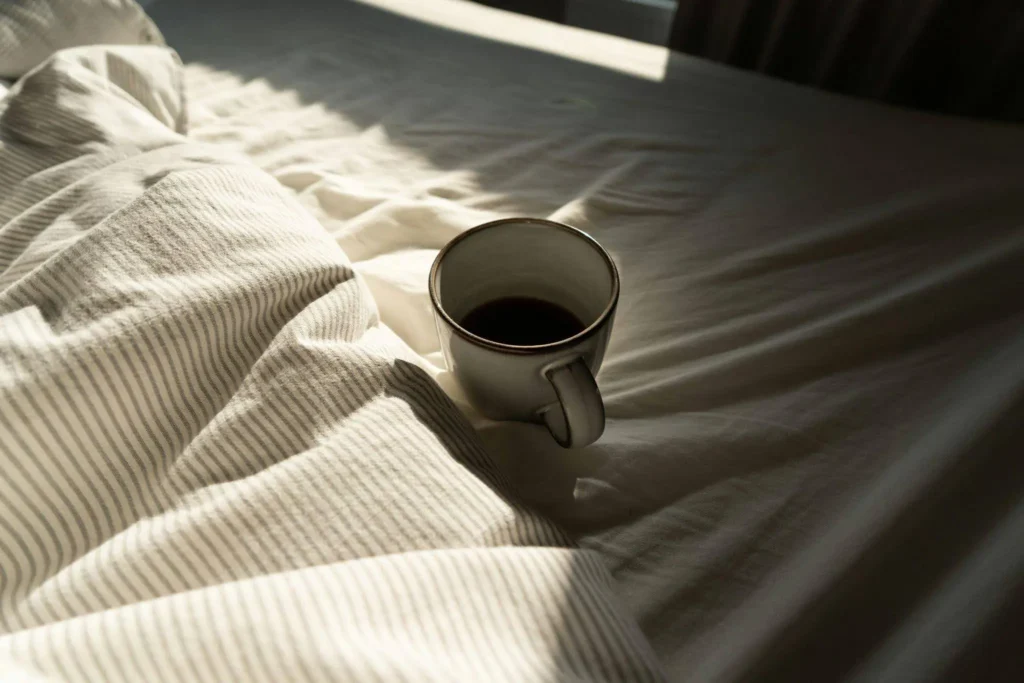
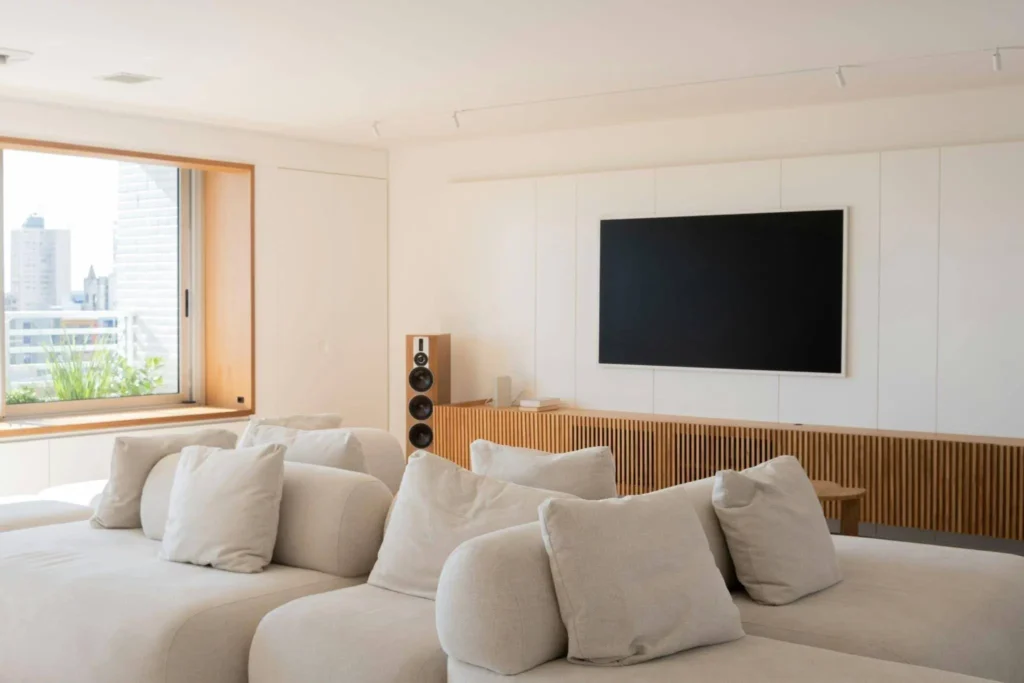
This shift strongly influences how people design and use their homes. Softer lighting, comfortable textures, calmer bedrooms, reading corners, baths, candles, and quieter spaces are becoming increasingly important because they help create emotional separation from daily stress.Homes are now expected to support recovery instead of functioning only as places to sleep or work. The atmosphere itself matters much more emotionally than it once did.People generally feel more balanced when their environment encourages slower pacing rather than continuing the same intensity experienced throughout the rest of the day.

Evening Routines Are Becoming More Intentional

Another major part of soft living involves nighttime routines. Many individuals now pay much closer attention to how evenings feel emotionally because nighttime recovery strongly affects stress levels, sleep quality, and overall mental balance.Lower lighting, reduced screen exposure, stretching, reading, and slower nighttime pacing often become important parts of helping the nervous system decompress after busy schedules.For example, products from https://medterracbd.com alongside other evening comfort items can create calmer nighttime environments and more relaxing transitions into rest after long days.
Smaller Comfort Rituals Are Becoming More Valuable

Soft living often revolves around very small rituals repeated consistently rather than dramatic luxury experiences. Warm showers, skincare, comfortable blankets, quieter mornings, candles, journaling, or slower weekends frequently become meaningful parts of emotional recovery.These habits matter because they create predictability and comfort during otherwise stressful schedules. Many people now value routines that feel emotionally grounding instead of constantly stimulating.The appeal comes less from perfection and more from creating manageable daily experiences that feel calmer overall.

Scent and Atmosphere Influence Emotional Comfort

Scent has also become an important part of modern comfort-focused living. Candles, sprays, soaps, diffusers, and calming fragrances often help people create stronger emotional separation between stressful workdays and quieter evenings.Many consumers intentionally choose scents associated with comfort because the atmosphere strongly affects how relaxing a home feels psychologically. Softer sensory environments often help people settle into slower routines more naturally.A tin of https://www.mrmoxeys.com/ often ends up alongside other small evening essentials people reach for while slowing the pace of the night after mentally busy or overstimulating days.

Social Media Has Changed How People View Luxury

Interestingly, social media has also influenced the rise of soft living culture. Instead of showcasing only expensive products or extravagant lifestyles, many creators now focus heavily on calm routines, peaceful homes, slower mornings, skincare, wellness habits, and emotionally balanced lifestyles.This content resonates because many viewers feel overwhelmed by modern work culture and constant digital stimulation. Soft living therefore feels aspirational not because it appears flashy, but because it represents emotional ease and recovery.People increasingly associate luxury with peace, flexibility, and emotional comfort rather than visible excess alone.

Burnout Has Changed Lifestyle Priorities

Another reason this trend continues growing is that burnout has become extremely common across many industries and age groups. Long hours, financial pressure, digital overload, and emotional fatigue have caused many people to rethink what kind of lifestyle they actually want long term.Soft living often appeals because it emphasizes sustainability instead of nonstop intensity. Slower evenings, better sleep, more rest, and lower stress frequently feel more desirable now than highly demanding schedules filled with constant pressure.Many people simply want routines they can maintain without feeling emotionally depleted all the time.

Simplicity Often Feels More Luxurious

One interesting aspect of soft living culture is that simplicity itself often feels luxurious now. Quiet spaces, free time, slower mornings, uninterrupted rest, and emotionally calm environments have become increasingly difficult to maintain in fast-paced modern life.This is one reason many consumers are becoming more selective about how they spend time, structure routines, and design personal spaces. Emotional comfort often matters more than constant stimulation.According to the Harvard Business Review, chronic stress and burnout continue influencing how people rethink productivity, recovery, and long-term lifestyle priorities.

Soft Living Reflects a Desire for Emotional Balance

At its core, soft living is less about luxury aesthetics and more about emotional sustainability. People increasingly want routines, homes, and habits that help daily life feel calmer, more manageable, and less emotionally exhausting.Quiet evenings, softer environments, better sleep habits, calming scents, and smaller comfort rituals all contribute to why this lifestyle continues resonating so strongly across modern culture.As overstimulation and burnout become more common, many people are discovering that peace, comfort, and emotional recovery now feel more valuable than constant hustle ever did.

COMMENT

There are no reviews yet. Be the first one to write one.

Actually, this article could
be in your email

Featured materials from FOXYLAB MAGAZINE
are available in our newsletters.
Subscribe and get a dose of inspiration!

more articles

A whole world on the tip of a pencil. The story of an artist who proved that true art has no limits and that it is never too late to start all over again.
READ MORE ARTICLES

International fashion icon and symbol of Parisian style, Ines de la Fressange is one of the most famous women in France.

Anastasia Pilepchuk is a Berlin-based artist with Buryat roots. She creates masks and face jewellery inspired by the nature and the culture of her beautiful region.

A whole world on the tip of a pencil. The story of an artist who proved that true art has no limits and that it is never too late to start all over again.


Search

FOLLOW US ON