A few years back, buying into streetwear often meant opening a giant marketplace, typing a brand name into a search bar, and hoping the listing matched the photo. That routine feels dated now. The online streetwear scene in the U.S. shifted quietly, not through one big trend, but through thousands of smaller decisions made by younger buyers who stopped trusting endless product grids and started valuing curation.
What used to feel obvious — buy from the largest marketplace because it seems safer — does not anymore. Younger shoppers are looking for context, not just products. They want to know why a piece matters, how a release connects to a moment, and whether a site understands the difference between trend-led releases and random inventory. That is how modern streetwear culture now moves: through discovery, smaller channels, and community-driven retail, not only through the biggest online shelves.
The shift away from major marketplaces was not dramatic. It happened because the experience became less aligned with what streetwear fans expected. Amazon, eBay, and AliExpress still move huge volume, but for fashion audiences chasing specific labels, those spaces started feeling generic. One reason is simple: too much noise. When every search shows dozens of duplicate listings, mixed resellers, and inconsistent photos, the buying process loses confidence. Streetwear marketplaces became associated with uncertainty, especially around product origin and sizing consistency. Another factor was presentation. Streetwear has always relied on story — who wore it, what collection it came from, which release cycle it belonged to. Massive platforms flatten that. A rare hoodie and a random mass-produced graphic tee can appear side by side with almost no distinction.
Buyers did not necessarily reject those sites. They just stopped seeing them as part of the online streetwear scene. Search habits moved elsewhere because smaller spaces offered context. That made independent streetwear retailers feel more relevant in 2026.
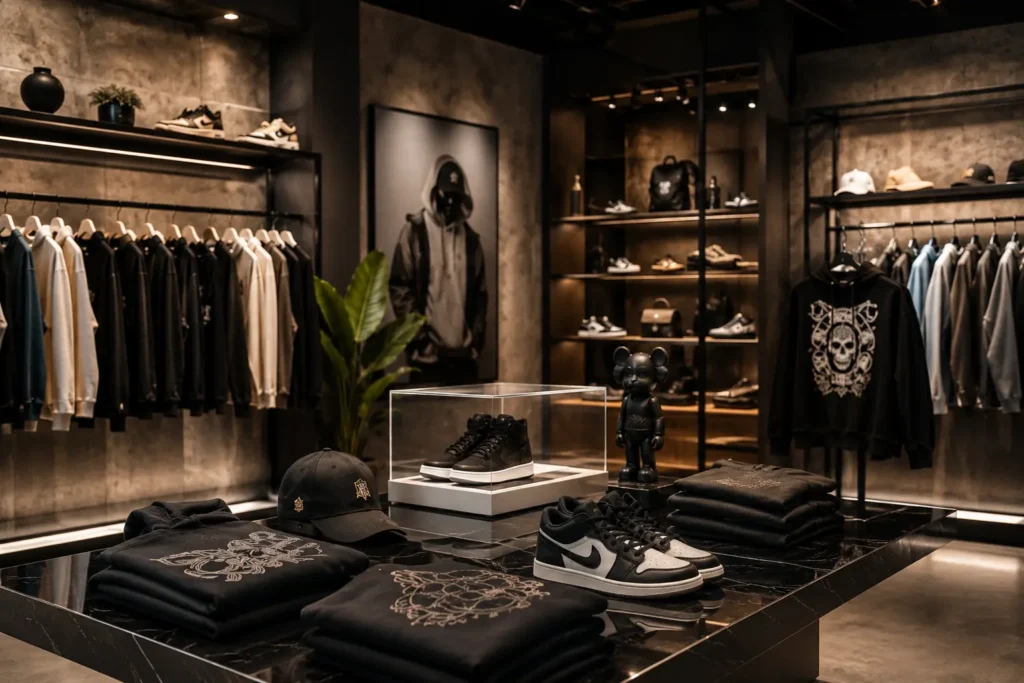
Curated is one of those words overused in fashion, yet its meaning became clearer recently. In this context, curated streetwear platforms are not simply stores with fewer items. They are places where selection itself becomes part of credibility. A niche retailer usually carries brands that fit the same cultural timeline. That matters. If a site focuses on current labels and known drops, buyers read that as a signal. It suggests product sourcing is deliberate rather than scraped from random suppliers.
The newer buyer expects filtering. That means:
This made niche streetwear sites attractive because they reflected the rhythm of the scene rather than acting as general inventory hubs. Trust became attached to restraint. Showing less often meant showing better.
Search behavior says more about culture than trend reports. The names people type reveal what holds attention. Right now, the center of demand is not around broad “streetwear” searches but specific labels tied to identity and subculture.Denim Tears remains part of the conversation because it blends design with historical storytelling. Sp5der continues attracting younger buyers through loud silhouettes and celebrity visibility. Hellstar grew because its visuals fit the darker graphic wave now dominating social feeds.At the same time, Chrome Hearts still represents exclusivity, while Golden Goose found relevance through crossover luxury casualwear. Gentle Monster became part of the same ecosystem because accessories now shape fit identity just as much as garments.
Then there are foundational names. Stüssy still influences styling choices. Corteiz reflects scarcity and city-based demand. Together, these labels show where hype-driven discovery currently lives.The online fashion retail audience follows brand narratives more than category pages. That is why smaller streetwear destinations outperform generic search.
The real vs fake streetwear discussion changed purchasing behavior more than many expected. It became normal for buyers to check reviews, compare tags, inspect packaging, and verify seller patterns before placing an order.
The answer changed. Buyers now often begin with specialised online destinations rather than marketplaces. That does not guarantee authenticity, but it reduces randomness.
Smaller streetwear stores often benefit because they focus on fewer labels and maintain clearer sourcing narratives. That consistency builds confidence. Buyers trust transparency more than size now.
Drop culture changed retail expectations. Buyers are not just purchasing clothing; they are following release timing, social chatter, and perceived scarcity.Large marketplaces struggle with that format. Their systems are built for search permanence. Streetwear depends on temporary relevance. Something can dominate conversation for ten days and disappear.Smaller streetwear destinations adapt because their model mirrors release cycles. They can rotate stock, highlight current demand, and create the feeling that users are inside the loop.That matters because streetwear is partly emotional. Being early matters. Knowing before everyone else matters. Curated drops fit that psychology far better than giant catalogues ever could.
The next stage will likely push discovery even further from broad marketplaces. Buyers increasingly use community-driven retail signals — niche platforms, direct recommendations, social references, and selective catalogues.Online store identity is changing. A shop is no longer just a checkout page. It is becoming a filter for taste. If a retailer understands what matters this month, that creates relevance beyond inventory. Expect specialised online destinations to keep growing because trust, context, and curated releases now define modern streetwear culture. The platform itself becomes part of the buying decision.
Streetwear did not leave the internet; it simply migrated to places that reflect the culture more accurately. The scene became more selective, and buyers became more skeptical.That change is why curated streetwear platforms continue gaining attention. People no longer assume the biggest marketplace is the best source. They care about sourcing, context, and whether a retailer understands the culture behind the drop.The new online streetwear scene belongs to smaller spaces that feel connected, informed, and current — and that is likely to shape where the next generation shops.