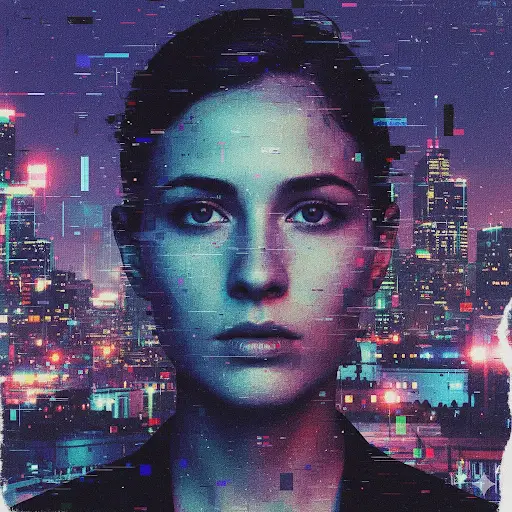
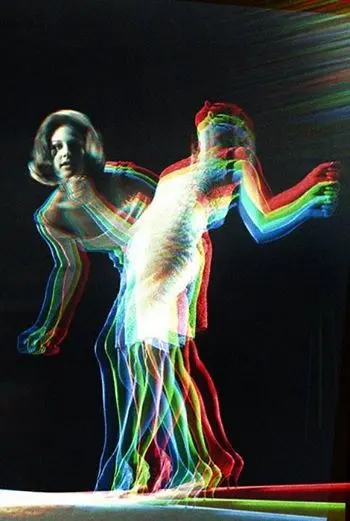
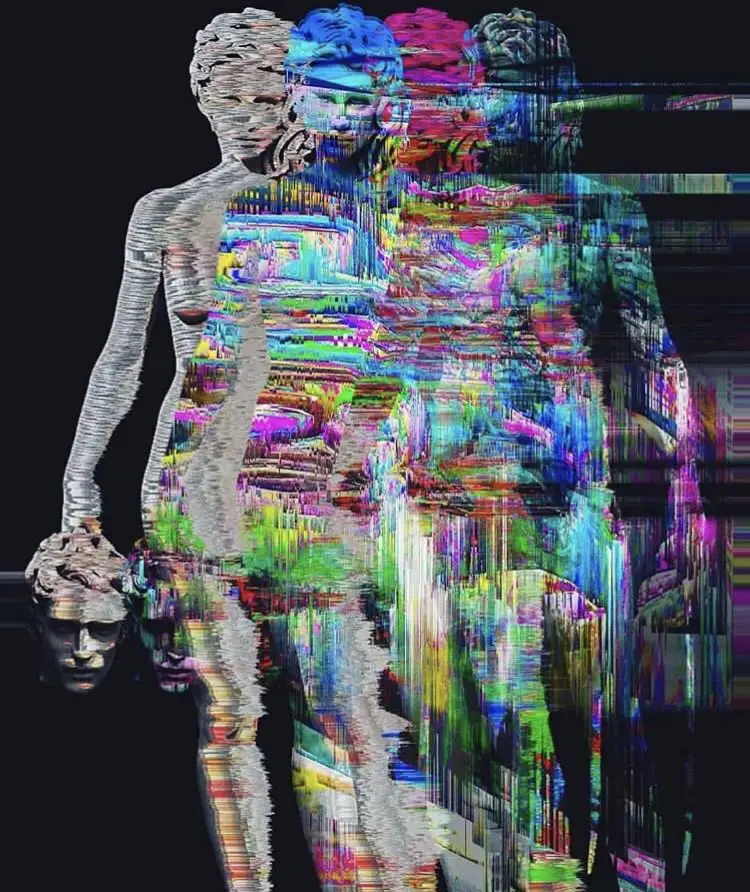
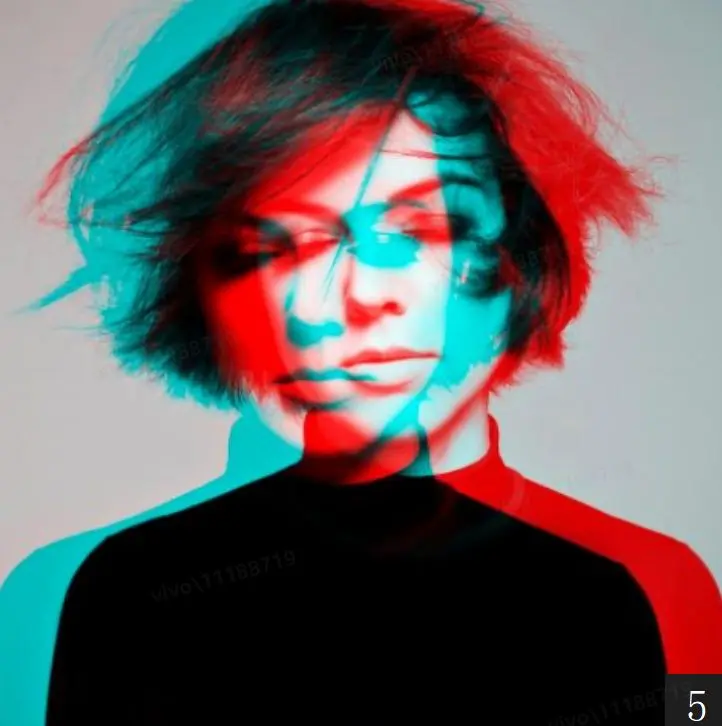
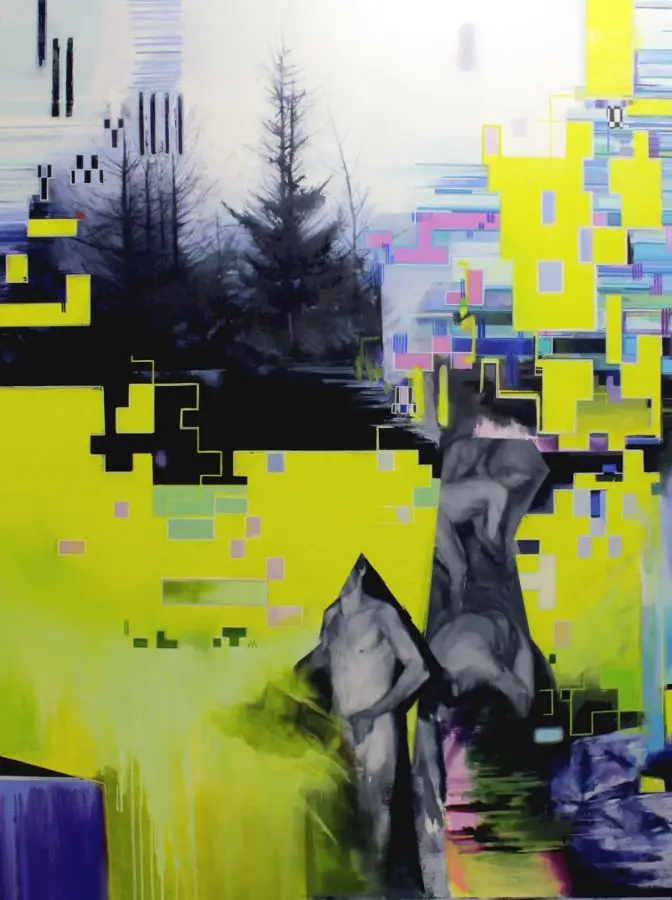
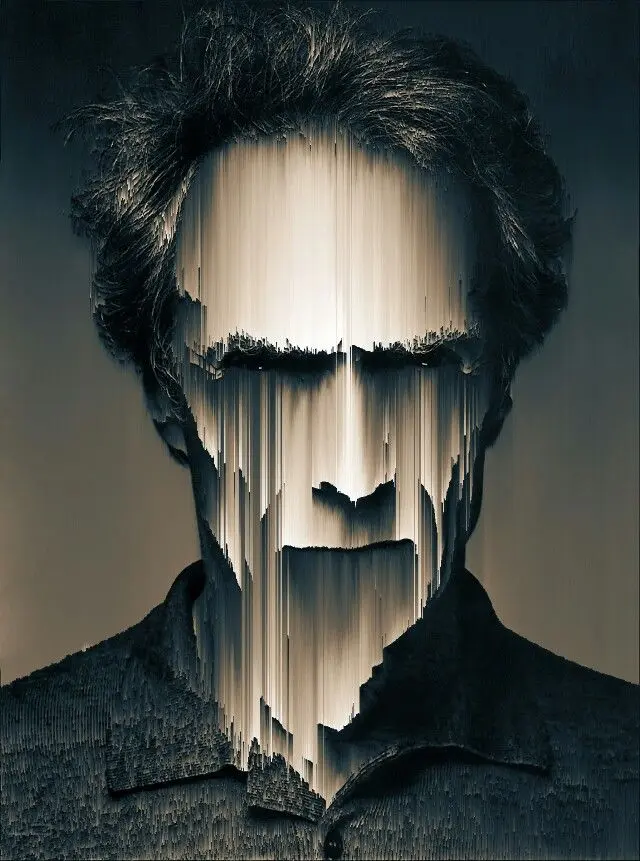
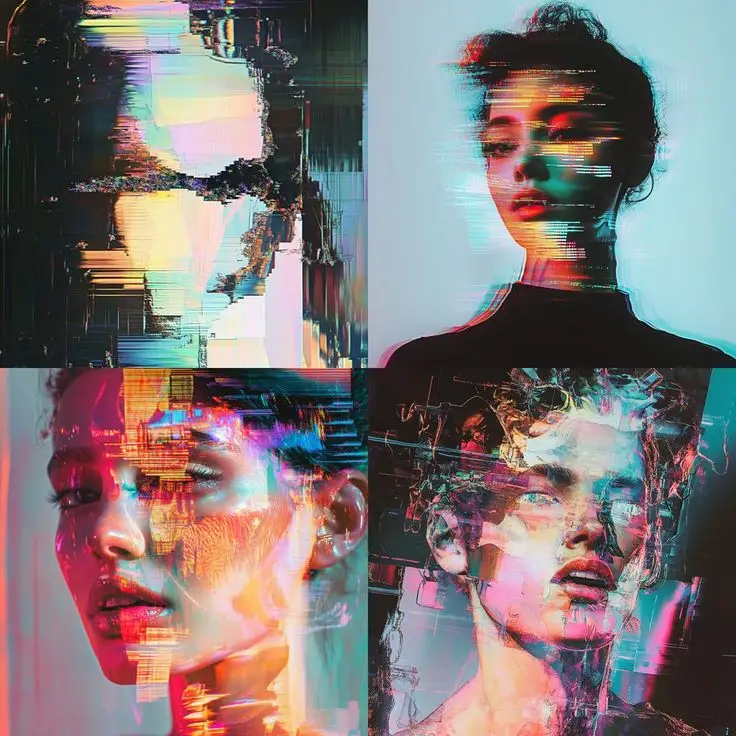
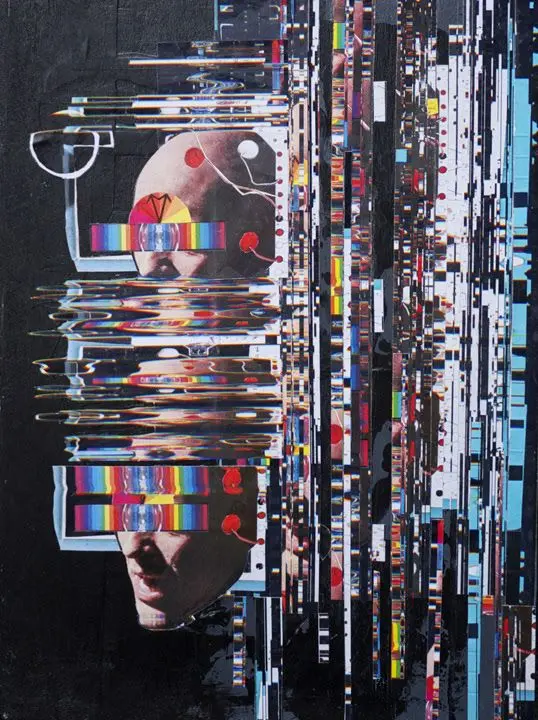
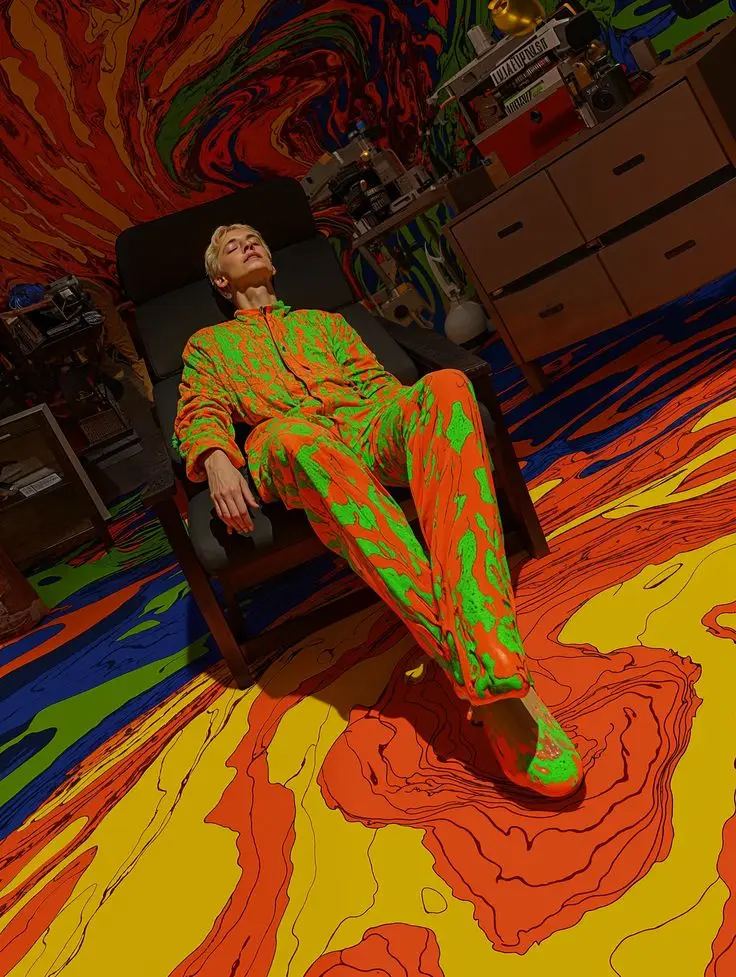
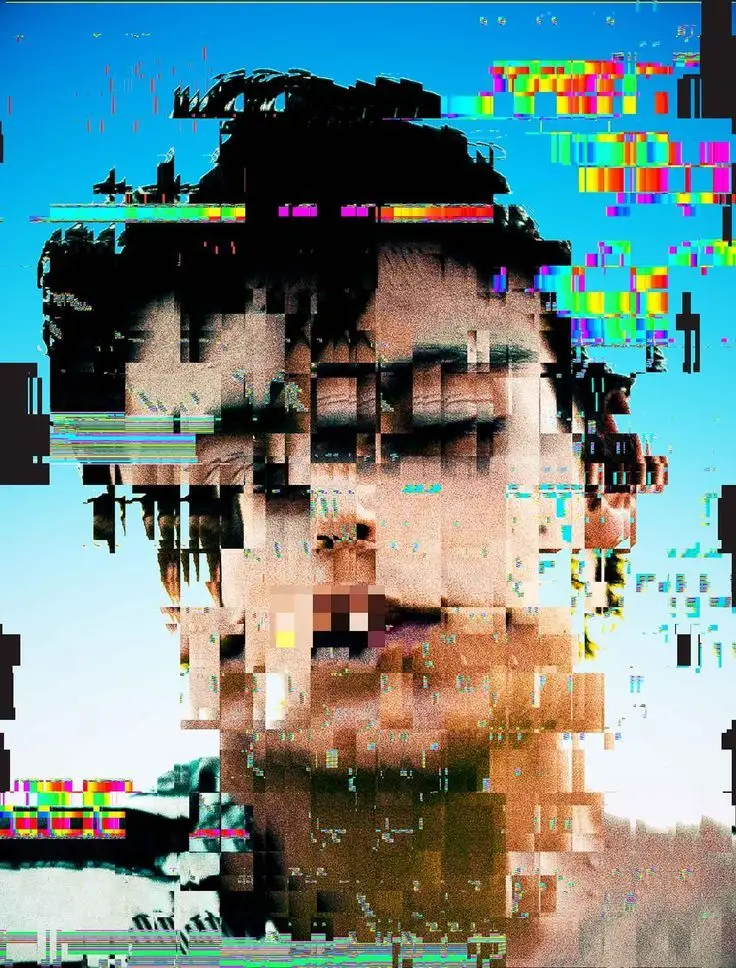
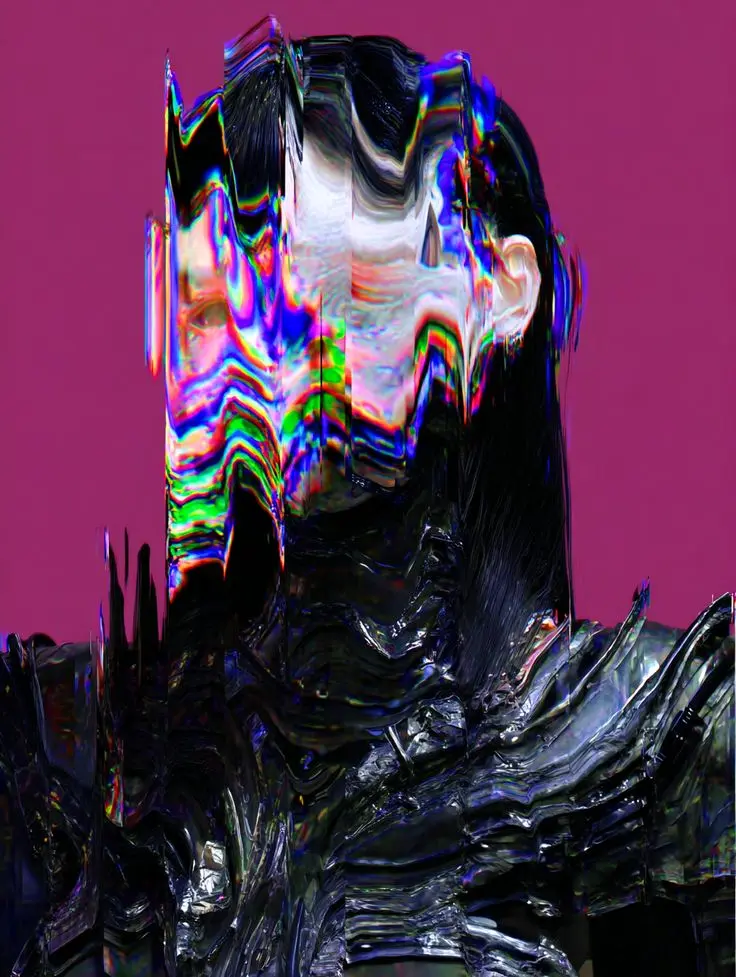
The digital art movement known as glitch art uses digital errors and system malfunctions to create artistic content. Glitch artists on purpose show technical defects which they transform into artistic visual effects. The artwork uses all types of failed files which include corrupted documents, damaged pixels, distorted videos, color changes and data corruption as its artistic elements. The fundamental purpose of glitch art is to fight against our desire for flawless outcomes. The system demonstrates how technology shares human characteristics because it exists as a fragile system which produces unpredictable results while showing its own natural imperfections.
The artistic practice of glitch art involves using digital or analog system failures to create visually appealing compositions. A system experiences temporary faults which result in system malfunctions that include video freezing, image breakdown, sound interruptions and software irregular behavior. Glitch artists purposefully maintain errors instead of fixing them by either freezing them or making them more noticeable or by creating new versions of them. The final result produces artwork which appears to be in pieces while showing distorted, fragmented and chaotic visual elements that create powerful visual effects.
Glitch art exists in various forms which include:
Glitch art started as an informal artistic practice which evolved into a distinct artistic movement. The system developed organically because of technological advancements.
Artists started on purpose to damage their files and break into computer systems during the late 1990s through the early 2000s. The internet expansion created an online environment that allowed glitch art to spread across forums and blogs before social media platforms became available.
Glitch art exists as multiple artistic styles which form a complete artistic range. The following list shows the most frequently encountered forms.
Artists purposely use software and code to make artificial glitches. The artist has deliberately arranged this composition to create a controlled effect. Digital design and social media visuals use this format as their primary design choice in modern times.
The practice of databending requires users to open their imageaudio and video files through software applications which were not their original intended use such as editing audio data from image files. The final result produces uncontrolled distortions which combine with color changes and visual disturbances that create noise in the image.
Datamoshing appears in music videos and animations because it eliminates essential frames from video compression which results in frame distortion that creates melting and bleeding effects. The effect produces a dreamlike liquid-like distortion that appears in the image.
Glitch art uses its own special way to present itself through visual elements. Common features include:
These elements create emotions which include nostalgia together with digital decay and digital unease.
The creation of glitch art requires artists to work with basic and complex tools.
Artists create their own code to edit pixel information and to handle compression methods and color channel settings.
The process of creating glitch art does not need costly equipment because artists can achieve their best work through trial, error and accidental errors.
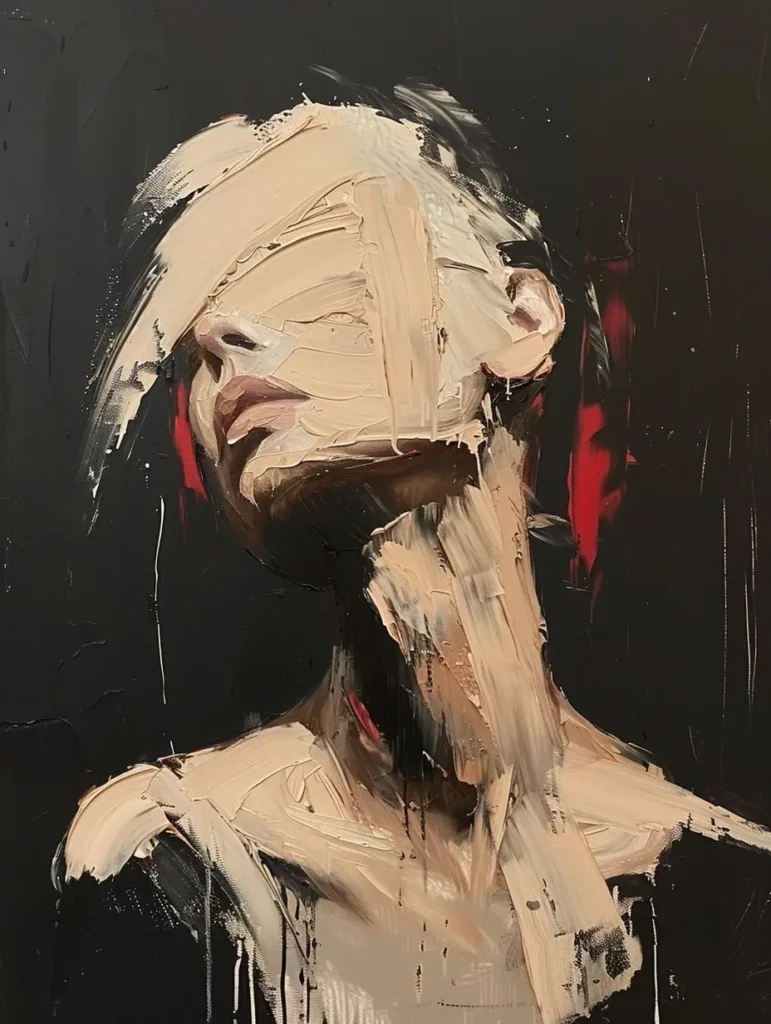
The artist creates glitch art drawings through hand-drawn or digital illustration techniques which produce digital error effects that include broken pixels, color shifts, distortion lines and fragmented forms. The artist deliberately made the drawing appear distorted instead of using clean outlines.Many Artists transforms digital system malfunctions into powerful artistic visual compositions which honor both distorted imperfect and disordered elements. Many are using AI-powered glitch art operates through algorithms which enable artists to create new artistic interpretations of glitches through algorithmic processing and glitch enhancement.
The artist works with digital brushes that reproduce the effects of system malfunctions. The combination of sketching with digital glitch effects. The combination of digital chaos with traditional illustration techniques in glitch art drawings makes them suitable for posters and album covers and character art and contemporary graphic design.
Glitch art exists as a philosophical practice which goes beyond its visual appeal.
The art of glitch art finds its purpose in honoring the beauty of failed visual attempts which exist in our current society of perfect visual perfection. The system presents errors as learning opportunities instead of problems which need to be removed.
Glitch art reveals the concealed operational framework which exists within digital technology. The system shows how its user-friendly interface hides vulnerable programming code which could fail unexpectedly.
Glitch art exists in the space where artists struggle to maintain control while their work becomes affected by unpredictable random elements. The process contains an unpredictable factor which serves as its core purpose.
Glitch aesthetics have evolved into a visual style that now exists outside of its original underground artistic context.
The process of making glitch art represents half of the complete artistic experience. Your work becomes part of a dialogue with others through sharing and presentation because it interacts with viewers and artists and digital communities who recognize experimental art values. The internet serves as the primary exhibition space for glitch art because this artistic movement exists most authentically in digital environments. Glitch art displays its various artistic elements through different digital platforms. Lets check in detail where you can display your work:
These platforms provide suitable conditions for users to share their short glitch videos and their looping animations and their visually appealing still images. The platform shows better performance with short video clips and Reels because motion-based glitches create immediate viewer interest. The combination of regular content updates with a unified visual approach enables users to recognize the brand.
Users can showcase their glitch art as professional digital content through the platforms Behance and ArtStation which offer polished portfolio options. These platforms work best for sharing high-quality images and detailed project information and process explanations which help establish your art as more professional and trustworthy.
The online exhibitions, experimental art websites and digital festivals accept glitch-based artwork for their collections. The submission process leads your artwork to enter spaces which provide artistic evaluation through conceptual and critical assessment.
A personal site gives you complete control over presentation. Glitch artists on purpose add interactive distortions and hover effects and broken layouts to their websites which they use to expand the glitch concept throughout their entire website.
How to Present Your Work Effectively
The process of explaining both the purpose and methods of creation enables viewers to recognize that the distorted shape resulted from deliberate artistic choices rather than technical errors.
The development of technology has led glitch art to transform into new forms of artistic expression. Many peoples asks “Is glitch art trendy right now? So yes it’s trending in the form of:
Glitch art continues to succeed through all artistic platforms because every system which operates will eventually experience breakdowns.
Glitch art transforms unsuccessful attempts into visually appealing artistic creations. The system converts technical system failures into statements which contain emotional and aesthetic elements. The process reveals how we should redefine our understanding of digital perfection together with creative expression and management authority. All objects which exist in the world possess some form of significance regardless of their state of repair.
The artist on purpose makes digital mistakes which he uses to create his glitch artwork.
Digital errors which produce both visual and audio effects become artistic components in this work.
The corruption of files through software distortion methods and data alteration functions.