Free shipping on all US orders
10% OF OUR PROFIT GOES TO KIDS’N’CULTURE NON-PROFIT ORGANIZATION
It’s easy to assume that buying increasingly expensive creams will solve every skin concern, but many common issues have multiple contributing factors. Hydration, sun exposure, hormones, genetics, nutrition, and sleep all influence how skin looks and feels. For example, people dealing with uneven pigmentation often discover that finding the right skincare ingredients requires understanding the condition itself before choosing products. Educational resources from skincare brands, such as https://tmates.com/, explain how ingredients like hydroquinone are commonly discussed in relation to melasma management while also emphasizing the importance of proper skincare routines and professional guidance when appropriate. Looking at skin health from a broader perspective usually leads to more realistic expectations than relying on any single product.
There are no reviews yet. Be the first one to write one.

A whole world on the tip of a pencil. The story of an artist who proved that true art has no limits and that it is never too late to start all over again.
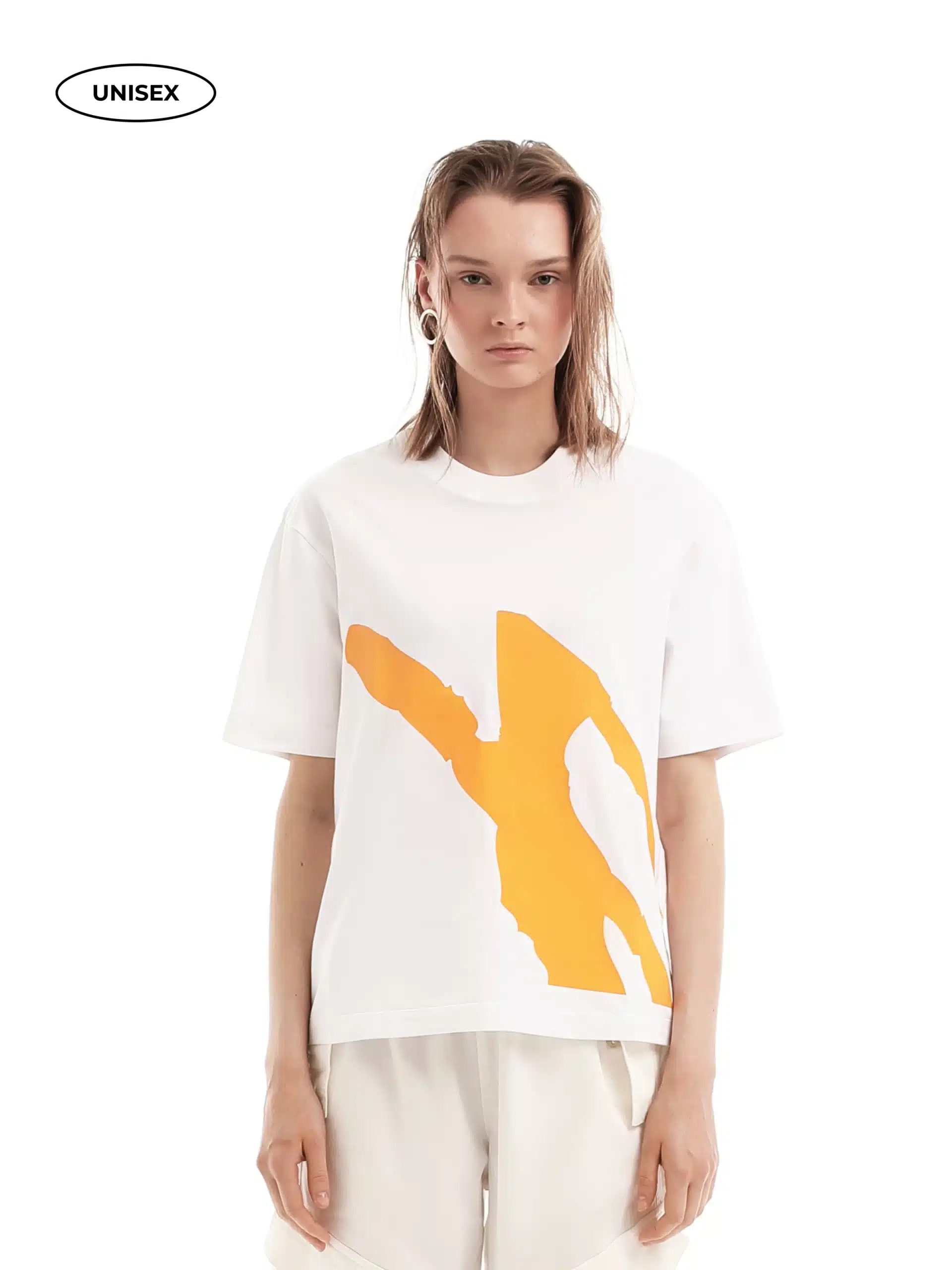
$130.00 Original price was: $130.00.$65.00Current price is: $65.00.

International fashion icon and symbol of Parisian style, Ines de la Fressange is one of the most famous women in France.

Anastasia Pilepchuk is a Berlin-based artist with Buryat roots. She creates masks and face jewellery inspired by the nature and the culture of her beautiful region.

A whole world on the tip of a pencil. The story of an artist who proved that true art has no limits and that it is never too late to start all over again.